Exploring Mortar and Pestle Different Types and Their Practical Uses
Mortar and Pestle: Different Types and Their Uses
The mortar and pestle is an ancient tool used to crush and grind ingredients. From culinary applications to pharmaceutical preparations, this simple yet effective device continues to be invaluable. However, not all mortar and pestles are created equal. Different materials and designs cater to specific needs. Understanding the different types of mortar and pestle is crucial for choosing the right one for your purpose. This guide will explore the various options available, their pros and cons, and best uses.
Understanding the Core Components: Mortar vs. Pestle
Before diving into the types, let’s clarify the components. The mortar is the bowl-shaped container, while the pestle is the club-shaped tool used for grinding. The effectiveness of a mortar and pestle relies on the texture of both. Rougher textures are better for breaking down tough ingredients, while smoother textures are preferred for creating fine pastes or powders. The interplay between the mortar and pestle determines the final consistency and quality of the ground material.
Key Takeaway: The material and texture of both the mortar and pestle are fundamental to their functionality. Choosing the right combination is key to achieving optimal results.
Exploring Different Types of Mortar and Pestle
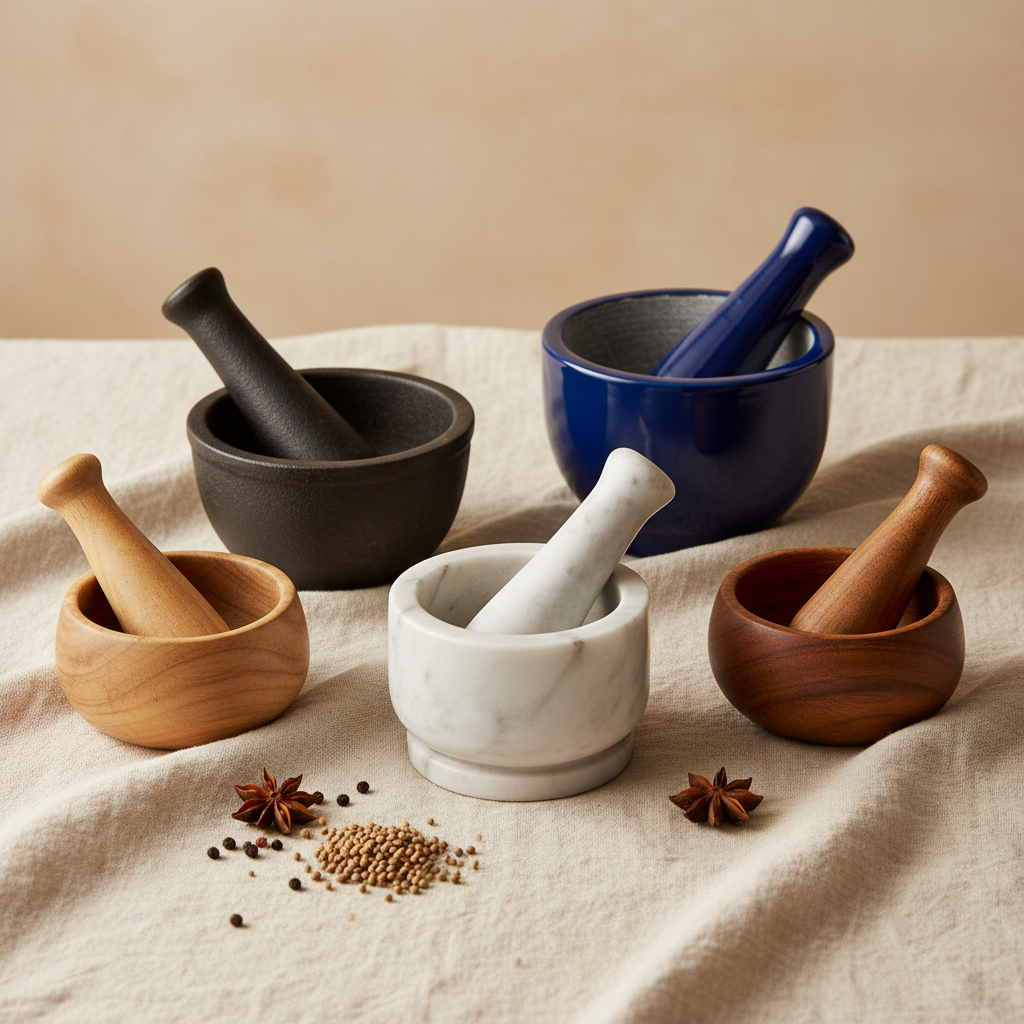
The market offers a wide variety of mortar and pestle sets, each with its own unique properties. These differences stem primarily from the materials used in their construction. Some common types include granite, marble, ceramic, wood, and stainless steel. Each material has advantages and disadvantages depending on the application.
Material-Specific Considerations:
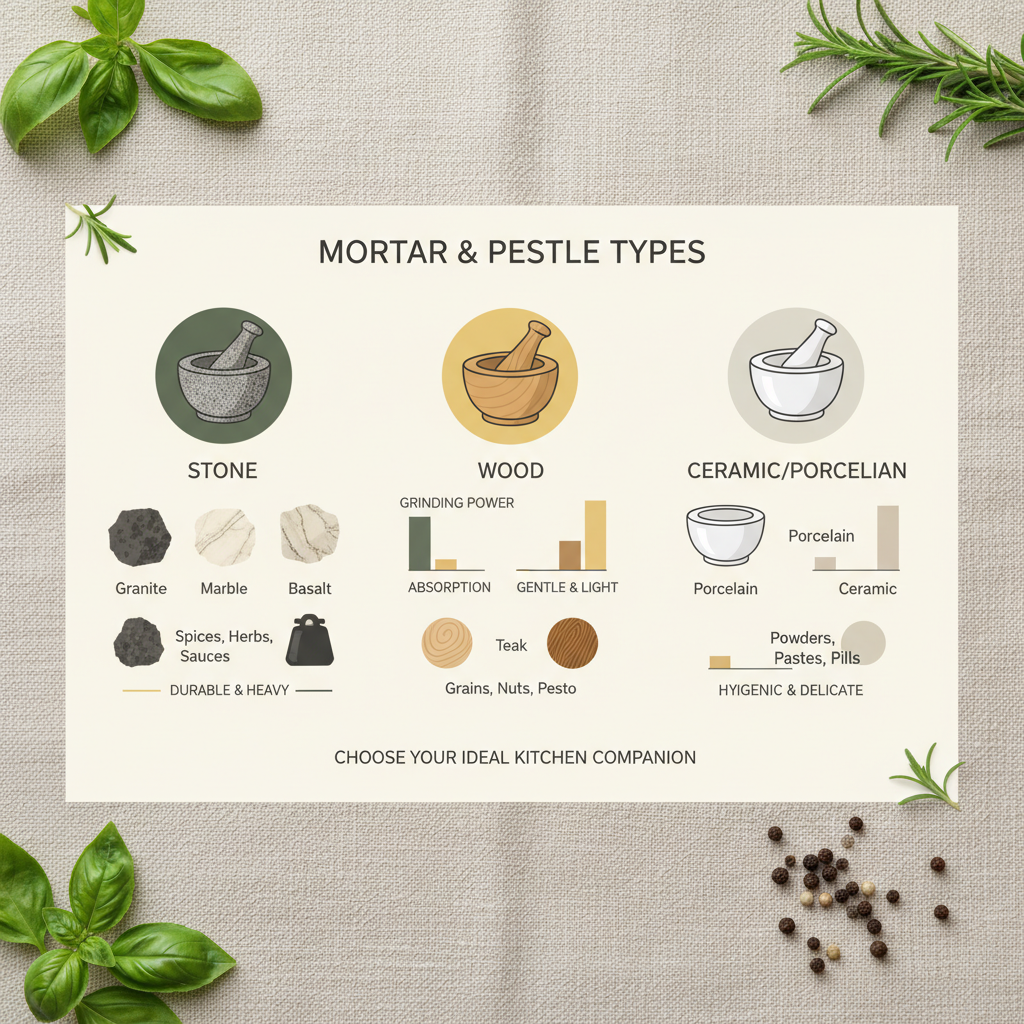
• Granite: Excellent for tough ingredients, durable, but porous.
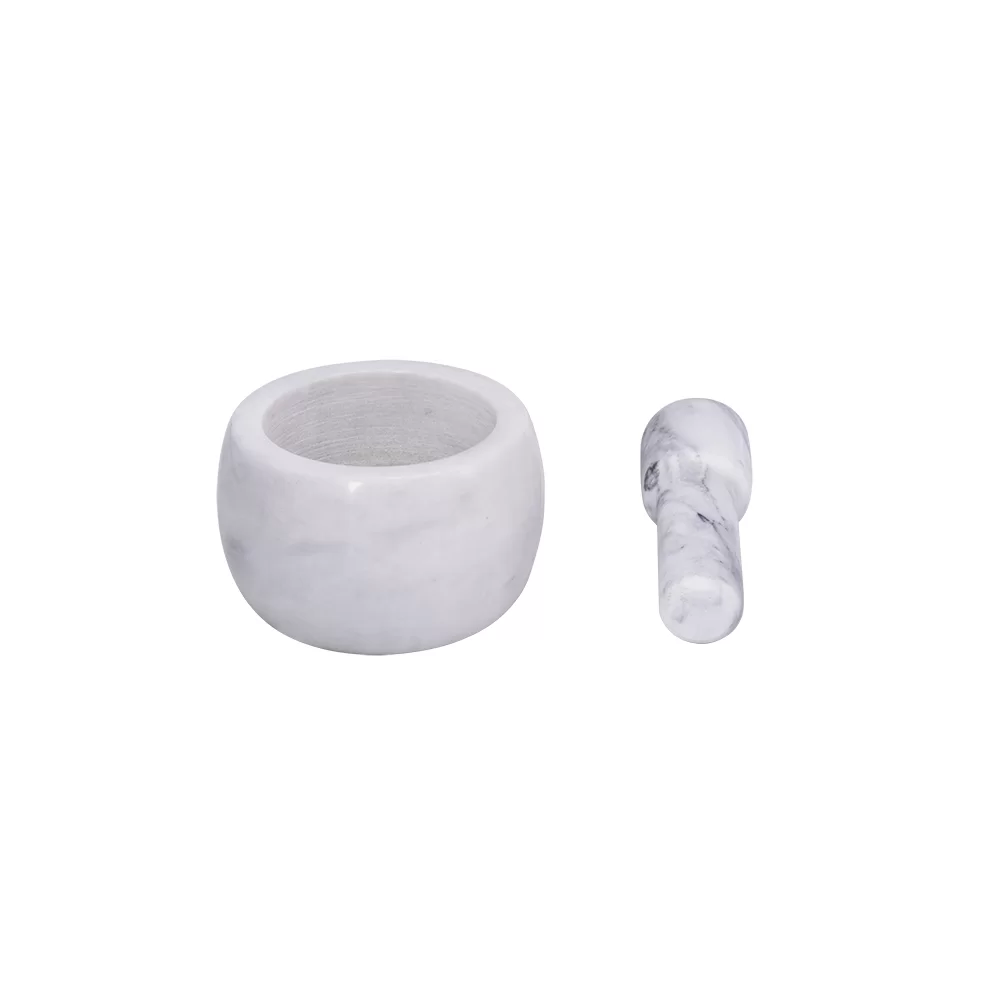
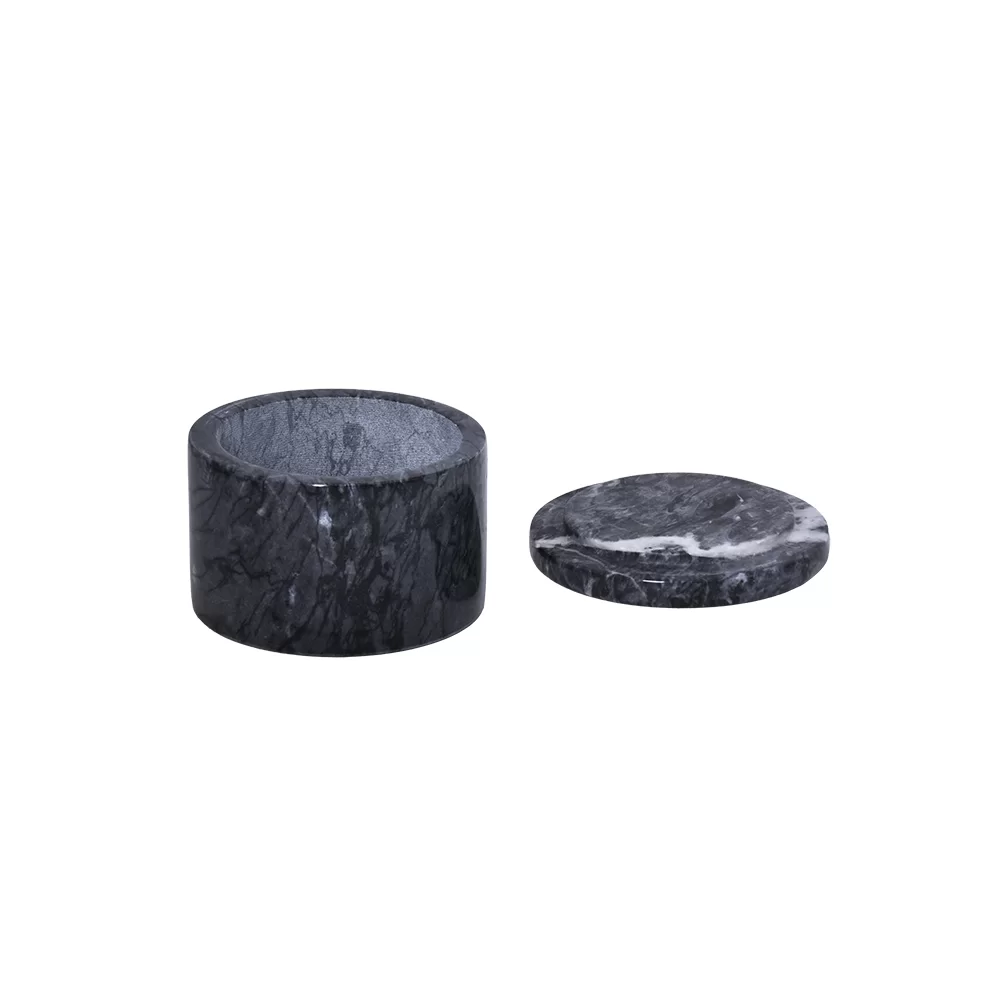
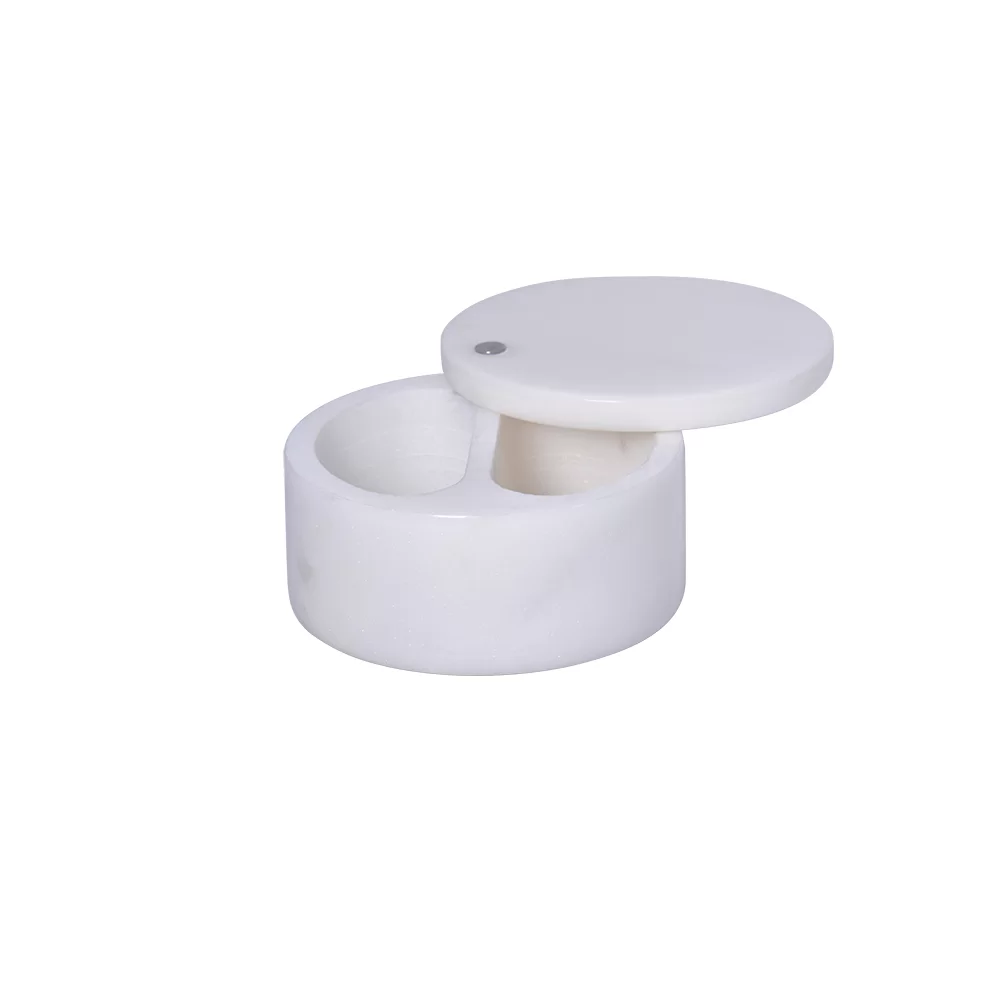
• Marble: Smooth texture, ideal for spices and pastes, but can chip easily.
• Ceramic: Affordable, available in various colors, but less durable than granite or marble.
• Wood: Traditional, good for dry ingredients, but absorbs flavors and requires careful cleaning.
• Stainless Steel: Hygienic, easy to clean, ideal for pharmaceuticals, but can be slippery.
Granite vs. Marble Mortar and Pestles: A Detailed Comparison
Granite and marble are two of the most popular materials for mortar and pestles. While both are natural stones, their properties differ significantly. Granite is a coarser-grained stone, making it perfect for grinding tougher ingredients like nuts, seeds, and dried herbs. Marble, on the other hand, is a finer-grained stone, resulting in a smoother grinding surface ideal for creating delicate spices blends, pastes, and powders. Choosing between the two depends on your primary use case.
Size and Shape Considerations When Choosing a Mortar and Pestle
The size and shape of your mortar and pestle also play a crucial role in its functionality. Larger mortars are suitable for processing larger quantities of ingredients, while smaller ones are better for individual servings or precise work. The shape of the mortar also matters. Deeper mortars are better for containing ingredients during vigorous grinding, while wider, shallower mortars provide more surface area for spreading and mixing. At Kingway Cookwares, we offer a range of sizes and shapes to suit every need.
Care and Maintenance for a Long-Lasting Mortar and Pestle
Proper care and maintenance are essential for extending the lifespan of your mortar and pestle. Avoid using abrasive cleaners, as they can scratch the surface. For porous materials like granite, occasional seasoning with oil can help prevent staining and flavor absorption. Always rinse thoroughly after each use and allow it to air dry. With proper care, a quality mortar and pestle can last for generations.
Conclusion: Choosing the Right Tool for Your Needs
Selecting the right mortar and pestle depends on your specific needs and preferences. Consider the ingredients you'll be grinding, the desired consistency, and your budget. Whether you're a seasoned chef, a herbalist, or simply enjoy cooking, a quality mortar and pestle is an invaluable addition to your kitchen. Explore the wide selection available at Kingway Cookwares to find the perfect one for you.
Frequently Asked Questions (FAQs)
What ingredients are best suited for a granite mortar and pestle?
Granite mortar and pestles excel at grinding tough, dry ingredients like whole spices (cumin, coriander, peppercorns), nuts, seeds, and dried herbs. The coarse texture efficiently breaks down these materials. However, avoid using them for delicate ingredients like fresh herbs or garlic, as the texture can bruise or mash them instead of releasing their flavors properly. For those, a marble or ceramic mortar and pestle is a better choice. Regular cleaning and seasoning with oil can help maintain the granite's effectiveness.
Can I use a wooden mortar and pestle for wet ingredients?
While you can use a wooden mortar and pestle for wet ingredients, it's not ideal. Wood is porous and will absorb flavors and liquids over time, potentially affecting the taste of future preparations. It also requires more diligent cleaning to prevent bacterial growth. If you do use it for wet ingredients, be sure to dry it thoroughly and occasionally treat it with food-grade mineral oil to maintain its integrity. For wet ingredients, marble, ceramic, or stainless steel are significantly better options.
How do I clean a marble mortar and pestle?
Cleaning a marble mortar and pestle is relatively simple. Avoid using abrasive cleaners, as they can scratch the surface. Warm water and a mild dish soap are sufficient. For stubborn residue, you can add a small amount of baking soda to create a gentle paste. Rinse thoroughly and allow to air dry. Avoid placing it in the dishwasher, as the high heat can cause cracking. Regular cleaning will help maintain its smooth surface and prevent flavor absorption.
Are stainless steel mortar and pestles suitable for medicinal herbs?
Yes, stainless steel mortar and pestles are an excellent choice for medicinal herbs. They are non-reactive, hygienic, and easy to sterilize, making them ideal for preparing herbal remedies. Unlike porous materials, stainless steel won't absorb flavors or contaminants, ensuring the purity of your preparations. They are also durable and resistant to corrosion.