Elevating your outdoor culinary experience requires more than just a heat source; it demands the right precision tools. High-quality bbq attachments transform a standard grill into a versatile outdoor kitchen, allowing chefs to experiment with searing, smoking, and roasting with professional-grade accuracy. By integrating specialized components, users can control heat distribution and flavor infusion more effectively.
From a global perspective, the demand for modular grilling solutions has surged as outdoor living spaces become an extension of the home. The shift toward gourmet outdoor dining has pushed manufacturers to innovate beyond basic grates, introducing bbq attachments that incorporate advanced metallurgy, such as seasoned cast iron and enamel coatings, to ensure durability and heat retention.
Understanding the nuances of these accessories is essential for anyone looking to optimize their cooking results. Whether it is a pizza stone for a crisp crust or a cast iron sear plate for a perfect steak, the right gear reduces cooking errors and enhances the overall sensory experience of the meal, making the investment in premium attachments a logical choice for the serious enthusiast.
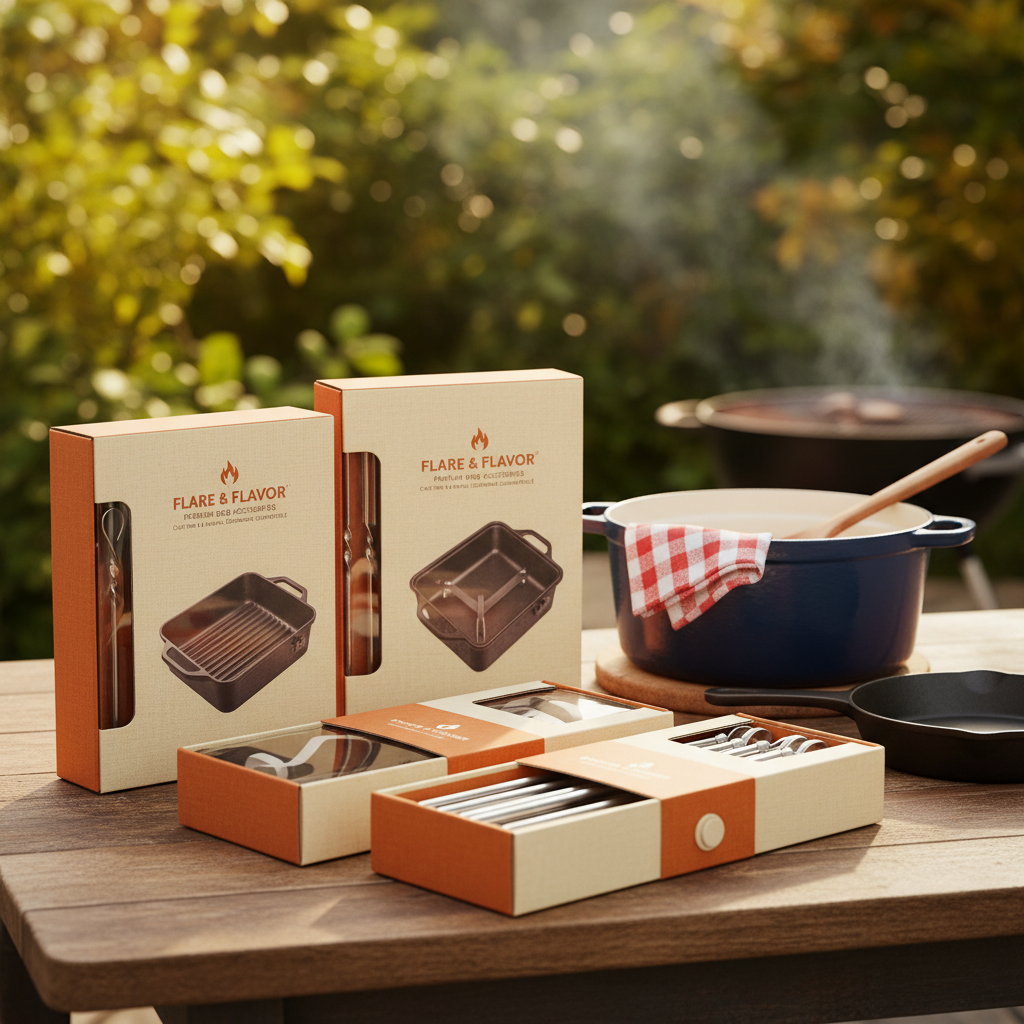
The Engineering Behind High-Performance BBQ Attachments
The core of effective bbq attachments lies in thermal conductivity and mass. Engineering these components requires a deep understanding of how metals like cast iron react to extreme temperatures. A well-designed attachment must distribute heat evenly to avoid "hot spots" that can burn food while leaving other areas undercooked, ensuring a consistent sear across the entire surface.
Beyond heat, structural integrity is paramount. These attachments must withstand repeated thermal expansion and contraction without warping or cracking. This is achieved through precise casting processes and controlled cooling, ensuring that the accessory remains flat and stable over years of heavy-duty use in diverse outdoor environments.
Essential Material Standards for Grilling Accessories
When selecting bbq attachments, the material is the most critical factor. Preseasoned cast iron remains the gold standard due to its unmatched heat retention and natural non-stick properties when properly maintained. This material allows for high-temperature searing that stainless steel often fails to replicate, making it indispensable for professional-style grilling.
Enamel coatings provide another layer of utility, offering a barrier against rust and making cleanup significantly easier. Enameled cast iron attachments combine the thermal mass of raw iron with the convenience of a non-reactive surface, which is particularly useful when cooking acidic foods like marinated meats or vegetable medleys that might react with raw iron.
Additionally, the integration of stone materials for specialized attachments, such as pizza stones, introduces the element of moisture absorption. This helps in drawing moisture away from the dough, resulting in a crispier base—a technical requirement that distinguishes high-end attachments from basic grill grates.
Versatility and Functionality in Modern BBQ Attachments
The modern culinary landscape demands versatility, and bbq attachments are designed to meet this need by allowing a single grill to perform multiple functions. From griddles for breakfast to roasting racks for slow-cooked brisket, these accessories expand the utility of the hardware.
Technical adaptability is key; many bbq attachments are now engineered with universal fitments or adjustable brackets. This ensures that users can upgrade their gear without needing to replace the entire grill unit, promoting a more sustainable approach to kitchenware consumption.
Furthermore, the synergy between different accessories—such as using a cast iron pan atop a grill grate—creates a tiered cooking zone. This allows the chef to manage different temperature gradients simultaneously, effectively turning a backyard grill into a multi-stage oven.
Performance Metrics of Various Attachment Types
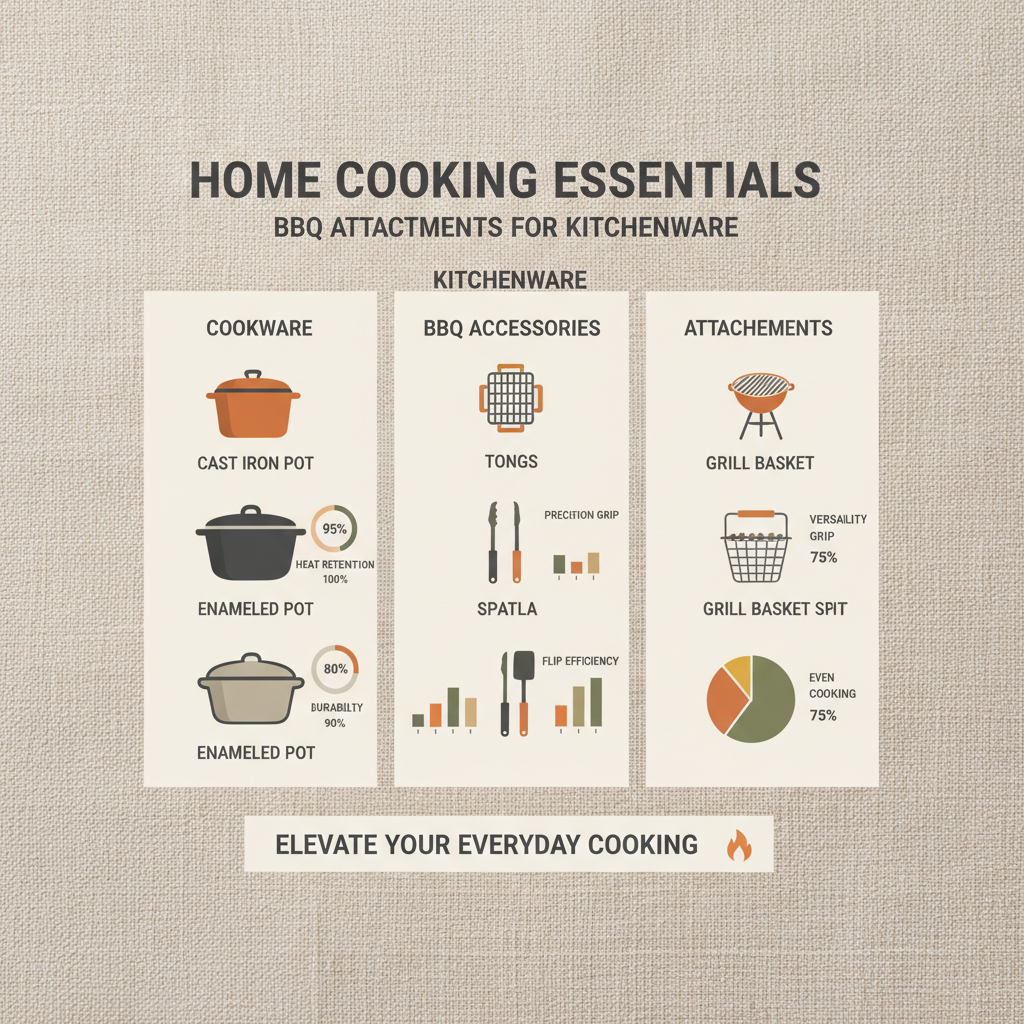
Evaluating the efficiency of bbq attachments involves analyzing heat retention, response time, and ease of maintenance. For instance, a heavy cast iron sear plate will take longer to heat up than a thin aluminum tray, but it will maintain a steady temperature far more effectively when cold proteins are added.
By quantifying these attributes, users can choose the right tool for the specific task. A high "heat stability" rating is essential for searing steaks, whereas a "rapid response" rating is more beneficial for quick-cooking vegetables or fish fillets.
Efficiency Analysis of Various BBQ Attachments
Global Application of Modular Grilling Systems
Across North America and Europe, the adoption of professional-grade bbq attachments has mirrored the rise of the "home chef" movement. In these regions, consumers prioritize durability and the ability to replicate restaurant-quality results, leading to a high demand for heavy-duty cast iron and enamel components.
In emerging markets, modular grilling systems are being utilized in commercial street-food sectors to increase efficiency. By using interchangeable bbq attachments, vendors can switch from grilling skewers to frying flatbreads on the same heat source, reducing the need for multiple expensive appliances and optimizing small operational spaces.
Long-Term Value and Sustainability of Cast Iron Gear
Investing in high-quality bbq attachments is a move toward sustainability. Unlike disposable aluminum trays or cheap non-stick pans that degrade over time, cast iron is virtually indestructible. When properly seasoned, it lasts for generations, drastically reducing the environmental footprint associated with replacing kitchenware.
The logical value proposition lies in the "cost-per-use" metric. While the initial investment in premium attachments may be higher, the absence of need for replacement makes them more economical over a ten-year period than mid-tier alternatives.
Beyond economics, there is an emotional trust built into these tools. The reliability of a heavy-duty attachment provides the cook with confidence, knowing that the tool will perform consistently regardless of the weather or the volume of food being prepared.
Maintenance and Optimization for Longevity
To maximize the lifespan of bbq attachments, a strict maintenance regimen is required. For cast iron, this involves the "clean, dry, oil" cycle. Removing food residue without harsh detergents and applying a thin layer of high-smoke-point oil prevents oxidation and enhances the natural polymer layer.
For enameled attachments, the focus shifts to avoiding thermal shock. Rapidly cooling a hot enamel pan with cold water can cause the glass-like coating to crack or "craze." Using lukewarm water and soft sponges ensures the surface remains intact and non-reactive.
Optimization also involves strategic storage. Keeping attachments in a dry environment and avoiding stacking them without protective barriers prevents scratches and surface rust, ensuring they are ready for the next grilling season.
Comparison of Maintenance Requirements for BBQ Attachments
|
Material Type
|
Cleaning Method
|
Primary Risk
|
Longevity Score (1-10)
|
| Raw Cast Iron |
Scrub & Oil Seasoning |
Surface Oxidation (Rust) |
10 |
| Enameled Iron |
Mild Soap & Sponge |
Thermal Shock Cracking |
9 |
| Ceramic Stone |
Dry Brush / Scraping |
Physical Fracture |
7 |
| Stainless Steel |
Degreaser / Soap |
Surface Pitting |
8 |
| Carbon Steel |
Oil Coating |
Rapid Corrosion |
8 |
| Aluminum Alloy |
Standard Dish Soap |
Warping at High Heat |
6 |
FAQS
Compatibility depends on the grill's dimensions and the attachment's mounting system. Most premium accessories are designed with universal fits or specific brand adaptations. Always check the diameter of your grill grates or the depth of your firebox. For cast iron plates, ensure the weight of the attachment is supported by your grill's structure to avoid sagging or damage to the primary grates.
No, enameled cast iron does not require seasoning. The enamel is a glass-like coating that is naturally non-reactive and non-stick. However, for raw cast iron attachments, seasoning is mandatory to create a carbonized layer of oil that prevents rust and provides a smooth cooking surface. This process involves heating oil on the surface until it bonds with the metal.
It is not recommended. Pizza stones are designed for heat absorption and moisture removal, not for high-temperature conductive searing. Using a stone for steaks may not provide the Maillard reaction (browning) needed for a great crust and could lead to the stone cracking due to the excessive fat and grease released by the meat. Use a dedicated cast iron sear plate for proteins.
High-quality cast iron and enamel attachments can last a lifetime if maintained. You only need to replace them if they suffer catastrophic failure, such as a deep crack in a stone or significant warping in a metal plate. Regularly inspecting for rust or enamel chipping is key, but with proper care, these tools are designed for multi-generational use.
It depends on the portable grill's load capacity. Many lightweight camping grills are not designed to hold the weight of a heavy cast iron griddle. Check your grill's manual for maximum weight limits. If the grill feels unstable, consider using lighter carbon steel alternatives that still offer good heat retention without the extreme weight of cast iron.
The best method is to reheat the attachment on the grill or stove, then use a metal spatula or a chainmail scrubber to gently lift the residue. For stubborn burns, a paste of coarse salt and a small amount of oil can act as a natural abrasive without stripping the seasoning. Avoid using steel wool or harsh chemical cleaners that destroy the polymerized oil layer.
Conclusion
In summary, the strategic use of bbq attachments allows any outdoor cook to transcend basic grilling and enter the realm of professional culinary art. By focusing on materials like preseasoned cast iron and enamel, and understanding the technical relationship between heat mass and surface stability, users can achieve consistent, high-quality results across a vast array of dishes. The combination of durability, versatility, and sustainability makes these accessories a cornerstone of the modern outdoor kitchen.
Looking forward, the industry is moving toward even more specialized, energy-efficient modular systems that integrate with smart-grill technology. We suggest that enthusiasts start with a core set of heavy-duty cast iron tools and gradually expand their collection based on their cooking preferences. Investing in quality today ensures a lifetime of culinary exploration and reliability. Explore our professional range and upgrade your gear at: www.kingwaycookwares.com