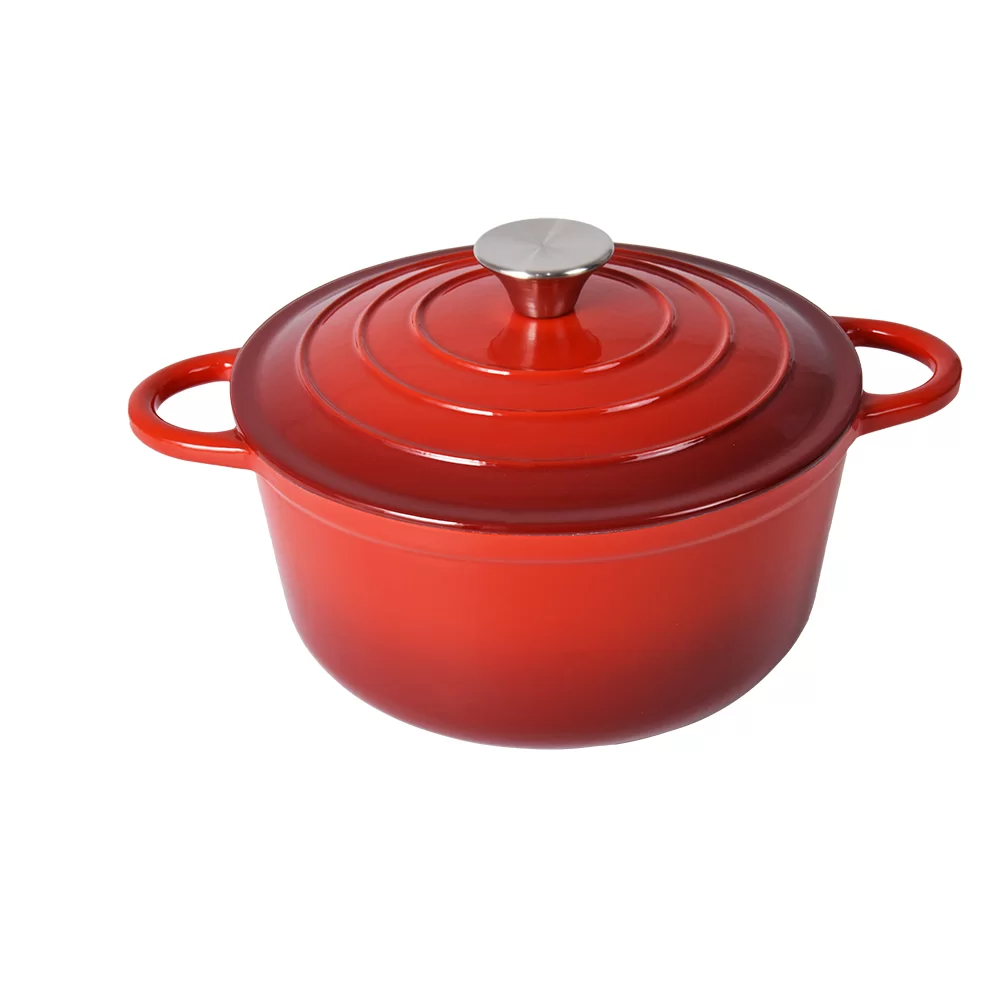
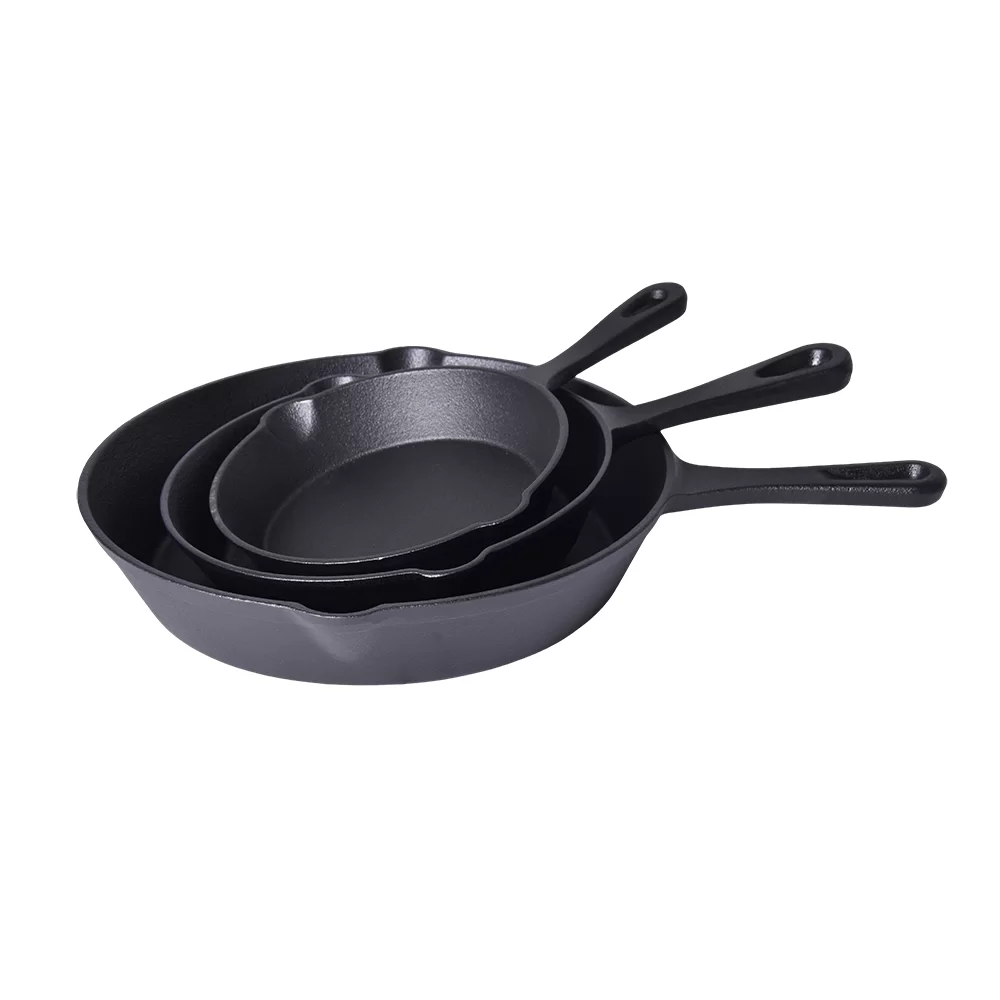
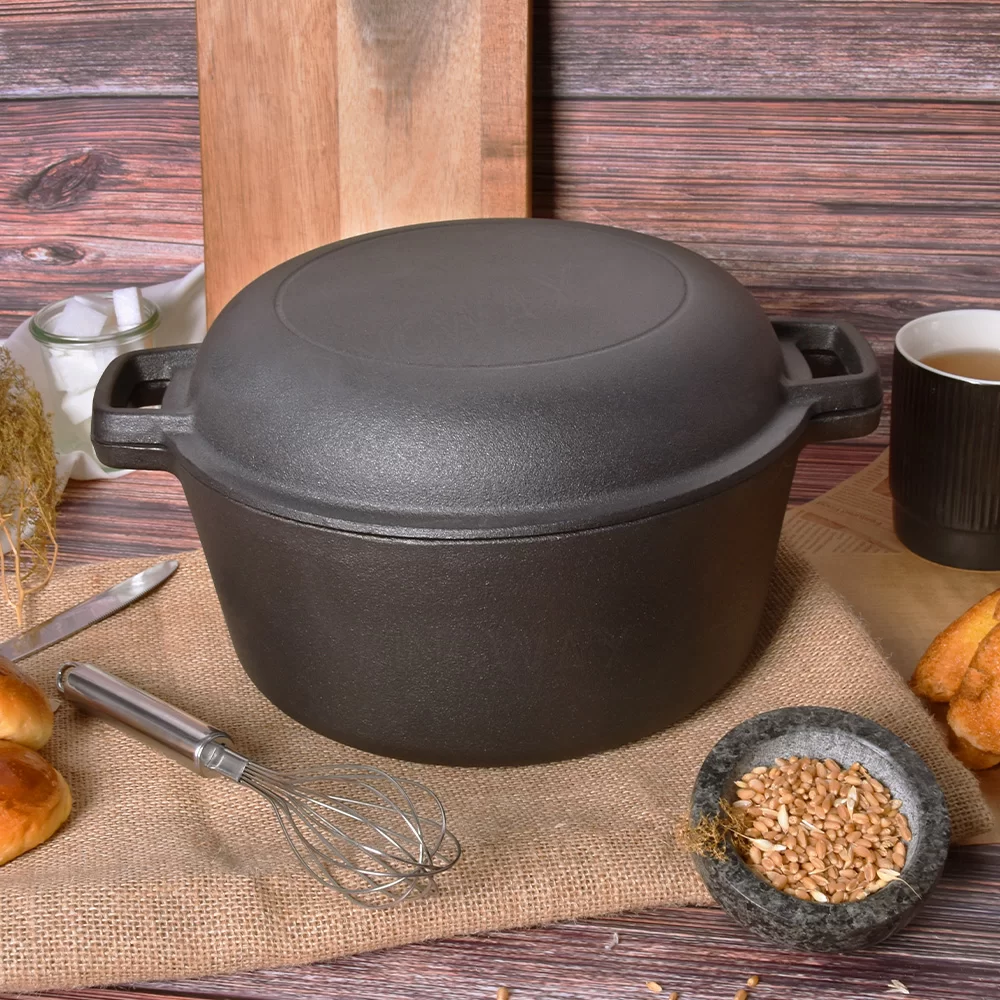
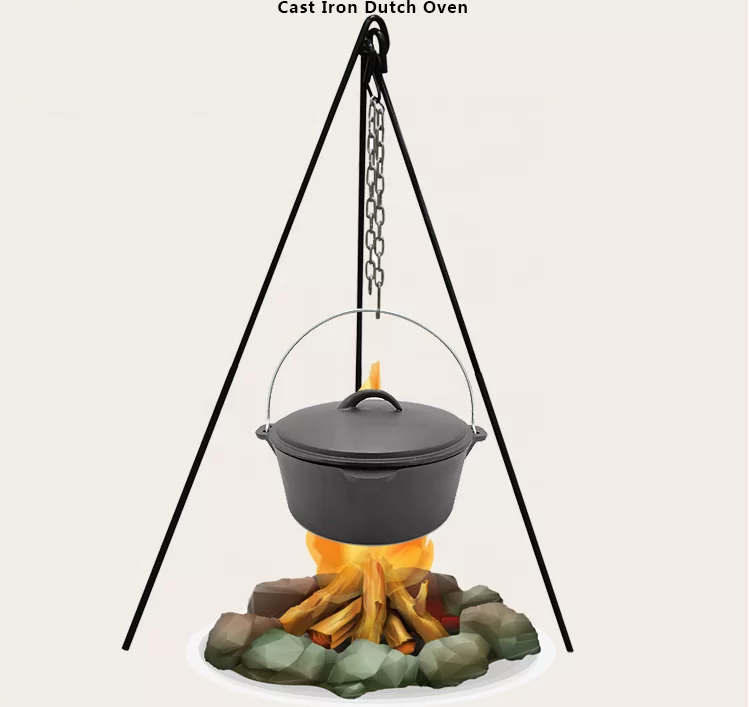
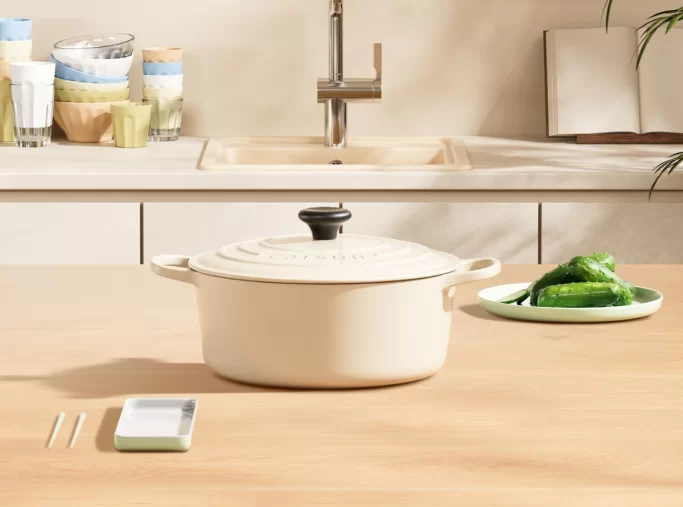
The question of whether enameled cast iron is "better" than traditional cast iron is not a matter of objective superiority but rather of application and personal preference. Each type of cookware excels in different areas due to its fundamental construction.Enameled cast iron features a cast iron core that is coated in a layer of hardened, glass-like enamel. This design offers significant advantages. Primarily, it is completely non-reactive, meaning you can cook highly acidic foods like tomatoes, wine-based sauces, or citrus dishes without any risk of metallic flavor transfer or damage to the pan's surface. It is also naturally non-stick without the need for a seasoning layer, making it easier to clean and maintain. Furthermore, it is available in a variety of colors, adding an aesthetic appeal to your kitchen. However, these benefits come with trade-offs. Enameled cookware is generally more expensive, can be chipped if struck against a hard surface, and should not be heated empty at very high temperatures as thermal shock can damage the enamel.Traditional cast iron, on the other hand, is a single piece of seasoned iron. Its greatest strength is its unparalleled durability and ability to withstand extremely high heat, making it ideal for searing meats and outdoor cooking. When properly seasoned, it develops a natural, non-stick patina that improves over time. It is also exceptionally versatile, going seamlessly from the stovetop to the oven and even to a campfire. The maintenance, which involves seasoning with oil, is considered a ritual by many enthusiasts but a chore by others. Its primary drawbacks are its reactivity with acidic foods and its heavier weight.In conclusion, neither is universally better. Enameled cast iron is superior for slow-cooking, acidic dishes, and easy maintenance, while traditional cast iron is unmatched for high-heat searing, longevity, and versatility in extreme cooking environments. The best choice depends entirely on your cooking style and values.