Exploring Different Types of Mortar and Pestle for Optimal Results
Different Types of Mortar and Pestle
The mortar and pestle is an ancient tool used for crushing, grinding, and mixing substances. From culinary arts to pharmaceutical compounding, this simple device remains essential in countless applications. Understanding the different types of mortar and pestle available – their materials, sizes, and ideal uses – is crucial for achieving optimal results. This article will explore the most common types, their unique properties, and how to choose the right one for your needs.
The Classic Granite Mortar and Pestle
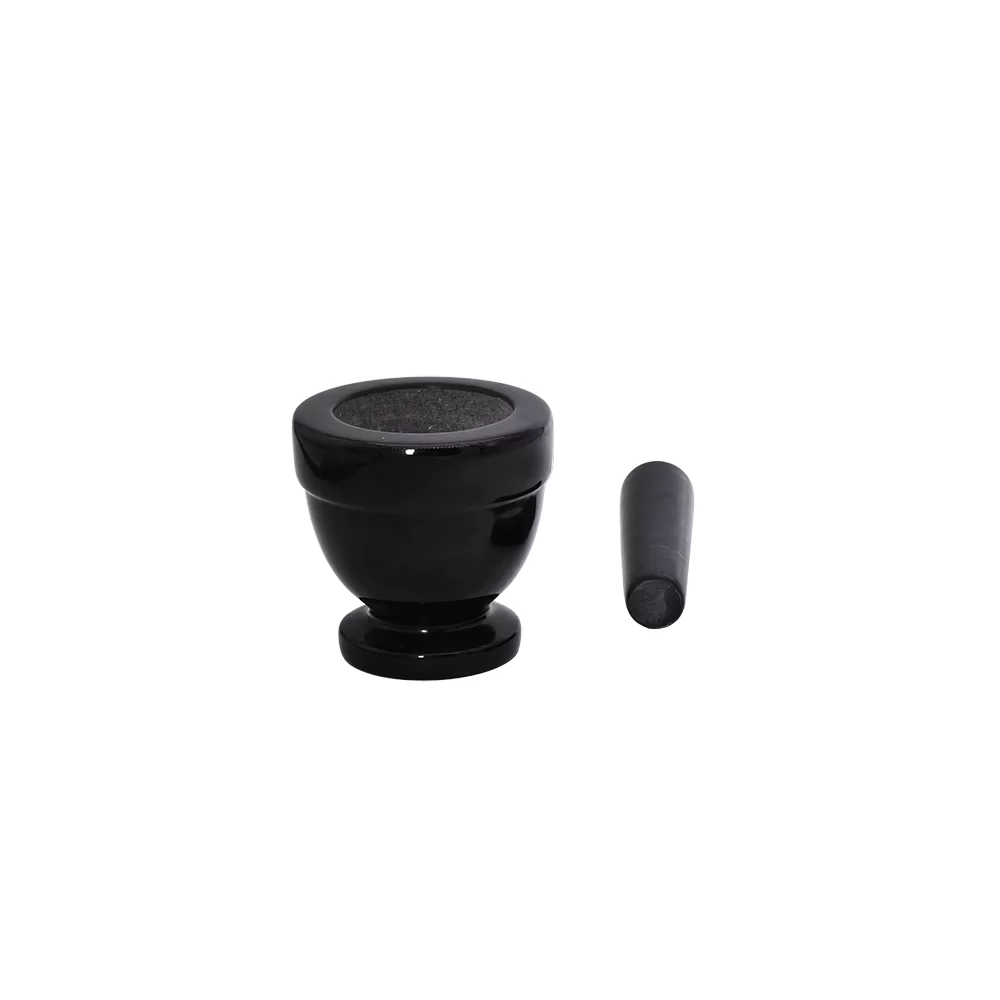
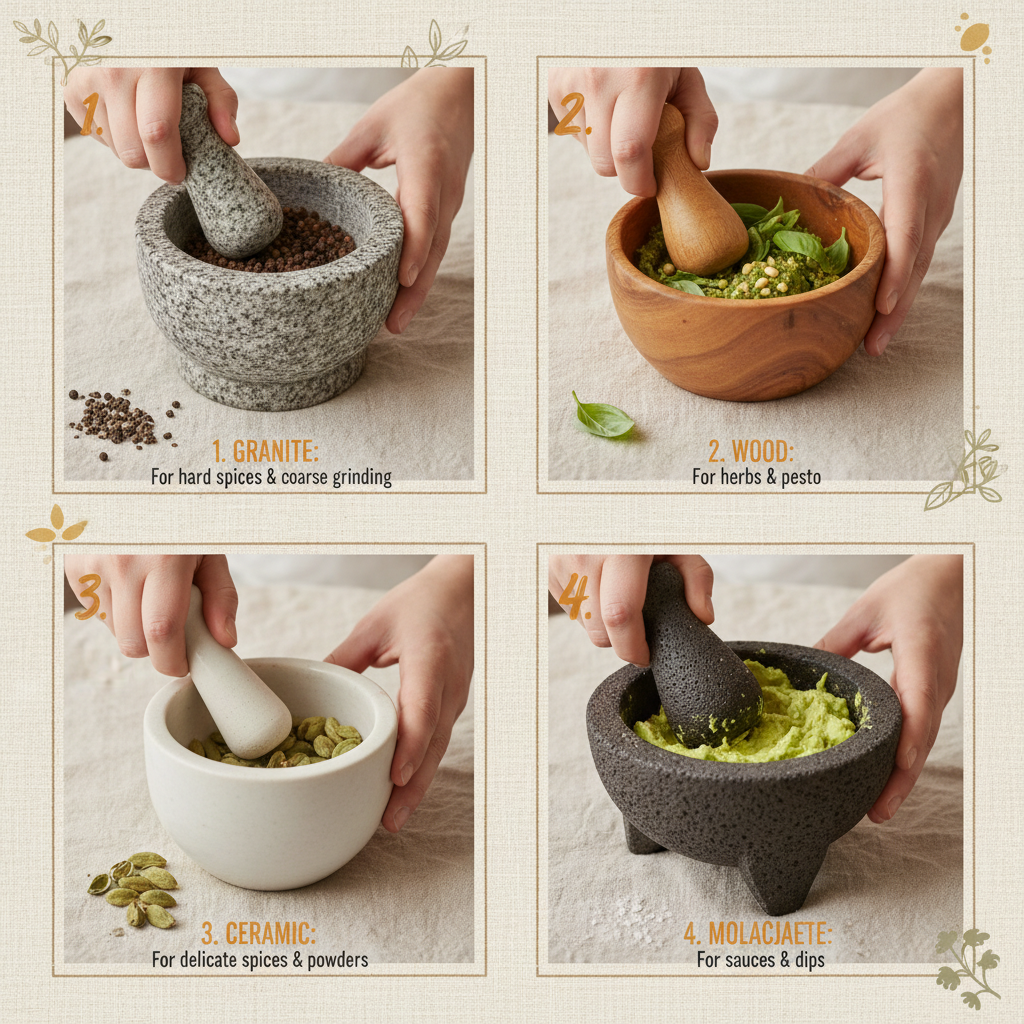
Granite mortar and pestles are arguably the most popular choice, especially for serious cooks and pharmacists. This is due to their exceptional hardness, durability, and ability to withstand frequent use. The coarse texture of granite provides a natural grinding surface, effectively breaking down tough ingredients like spices, herbs, and nuts. However, granite is also relatively porous, meaning it can absorb flavors over time, which could be a benefit or drawback depending on your usage. Regular cleaning and seasoning can help manage this. These are a staple for professional kitchens and home chefs alike.
Marble Mortar and Pestle: A Sleek and Polished Option
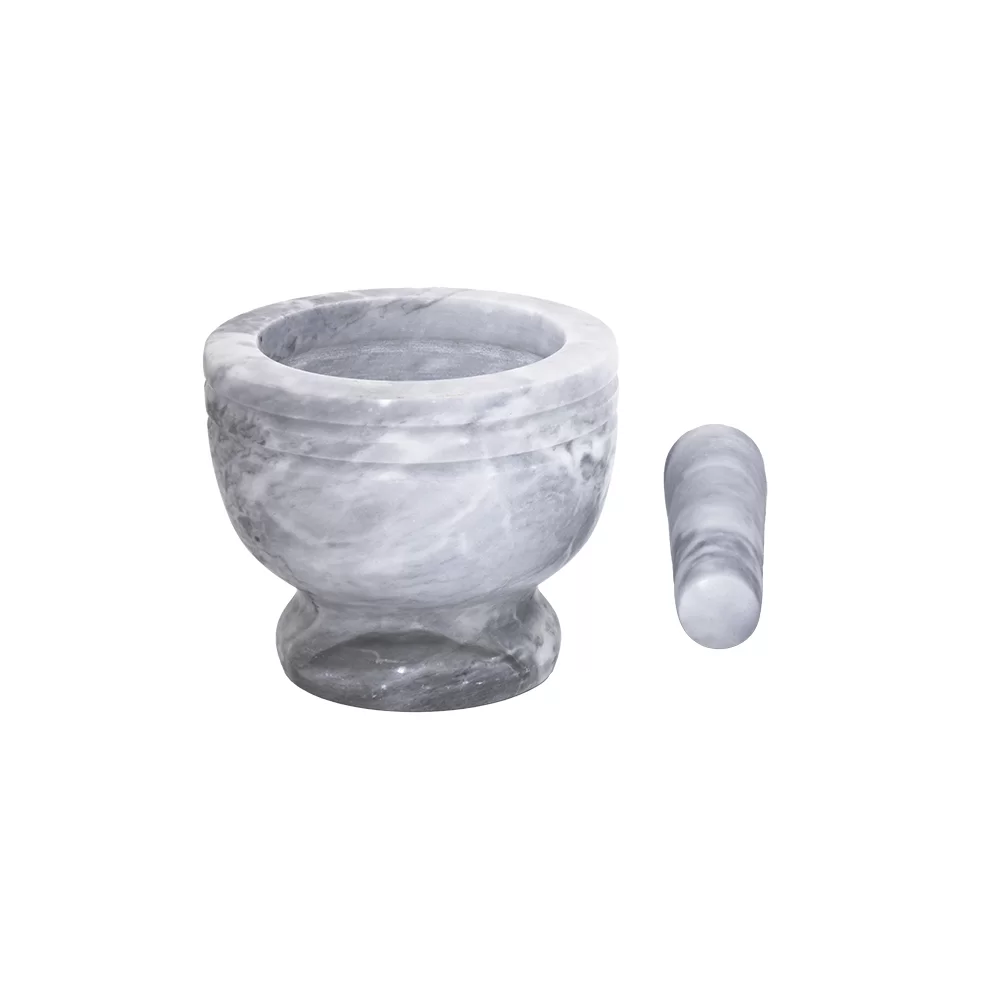
Marble mortar and pestles offer a more refined and aesthetically pleasing alternative to granite. They are known for their smooth, polished surfaces, which are easier to clean and less likely to absorb flavors. However, marble is softer than granite, making it less suitable for grinding very hard or fibrous materials. It’s an excellent choice for creating delicate pastes, grinding spices for small batches, or preparing cosmetics. The beautiful appearance of marble also makes it a popular decorative item.
Porcelain Mortar and Pestle: Versatility and Ease of Cleaning
Porcelain mortar and pestles are prized for their non-porous surface, making them incredibly easy to clean and preventing flavor absorption. They are relatively hard and durable, capable of grinding a variety of ingredients. Porcelain is an excellent option for culinary use, especially when working with delicate flavors and aromas. They are also commonly used in laboratories for preparing small-scale samples. Their smooth interior makes it easy to get a consistent grind.
Key Highlights: Porcelain's non-porous nature prevents flavor absorption and simplifies cleaning. Its durability makes it suitable for a wide range of grinding tasks.
Wood Mortar and Pestle: Traditional and Gentle
Traditionally, wood mortar and pestles were used in many cultures for grinding spices and herbs. While not as hard as stone or porcelain, they offer a gentle grinding action, ideal for delicate ingredients. Wood absorbs flavors over time, adding a unique character to your creations. However, they require more careful cleaning and maintenance to prevent bacterial growth. Wooden mortars and pestles are often preferred for their connection to traditional cooking practices.
Comparing Mortar and Pestle Materials
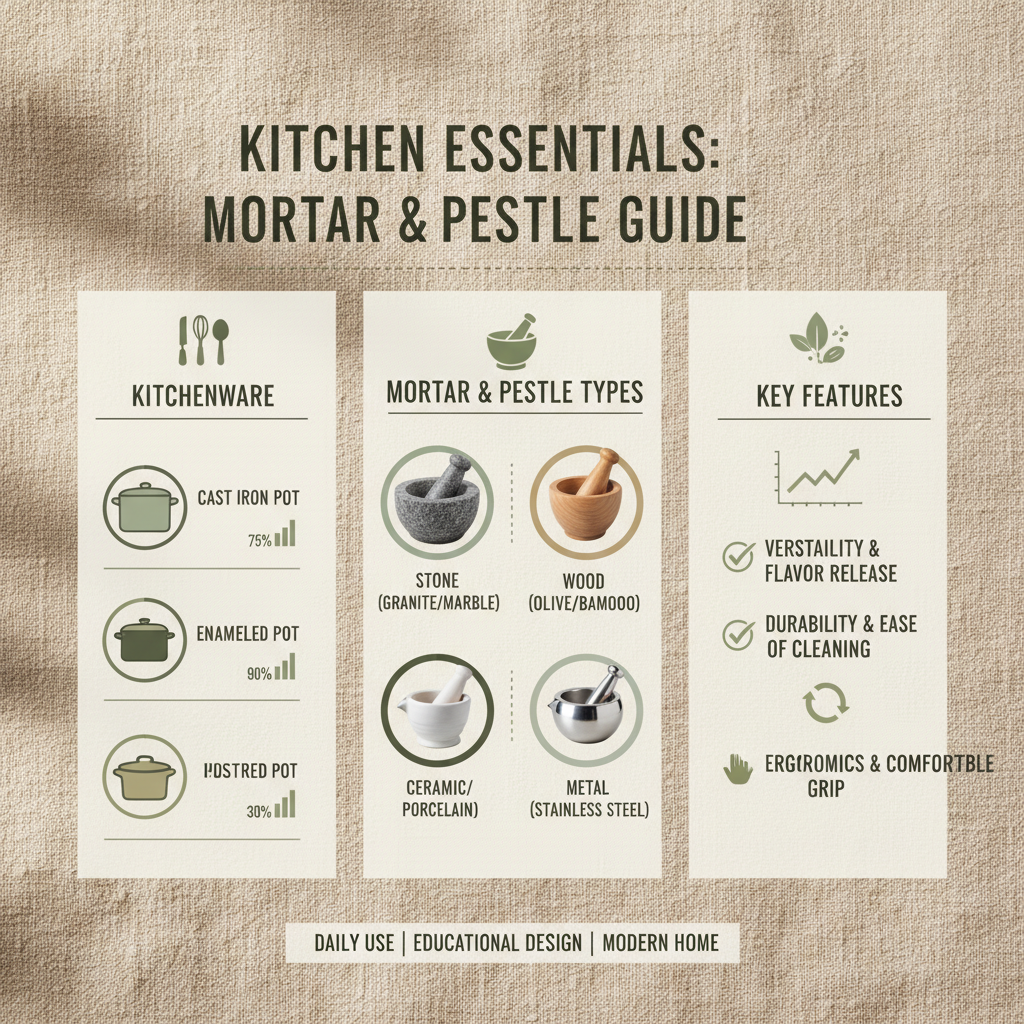
Choosing the right mortar and pestle depends on your specific needs. Here's a comparison of the most common materials:
Choosing the Right Size
The size of your mortar and pestle should match the quantity of ingredients you typically grind. Smaller mortars (around 6 inches in diameter) are suitable for grinding single servings of spices or herbs. Larger mortars (8 inches or more) are better for preparing larger batches or working with tougher materials. Consider the depth of the mortar as well; a deeper bowl prevents ingredients from spilling over while grinding. Check out the beautiful and durable selection at Kingway Cookwares to find the perfect size for your kitchen.
Conclusion: Finding Your Perfect Grind
The best mortar and pestle for you depends on your individual needs and preferences. Consider the materials, size, and intended use when making your selection. Whether you're a professional chef, a home cook, or a pharmaceutical professional, the right mortar and pestle will elevate your work and unlock a world of flavor and precision. Don't settle for less – choose quality and enjoy the art of grinding.
Frequently Asked Questions (FAQs)
How do I clean a granite mortar and pestle?
Granite mortar and pestles should be cleaned with warm water and a mild dish soap. Avoid abrasive cleaners, as they can scratch the surface. For stubborn residue, you can use a soft brush or a paste of baking soda and water. Rinse thoroughly and allow to air dry. Seasoning with a small amount of neutral oil can help maintain the surface and prevent flavor absorption. Avoid putting granite in the dishwasher.
Can I use a mortar and pestle to make pesto?
Absolutely! A mortar and pestle is the traditional way to make pesto, and it yields a superior result compared to a food processor. The gentle grinding action releases the oils in the basil, creating a vibrant and flavorful pesto. Granite or porcelain mortars are ideal for this purpose. The slower process results in a smoother, more emulsified pesto with a brighter flavor.
What’s the difference between grinding and pounding with a mortar and pestle?
Grinding involves a circular motion to break down ingredients into smaller particles, creating a smooth powder or paste. Pounding uses a more forceful, up-and-down motion to crush ingredients. Different techniques are suited for different ingredients. Spices and herbs are typically ground, while tougher ingredients like nuts or seeds may require a combination of both grinding and pounding. Mastering both techniques will allow you to achieve the desired texture for any recipe.
Is it better to have a shallow or deep mortar?
A deeper mortar is generally more versatile. The higher sides prevent ingredients from spilling out during vigorous grinding or pounding. Shallower mortars are useful for quickly crushing smaller amounts of ingredients, but they are less practical for larger tasks. Consider the types of recipes you’ll be making most often when choosing the depth of your mortar.