The art of outdoor cooking relies heavily on the precision of heat management and the quality of the tools used. A high-quality bbq charcoal grate and ash tray serves as the fundamental backbone of any charcoal grill, ensuring that fuel is held securely while allowing oxygen to flow freely for a consistent burn. Without these critical components, achieving the perfect sear or a slow, smoky roast becomes a matter of luck rather than skill.
Globally, the shift toward premium outdoor living has increased the demand for durable, industrial-grade grilling accessories. The interaction between a sturdy charcoal grate and an efficient ash tray directly impacts the lifespan of the grill body and the safety of the user. By effectively separating the burning embers from the accumulated waste, these components prevent hazardous flare-ups and simplify the cleanup process, making professional-grade grilling accessible to home enthusiasts.
Understanding the technical specifications of a bbq charcoal grate and ash tray allows consumers and manufacturers to prioritize materials that withstand extreme thermal expansion and oxidation. From heavy-duty cast iron to chrome-plated steel, the choice of material dictates how well the grate maintains its structural integrity over hundreds of heating cycles. This guide explores the intricacies of these components to help you optimize your grilling performance and safety.
Global Relevance and Industry Context of Grilling Hardware
In the modern global market, the outdoor cooking industry has evolved from simple utility to a sophisticated lifestyle sector. The bbq charcoal grate and ash tray is no longer seen as a mere accessory but as a critical engineering component. With the rise of international standards such as ISO for metal heat treatment, manufacturers are now focusing on high-carbon steel and cast-iron alloys to meet the rigorous demands of frequent high-temperature usage.
The primary challenge facing the industry is the battle against oxidation and thermal warping. In humid coastal regions or extreme continental climates, standard grates often succumb to rust within a single season. This has led to a global shift toward enamel coatings and preseasoned cast iron, ensuring that the fuel-holding capacity of the grate remains optimal while the ash tray prevents corrosive residues from eating through the grill's chassis.
Defining the Technical Role of the Grate and Tray
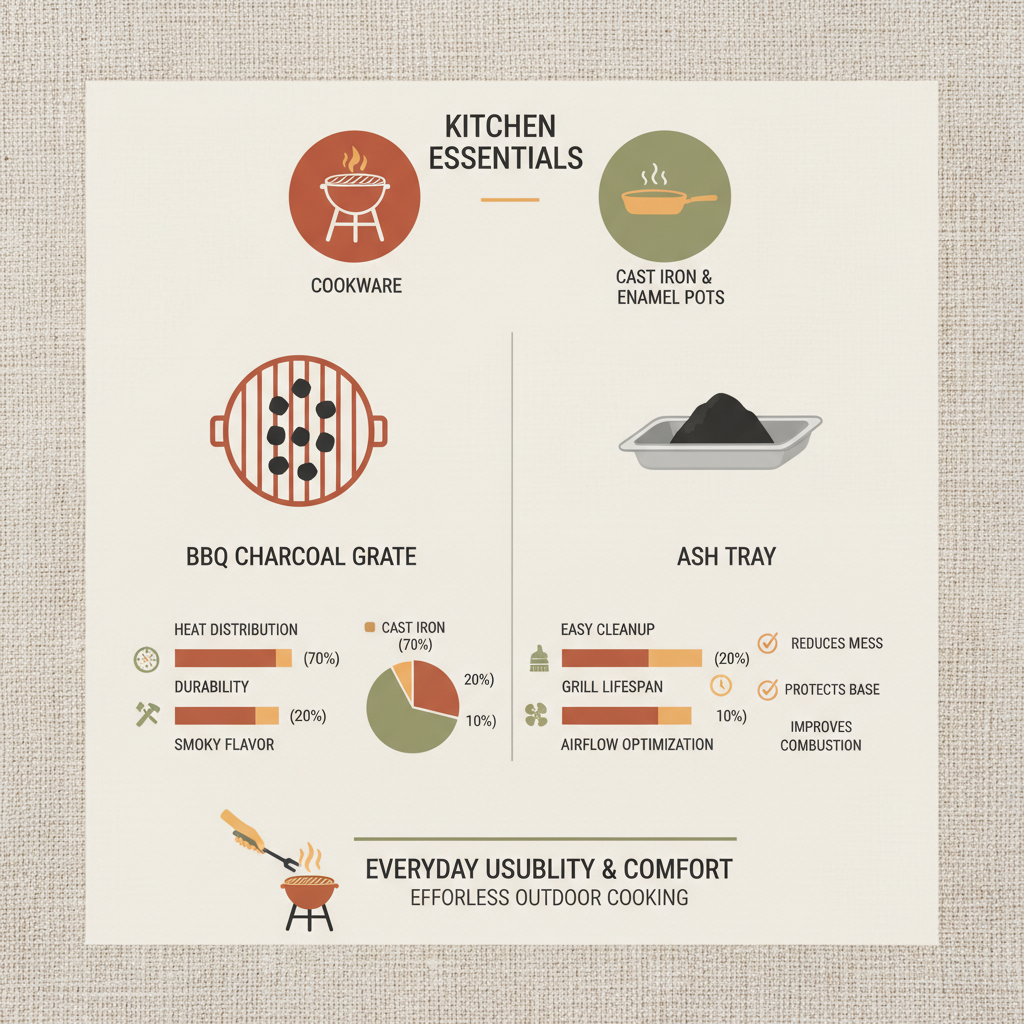
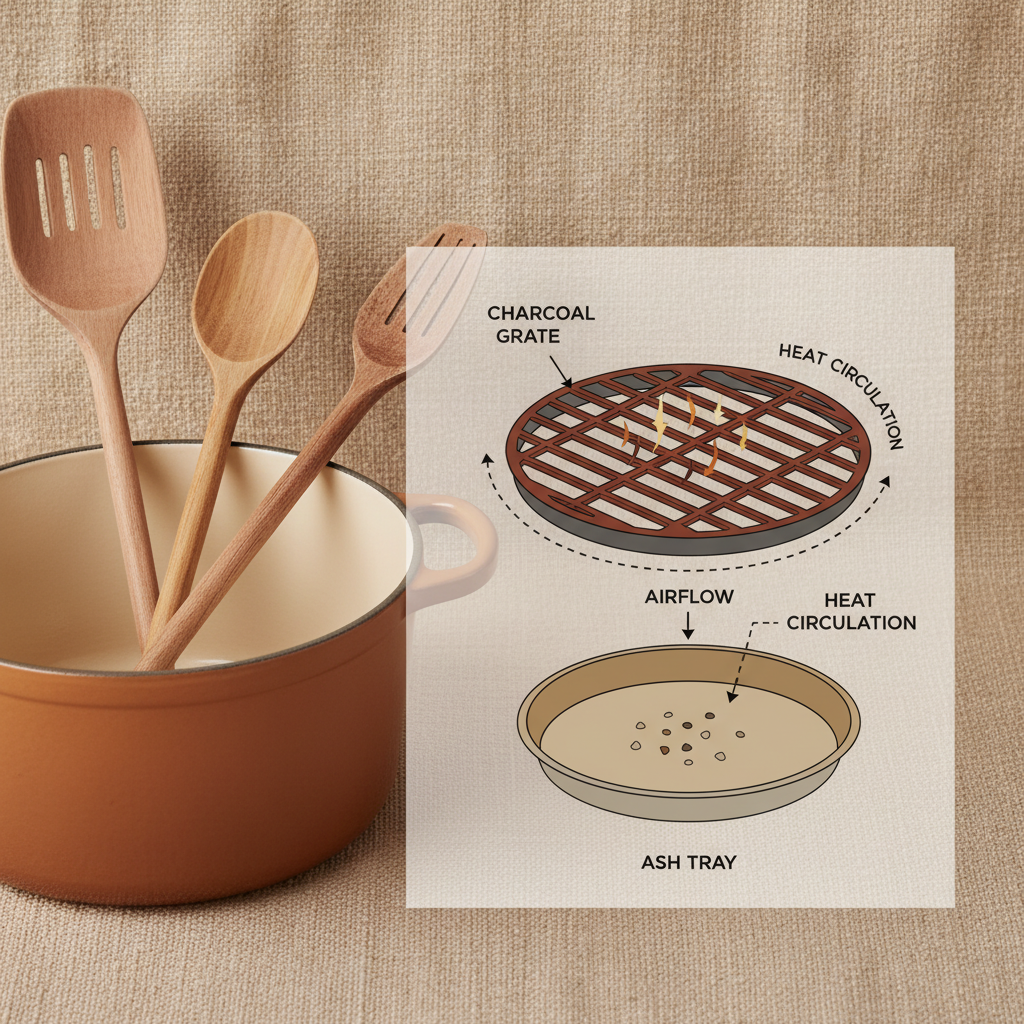
At its most basic level, a bbq charcoal grate and ash tray system is a two-stage filtration and support mechanism. The grate acts as the primary stage, holding the charcoal briquettes or lump charcoal in a suspended position. This elevation is crucial because it creates a plenum—a space where air can enter from beneath the fuel, fueling the combustion process through natural convection.
The ash tray serves as the secondary stage, designed to capture the non-combustible mineral residue left over after the charcoal has burned. Without a dedicated tray, ash would accumulate directly on the grate, choking the airflow and effectively extinguishing the fire. By separating the "clean" combustion zone from the "waste" zone, the ash tray maintains the oxygen-to-fuel ratio necessary for high-heat searing.
In the context of modern industrial manufacturing, these components are engineered to bridge the gap between traditional fire-pit cooking and precise temperature control. Whether used in a high-end ceramic kamado or a classic kettle grill, the synergy between the grate's airflow design and the tray's collection capacity defines the overall efficiency of the cooking appliance.
Core Components for Maximum Thermal Efficiency
Durability is the foremost factor when analyzing a bbq charcoal grate and ash tray. The materials must endure repeated cycles of heating to 700°C and subsequent cooling without cracking or losing shape. High-grade cast iron is often preferred for its thermal mass, which helps distribute heat evenly across the charcoal bed, preventing "hot spots" that can burn food prematurely.
Airflow optimization is the second critical aspect. The spacing of the bars on the charcoal grate must be wide enough to prevent ash from clogging the gaps but narrow enough to prevent charcoal pieces from falling through. A well-engineered bbq charcoal grate and ash tray system utilizes a perforated or slotted design to maximize the Venturi effect, pulling oxygen into the heart of the fire.
Finally, ease of maintenance and scalability are essential for commercial applications. Removable ash trays with handles allow for quick disposal of waste, reducing the downtime between cooking sessions. When these components are scalable—designed to fit various grill sizes—they provide versatility for catering businesses and outdoor event organizers who require consistent performance across multiple units.
Performance Metrics for Different Grate Materials
Choosing the right material for a bbq charcoal grate and ash tray involves balancing weight, cost, and heat retention. While stainless steel offers superior rust resistance, cast iron provides the heavy-duty stability required for professional pits. Each material responds differently to the aggressive environment of a charcoal fire, affecting the overall cooking experience.
To quantify these differences, we evaluate materials based on their ability to maintain structural integrity under load and their resistance to corrosive ash residues. The following data reflects how various material compositions perform in real-world stress tests.
Comparative Efficiency of BBQ Charcoal Grate and Ash Tray Materials
Global Applications in Residential and Commercial Sectors
In residential settings, the bbq charcoal grate and ash tray is designed for user-friendliness and aesthetic integration. Homeowners prioritize "easy-clean" features, such as non-stick coatings on the ash tray and lightweight but sturdy grates that can be easily lifted for scrubbing. In North American and European markets, there is a significant trend toward modular systems where these components can be swapped based on the cooking method (e.g., direct vs. indirect heat).
Conversely, in the commercial sector—such as street food markets in Southeast Asia or professional BBQ pits in Texas—the requirements shift toward extreme durability. These environments utilize heavy-gauge steel bbq charcoal grate and ash tray combinations that can operate for 12-16 hours straight. In these high-volume scenarios, the ash tray's capacity is enlarged to minimize the frequency of emptying, ensuring the flow of service is not interrupted.
Long-Term Value and Sustainability Benefits
Investing in a high-quality bbq charcoal grate and ash tray provides tangible long-term economic value. Cheap, thin-walled grates often warp or rust through within a year, forcing the consumer to replace the entire unit. In contrast, a cast-iron or high-grade stainless steel system can last decades with proper seasoning and care, reducing the amount of metal waste entering landfills.
Beyond cost, there is a significant safety and sustainability angle. An efficient ash tray prevents hot embers from falling onto decks, grass, or concrete, significantly reducing the risk of accidental fires. Moreover, by optimizing the airflow via the grate, users can achieve the same cooking results with less charcoal, thereby reducing the overall carbon footprint and fuel consumption per meal.
The emotional value of these tools also cannot be overlooked. For many, the ritual of maintaining a seasoned grate is part of the culinary tradition. The trust that a heavy-duty bbq charcoal grate and ash tray provides—knowing it will not collapse under a heavy brisket or leak ash into the surroundings—allows the cook to focus on the art of the meal rather than the failure of the equipment.
Future Innovations in Heat-Resistant Materials
The future of the bbq charcoal grate and ash tray lies in the intersection of material science and digital precision. We are seeing the emergence of ceramic-coated metals that offer the heat retention of cast iron with the rust-proof properties of glass. These "hybrid" materials prevent the oxidation commonly associated with charcoal ash, which is naturally alkaline and corrosive to bare metals.
Automation is also beginning to influence the design. Some high-end commercial prototypes now feature automated ash removal systems, utilizing motorized trays that slide out of the grill body without requiring the user to open the lid and lose heat. This integration of mechanical engineering into basic grilling hardware is transforming the efficiency of large-scale outdoor catering.
Furthermore, the push toward "Green BBQ" is driving the development of grates optimized for biomass briquettes and sustainable coconut shell charcoal. These fuels have different combustion temperatures and ash densities, requiring a bbq charcoal grate and ash tray with specifically engineered porosity to maintain the same heat output as traditional hardwood charcoal.
Comparison of BBQ Hardware Material Performance and Longevity
| Material Type |
Heat Retention Score |
Corrosion Resistance |
Expected Lifespan |
| Heavy Cast Iron |
10/10 |
Low (Requires Seasoning) |
20+ Years |
| 304 Stainless Steel |
6/10 |
Excellent |
15+ Years |
| Porcelain Enamel |
8/10 |
High |
10 Years |
| Chrome-Plated Steel |
5/10 |
Medium |
3-5 Years |
| Galvanized Steel |
4/10 |
Medium-Low |
2-4 Years |
| Ceramic Composite |
9/10 |
Very High |
12+ Years |
FAQS
For optimal performance, the ash tray should be emptied after every single use to prevent airflow blockage and corrosion. The charcoal grate should be brushed while hot after each session. For deep cleaning, a monthly scrub with a stiff brush and a light coating of vegetable oil (for cast iron) is recommended to prevent rust and maintain heat distribution.
Using a grill without an ash tray usually leads to two problems: poor airflow and rapid degradation. Ash will build up directly beneath the charcoal, suffocating the fire and making it difficult to maintain high temperatures. Additionally, the caustic nature of hot ash can accelerate the rusting of the grill's bottom bowl, significantly shortening the appliance's lifespan.
While you can technically mix and match, it is highly recommended to use a matching bbq charcoal grate and ash tray set. Manufacturers design them as a system to ensure the grate sits securely and that the airflow gaps align perfectly with the tray's intake. Mismatched components can lead to stability issues or "dead zones" where charcoal fails to ignite.
The best way to prevent rust is through "seasoning." After cleaning, apply a very thin layer of high-smoke-point cooking oil to the metal and heat it up. This creates a polymerized barrier that protects the metal from oxygen and moisture. For stainless steel grates, avoiding abrasive steel wool and rinsing with water after use is typically sufficient.
It depends on your goals. Cast iron is superior for heat retention and creating an even "sear" across the food, making it ideal for low-and-slow cooking. Stainless steel is superior for ease of maintenance and rust resistance, making it better for casual users who may not want to season their equipment regularly.
Yes, many manufacturers are moving toward recycled stainless steel and powder-coated alloys that reduce the use of toxic chemicals during production. Additionally, using an efficient ash tray reduces fuel waste by ensuring the charcoal burns completely, which is a step toward more sustainable outdoor cooking.
Conclusion
The bbq charcoal grate and ash tray might seem like simple metal components, but they are the engine room of any charcoal grill. By balancing the critical needs of airflow, thermal mass, and waste management, these tools transform a basic fire into a precision cooking instrument. From the durability of cast iron to the convenience of removable trays, every design choice impacts the safety, flavor, and longevity of the grilling experience.
As we move toward more sustainable and technologically advanced outdoor cooking, the importance of high-quality hardware only grows. Whether you are a professional pitmaster or a weekend hobbyist, investing in a robust, well-engineered grate and tray system is the most effective way to ensure consistent results and a lifetime of enjoyment. For those looking to upgrade their outdoor kitchen with professional-grade accessories, we invite you to explore our full range of solutions. Visit our website: www.kingwaycookwares.com