Baking Square Pan Temperature Guide
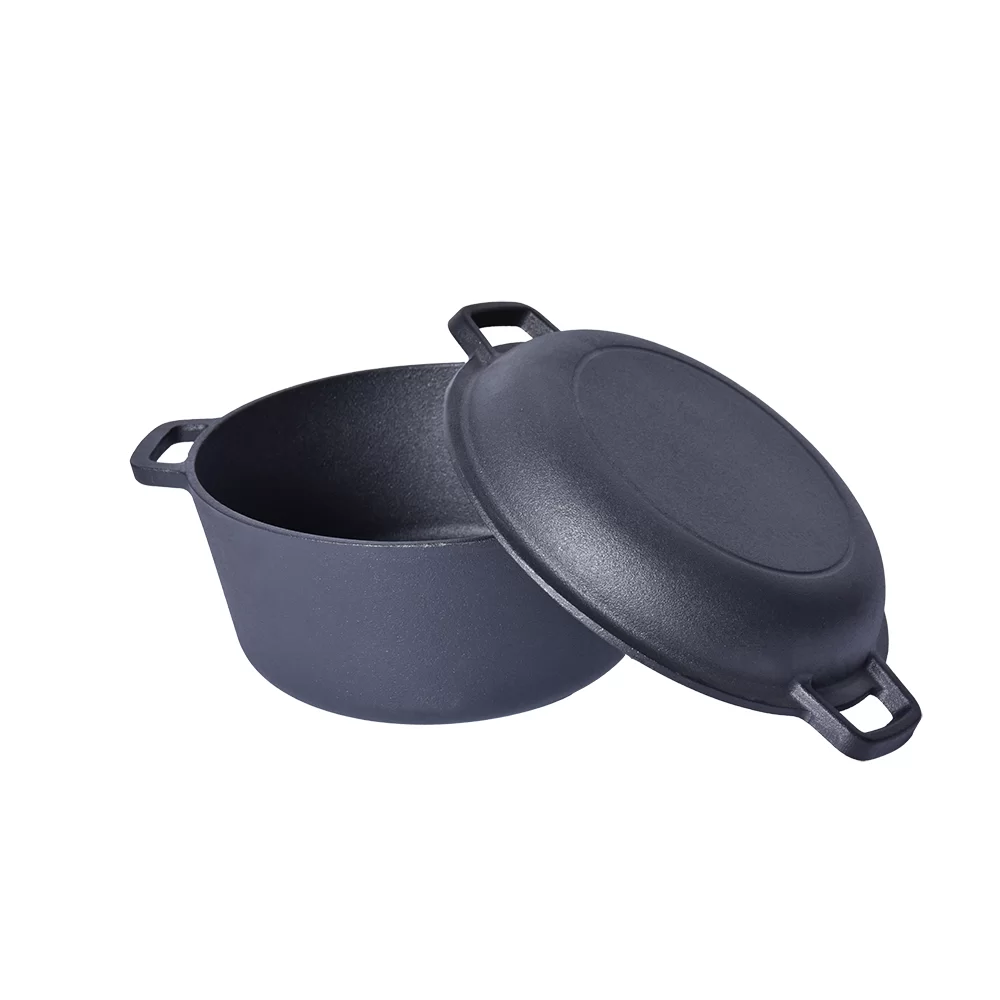
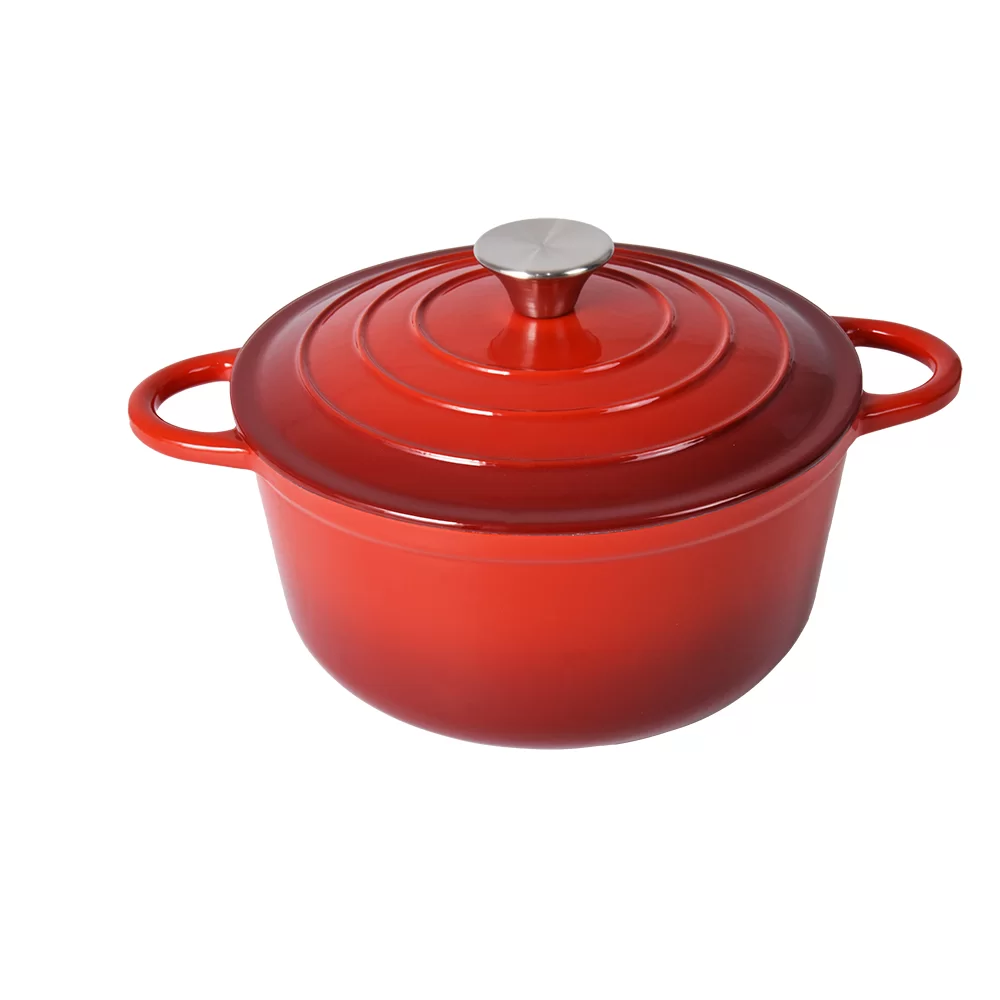
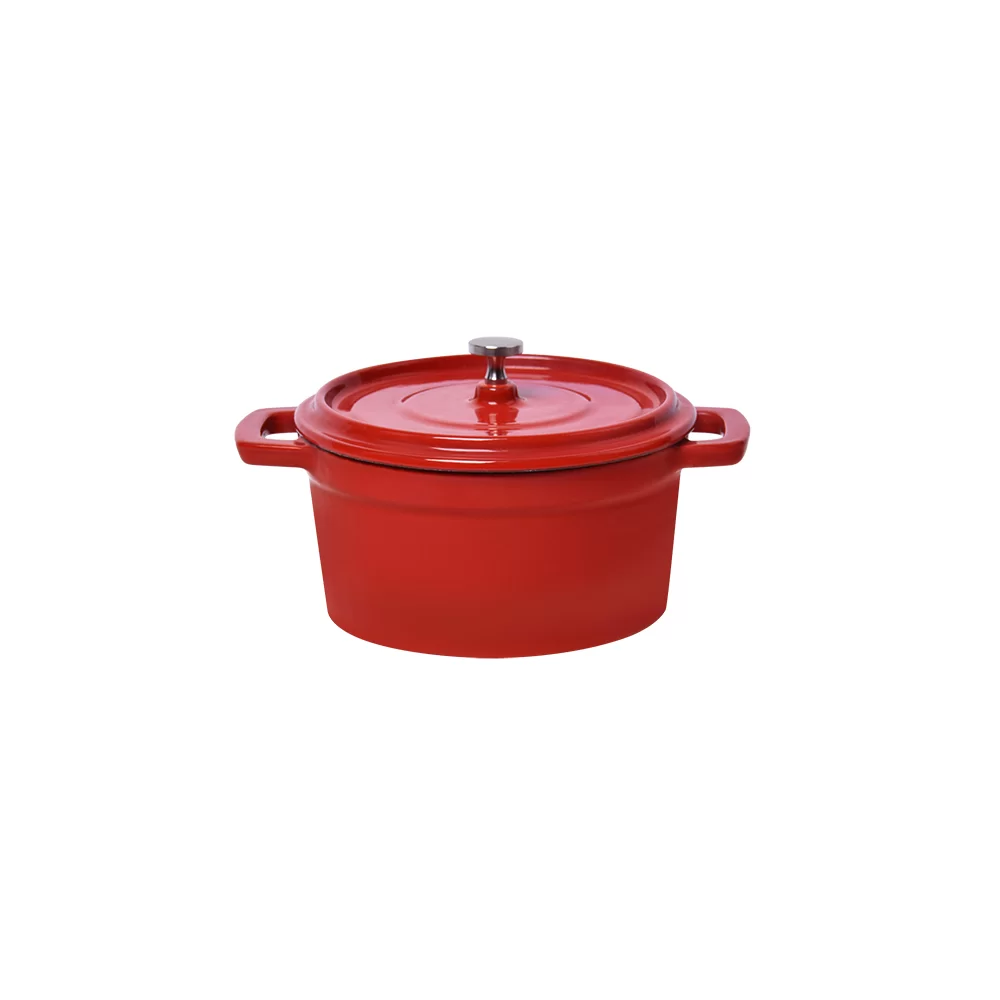
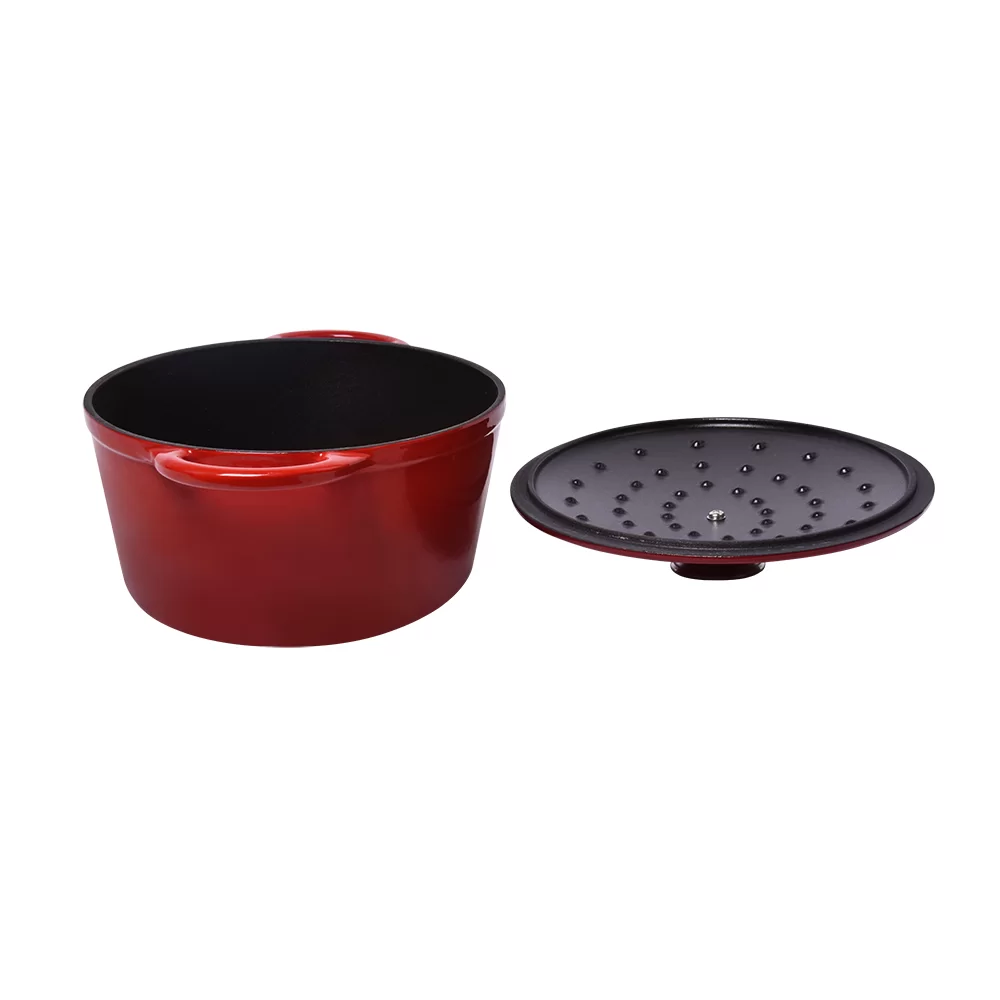
Mastering the right temperature is the key to perfect baking, and this guide is tailored to help you unlock the full potential of baking square pan, big square pan, and bread pan square in your kitchen. These square pans, like the renowned Cast Iron Dutch Oven—known for unbeatable heat retention, even cooking, and durable construction that locks in moisture and flavor—offer versatility and reliability for a wide range of baked goods. Shijiazhuang Kingway Import and Export Co., Ltd, a leading manufacturer and exporter of premium cookware, ensures itsbaking square pan collection meets international quality standards, providing consistent performance that pairs perfectly with the temperature insights shared here. Whether you’re baking bread in a bread pan square or roasting veggies in a big square pan, understanding temperature nuances will elevate your baking results.
Key Factors Affecting Baking Square Pan Temperature Selection
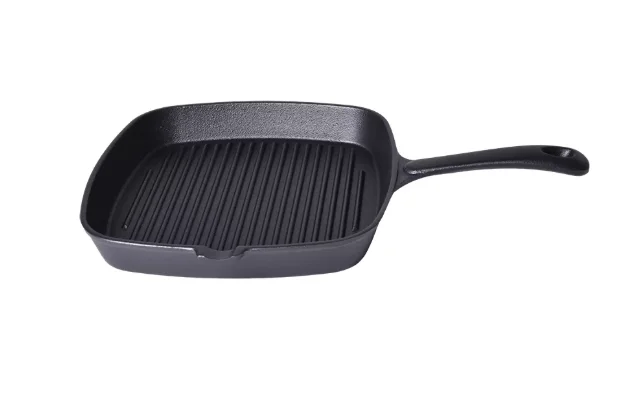
• Pan Material & Heat Conductivity: baking square pan comes in various materials (cast iron, aluminum, ceramic), each impacting temperature needs. Cast iron square pans, similar to the Cast Iron Dutch Oven, have excellent heat retention—requiring slightly lower temperatures or shorter baking times to avoid over-browning. Aluminum pans heat quickly, so monitor temperatures closely, while ceramic pans need pre-heating for even results. Shijiazhuang Kingway’s cast iron bread pan square leverages the same heat-retention properties as the Cast Iron Dutch Oven for perfect bread crusts.
• Pan Size & Capacity: big square pan (12-inch or larger) holds more batter/dough, requiring higher temperatures (5-10℃ higher) or longer baking times to ensure the center cooks through. Smaller baking square pan (6-8-inch) heats faster, so reduce temperatures by 5-10℃ to prevent the edges from burning. Abread pan square (typically 9x9-inch) strikes a balance, with standard temperatures working for most bread recipes.
• Baked Good Type: Different treats demand specific temperatures. For example, dense breads in a bread pan square need lower, slower heat (170-180℃) to rise evenly, while crispy brownies in a baking square pan require higher heat (180-190℃) for a fudgy center and crisp top. Roasted veggies or casseroles in a big square pan thrive at 190-200℃ for caramelization without drying out.
• Oven Calibration: Oven temperature discrepancies are common, so calibrate your oven regularly to ensure accuracy. A 10℃ difference can ruin baked goods—especially delicate items in a baking square pan. For cast iron big square pan, pre-heat the pan with the oven (like you would a Cast Iron Dutch Oven) to compensate for any calibration issues and ensure even heat distribution.
Recommended Temperature Guide for Baking Square Pan by Recipe Type
Pan Type (Size) | Baked Good Type | Recommended Temperature (℃) | Baking Time (Approx.) | Temperature Tips for Perfect Results |
Baking Square Pan (8x8-inch) | 1. Fudgy Brownies2. Blondies3. Small Casseroles4. Cornbread | 180-190℃ | 20-35 minutes | Reduce to 175℃ for cast iron pans (due to high heat retention); test brownies with a toothpick—slightly gooey center is ideal |
Bread Pan Square (9x9-inch) | 1. Banana Bread2. Zucchini Bread3. Quick Breads4. Savory Loaves | 170-180℃ | 35-50 minutes | Pre-heat cast iron bread pan square with oven (like Cast Iron Dutch Oven) for 10 minutes; lower temperature by 5℃ for dense loaves |
Big Square Pan (12x12-inch) | 1. Sheet Cake2. Roasted Vegetables3. Baked Chicken Thighs4. Large Casseroles | 190-200℃ | 25-45 minutes | For cast iron big square pan, use 190℃ to avoid over-browning; space items evenly for air circulation and even cooking |
Temperature Adjustment Tips for Big Square Pan Baking
• Account for Pan Depth: Deep big square pan (2+ inches deep) holds more food, so increase temperature by 5-10℃ or extend baking time by 10-15 minutes. For example, a deep bread pan square baking a thick loaf needs 175℃ instead of 170℃ to ensure the center cooks through without burning the top.
• Pre-Heating for Cast Iron Square Pans: Just like the Cast Iron Dutch Oven, cast iron baking square pan benefits from pre-heating. Place the pan in the oven while it pre-heats to the desired temperature (10-15 minutes), then add batter/dough. This ensures even heat distribution, preventing cold spots that cause undercooked centers.
• Adjust for High-Altitude Baking: At altitudes above 1,500 meters, lower temperatures by 5-10℃ when usingbaking square pan. The thinner air causes faster evaporation, so lower heat slows down browning and allows baked goods to rise evenly. For bread pan square recipes, reduce temperature to 165-170℃ and extend time slightly.
• Use Thermometers for Precision: For critical baked goods (like sourdough in a bread pan square), insert an oven thermometer into the baking square pan to monitor internal temperature. Bread is done at 90-95℃ internal temperature, while brownies are perfect at 85-90℃. This eliminates guesswork and ensures consistent results.
Baking Square Pan Temperature Tips for Specific Ingredients
• Dairy-Based Batters (Cakes, Muffins): Dairy (milk, butter, cream) browns quickly, so use slightly lower temperatures (170-180℃) in baking square pan. For example, a cream cheese cake in an 8x8-inch square pan bakes best at 175℃ to avoid a burnt crust while ensuring the center sets. Shijiazhuang Kingway’s non-reactive baking square pan prevents dairy from interacting with metal, preserving flavor.
• Sugary Treats (Cookies, Brownies): Sugar caramelizes at high temperatures, so baking square pan for sugary goods should be set to 180-190℃. Abig square pan baking chocolate chip cookies needs 185℃ to achieve a crispy edge and chewy center. Avoid exceeding 190℃, as sugar can burn quickly and impart a bitter taste.
• Whole Grain Breads (Bread Pan Square): Whole grains are denser, so bread pan square baking requires lower temperatures (170-175℃) and longer times. The low heat allows the bread to rise fully and the center to cook without the crust hardening too early. Cast iron bread pan square, similar to the Cast Iron Dutch Oven, retains heat evenly to help whole grains develop rich flavor.
Baking Square Pan FAQs
Why Do I Need to Adjust Temperature for Big Square Pan
A big square pan has a larger capacity and surface area, which affects heat distribution. More batter or dough means longer heat penetration time—so increasing temperature by 5-10℃ or extending baking time ensures the center cooks through. Without adjustment, the edges may burn while the center remains undercooked. This is similar to how a large Cast Iron Dutch Oven requires temperature tweaks for big-batch slow cooking.
What Temperature Is Best for Baking Bread in Bread Pan Square
The best temperature for baking bread in a bread pan square is 170-180℃. This range balances crust development and internal cooking: lower temperatures (170℃) work for dense whole-grain breads, allowing them to rise fully, while higher temperatures (180℃) are ideal for light white breads to achieve a golden crust. Cast iron bread pan square may need 5℃ lower due to superior heat retention, similar to the Cast Iron Dutch Oven.
Do Cast Iron Baking Square Pan Require Different Temperatures
Yes, cast iron baking square pan requires slightly lower temperatures (5-10℃ less) than aluminum or ceramic pans. Cast iron, like the Cast Iron Dutch Oven, retains heat exceptionally well and distributes it evenly—so a recipe calling for 180℃ in an aluminum square pan would work best at 170-175℃ in a cast iron one. Pre-heating the cast iron pan with the oven also helps maintain consistent temperature throughout baking.
How to Fix Over-Browning When Using Baking Square Pan
To fix over-browning, reduce the oven temperature by 5-10℃ and cover the baking square pan with aluminum foil after the first half of baking. For example, if brownies in an 8x8-inch square pan are browning too fast, lower the temperature to 175℃ and cover with foil at the 15-minute mark. Using a light-coloredbaking square pan (instead of dark metal) also reduces browning, as dark pans absorb more heat.
Can I Use the Same Temperature for All Baking Square Pan Sizes
No, you can’t use the same temperature for all baking square pan sizes. Smaller pans (6-8-inch) heat faster, so use 5-10℃ lower temperatures. Larger big square pan (12-inch+) need 5-10℃ higher temperatures or longer baking times. A bread pan square (9x9-inch) uses standard temperatures for most recipes. Always adjust based on size to ensure even cooking, just like how you’d tweak temperatures for different-sized Cast Iron Dutch Oven recipes.