A Comprehensive Guide to Choosing a Mortar and Pestle for Your Kitchen
Choosing a Mortar and Pestle: A Comprehensive Guide
A mortar and pestle is an essential tool for anyone who loves to cook with fresh ingredients. From grinding spices to creating flavorful pastes, this ancient tool offers a level of control and flavor that electric grinders simply can't match. But with so many options available, choosing a mortar and pestle can be overwhelming. This guide will walk you through everything you need to know, helping you select the perfect set for your culinary needs.
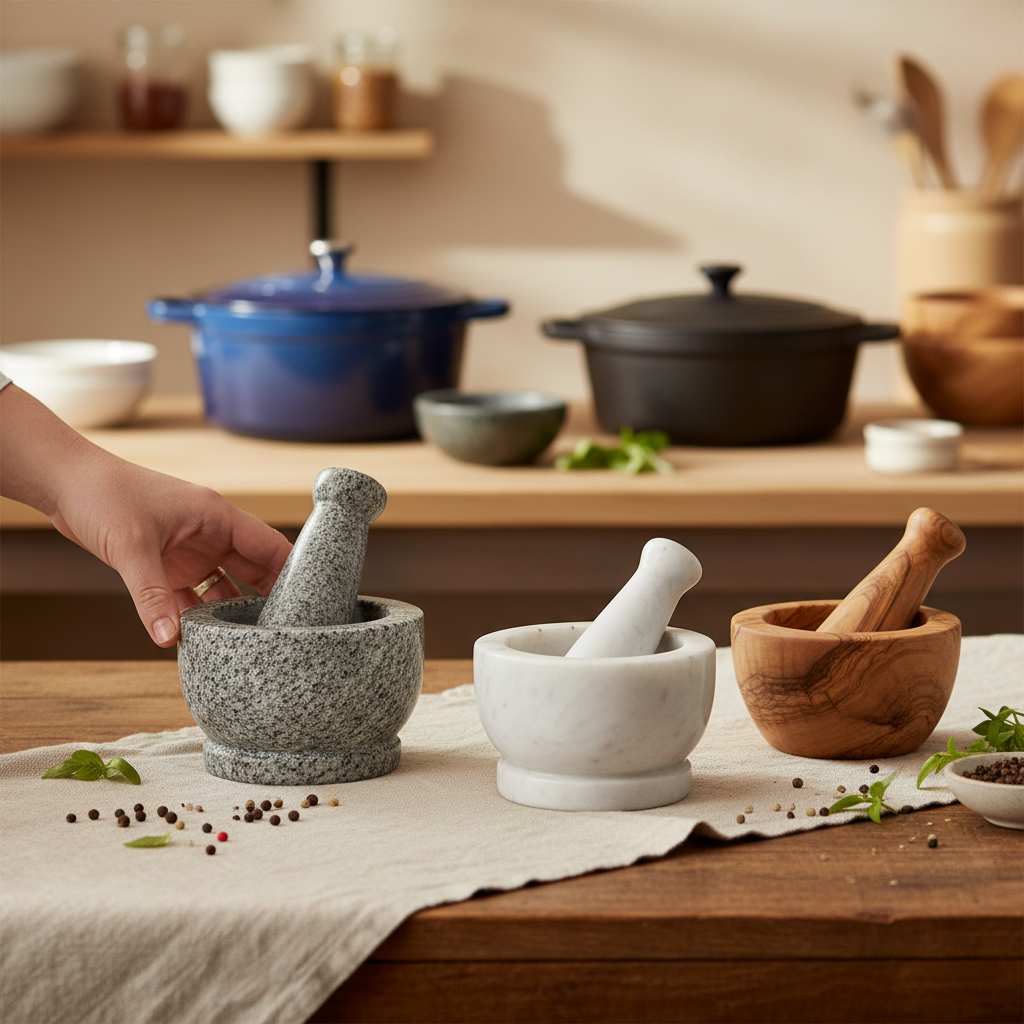
Understanding the Materials: Granite, Marble, Ceramic, and Wood
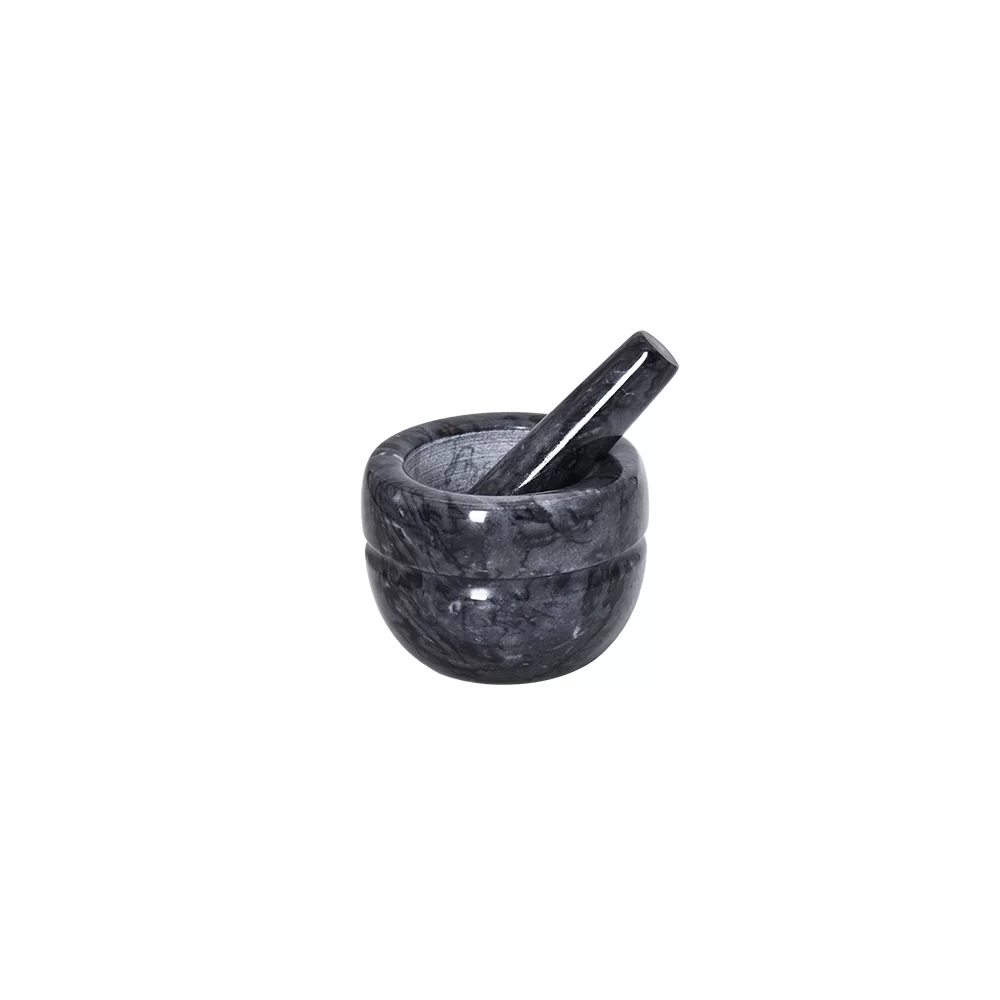
The material of your mortar and pestle significantly impacts its performance and durability. Granite is a popular choice due to its durability and ability to create a rough texture ideal for grinding. Marble offers a smoother surface, better for creating pastes and delicate flavors. Ceramic is often more affordable, but can be prone to chipping. Wood, while aesthetically pleasing, is porous and best suited for dry grinding.
Key Considerations: The ideal material depends on your intended use. For robust spice grinding, granite is best. For nuanced flavor creation, marble is preferred.
The Importance of Texture: Rough vs. Smooth
The texture of the mortar's interior is crucial. A rough texture, like that found in granite mortars, provides the friction needed to effectively grind whole spices and seeds. A smoother texture, common in marble mortars, is better suited for creating smooth pastes and releasing delicate aromas. Consider what you’ll be grinding most frequently to determine the best texture for your needs.
Texture Benefits:
• Rough texture: Excellent for grinding whole spices.
• Smooth texture: Ideal for pastes and delicate flavors.
• Consistent grinding
Choosing a Mortar and Pestle: A Material Comparison
Let's break down the key differences between common mortar and pestle materials. This table will help you visualize the pros and cons of each.
Pestle Design: Ergonomics and Grip
The pestle's design is just as important as the mortar. Look for a pestle that feels comfortable in your hand and allows for a good grip. A wider pestle is generally better for grinding, while a narrower pestle is ideal for creating pastes. Consider the weight and balance of the pestle, ensuring it feels natural to use. Kingway Cookwares offers a variety of pestle designs to suit different preferences.
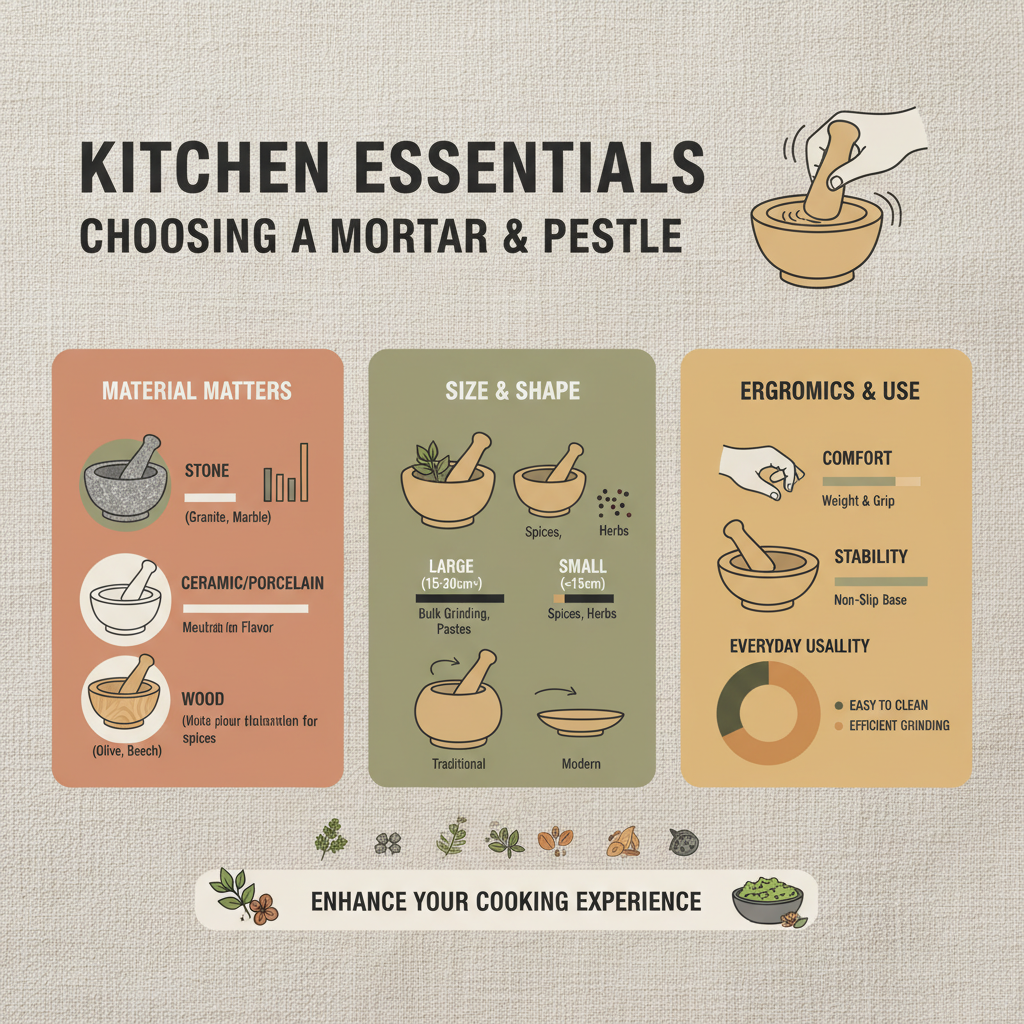
Size Matters: Choosing the Right Capacity
The size of the mortar and pestle should be appropriate for your needs. A smaller mortar is ideal for grinding small batches of spices or creating single-serving pastes. A larger mortar is better for processing larger quantities of ingredients. Consider how much you typically grind or paste at a time when making your selection.
Conclusion: Finding Your Perfect Match
Investing in a quality mortar and pestle can elevate your cooking to new heights. By carefully considering the material, texture, pestle design, and size, you can find the perfect tool to unlock a world of flavor. Explore the range of options available at Kingway Cookwares to find the perfect fit for your culinary journey.
Frequently Asked Questions (FAQs)
How do I properly season a granite mortar and pestle?
Seasoning a granite mortar and pestle helps to create a smoother grinding surface and prevents flavors from lingering. Start by grinding a small amount of dry rice or salt in the mortar, using the pestle with firm pressure. Repeat this process several times, gradually increasing the amount of rice or salt. Rinse thoroughly with water and allow to dry completely. This process helps to remove any loose granite particles and create a slightly textured surface.
Can I use a mortar and pestle for wet ingredients only?
While a mortar and pestle excels at creating pastes and grinding wet ingredients, it can also be used for dry grinding. However, using it exclusively for wet ingredients can lead to the mortar becoming stained or retaining flavors. If you plan to use it for both, it’s best to thoroughly clean and dry it after each use and consider having separate sets for dry and wet ingredients.
How do I clean a marble mortar and pestle?
Marble is a relatively porous material, so it requires gentle cleaning. Avoid harsh detergents or abrasive cleaners, as these can damage the surface. Simply rinse the mortar and pestle with warm water and a mild dish soap. Use a soft cloth or sponge to remove any residue. Dry thoroughly with a clean towel to prevent water spots.
Is a larger mortar and pestle always better?
Not necessarily. While a larger mortar and pestle is useful for processing large quantities, it can be more difficult to control and requires more effort to use effectively. A smaller mortar and pestle is often better for smaller batches and delicate grinding. Consider your typical usage and choose a size that is comfortable and manageable for you.