Wooden Handle Spatula Set – Durable, Sustainable Kitchen Utensils for Every Cook
Understanding the Wooden Handle Spatula Set: Essential Kitchen Tools with Global Appeal
At first glance, the wooden handle spatula set may sound like an everyday kitchen accessory—not exactly headline news. But oddly enough, these humble utensils hold quite a bit of significance beyond their simple function. From eco-conscious kitchens in Europe to bustling food markets in Asia, knowing about wooden handle spatulas reveals a subtle but meaningful shift in how we balance sustainability, durability, and culinary tradition worldwide.
In practical terms, grasping the nuances of these spatulas matters for culinary professionals and home cooks alike. The durability of wooden handles paired with quality blade materials makes these sets indispensable—but there’s more beneath the surface. So, let’s unwrap what makes a wooden handle spatula set a smart, sustainable choice globally and discover why they’re gaining traction in modern kitchens.
Global Context: Why Wooden Handle Spatula Sets Matter Today
Globally, kitchenware is a multi-billion-dollar industry, with growing demand for eco-friendly, durable products. According to the International Organization for Standardization (ISO), consumer preferences are shifting toward sustainable materials that reduce plastic waste—a huge issue, given the UN Environmental Programme’s alarming statistics on plastic pollution.
The wooden handle spatula set fits neatly into this trend. Wood, as a renewable resource, helps cut down on single-use plastics in our kitchens, and the sturdy handles provide the tactile comfort and longevity stainless steel alone can’t match. For households and catering businesses alike, these sets help solve a small but persistent problem: finding kitchen tools that last through intensive use without harming the environment.
What Exactly Is a Wooden Handle Spatula Set?
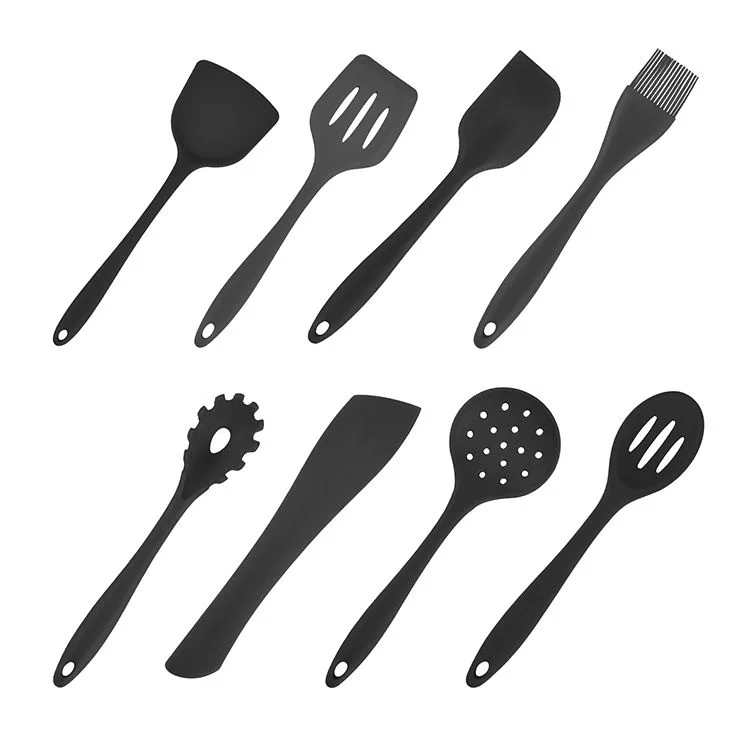
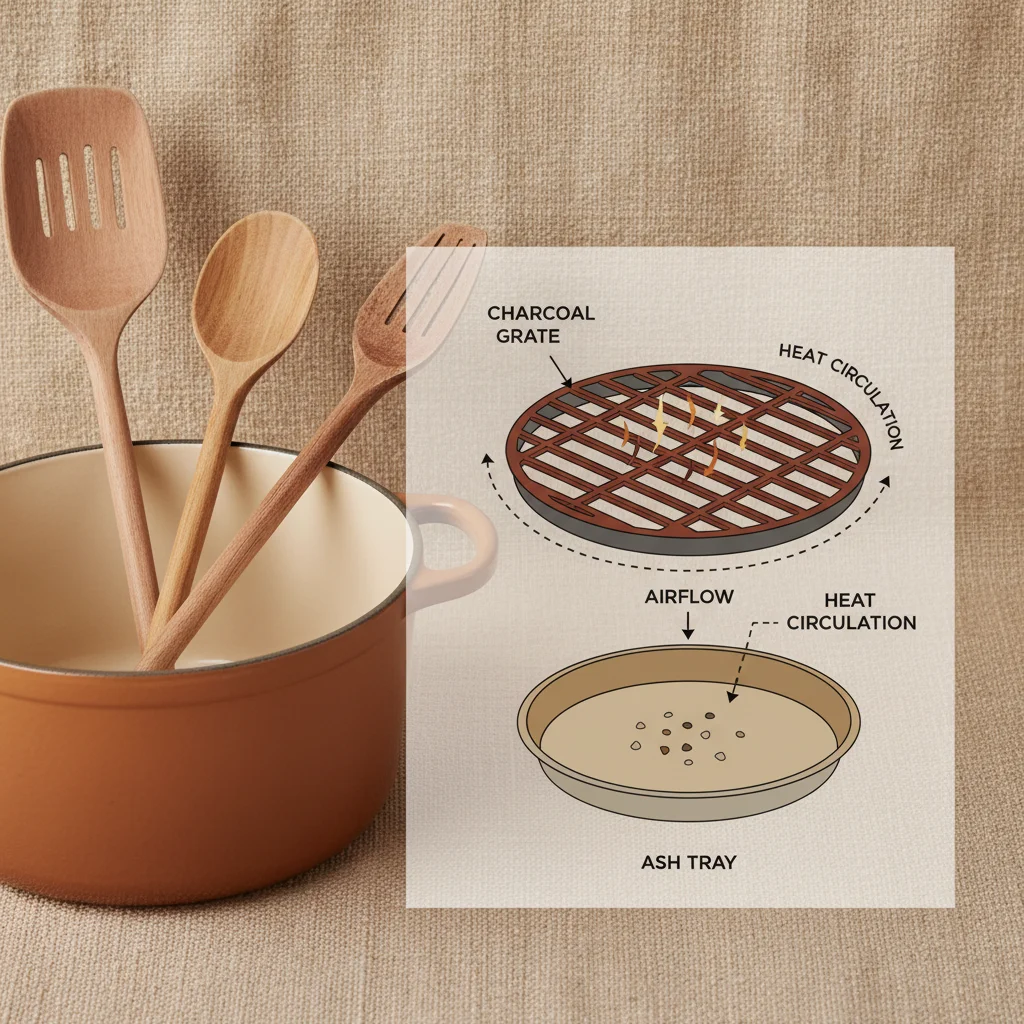
Basically, it’s a collection of spatulas—flat kitchen tools used to flip or turn food during cooking—each featuring a handle made of wood. Usually, the spatula's blade might be made from stainless steel, silicone, or nylon, designed for different cooking techniques and utensils compatibility. The wooden handle is fitted ergonomically for grip, heat resistance, and aesthetic appeal.
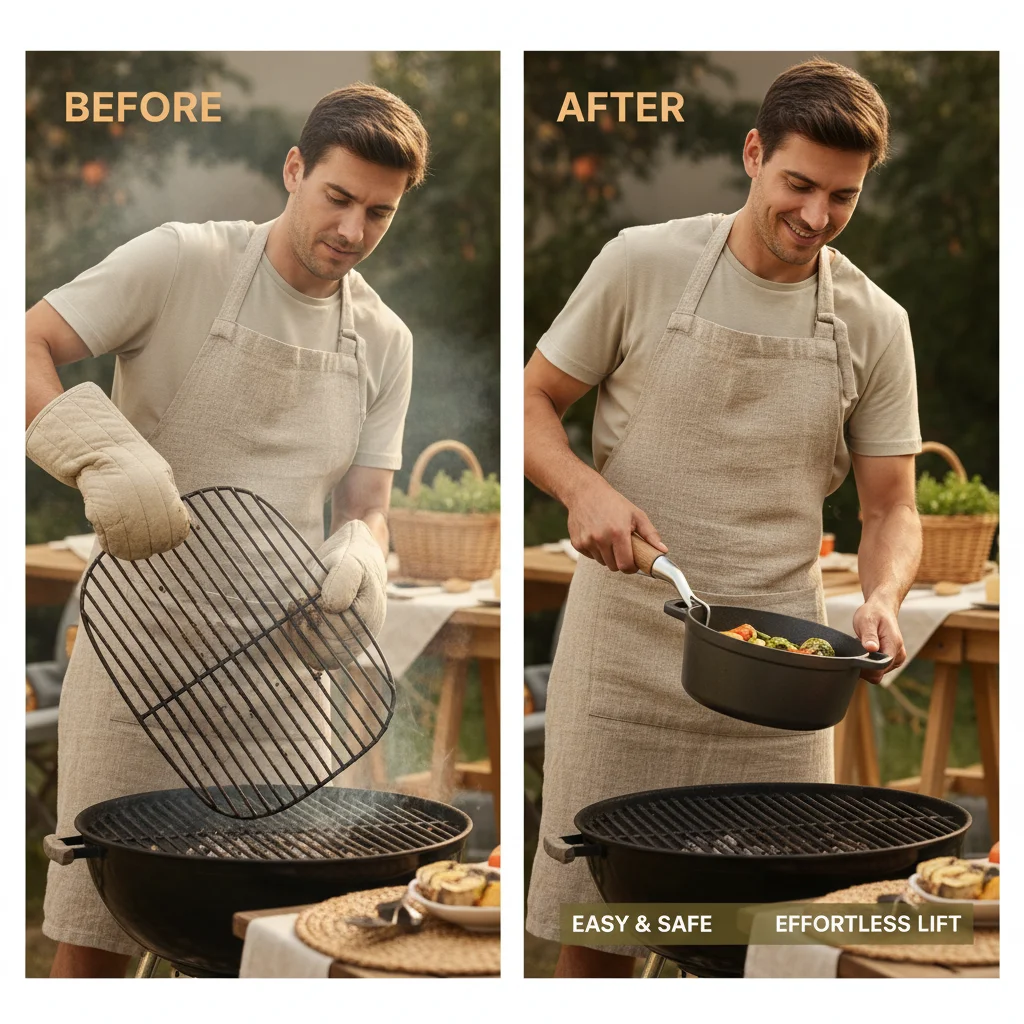
In terms of industry, these sets bridge craftsmanship and functional kitchenware. They are highly valued in settings where utensil safety, hygiene, and tactile comfort matter—think culinary schools, professionals preferring traditional tools, and eco-conscious manufacturers. The wooden handle’s natural insulating quality also prevents heat transfer, making it safer during stove-side work.
Key Factors in Choosing a Wooden Handle Spatula Set
1. Durability
The strength of the wood combined with resilient blade material often outlasts purely plastic counterparts. Hardwoods such as birch or beech resist cracking and warping, important for cookware exposed to heat and moisture.
2. Heat Resistance
Wood handles don’t conduct heat like metal. This means your hands stay safer during extended cooking sessions—there’s a tactile comfort that plastic just can’t replicate.
3. Sustainability
Wood is biodegradable and renewable. Compared to plastic or synthetic handles, wooden ones reduce carbon footprint and plastic waste, aligning with global sustainability goals.
4. Design and Ergonomics
Most sets focus on ergonomics—handles shaped for grip and control—enhancing the cook’s confidence during tasks that require nimble flipping or scraping.
5. Maintenance and Hygiene
Properly treated wood can be quite hygienic and easy to maintain. They avoid the chemical runoff concerns linked with some plastics, but require care (like hand washing and oiling) to prolong life.
Product Specification Highlights
| Feature | Typical Spec | Benefit |
|---|---|---|
| Handle Material | Beech or Birch Wood (treated) | Durable, non-porous, eco-friendly |
| Blade Type | Stainless Steel / Silicone tipped | Heat resistant, non-scratch options for skillets |
| Length | 30 cm approx. | Comfortable leverage for cooking |
| Finish | Food-safe oil finish | Protects wood, enhances grip, easy cleaning |
| Set Components | 3–5 spatulas of varying blade sizes | Versatile for frying, flipping, and baking |
Vendor Comparison: Craftsmanship Meets Sustainability
| Brand | Wood Type | Blade Options | Price Range | Sustainability |
|---|---|---|---|---|
| Kingway Cookwares | Beech Wood (certified FSC) | Stainless Steel & Silicone | $$ | High – biodegradable packaging |
| EcoUtensils | Bamboo | Silicone only | $ | Moderate – some plastic handles |
| CraftChef | Oak Wood | Stainless Steel only | $$$ | High – sustainably harvested wood |
How Are Wooden Handle Spatula Sets Used Worldwide?
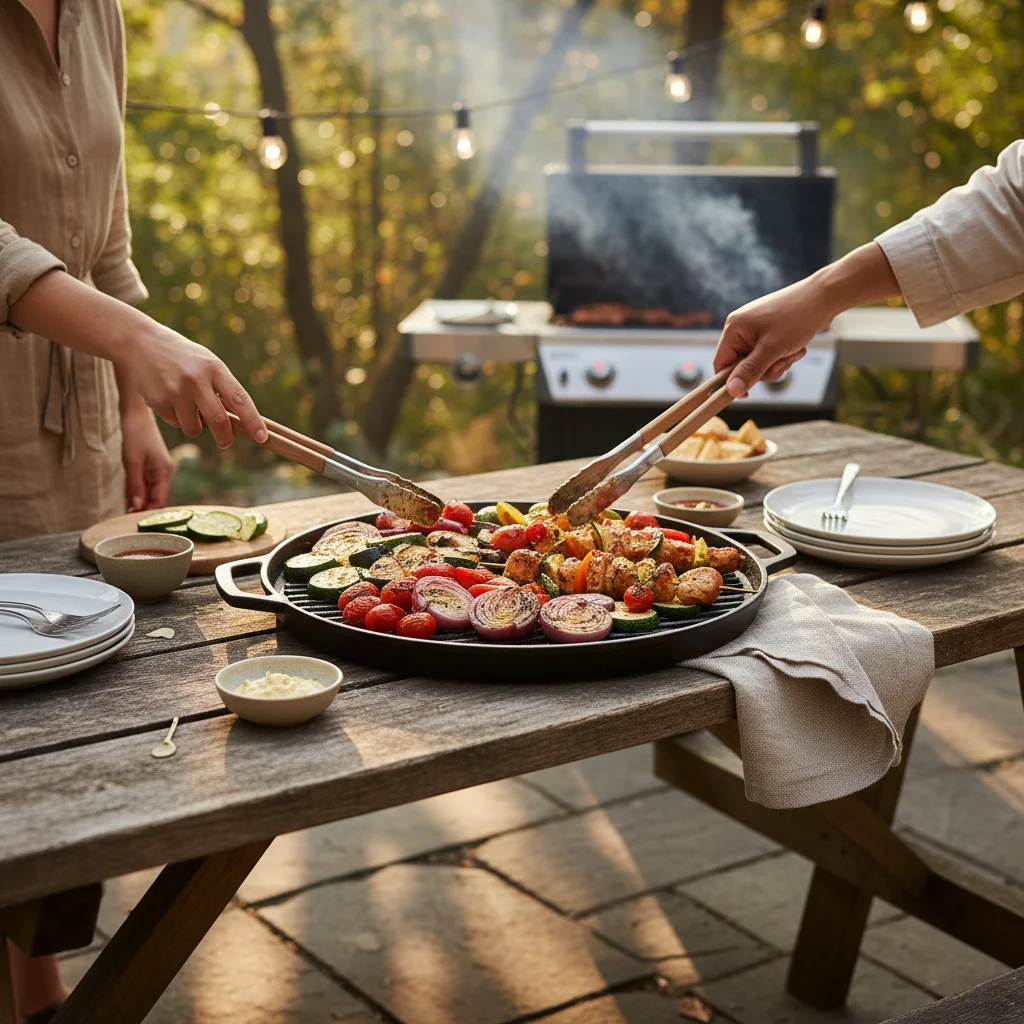
In bustling Asian street food stalls, wooden handle spatulas are indispensable for flipping stir-fried noodles and pancakes. Their heat resistance lets cooks work long hours without burnt fingers—a practical necessity.
In Scandinavia’s eco-conscious homes, these spatulas reflect a cultural commitment to sustainable living. They’re often chosen over plastic or metal counterparts because they’re biodegradable and fit well with minimalist yet quality-focused lifestyles.
Even humanitarian kitchens benefit: post-disaster relief camps often require durable, safe cooking tools that can handle large-scale food prep with limited resources—wooden handles offer a robust solution that is easy to clean and maintain compared to plastic alternatives.
- Takeaway: The wooden handle spatula set adapts across diverse cultures and needs, balancing function with sustainability.
The Long-Term Advantages of Wooden Handle Spatula Sets
Beyond practical use, these spatulas offer several compelling benefits:
- Cost-Effectiveness: While upfront cost may be higher, durability means fewer replacements.
- Environmental Impact: Made from renewable wood, they support responsible resource use.
- Health & Safety: Heat-resistant handles reduce burns; wood doesn't leach chemicals like some plastics.
- Emotional Connection: There’s a certain tactile and visual warmth wood brings to cooking—comfort that can’t be overstated.
Looking Ahead: Trends and Innovations
Eco-friendly materials continue to capture the culinary market’s imagination. Advances in wood treatment now increase resistance to water damage without harmful chemicals, extending product life even more.
Digital tracking of sustainable materials also plays a part—some vendors now showcase certifications via QR codes, reassuring customers about sourcing and environmental standards. Oddly enough, even traditional items like spatulas are part of this green digital revolution.
Challenges and Potential Solutions
The primary challenge: wood requires more care than plastic. It can warp or split if left soaking in water. But manufacturers and users can overcome this through better finishing oils, advising hand wash only, and using modern wood composites that maintain natural feel yet boost durability.
FAQ: Your Questions on Wooden Handle Spatula Sets Answered
Q: How do wooden handles compare to plastic in heat resistance?
A: Wood naturally insulates, so it rarely feels hot when cooking. Plastic can melt or transfer heat quickly, especially unsafe for high-heat styles.
Q: Are wooden handle spatulas dishwasher safe?
A: Generally, no. To preserve the wood surface and prevent cracking, hand washing and immediate drying are recommended.
Q: What should I look for in a quality wooden spatula set?
A: Focus on the type of wood (hardwoods last longer), the blade material (stainless steel or silicone), and finish (food-safe oils for protection).
Q: Are there eco-certifications I should trust?
A: Yes. Certified FSC (Forest Stewardship Council) wood is a good indicator that materials come from responsibly managed forests.
Conclusion
The wooden handle spatula set is more than just a cooking tool—it's a small but meaningful intersection of tradition, sustainability, and utility. For kitchens seeking reliability, eco-friendliness, and a touch of craftsmanship, these spatulas offer long-term value with an understated charm.
So, if you’re pondering an upgrade to your culinary toolkit, or simply curious about greener choices in kitchenware, explore the options at Kingway Cookwares. Your hands—and the planet—might just thank you for it.
Remember: good tools make great meals—and responsible choices make better futures.
References: