Discover the Benefits of a Cast Iron Sourdough Pan for Perfect Bread Every Time
Why a Cast Iron Sourdough Pan Matters More Than You Think
The humble cast iron sourdough pan might just be the unsung hero in kitchens worldwide turning complex baking into an art form that’s both timeless and modern. Beyond the rustic allure, these specialized pans address a global curiosity: how can home bakers and artisan producers alike achieve bakery-quality sourdough loaves without fancy industrial ovens? Understanding the significance—and advantages—of cast iron sourdough pans opens doors not just to better bread but offers insights into sustainable cooking, durability, and even long-term kitchen economics.
Introduction: Global Demand Meets the Cast Iron Classic
Worldwide, the popularity of sourdough has soared, partly because of its artisanal charm and partly due to the growing interest in naturally fermented foods. According to a 2022 report by the International Food Information Council, nearly 40% of Americans who bake from home have tried sourdough at least once, and that’s just one country. Globally, bread remains a staple in diets, representing a substantial food security element mentioned by organizations like the FAO. However, replicating the perfect crust and crumb outside commercial bakery ovens presents a challenge, which is where the cast iron sourdough pan steps in as a game changer.
The challenge is simple: how to produce consistent heat and humidity at home or small-scale production levels without electric steam injection or high-end gear. Cast iron's heat retention can mimic some of this effect, bringing a piece of traditional bakery tech to the modern kitchen.
What Exactly is a Cast Iron Sourdough Pan?
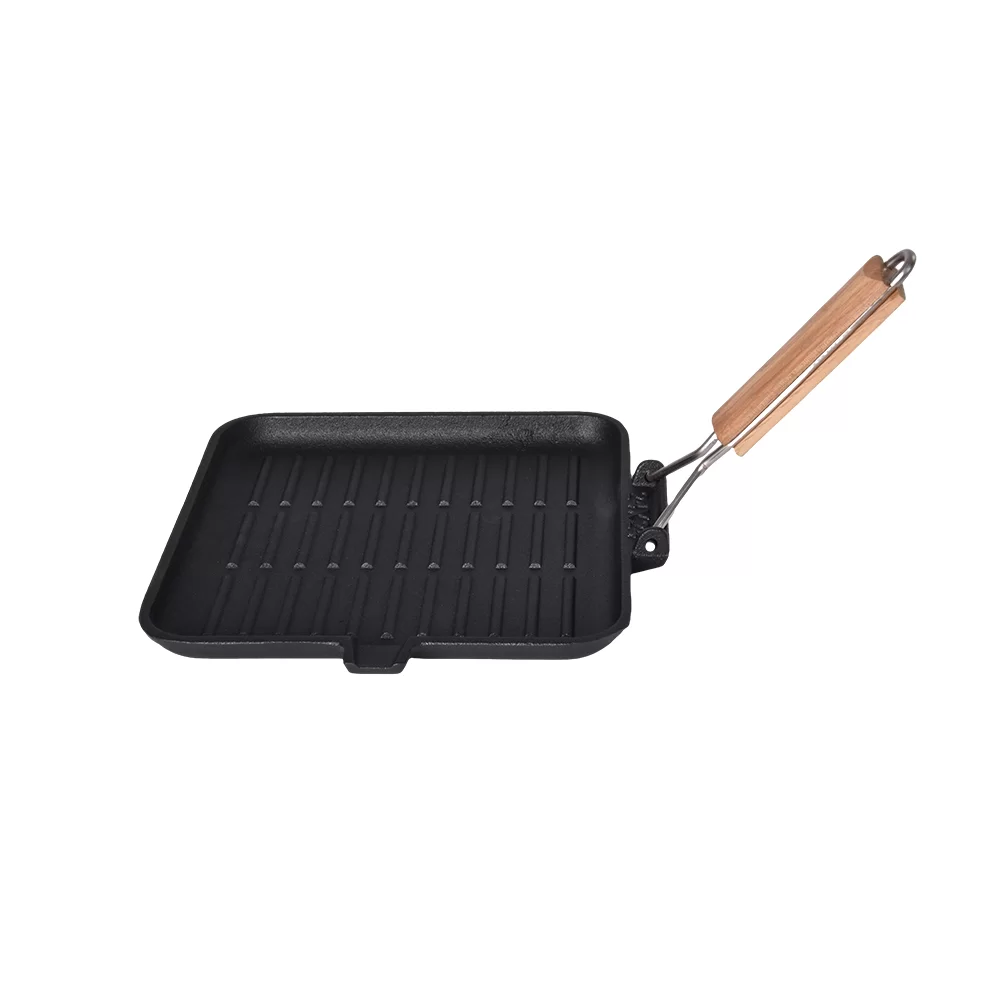
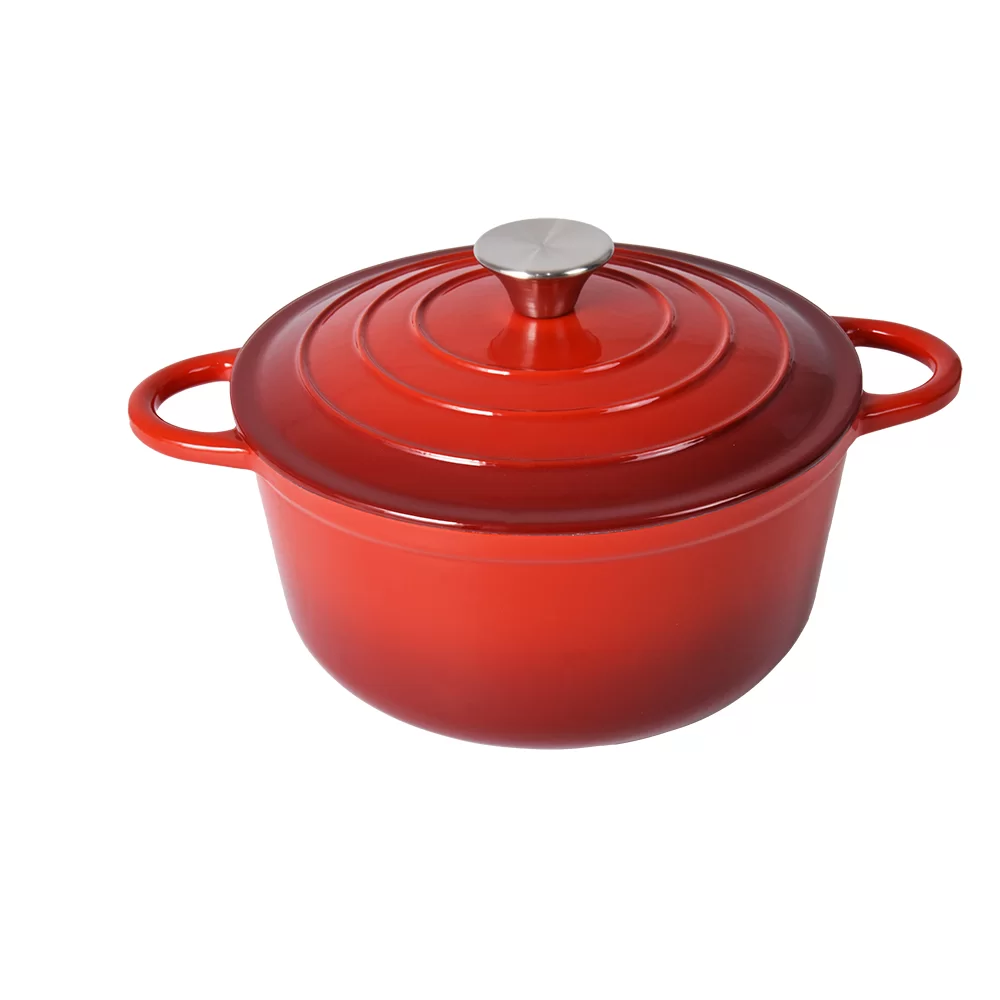
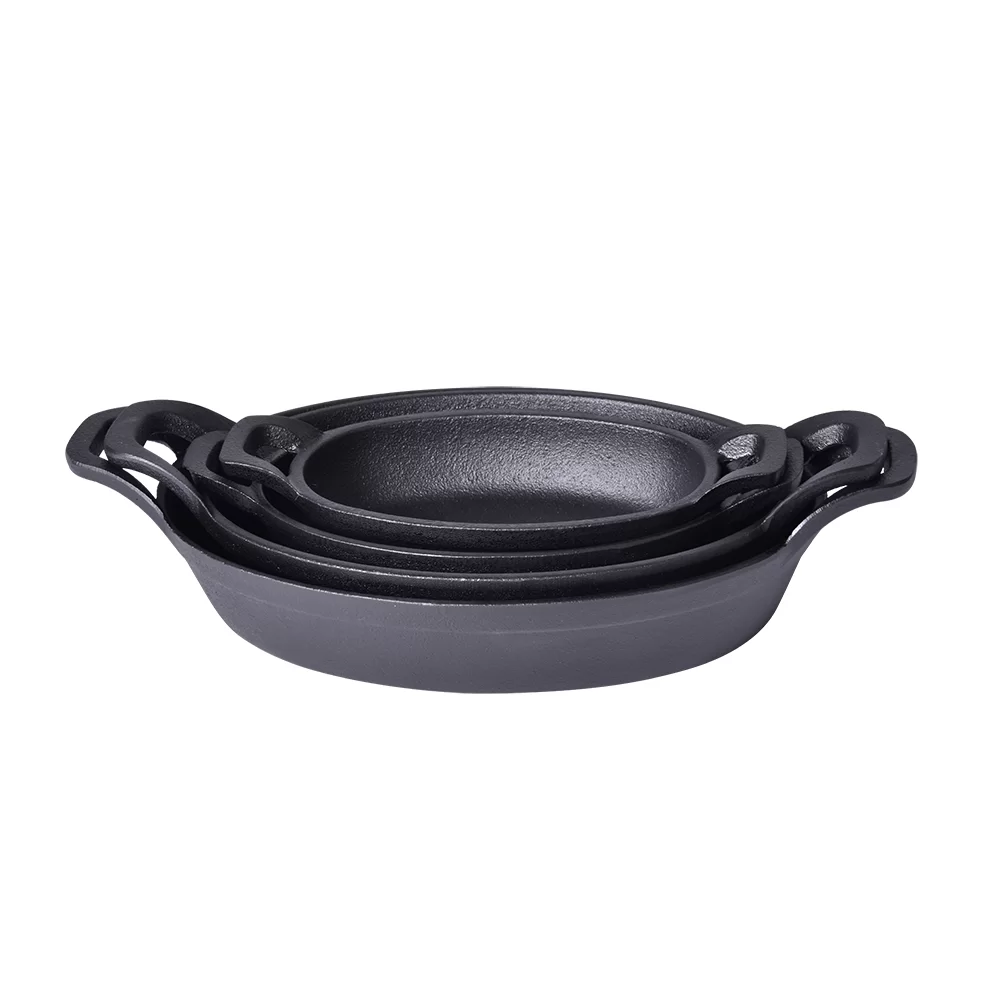
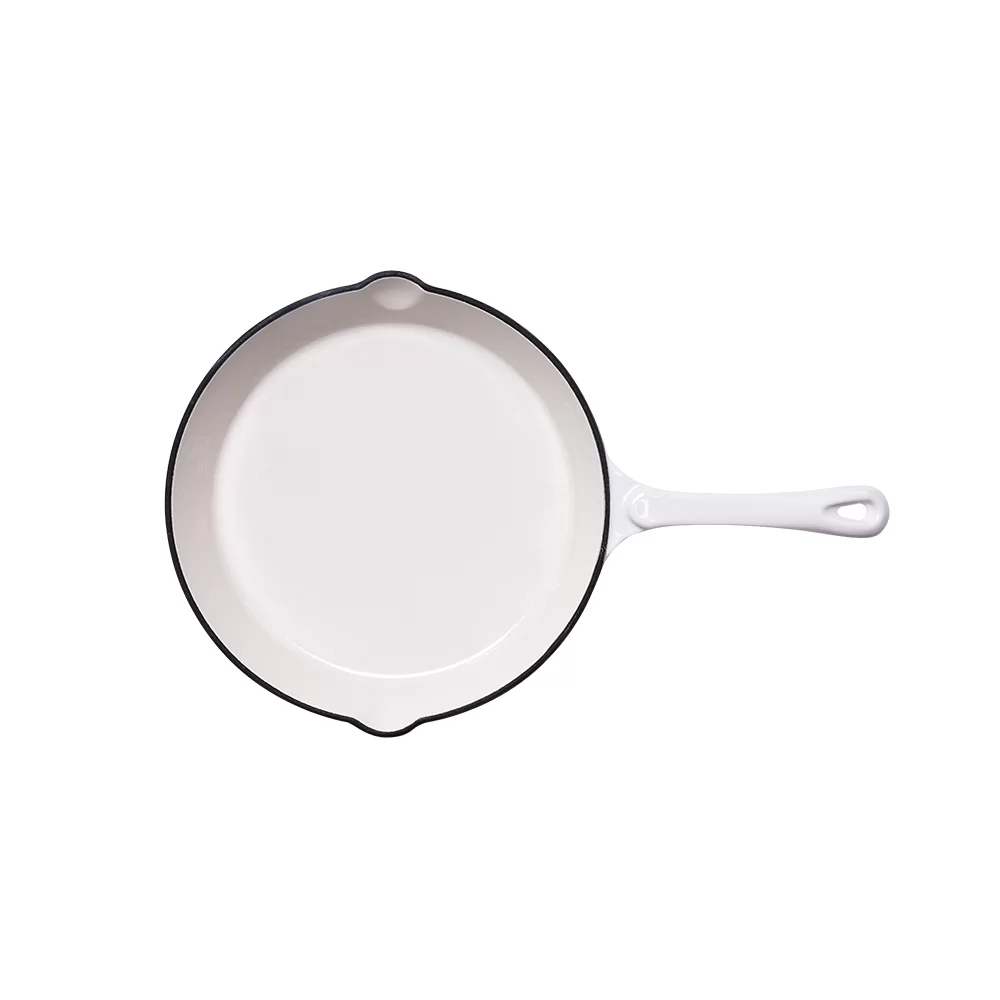
At its core, a cast iron sourdough pan is a heavy-duty cooking vessel, often oval or round, designed specifically for baking sourdough bread. Made from solid cast iron, the pan can be preheated to high temperatures that evenly distribute heat throughout the dough. This results in a crust that's crispy and beautifully caramelized without burning.
Unlike basic baking sheets or glassware, cast iron offers superior heat retention and durability, which means consistent baking performance over years of use. Its connection to modern baking blends kitchen tradition with precision — it’s like bringing an old-world hearth into your contemporary oven.
Mini takeaway:
The cast iron sourdough pan is a practical bridge between artisanal traditions and the demands of today’s home baking scene.
The Fundamentals of a Great Cast Iron Sourdough Pan
Durability
Cast iron pans are renowned for their near indestructibility. When properly seasoned and maintained, they develop a natural non-stick surface that improves with age. This durability ensures that your sourdough pan can last decades — a real long-term kitchen companion.
Heat Retention & Distribution
A key benefit of cast iron is its ability to soak up and evenly radiate heat. For sourdough, this translates to a stable baking environment, with the thick sides helping to develop an even crust and avoid hot spots that can scorch or undercook.
Moisture Control
Good cast iron sourdough pans often come with tight-fitting lids which trap steam released during baking. This steam is crucial to sourdough, supporting the Maillard reaction that creates a crust both crisp and chewy. It’s almost like having a mini steam oven at home.
Versatility
These pans are not just for sourdough — many bakers rely on them for roasting vegetables, searing meats, or even slow cooking, making them a kitchen multitasker.
Ease of Maintenance
While it might seem intimidating, seasoning and care for cast iron is straightforward. Simply avoid soap, dry thoroughly, and regularly oil the pan. Over time, the pan’s surface becomes more efficient and reliable.
Dimensions and Weights
They tend to be hefty — expect weights from 5 to 12 lbs depending on size, which in practical terms means you need a little strength and care handling, but the payoff is a product that bakes like a pro.
Mini takeaway:
Performance comes from a marriage of materials and design — cast iron’s quirks are what make it so suited to sourdough baking.
How Cast Iron Sourdough Pans Are Used Around the World
It’s fascinating to see cast iron sourdough pans embraced globally. In Europe — particularly France and Germany — bakers prize the pan’s ability to replicate bakery oven results at home. Meanwhile, in North America, the rise of the artisan bread movement has fueled home bakers’ desires to own quality cookware that can do it all.
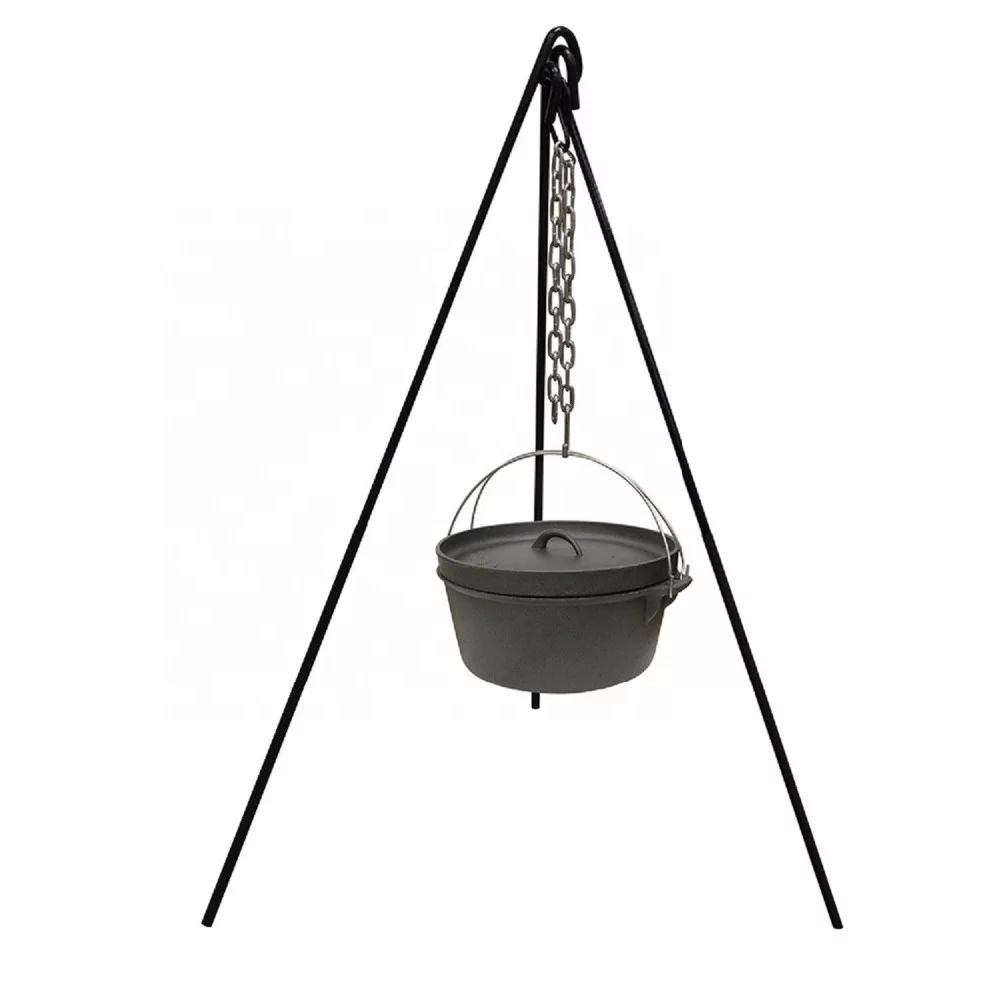
Beyond homes, small bakeries in regions where electricity is unreliable or ovens are limited rely on cast iron pans for consistent baking, sometimes heating them on wood stoves or campfires. Relief organizations, surprisingly enough, have even included cast iron cookware in aid kits — because durable cooking tools double as food preparation and nourishment enablers in post-disaster zones.
And for sourdough enthusiasts who take their dough on camping trips or off-grid retreats, these pans represent freedom — a way to make fresh bread in unlikely circumstances.
Mini takeaway:
The cast iron sourdough pan isn’t just a tool; it’s part of diverse cultures and baking practices united by a desire for delicious, authentic bread.
Technical Specifications of Popular Cast Iron Sourdough Pans
| Feature | Standard Size (Oval) | Weight | Material | Lid Included |
|---|---|---|---|---|
| Classic Cast Iron Sourdough Pan | 13.75" x 9" x 4.5" | 8 lbs | Seasoned Cast Iron | Yes |
| Enamel Coated Variety | 14" x 10" x 5" | 9.5 lbs | Cast Iron + Enamel | Yes |
| Lightweight Aluminum Alternative | 12.5" x 8.5" x 4" | 4 lbs | Cast Aluminum | No |
Selecting Your Cast Iron Sourdough Pan: How Vendors Compare
| Vendor | Price Range | Seasoning Quality | Lid Fit | Customer Support |
|---|---|---|---|---|
| Kingway Cookwares | $70 - $90 | Excellent, factory seasoned | Snug, steam-retentive | Responsive and helpful |
| OldSmith Cast Iron | $55 - $75 | Good, requires break-in | Loose-fitting lid | Moderate |
| BakeMaster Tools | $85 - $105 | Pre-seasoned with natural oils | Very tight fit, excellent steam | High, many positive reviews |
Advantages & Long-Term Benefits of Cast Iron Sourdough Pans
The benefits are many and span both tangible and intangible values. On the practical side, cast iron pans save you money over time because they don’t need frequent replacement. Unlike modern non-stick pans that wear off after a few years, cast iron just gets better with age.
Environmentally, their longevity reduces landfill waste and lessens the need for constant manufacturing. Using a cast iron sourdough pan also integrates sustainability into everyday cooking, lending a nod to thoughtful resource use.
Emotionally, many bakers find satisfaction in the weight, the rustic feel, and achieving that perfect crust — it’s a tactile connection to culinary tradition, craftsmanship, and self-reliance. Reliable cookware builds trust in both hobby and small-scale commercial kitchens.
Looking Forward: Innovations & Trends
Oddly enough, cast iron is keeping pace with the times. For instance, manufacturers are experimenting with lighter alloys combined with cast iron cores for easier handling. Meanwhile, coatings like natural ceramic infusions improve the seasoning process and reduce sticking even further.
Digital baking scales and temperature sensors are becoming part of integrated cooking setups where smart ovens can adjust heat profiles precisely to complement the cast iron pan’s thermal properties. Sustainability continues — some companies even recycle scrap steel for pan production.
Challenges & How to Get Around Them
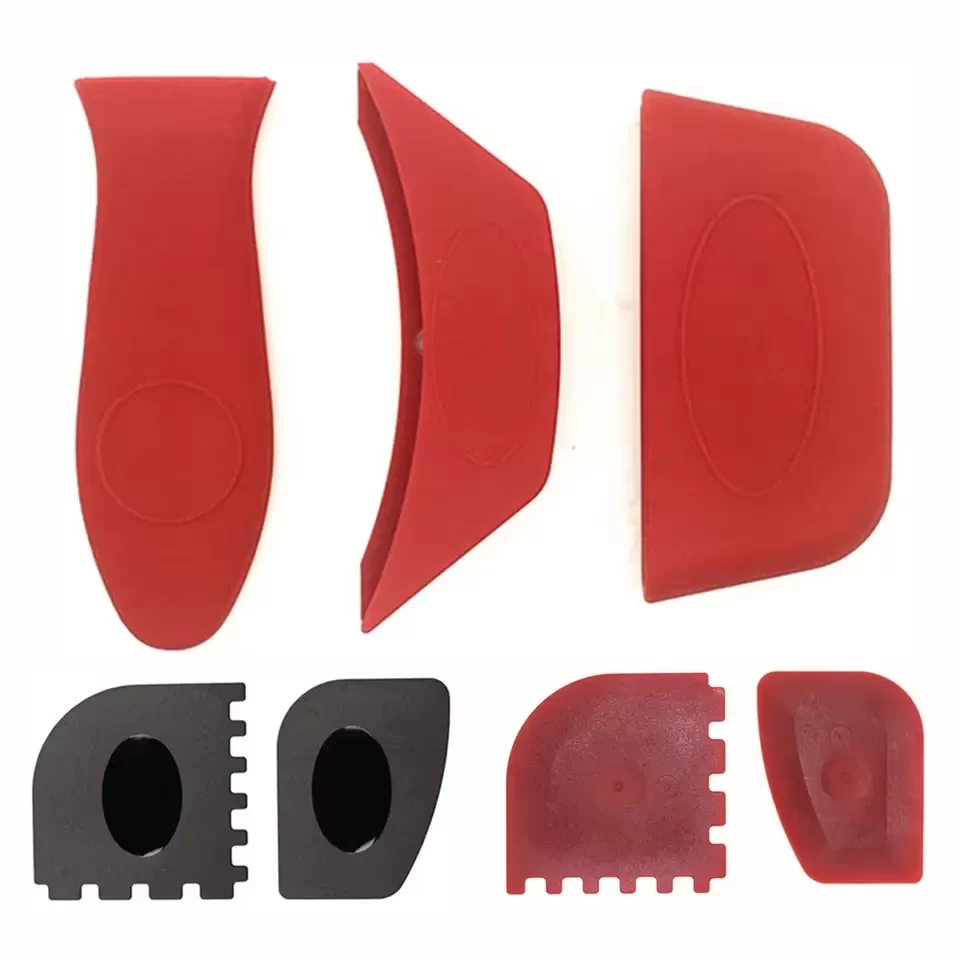
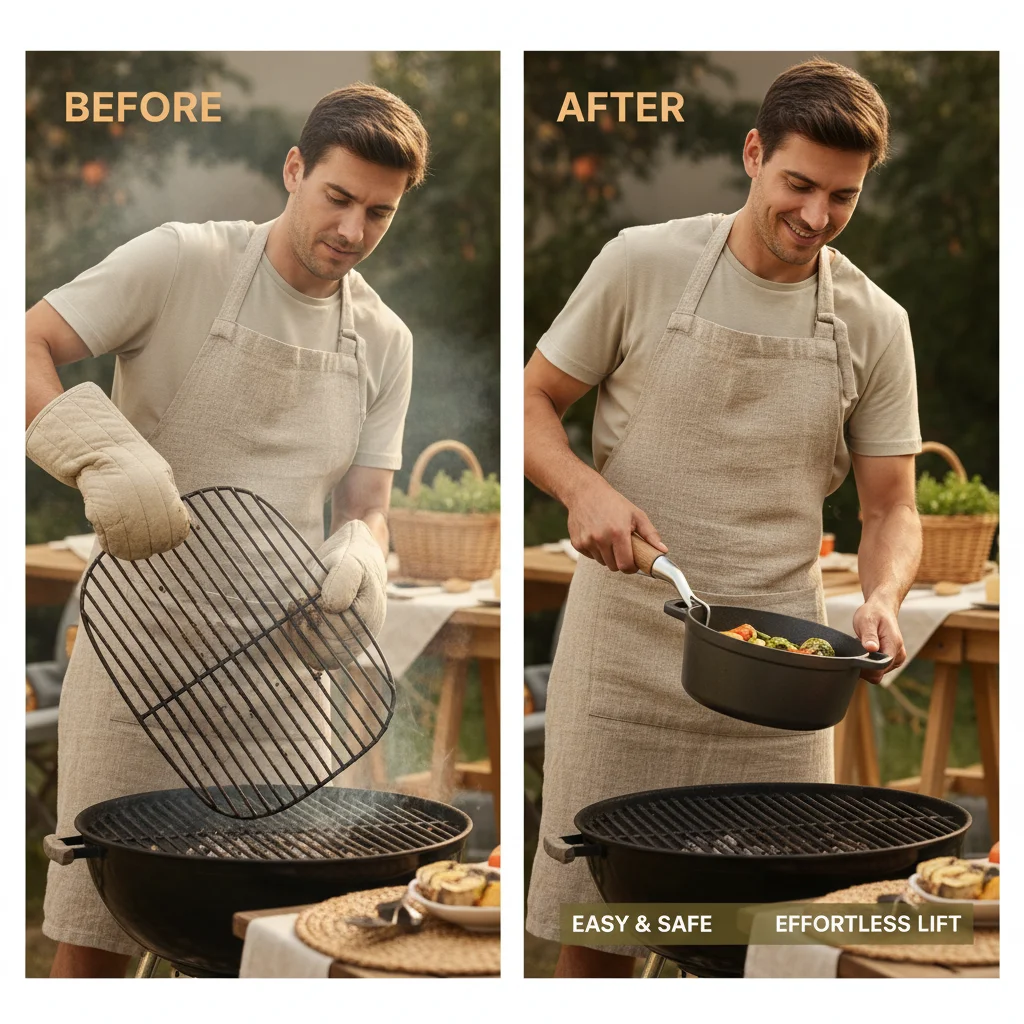
The biggest hurdle? Weight. Cast iron pans aren’t light, which can mean a tough time for folks with limited hand strength. Solutions range from smaller pan models to assists like silicone grips or detachable handles.
Another challenge is maintenance: seasoning can intimidate beginners. But many vendors now ship pans pre-seasoned, and online tutorials make upkeep manageable. If a pan rusts, it’s usually fixable with some elbow grease.
Frequently Asked Questions About Cast Iron Sourdough Pan
1. Is a cast iron pan better than a Dutch oven for sourdough baking?
Both provide great heat retention and steam trapping (if covered), but cast iron pans often have a wider base, offering more baking surface and easier handling. Dutch ovens generally hold heat well but are heavier and bulkier. It ultimately depends on your oven and preferred bread shape.
2. How should I season my cast iron sourdough pan?
After cleaning, coat the pan lightly in vegetable oil or flaxseed oil, then bake it upside down in the oven at 450°F for about one hour. Repeat several times for best results. Pre-seasoned pans reduce the effort needed.
3. Can I use a cast iron pan on an induction cooktop?
Absolutely! Cast iron’s ferrous composition makes it ideal for induction heating, offering a strong, even heat source for your baking or stovetop cooking.
4. Are cast iron sourdough pans dishwasher safe?
No, washing cast iron in a dishwasher will strip its seasoning. Hand wash with warm water and a brush, then dry immediately and apply a thin coat of oil.
Conclusion: Elevate Your Bread Game With Cast Iron
Long-term, investing in a quality cast iron sourdough pan isn’t just about better bread; it’s about embracing tradition, sustainability, and kitchen reliability. Whether you’re a home baker craving that signature crust or a small bakery seeking consistent results, this cookware answers many challenges with elegance and long-lasting value.
Ready to take your sourdough to the next level? Check out Kingway Cookwares for expertly crafted cast iron pans that bring old-world baking wisdom into your modern kitchen.
References