Cornbread Skillet Cast Iron: Durable, Authentic, and Sustainable Cookware for Every Kitchen
The Essential Guide to Cornbread Skillet Cast Iron: Heritage Meets Modern Kitchen
At first glance, a cornbread skillet cast iron might seem like an old-school cookware piece, relic of rustic kitchens past. But globally, its significance endures for cooks, food lovers, and manufacturers alike. Understanding why this humble pan still thrives offers insights into durability, sustainability, and culinary tradition all rolled into one.
Introduction: Global Relevance and Industry Context
Cast iron cookware, including specialized pans for cornbread, has roots that stretch back hundreds of years worldwide. According to the Wikipedia entry on Cast Iron Cookware, about 83% of American households own at least one cast iron pan. This is no coincidence: cast iron's unparalleled heat retention and durability make it a kitchen staple in regions where energy efficiency and longevity count, like in parts of the US Midwest and Southern states — cornbread's heartland.
The production and sale of cast iron pans also impact local economies and the global supply chain, encompassing iron smelting, foundry operations, and distribution networks. Yet, challenges remain in balancing sustainability with the energy-intensive casting process. The ISO standards for foundry emissions and energy use push manufacturers toward greener practices.
In essence, the cornbread skillet cast iron is more than a pan; it symbolizes a fusion of tradition meeting modern industry demands and ecological considerations.
What Is a Cornbread Skillet Cast Iron?
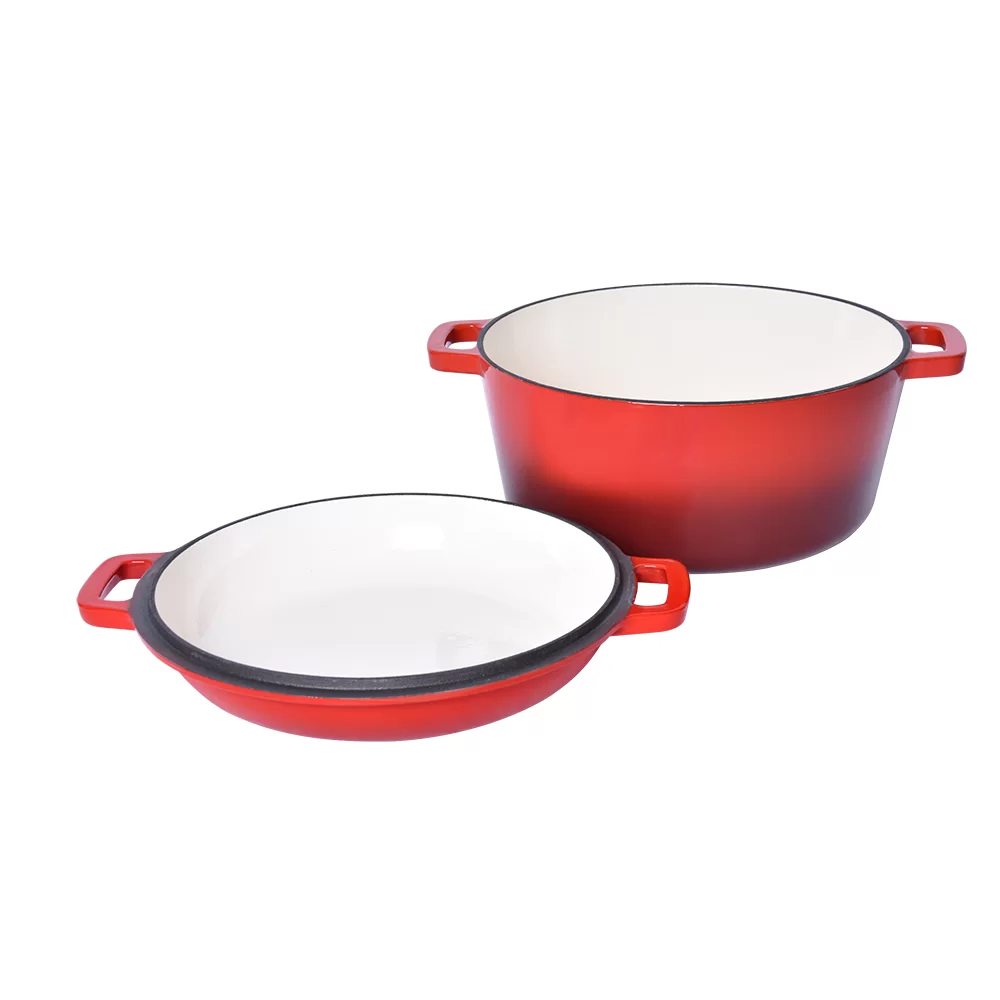
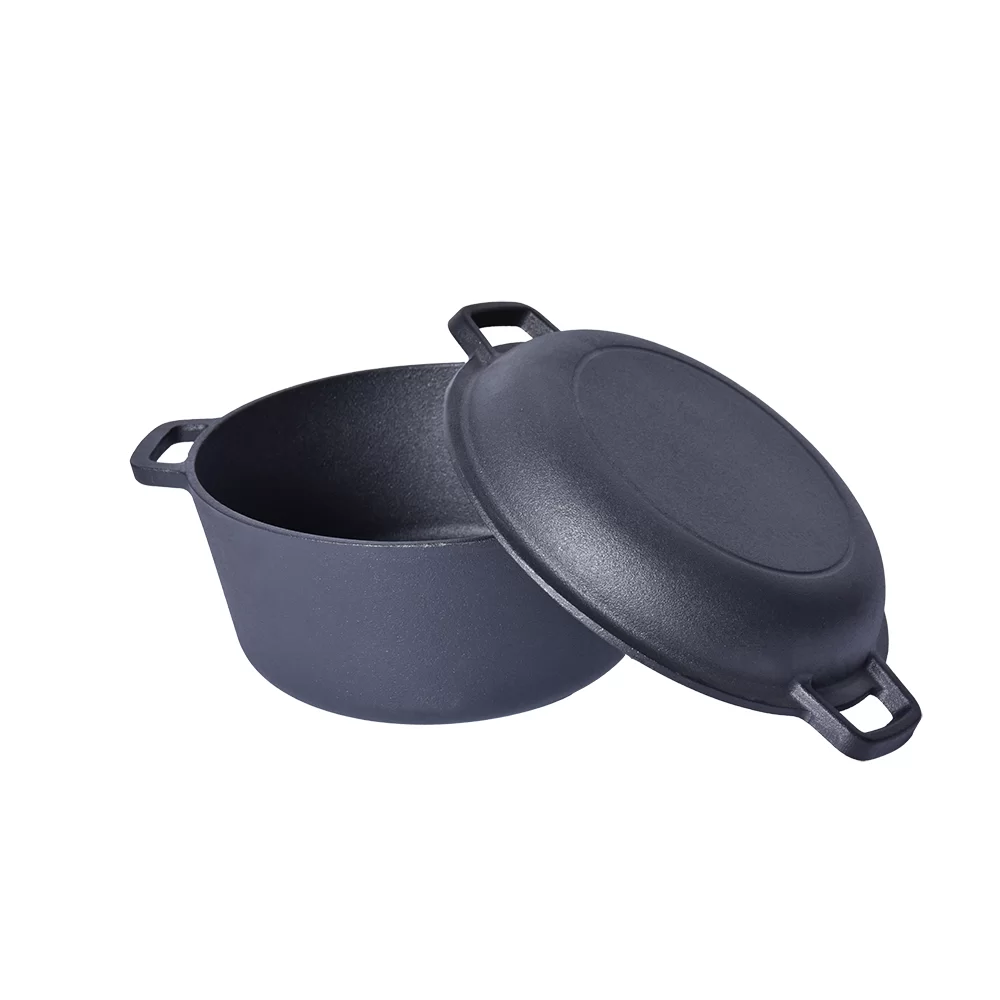
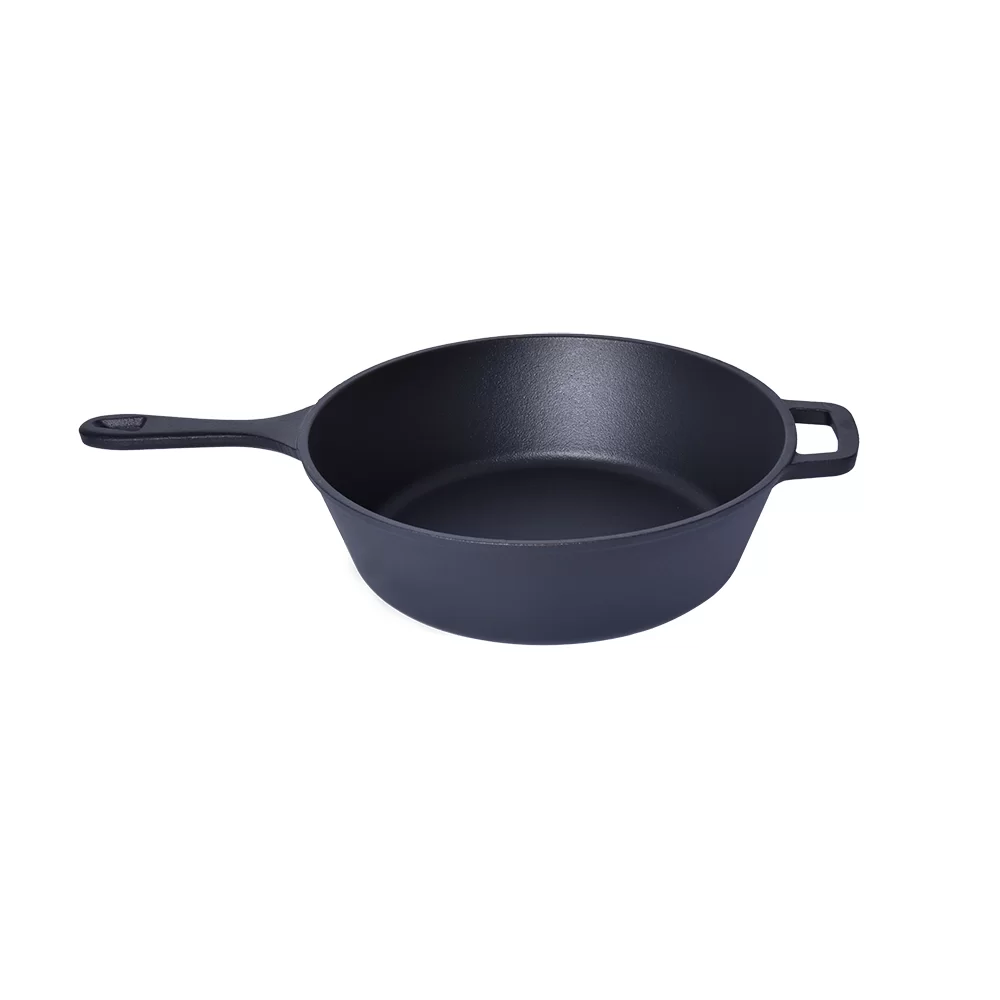
A cornbread skillet cast iron is a specially designed heavy-duty pan made from cast iron, optimized for baking cornbread. Unlike general frying pans, it typically features deeper walls and a flat bottom, creating an ideal environment for even baking and that prized crispy crust that cornbread aficionados crave. The pan’s heat retention and distribution properties help achieve consistent results, whether used on a stovetop, oven, or even an open campfire.
This cookware is a direct link to culinary heritage — especially in Southern US cooking — yet stands as a testament to modern manufacturing processes that ensure precision, durability, and safety.
Key Features of Cornbread Skillet Cast Iron
Durability and Longevity
Cast iron ranks high for toughness. These skillets can last generations with proper care — an environmental bonus reducing waste and replacing cheaper, short-lived alternatives. The pan can withstand high temperatures without warping or degradation, which appeals to both home cooks and professional chefs.
Heat Retention & Even Cooking
A cast iron skillet absorbs and holds heat, distributing it uniformly. This means your cornbread gets a crispy crust while staying moist inside — no burnt spots, no soggy bottoms. To me, it feels like the difference between a home-cooked meal and something made on a rushed assembly line.
Versatility & Use Cases
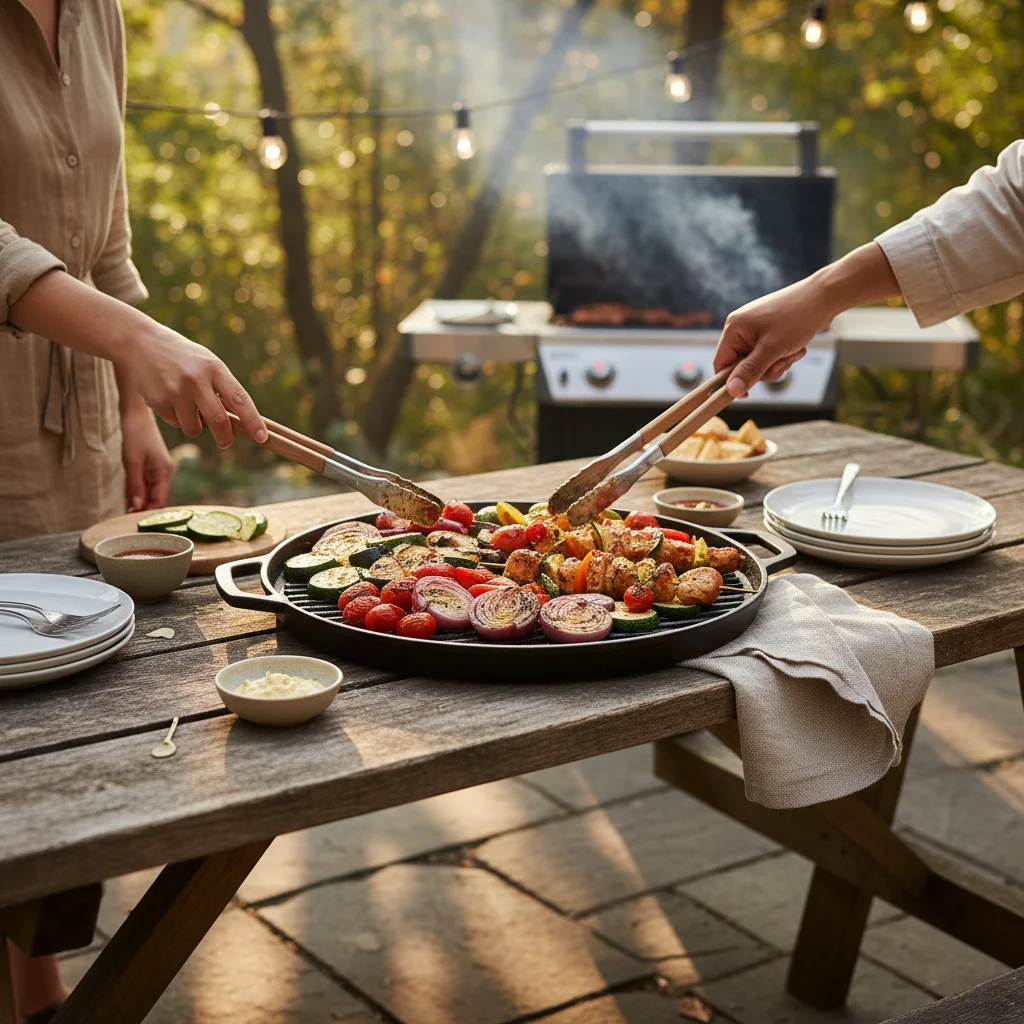
Though designed for cornbread, these skillets double as multipurpose pans for frying, searing, roasting, and even baking other bread varieties. Their ruggedness lends them well to indoor or outdoor use — from conventional ovens to campfire cooking.
Affordability & Cost Efficiency
While the initial cost can be higher than aluminum pans, their durability and multi-functionality offer excellent long-term savings. The environmental impact of frequent replacements with cheaper materials is also noticeably lessened.
Sustainability
Cast iron is 100% recyclable, and many brands now incorporate recycled materials. Additionally, many manufacturers have adapted to more energy-efficient furnace technology, cutting down carbon footprints without sacrificing quality.
| Feature | Specification |
|---|---|
| Diameter | 8 to 10 inches |
| Depth | 1.5 to 2 inches |
| Material | Cast iron with seasoned finish |
| Weight | 4 to 6 pounds |
| Heat Tolerance | Up to 500°F (260°C) |
Global Applications & Use Cases
Interestingly, while the cornbread skillet cast iron is deeply tied to Southern US cooking traditions, its utility spans continents. In Latin America and Africa, for example, cast iron cookware is prized for similar reasons — heat retention and durability. NGOs organizing community cooking programs, especially in resource-limited areas, rely on such reliable cookware for nutritional food preparation (think maize breads or local equivalents).
In the hospitality industry, many restaurants invest in cornbread skillet cast iron for menu authenticity and quality consistency. Outdoor enthusiasts also swear by these pans for campfire baking — their robustness and even heat make camp cookouts truly memorable.
Advantages & Long-Term Value
- Cost-effectiveness: You buy once, likely for life.
- Eco-friendly: Recyclability and long life reduce landfill waste.
- Reliable performance: Even heat means no guessing when baking.
- Emotional value: Heirloom potential adds sentimental worth.
- Health benefits: Cooking with cast iron can add dietary iron.
It’s hard not to feel a measure of trust and comfort when you slide that cornbread into a skillet that’s as sturdy as it is familiar. It’s like owning a piece of culinary history that grows more valuable with every use.
Future Trends & Innovations
Oddly enough, even a staple like cast iron is seeing innovation. More manufacturers are experimenting with eco-conscious foundry methods — use of renewable energy and waste heat recovery during casting. Digital transformations have introduced precision molding and quality control, ensuring each skillet meets exacting standards.
Coatings are also advancing. While traditional skillets require seasoning, new finishes offer non-stick properties without compromising heat retention. Moreover, some brands are exploring hybrid materials combining cast iron’s heat dynamics with lighter alloys to aid portability.
Sustainability continues driving research — such as circular economic models encouraging recycling and refurbishment programs.
| Brand | Material Quality | Price Range | Pre-seasoned? | Sustainability Practices |
|---|---|---|---|---|
| Kingway Cookwares | High-grade cast iron with eco-friendly finish | $35–$50 | Yes | Renewable energy used in foundry |
| Lodge | Standard cast iron | $25–$40 | Yes | Some recycling efforts |
| Victoria | Heavy-duty iron, traditional finishing | $20–$35 | No | Limited eco certification |
Challenges & Solutions
One challenge with cast iron, including cornbread skillets, is their weight — not everyone enjoys hauling a 5-pound pan out. Another is maintenance; cast iron requires seasoning to prevent rust, which can intimidate new users. Thankfully, brands like Kingway Cookwares offer pre-seasoned options, reducing prep hassle without sacrificing quality.
Environmental concerns also prompt questions about energy consumption during manufacturing. Industry experts suggest that improved furnace technology and better recycling can mitigate this, aligning tradition with a future of greener industry.
Frequently Asked Questions About Cornbread Skillet Cast Iron
- Q: How do I maintain my cast iron cornbread skillet properly?
A: Clean with hot water and a nylon brush, avoid soap if possible. Dry immediately and apply a light coat of oil to prevent rust. Seasoning may be necessary occasionally to maintain the non-stick surface. - Q: Can I use my cornbread skillet on any heat source?
A: Yes, cast iron works on gas, electric, induction stovetops, and in ovens. It’s also excellent for campfire cooking due to its heat retention. - Q: Why is cast iron better than aluminum for baking cornbread?
A: Cast iron distributes heat evenly and retains it longer than aluminum, resulting in a golden, crispy crust, essential for authentic cornbread texture. - Q: Is it safe to cook acidic foods like tomatoes in cast iron?
A: Occasionally, yes, but prolonged exposure can damage seasoning and impart metallic flavors. For frequent acidic cooking, consider enamel-coated cast iron. - Q: How can I tell if a cornbread skillet cast iron is well-made?
A: Look for smooth surfaces inside (no pits), even thickness, and a well-finished handle. Brands with sound sustainability practices and positive reviews are also good indicators.
Conclusion: Timeless Tradition with a Modern Twist
The cornbread skillet cast iron embodies a rare blend: heritage culinary artistry intertwined with modern manufacturing and eco-awareness. Its enduring presence in kitchens worldwide mirrors a desire for quality, sustainability, and authentic taste—and frankly, it just makes great cornbread every time.
Looking to upgrade your cookware with a pan that truly lasts? Visit our website at Kingway Cookwares to explore our selection of expertly crafted cornbread skillets made from premium cast iron.
References