Exploring Different Types of Pestle and Mortar for Optimal Flavor
Types of Pestle and Mortar: A Comprehensive Guide
The pestle and mortar is an ancient tool, essential in culinary traditions worldwide and increasingly popular for preparing ingredients for various purposes. Choosing the right pestle and mortar depends on what you intend to grind or crush. From traditional marble to modern stainless steel, each material offers unique benefits. This article explores the different pestle and mortar types, their uses, and how to select the best one for your needs. Understanding these differences will ensure you can effectively prepare ingredients for optimal flavor and texture.
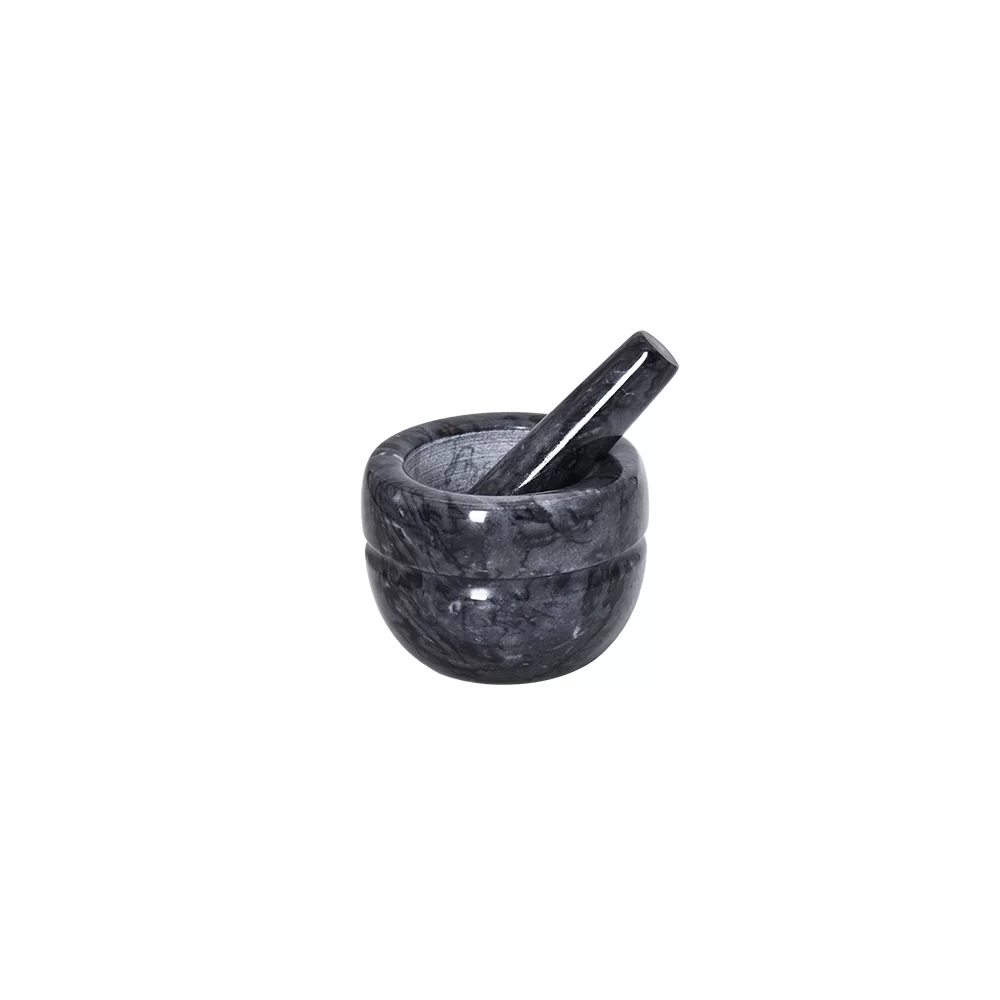
Marble Pestle and Mortar: The Classic Choice
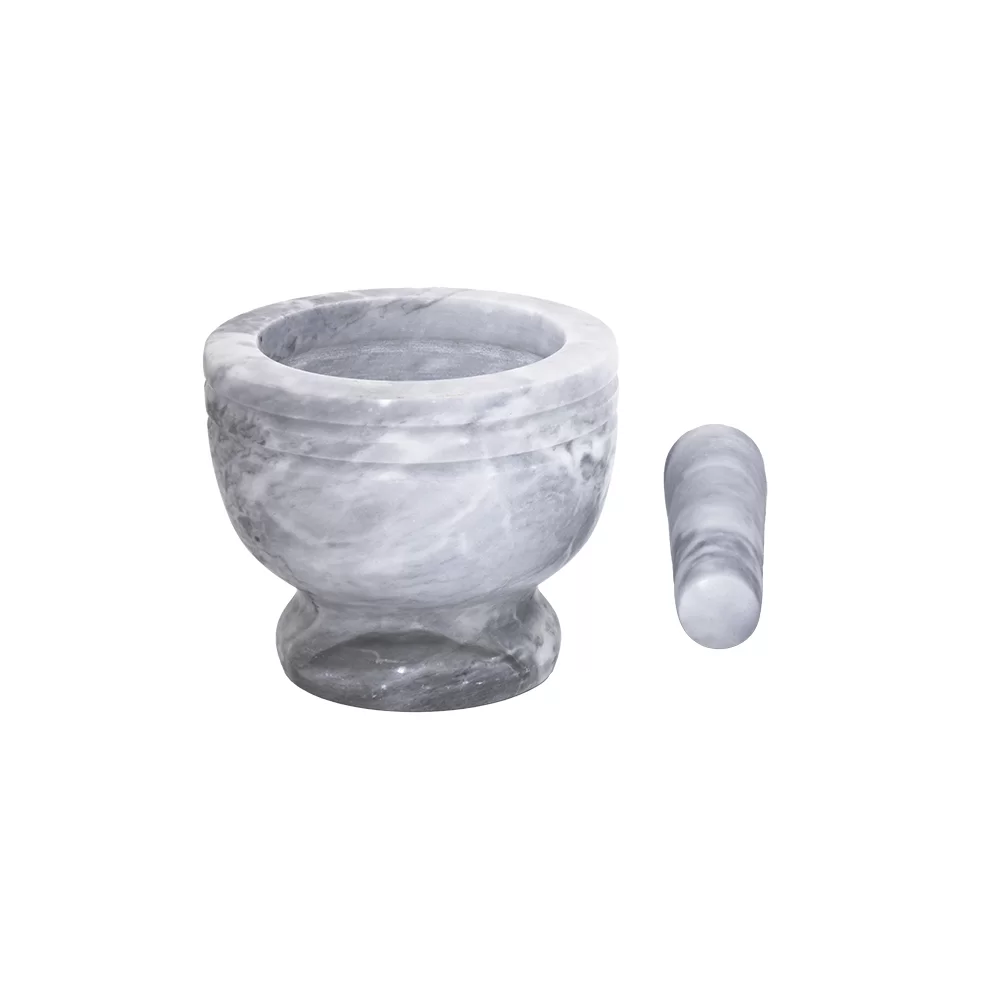
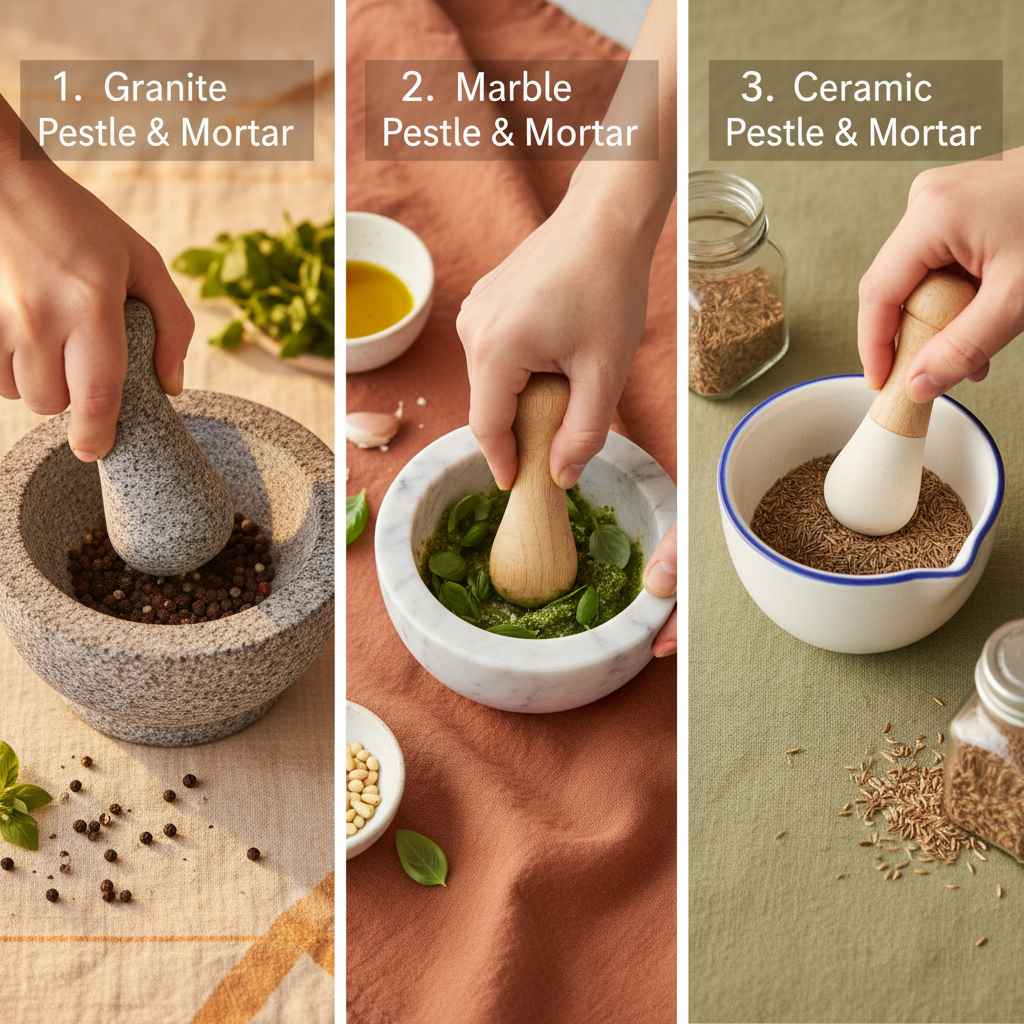
Marble pestle and mortars are renowned for their weight and ability to create a smooth paste. The weight aids in grinding, requiring less effort from the user. Marble is ideal for grinding spices, herbs, and making pastes like pesto or guacamole. However, marble is porous and can absorb flavors and odors over time, so it’s best to dedicate a separate mortar for different flavor profiles. Proper cleaning is essential. They are often beautifully crafted and serve as an attractive kitchen display piece. The natural stone provides excellent heat retention, which can be beneficial when grinding spices to release their oils.
Key Highlights: Heavy weight aids grinding, creates smooth pastes, ideal for spices and herbs, requires dedicated use to avoid flavor transfer.
Granite Pestle and Mortar: Durability and Neutrality
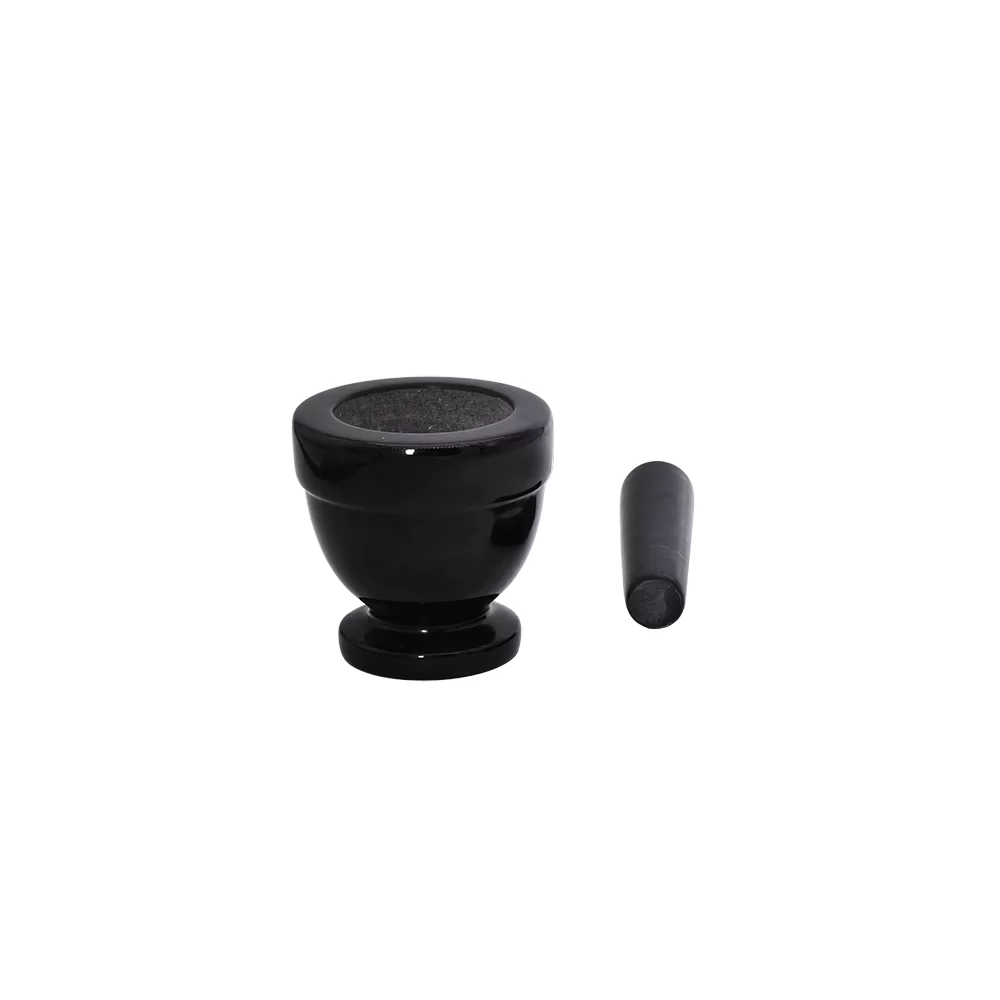
Granite offers a durable and non-porous alternative to marble. It’s an excellent choice for grinding tougher ingredients, such as nuts and seeds, without absorbing flavors. Granite mortars are typically rougher in texture than marble, resulting in a coarser grind. This can be advantageous when you desire a more textured paste or when grinding larger quantities of ingredients. Granite is also less prone to chipping or cracking compared to marble, making it a long-lasting investment. It's a practical choice for everyday use.
Granite Advantages:
• Durable and resistant to chipping
• Non-porous – doesn’t absorb flavors
• Suitable for tough ingredients like nuts and seeds
• Provides a coarser grind
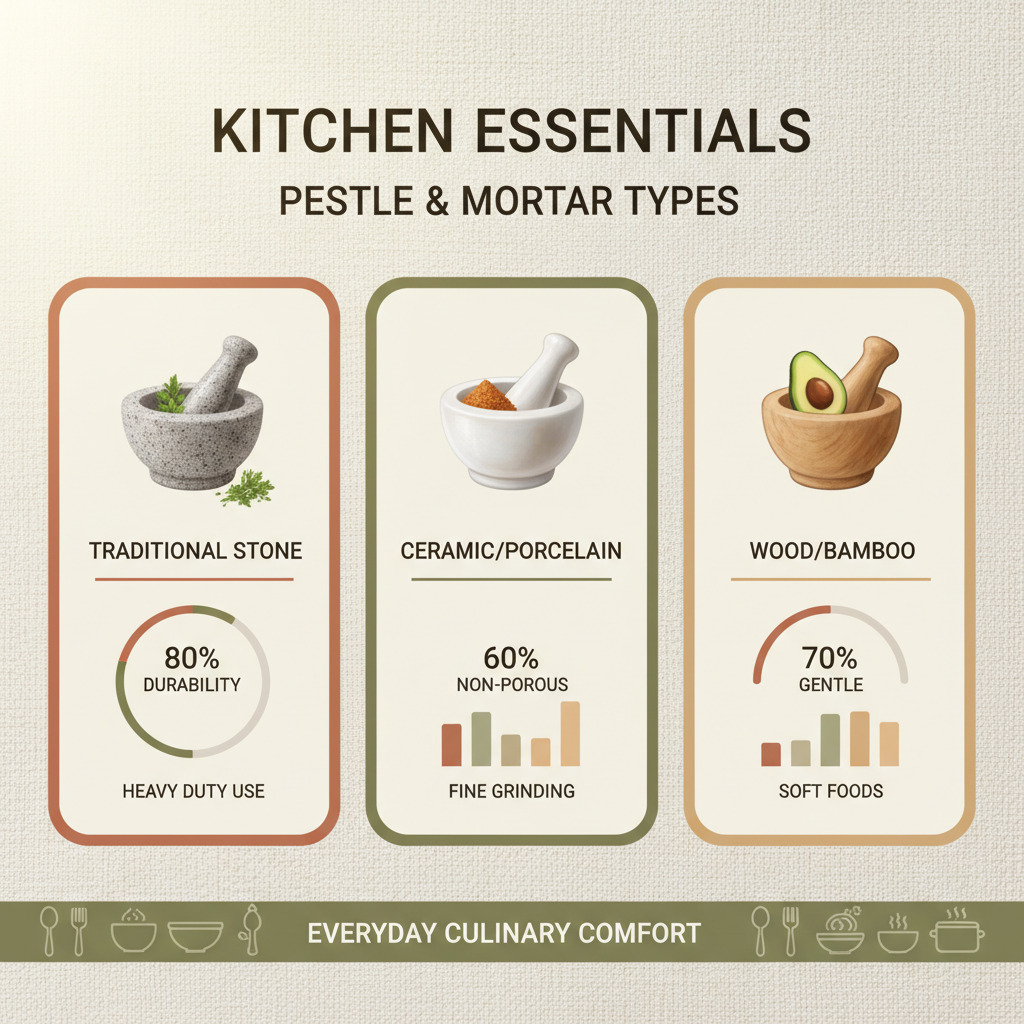
Types of Pestle and Mortar: A Comparison Chart
Here’s a detailed comparison of the most common pestle and mortar types to help you make an informed decision:
Wood Pestle and Mortar: A Traditional Option
Traditionally crafted from hardwoods like olive wood or maple, wooden mortars offer an affordable and lightweight option. They are best suited for grinding dry spices as they readily absorb flavors and can be challenging to clean thoroughly. Wood mortars are visually appealing and add a rustic touch to any kitchen. However, their porous nature makes them unsuitable for wet ingredients or flavors you wish to keep distinct.
Stainless Steel Pestle and Mortar: Modern and Hygienic
Stainless steel pestle and mortars are a modern alternative offering excellent durability and hygiene. They are easy to clean and won't absorb flavors, making them versatile for various ingredients. While they can be slippery and somewhat noisy to use, their practicality and resistance to staining make them a popular choice for many cooks. The smooth surface provides a consistent grind, though it might require more effort than heavier materials like marble.
Conclusion: Choosing the Right Pestle and Mortar
Selecting the right pestle and mortar depends on your specific needs and preferences. Consider the types of ingredients you'll be grinding, your budget, and your cleaning habits. Each material offers unique advantages, and understanding these differences will help you make the best choice for your kitchen. Investing in a quality pestle and mortar can elevate your culinary experience, allowing you to unlock fresh flavors and create authentic dishes.
Frequently Asked Questions (FAQs)
What's the best way to clean a marble pestle and mortar?
Due to marble's porous nature, avoid using harsh detergents or abrasive cleaners. Instead, use warm water and a soft sponge to gently scrub the mortar. For lingering odors, create a paste of baking soda and water, apply it to the interior, let it sit for a few hours, and then rinse thoroughly. Avoid putting the marble mortar in the dishwasher. Complete drying is crucial to prevent water spots and potential staining. A dedicated brush for cleaning can also help remove residue effectively.
Can I use a pestle and mortar for making pesto?
Yes, a pestle and mortar is the traditional and arguably best way to make pesto! Marble or granite are excellent choices for this purpose. The grinding action releases the oils from the basil, creating a vibrant and flavorful pesto. Avoid using wood, as it will absorb the flavors. Gently grind the garlic and pine nuts first, then add the basil leaves in batches, followed by the parmesan cheese and olive oil.
How do I prevent my wooden pestle and mortar from absorbing flavors?
Wooden pestle and mortars are prone to absorbing flavors. To minimize this, dedicate the mortar to specific types of spices or ingredients. After each use, thoroughly clean with warm water and a mild dish soap. Allow it to air dry completely. Occasionally, rubbing the wood with a food-grade mineral oil can help prevent it from becoming overly dry and porous. Using only dry ingredients will also reduce absorption.
Is a larger pestle and mortar always better?
Not necessarily. While a larger mortar offers more space for grinding larger quantities, it can be more challenging to control and requires more effort. A smaller mortar is ideal for smaller batches and more precise grinding. Consider the typical amount of ingredients you'll be processing when choosing the size. A versatile size for general use is around 6-8 inches in diameter.