Understanding the Diverse Types of Mortar and Pestle Pharmacy Tools
Understanding the Different Types of Mortar and Pestle for Pharmacy
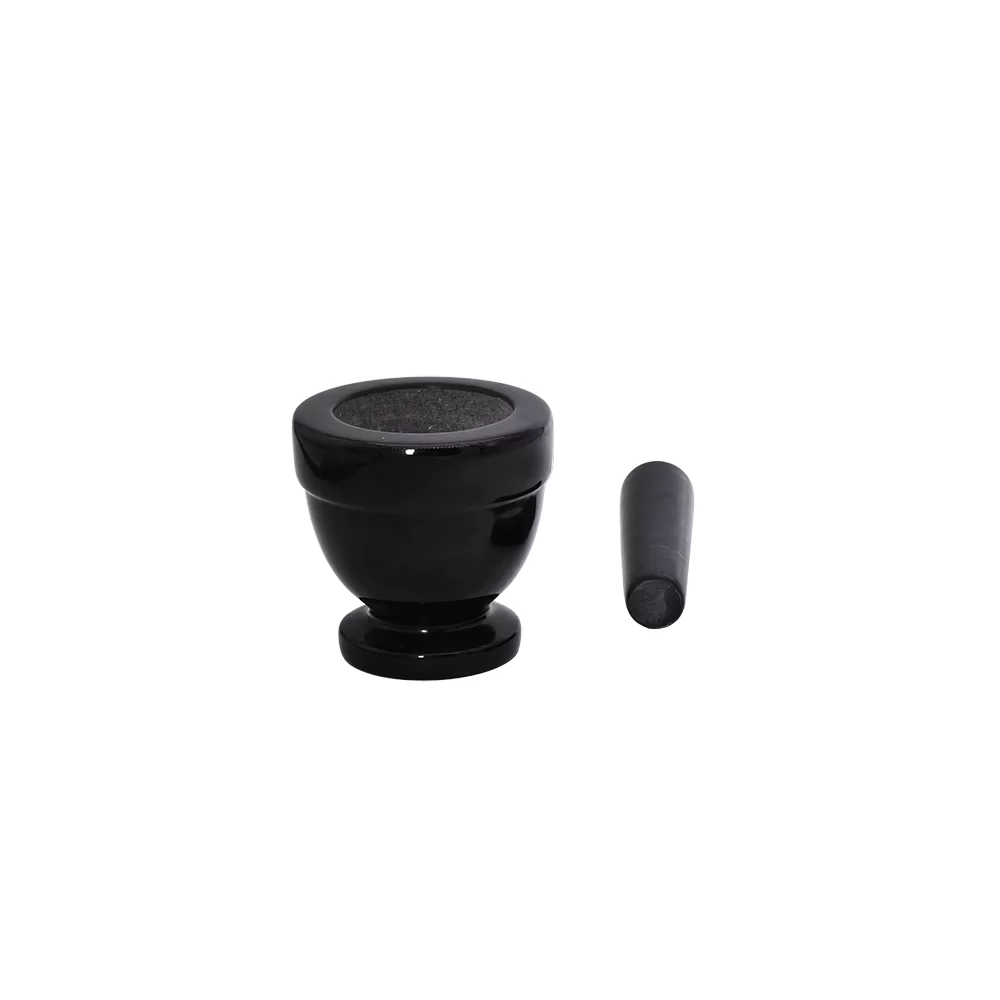
A mortar and pestle is an essential tool in any pharmacy, used for compounding medications, preparing herbal remedies, and performing various laboratory tasks. Choosing the right type is crucial for achieving optimal results and maintaining the integrity of the ingredients. Different materials offer unique properties that cater to specific needs. This article explores the various types of mortar and pestle used in pharmacy, discussing their characteristics, advantages, and best applications. Selecting the correct tool can significantly impact the efficacy and quality of pharmaceutical preparations.
Materials Used in Mortar and Pestle Construction
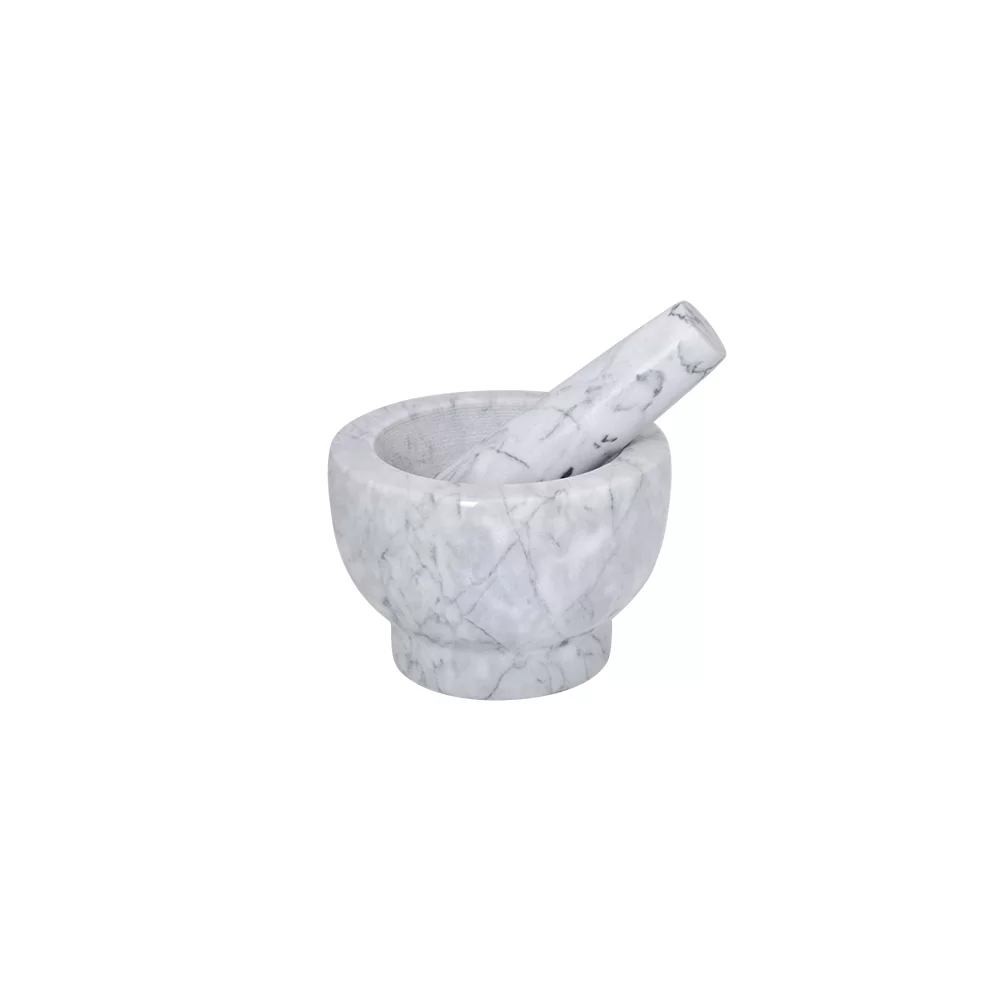
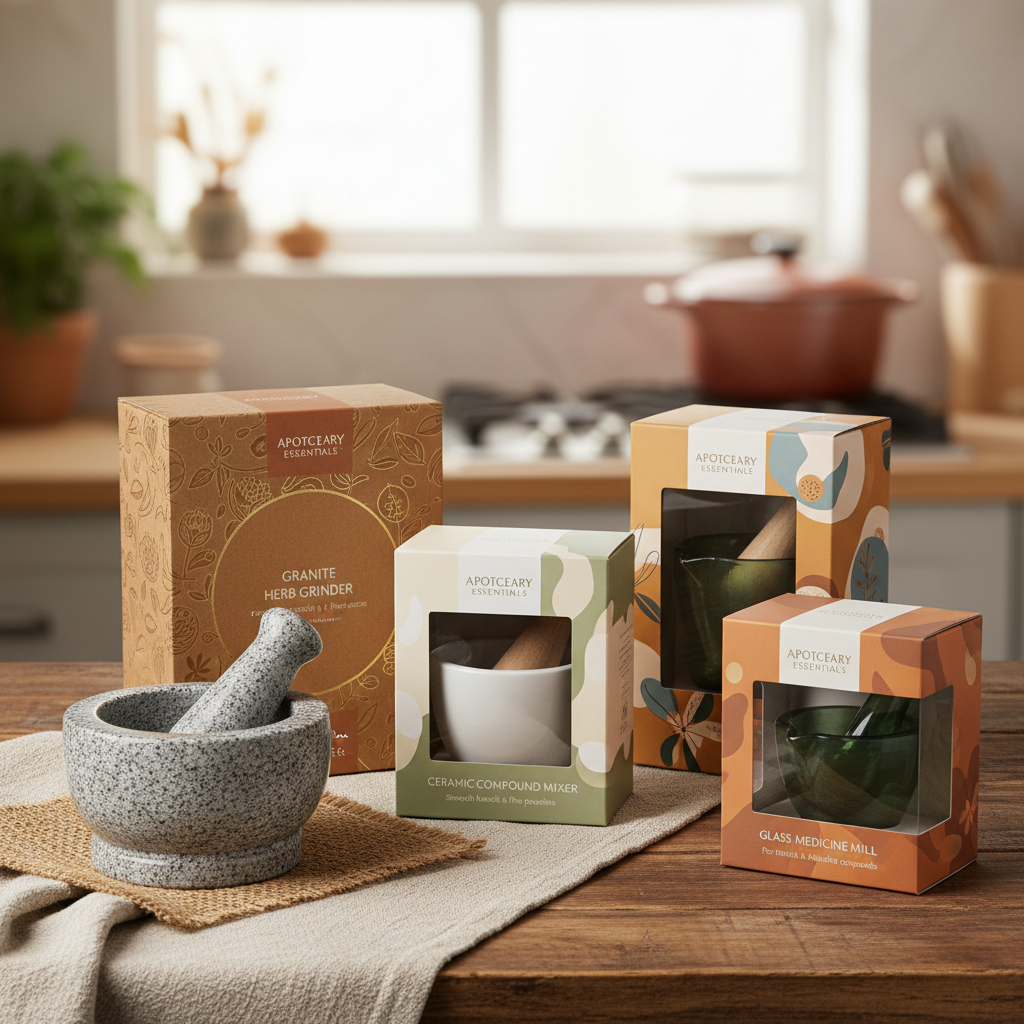
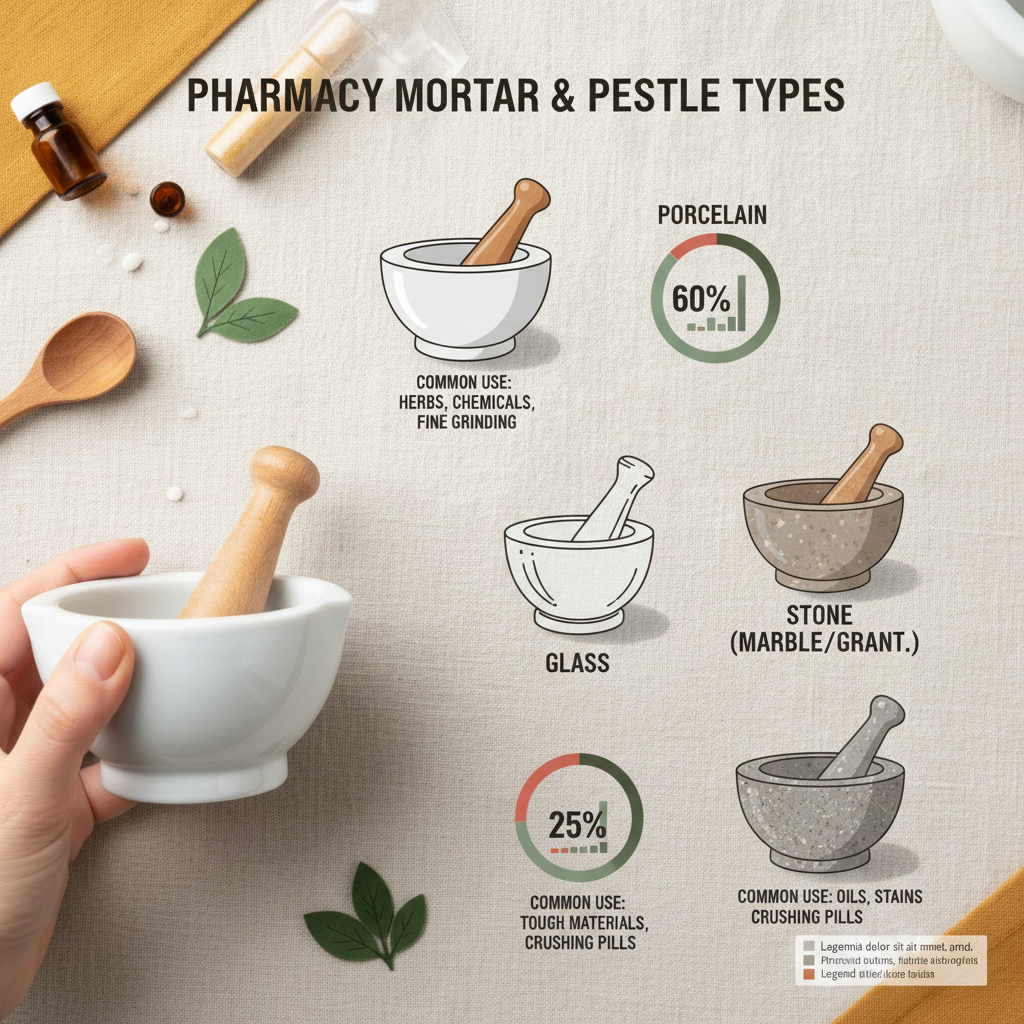
The material of a mortar and pestle plays a key role in its functionality. Common materials include porcelain, agate, glass, stainless steel, and wood. Each possesses distinct qualities that make it suitable for particular pharmaceutical applications. For example, porcelain is excellent for general grinding, while agate is preferred for creating very fine powders. Understanding the strengths and weaknesses of each material is paramount in ensuring the preparation of high-quality compounds.
Key Considerations: Material properties impact grinding efficiency, potential contamination, and suitability for different types of ingredients.
Porcelain Mortar and Pestles: The Workhorse of the Pharmacy
Porcelain mortar and pestles are the most commonly used type in pharmacies due to their versatility and affordability. They are suitable for a wide range of compounding tasks, including grinding tablets, mixing powders, and preparing ointments. Porcelain is non-porous, making it easy to clean and preventing contamination. However, it can be brittle and prone to chipping if subjected to excessive force or thermal shock. The smooth surface facilitates efficient grinding, but it may not achieve the same level of fineness as agate. Kingwaycookwares provides high quality porcelain mortar and pestle.
Porcelain Advantages:
• Versatile and affordable
• Non-porous and easy to clean
• Suitable for a wide range of compounding tasks
Agate Mortar and Pestles: For Ultrafine Powdering
Agate mortar and pestles are renowned for their exceptional hardness and ability to create extremely fine powders. They are ideal for preparing potent medications where particle size is critical. Agate is significantly more expensive than porcelain, and requires careful handling as it can be fragile. The smooth, non-reactive surface prevents contamination and ensures the purity of the final product. They're often favored for research and quality control applications.
Other Types of Mortar and Pestle
Beyond porcelain and agate, glass and stainless steel mortars and pestles are also available. Glass is useful when visual clarity is important during compounding, while stainless steel is ideal for applications requiring resistance to acids and bases. Wooden mortars and pestles, although less common in modern pharmacies, are still used in traditional medicine practices for preparing herbal remedies. The selection depends on the specific requirements of the pharmaceutical preparation.
Choosing the Right Mortar and Pestle for Your Needs
Selecting the appropriate mortar and pestle depends on the specific application. For routine compounding tasks, porcelain is a reliable and cost-effective choice. For preparing potent medications requiring ultrafine powders, agate is the preferred option. Consider the properties of the ingredients being used, the desired particle size, and the potential for contamination when making your decision. Investing in a high-quality mortar and pestle ensures accurate and consistent pharmaceutical preparations. Kingwaycookwares offers a variety of options.
Conclusion: Selecting the Optimal Tool for Pharmaceutical Accuracy
The mortar and pestle remains a vital tool in modern pharmacy, despite advancements in compounding technology. Choosing the right type, based on material properties and intended application, is essential for achieving accurate, consistent, and high-quality pharmaceutical preparations. Consider the factors outlined in this article to make an informed decision that meets the specific needs of your pharmacy.
Frequently Asked Questions (FAQs)
What is the best way to clean a porcelain mortar and pestle?
A porcelain mortar and pestle should be cleaned thoroughly after each use to prevent cross-contamination. Use warm water and a mild detergent. For stubborn residues, a soft brush can be used to gently scrub the surface. Avoid abrasive cleaners, as they can damage the porcelain. Rinse thoroughly and allow to air dry completely before storing. It's crucial to ensure all traces of previous compounds are removed before preparing new medications.
Can I use a mortar and pestle to grind hard tablets?
Yes, but with caution. Porcelain or agate mortars and pestles can be used to grind hard tablets, but apply gradual pressure and avoid excessive force. Start with gentle circular motions and gradually increase the pressure as needed. For very hard tablets, consider using an agate mortar and pestle, as it's more durable. Be mindful of potential chipping or cracking, especially with porcelain.
How do I prevent cross-contamination when using a mortar and pestle?
Preventing cross-contamination is paramount in pharmaceutical compounding. Dedicated mortars and pestles should be used for different types of compounds (e.g., hormones, antibiotics). Clean the mortar and pestle thoroughly after each use, as described above. Consider using separate mortars and pestles for potent or hazardous compounds. Proper cleaning and segregation are essential for maintaining the purity and safety of pharmaceutical preparations.