
Sourdough Baking Time Adjustments in Dutch Oven Cast Iron Bread
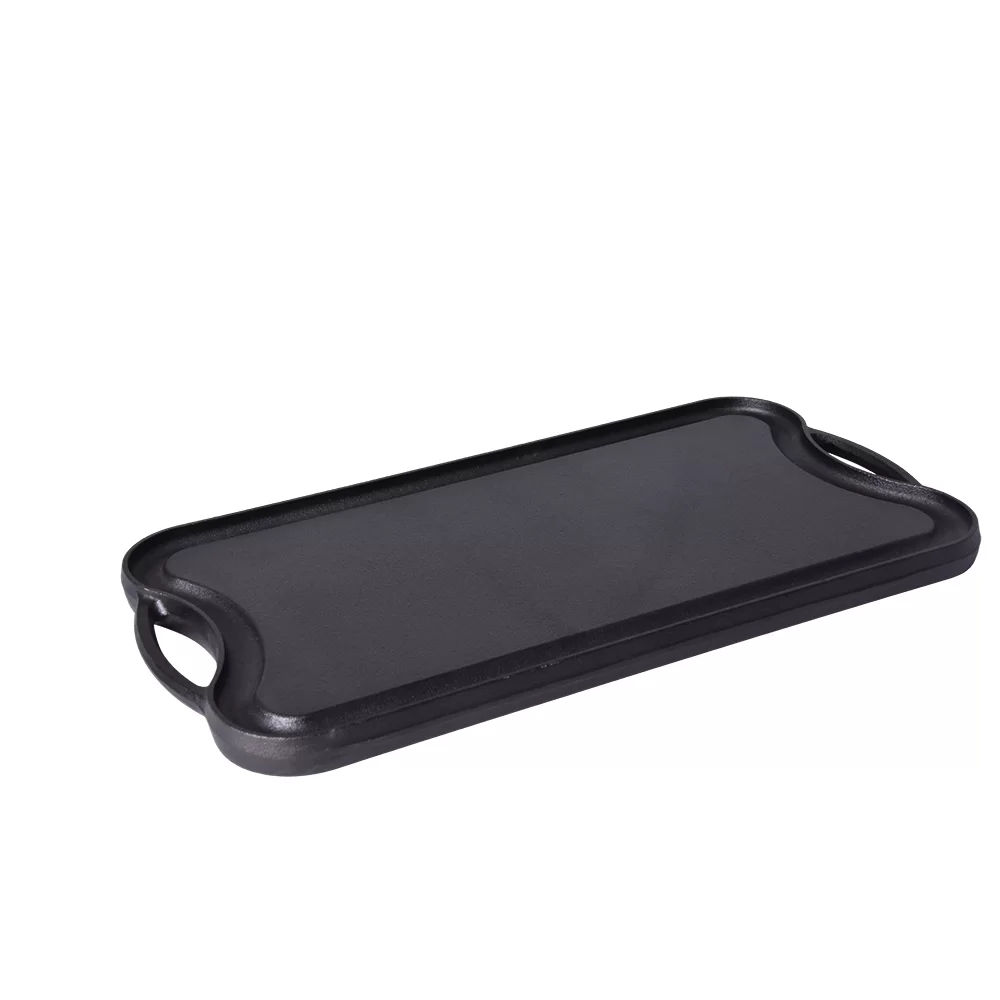
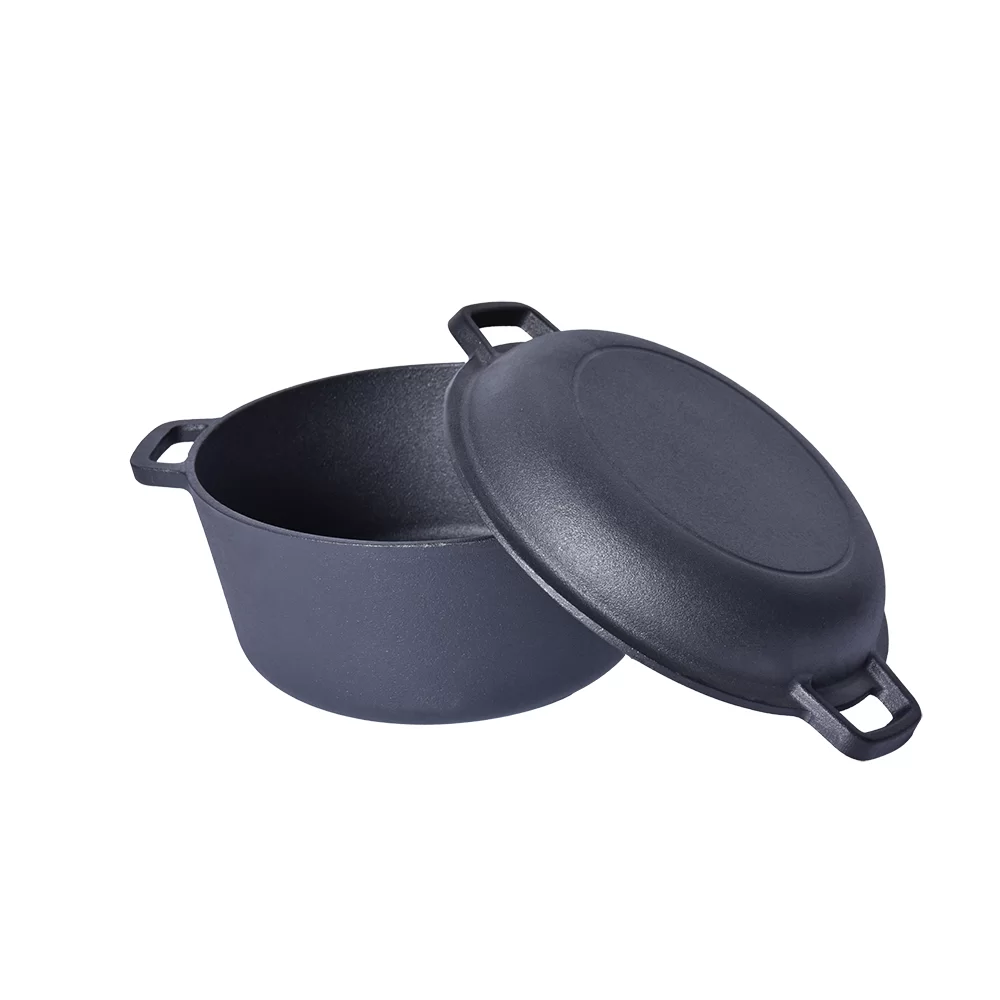
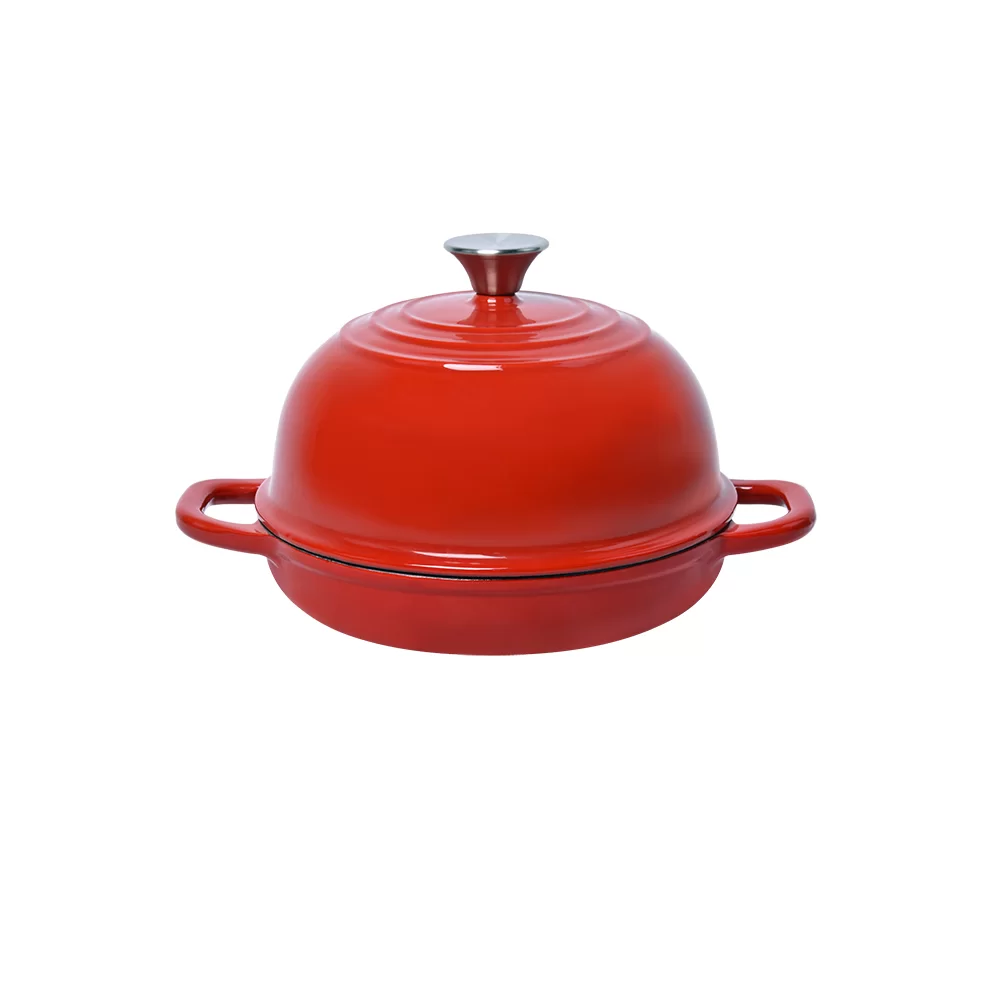
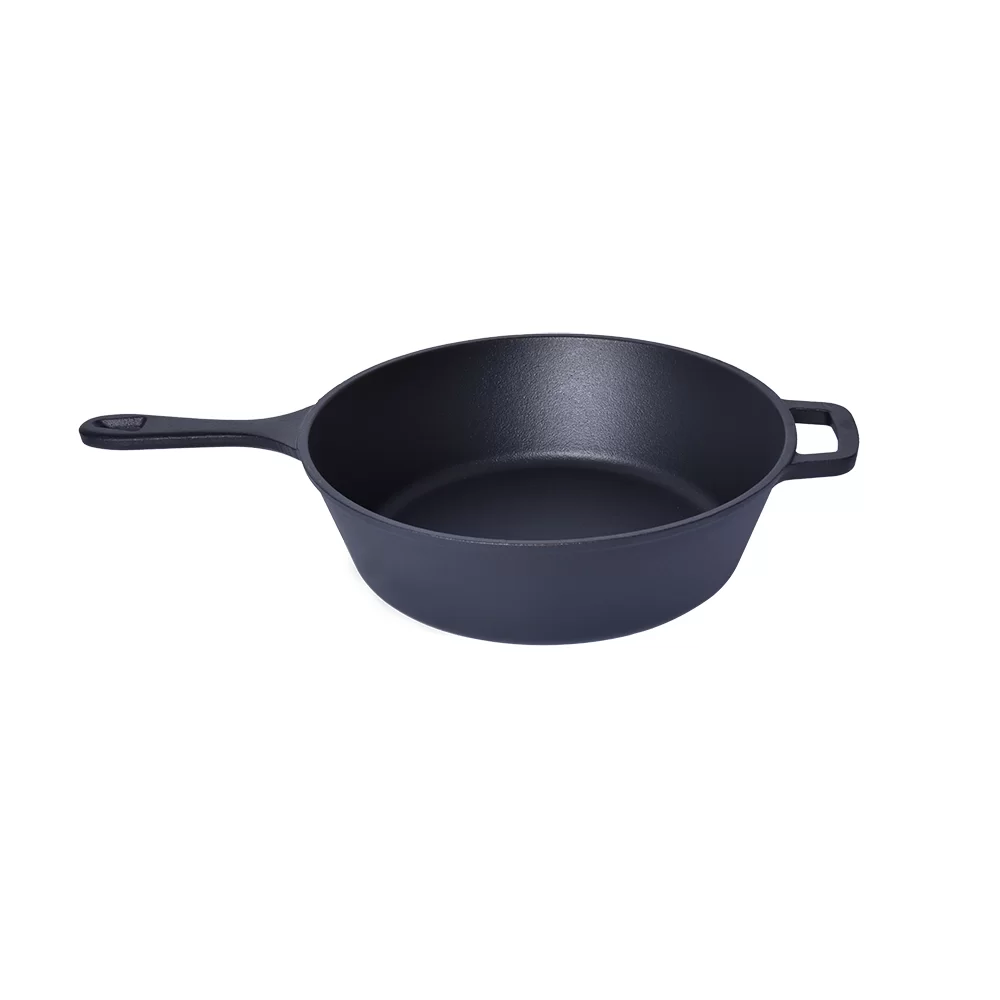
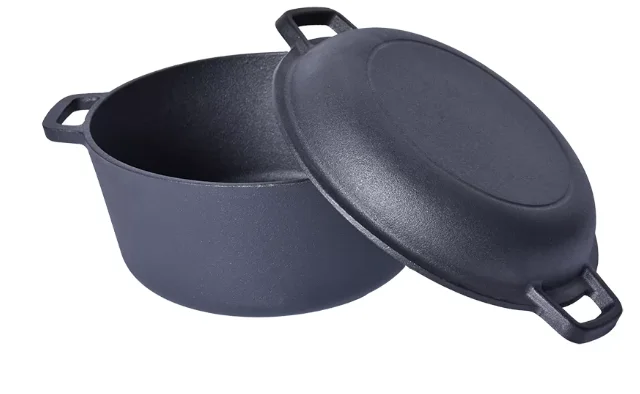
In the artisanal baking and cookware market, cast iron dutch oven for sourdough, dutch oven cast iron bread, and sourdough cast iron dutch oven setups have become indispensable for home bakers and commercial studios alike, valued for their ability to replicate professional bakery results. SHIJIAZHUANG KINGWAY IMP.&EXP.CO.,LTD. a specialist in cast iron products, has engineered a versatile dual-loaf cast iron baking set that adapts seamlessly to sourdough baking needs—combining two uniquely shaped pieces to function as separate loaf pans or a unified Dutch oven.
Baking Time Adjustments for Cast Iron Dutch Oven for Sourdough Based on Loaf Size
l Cast Iron Dutch Oven for Sourdough from SHIJIAZHUANG KINGWAY IMP.&EXP.CO.,LTD. requires precise time adjustments based on loaf size, as cast iron’s heat retention amplifies the impact of dough weight on baking duration. For standard 800–1000g sourdough loaves (the most common home-baking size), the recommended baking time in the Dutch oven mode is 45–55 minutes total: 30–35 minutes with the lid on (to trap steam for crust formation) and 15–20 minutes with the lid off (to crisp the crust). For smaller loaves (500–700g, ideal for single households), reduce the total time by 10–15 minutes: 25–30 minutes covered and 10–15 minutes uncovered. This adjustment prevents over-baking, which can dry out the crumb— a common issue when using cast iron without scaling time to loaf size. SHIJIAZHUANG KINGWAY IMP.&EXP.CO.,LTD.’s dual-loaf design allows bakers to bake two small loaves at once with the same time adjustments, making it efficient for bulk orders or family baking.
l For larger sourdough loaves (1200–1500g, popular for commercial bakeries or gatherings), extend the total baking time by 15–20 minutes: 35–40 minutes covered and 20–25 minutes uncovered. The cast iron’s even heat distribution ensures the large loaf cooks through without developing a burnt crust, but the extra time is necessary to penetrate the thicker dough. Wholesalers should advise clients to use a thermometer to verify doneness— insert it into the center of the loaf; a reading of 92–96°C indicates perfect baking. SHIJIAZHUANG KINGWAY IMP.&EXP.CO.,LTD.’s cast iron Dutch oven’s thick walls maintain stable temperatures throughout the extended bake time, preventing hot spots that could lead to uneven cooking. For clients offering baking classes, emphasizing these size-based time adjustments helps students achieve consistent results, enhancing the perceived value of the cast iron dutch oven for sourdough.
Steam and Temperature Impact on Dutch Oven Cast Iron Bread Baking Time
l Dutch Oven Cast Iron Bread baking time is heavily influenced by steam retention and oven temperature, and design optimizes both factors to streamline adjustments. The Dutch oven mode’s tight-fitting lid traps steam released by the sourdough dough during the initial bake, creating a humid environment that softens the crust and allows the loaf to rise fully (oven spring). This steam-rich phase reduces the need for longer baking times— without steam, bakers would need to extend the covered period by 5–10 minutes to achieve the same oven spring. SHIJIAZHUANG KINGWAY IMP.&EXP.CO.,LTD.recommends preheating the cast iron Dutch oven to 230°C (450°F) for 30 minutes before adding the dough; this high initial temperature shortens the covered baking time by 5 minutes compared to preheating to 220°C. The cast iron’s ability to hold heat means the temperature drops minimally when the lid is lifted to add the dough, maintaining the steam-producing environment.
l Adjusting oven temperature mid-bake is another key factor for dutch oven cast iron bread time optimization. After the covered phase (30–40 minutes), reduce the oven temperature to 200°C (390°F) and remove the lid to crisp the crust. This temperature drop prevents the crust from burning while allowing the interior to finish cooking, reducing the uncovered baking time by 3–5 minutes compared to keeping the temperature high. For bakers using convection ovens (common in commercial settings), SHIJIAZHUANG KINGWAY IMP.&EXP.CO.,LTD. advises lowering the temperature by 10–15°C and reducing the total baking time by 5–8 minutes— the fan circulates heat more efficiently, and cast iron’s thermal mass amplifies this effect. Wholesalers should highlight these temperature-time correlations to clients, as they help bakers adapt to different oven types without sacrificing quality. SHIJIAZHUANG KINGWAY IMP.&EXP.CO.,LTD.’s cast iron Dutch oven’s durability ensures it can withstand these temperature fluctuations without warping, a critical feature for frequent use.
Fermentation and Dough Consistency Adjustments for Sourdough Cast Iron Dutch Oven
l Sourdough Cast Iron Dutch Oven baking time must be adjusted based on fermentation levels, as over-fermented or under-fermented dough behaves differently in cast iron’s heat-retentive environment. Over-fermented dough (with excessive gas bubbles) is more delicate and bakes faster— reduce the total baking time by 5–7 minutes to prevent the crumb from becoming dense or the crust from burning. Under-fermented dough (with insufficient rise) is denser and requires longer baking— extend the covered phase by 5–10 minutes to ensure the interior cooks through. SHIJIAZHUANG KINGWAY IMP.&EXP.CO.,LTD.’s dual-loaf design allows bakers to test fermentation levels by baking one loaf first, then adjusting the time for the second loaf— a convenient feature for wholesalers to market to baking enthusiasts who experiment with sourdough starters.
l Dough consistency (hydration level) also impacts baking time in the sourdough cast iron dutch oven. High-hydration dough (75%+ water content, common in artisan sourdough) is wetter and takes longer to set— extend the covered baking time by 5–8 minutes to prevent the loaf from collapsing. Low-hydration dough (65%–70% water content, ideal for denser loaves) bakes faster— reduce the covered time by 3–5 minutes. SHIJIAZHUANG KINGWAY IMP.&EXP.CO.,LTD.’s cast iron Dutch oven’s smooth, seasoned surface prevents high-hydration dough from sticking, even with the extended bake time, and the steam-locking design ensures the crust develops properly without drying out. Wholesalers can educate clients on these dough-based adjustments, positioning the sourdough cast iron dutch oven as a flexible tool that accommodates different sourdough styles— from wet, open-crumb loaves to dense, rustic ones.
Cast Iron Dutch Oven for Sourdough FAQS
How does the dual-loaf design of SHIJIAZHUANG KINGWAY IMP.&EXP.CO.,LTD.’s cast iron dutch oven for sourdough affect baking time when using both pieces simultaneously?
When using SHIJIAZHUANG KINGWAY IMP.&EXP.CO.,LTD.’s cast iron dutch oven for sourdough in dual-loaf mode (two separate pans), baking time remains nearly the same as baking a single loaf— the cast iron’s even heat distribution ensures both loaves cook uniformly. For standard 800g loaves, bake each for 45–55 minutes (30–35 covered, 15–20 uncovered) at 230°C covered/200°C uncovered. The only adjustment is ensuring the oven is large enough to fit both pans with 5–7cm of space between them for air circulation— if space is limited, extend the total time by 5 minutes. For wholesalers, this efficiency is a key selling point— clients can double their output without doubling the baking time, making it ideal for commercial bakeries or busy home bakers.
What should I do if my dutch oven cast iron bread is undercooked in the center despite following recommended times?
If dutch oven cast iron bread is undercooked in the center, adjust by extending the covered baking time by 5–10 minutes and keeping the uncovered time the same. This ensures the interior cooks through without over-browning the crust. Additionally, verify the oven temperature with an oven thermometer— many home ovens run 10–15°C cooler than set, which can lengthen baking time. SHIJIAZHUANG KINGWAY IMP.&EXP.CO.,LTD. recommends preheating the Dutch oven for an extra 10 minutes (40 total) to ensure it reaches full thermal mass, which helps cook the dough more evenly. For wholesalers, advising clients to use a thermometer for both oven and loaf doneness (92–96°C internal temperature) reduces frustration and ensures consistent results.
Can I adjust baking time for sourdough cast iron dutch oven when using it on a campfire or stovetop instead of an oven?
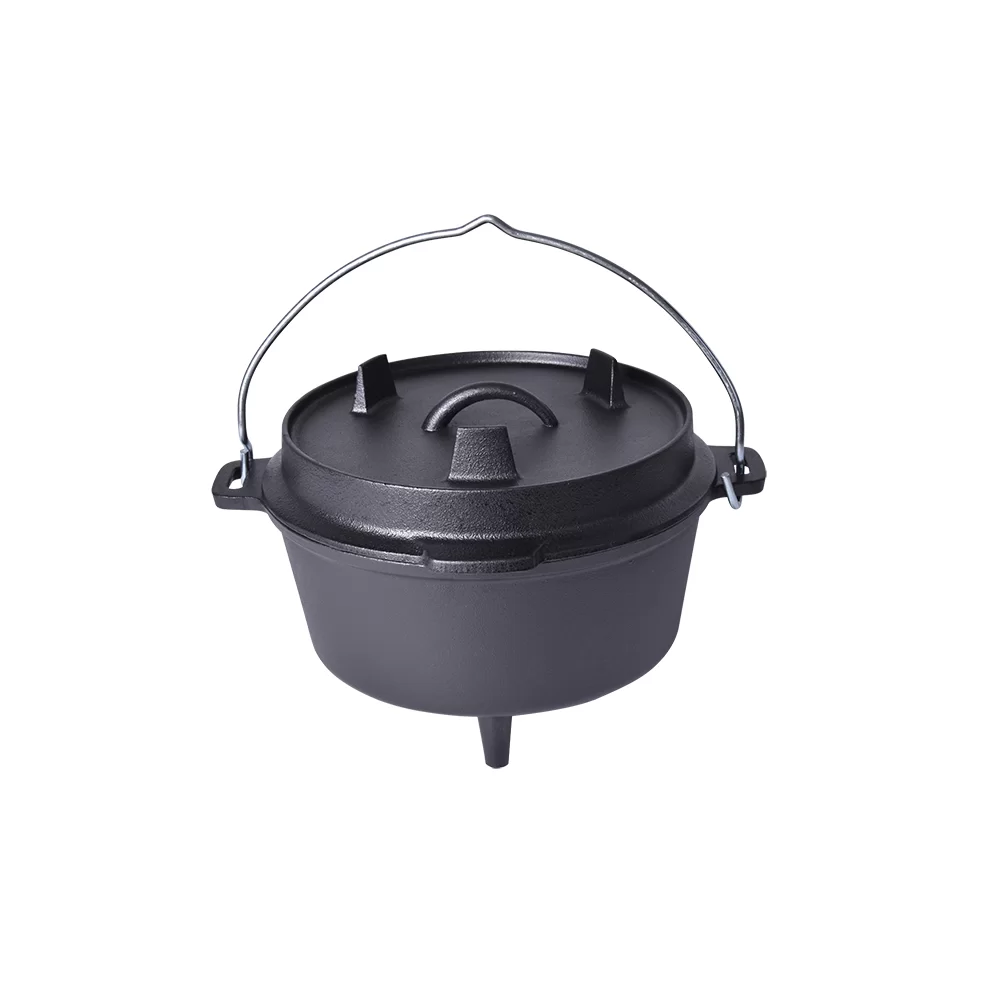
Yes, sourdough cast iron dutch oven can be used on campfires or stovetops with simple time adjustments. For campfires: bury the Dutch oven in hot coals (top and bottom) and extend the total baking time by 20–30 minutes— campfire heat is less consistent than oven heat, and cast iron’s thermal mass helps regulate temperature. For stovetops: use a diffuser to distribute heat evenly, bake covered over low-medium heat for 45–55 minutes, then remove the lid and cook for 15–20 minutes over medium heat. SHIJIAZHUANG KINGWAY IMP.&EXP.CO.,LTD.’s cast iron Dutch oven is designed to withstand these alternative heat sources, and the steam-locking design still works effectively. Wholesalers can market this versatility to outdoor enthusiasts and campers, expanding the product’s appeal beyond traditional home bakers.
How does the thickness of SHIJIAZHUANG KINGWAY IMP.&EXP.CO.,LTD.’s cast iron affect baking time for dutch oven cast iron bread?
SHIJIAZHUANG KINGWAY IMP.&EXP.CO.,LTD.’s cast iron Dutch oven features a 5–6mm thick base and walls (optimized for heat retention), which slightly reduces baking time compared to thinner cast iron or other materials. The thick cast iron heats evenly and retains heat longer, so the bread dough cooks faster without developing hot spots. For example, a standard loaf that takes 60 minutes in a thin dutch oven takes 45–55 minutes in SHIJIAZHUANG KINGWAY IMP.&EXP.CO.,LTD.’s thick cast iron model. This time savings is a benefit for clients, but it requires minor adjustments from bakers used to thinner cookware. Wholesalers should highlight this efficiency, noting that the thick cast iron not only shortens baking time but also improves crust quality and crumb texture.
What baking time adjustments are needed for frozen sourdough dough in cast iron dutch oven for sourdough?
For frozen sourdough dough (a convenient option for bulk baking), adjust the baking time by extending the covered phase by 10–15 minutes. Do not thaw the dough— place it directly into the preheated cast iron dutch oven (reduce initial oven temperature to 220°C to prevent the crust from burning before the interior thaws). After 35–40 minutes covered, reduce the temperature to 200°C and bake uncovered for 15–20 minutes. The cast iron’s heat retention gently thaws the dough while promoting oven spring, resulting in a loaf nearly identical to freshly proofed sourdough. For wholesalers, this adjustment caters to commercial clients (cafés, bakeries) that use frozen dough for consistency and convenience, expanding the product’s market reach.