Common Mistakes When Using a Braiser Cast Iron for the First Time
The braiser cast iron is a culinary workhorse, celebrated for its unique ability to sear, sauté, simmer, and braise with unparalleled results. Its combination of a wide cooking surface and a fitted, domed lid creates an ideal environment for transforming tough cuts into tender masterpieces and developing deep, complex flavors. However, for the first-time user, this versatile piece can present a learning curve. Treating it like any ordinary pan is the most common pitfall, leading to frustration, subpar cooking results, or even damage to the cookware itself. Whether you've invested in a classic bare cast iron braising pan or a modern braiser cast iron enamel, understanding and avoiding these initial mistakes is key to unlocking a lifetime of exceptional cooking. This guide will walk you through the most frequent errors and provide the knowledge to use your braiser confidently from the very first meal.
This journey towards mastery begins with a tool built to last. Shijiazhuang Kingway Import and Export Co., Ltd., a leader in premium cookware manufacturing since 2008, crafts pieces designed for generations of use. Their commitment to international quality standards (FDA, LFGB, ITS, SGS) ensures that every braiser cast iron enamel or seasoned cast iron braising pan offers superior heat retention, even distribution, and robust construction. By learning proper techniques, you honor this craftsmanship and ensure your braiser becomes a cherished centerpiece in your kitchen.
The Critical Error of Overheating Your Braiser Cast Iron
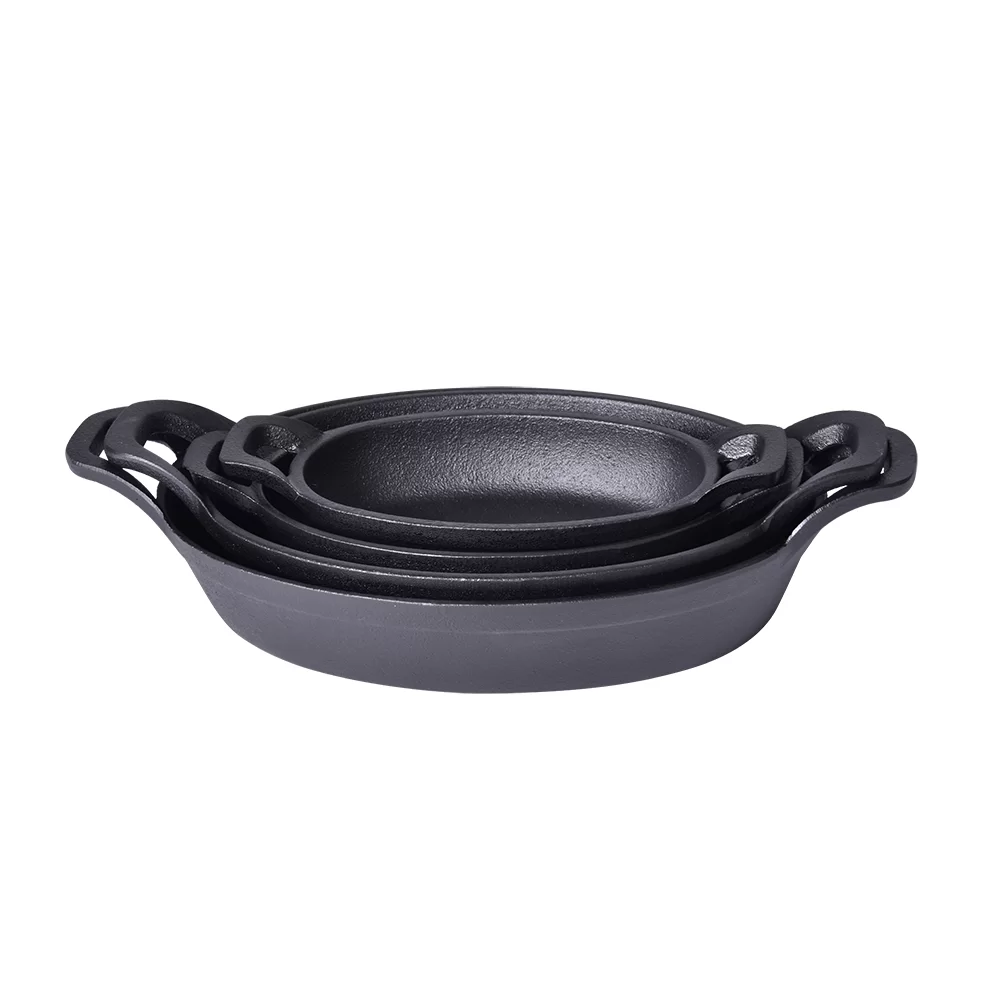
One of the most prevalent and damaging mistakes is applying excessive heat, especially to an empty pan. A braiser cast iron excels at retaining heat, but it heats up more slowly and evenly than thin, reactive metals. Impatience leads many to crank the burner to high, hoping to speed up the process. This can cause several problems. On a bare cast iron braising pan, extreme, concentrated heat can crack the iron or cause thermal shock, particularly if something cold is added suddenly. It can also burn off the carefully developed seasoning, creating sticky spots and requiring re-seasoning.
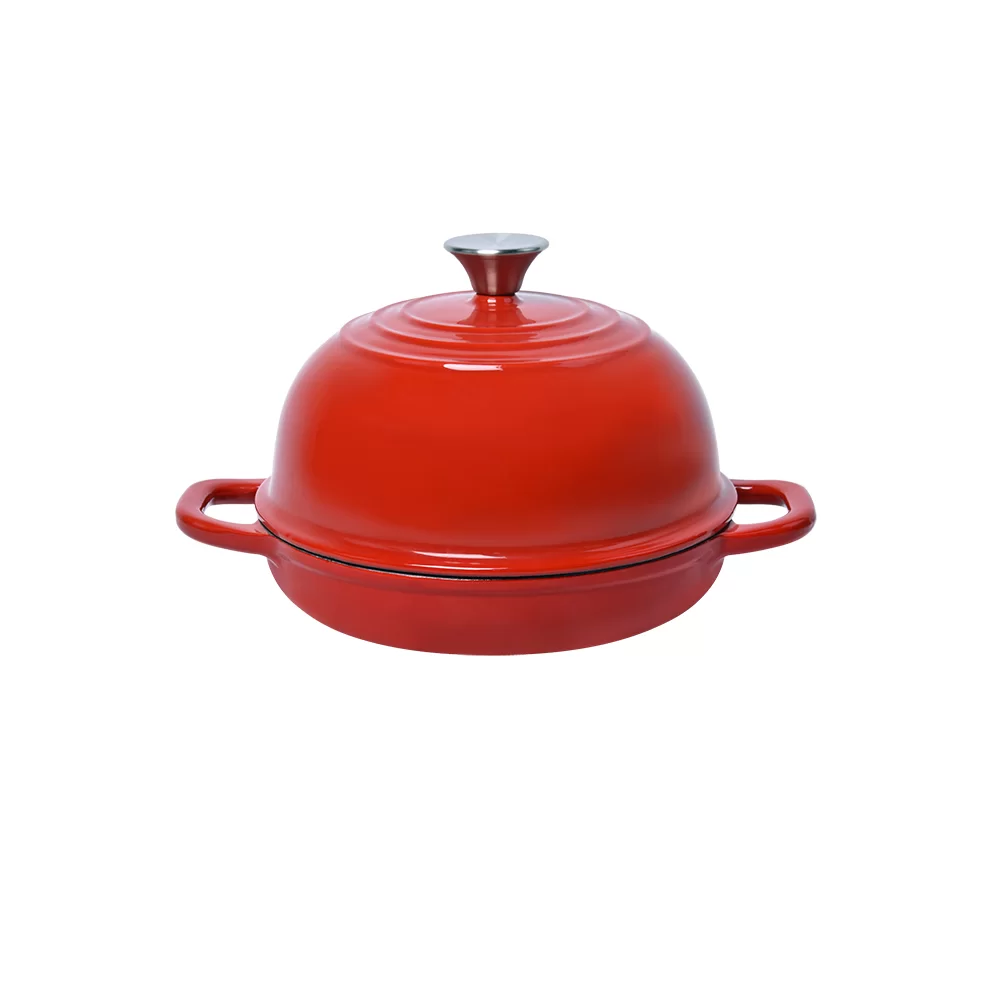
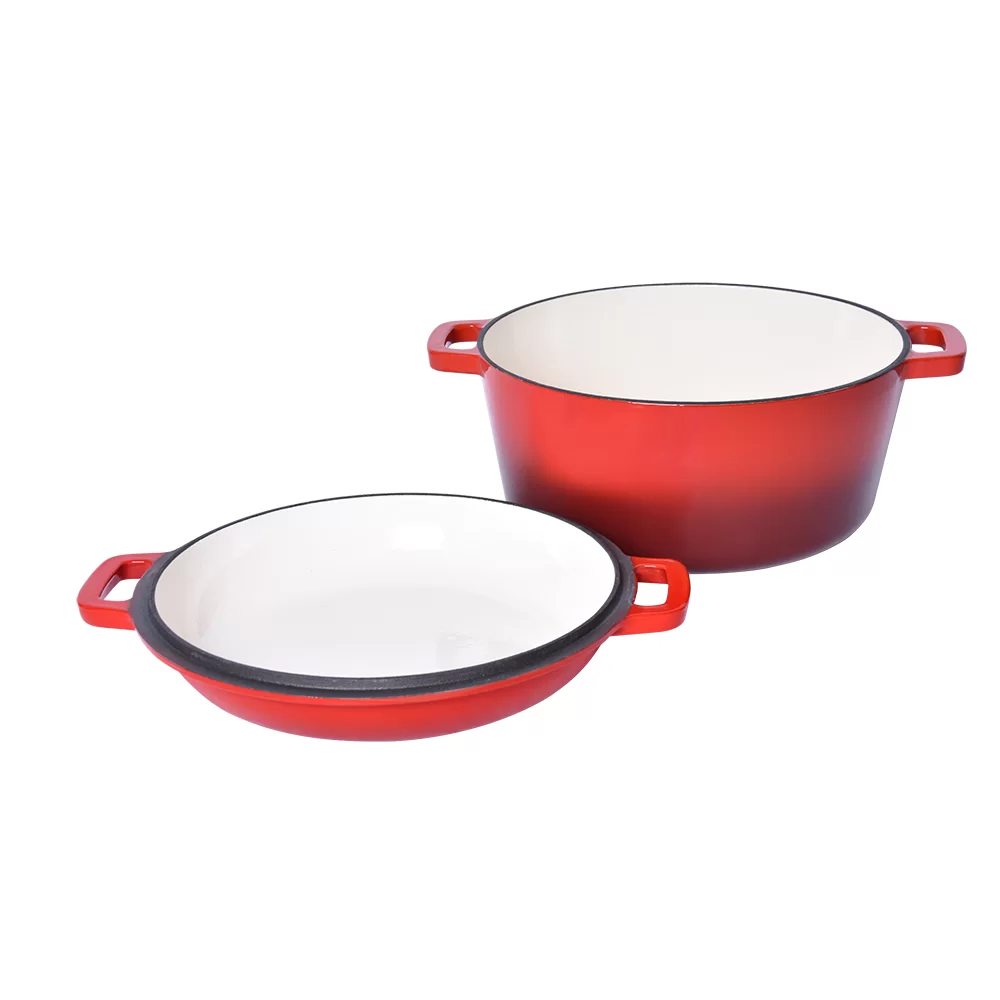
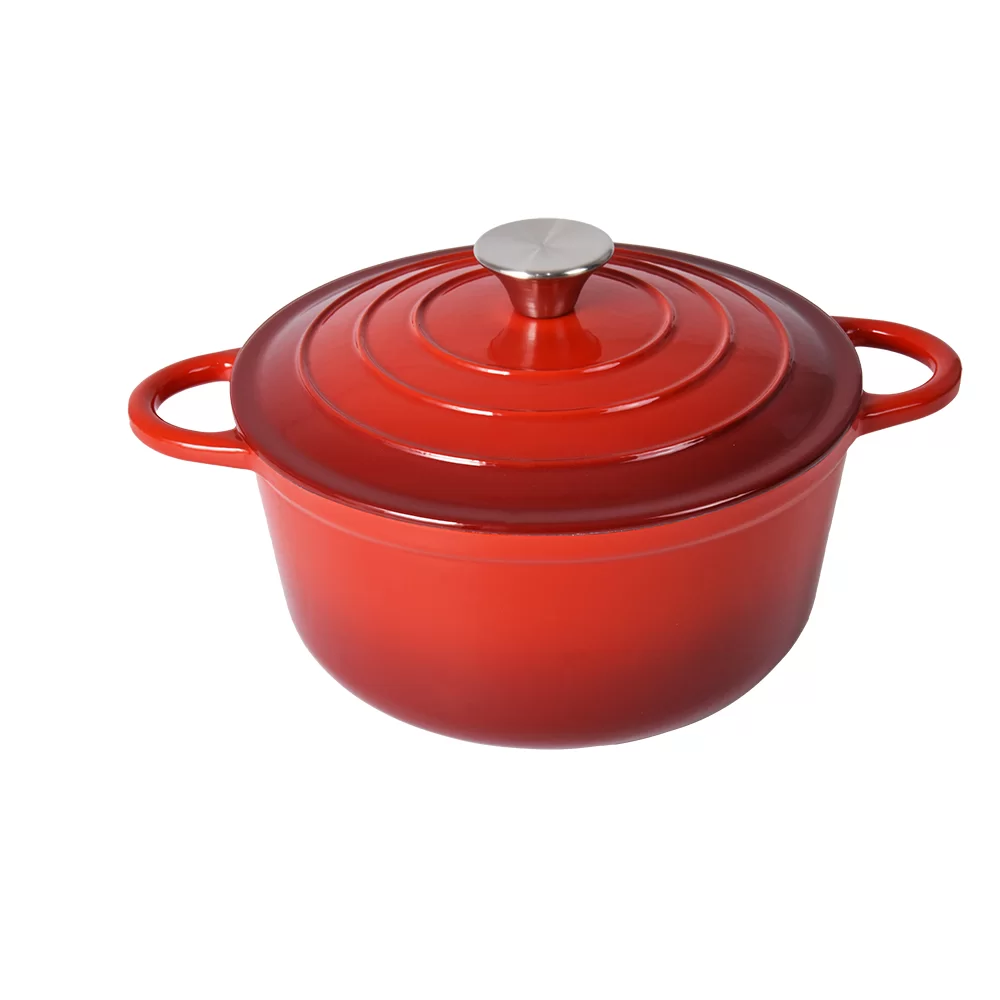
For a braiser cast iron enamel, overheating is equally detrimental. Exceeding the manufacturer's recommended maximum heat (often medium-high) can damage the vitreous enamel coating. Prolonged high heat can cause the enamel to craze (develop tiny cracks), discolor permanently, or even burn onto food residues, making them impossible to remove. The correct approach is to start with low to medium heat and allow the pan to warm up gradually for 3-5 minutes. This gentle preheat ensures the entire vessel—sides and bottom—reaches an even, stable temperature, providing perfect searing power without the risk of damage to your valuable braiser cast iron.
Misunderstanding the Care for Braiser Cast Iron Enamel
A braiser cast iron enamel offers the incredible heat performance of cast iron with a glass-like, non-porous cooking surface. A major first-time error is treating this enameled surface with the same rules as bare cast iron or harsh, abrasive cleaners. The enamel, while durable, is not indestructible. Using metal utensils, scrubbers, or abrasive cleaning powders can scratch and dull the finish. These micro-scratches compromise the smooth surface over time and can become areas where food sticks persistently.
Another common misunderstanding involves dramatic temperature changes. Moving a hot braiser cast iron enamel directly to a cold countertop or submerging it in cold water while still hot can cause thermal shock, potentially leading to cracks or chips in the enamel. Always allow the cookware to cool down substantially before cleaning. For cleaning, use warm, soapy water and a soft sponge or nylon brush. For stubborn residues, a paste of baking soda and water is a safe, effective solution. Proper care preserves the beautiful, easy-to-clean surface of your braiser cast iron enamel for decades.
Underutilizing the Versatility of a Cast Iron Braising Pan
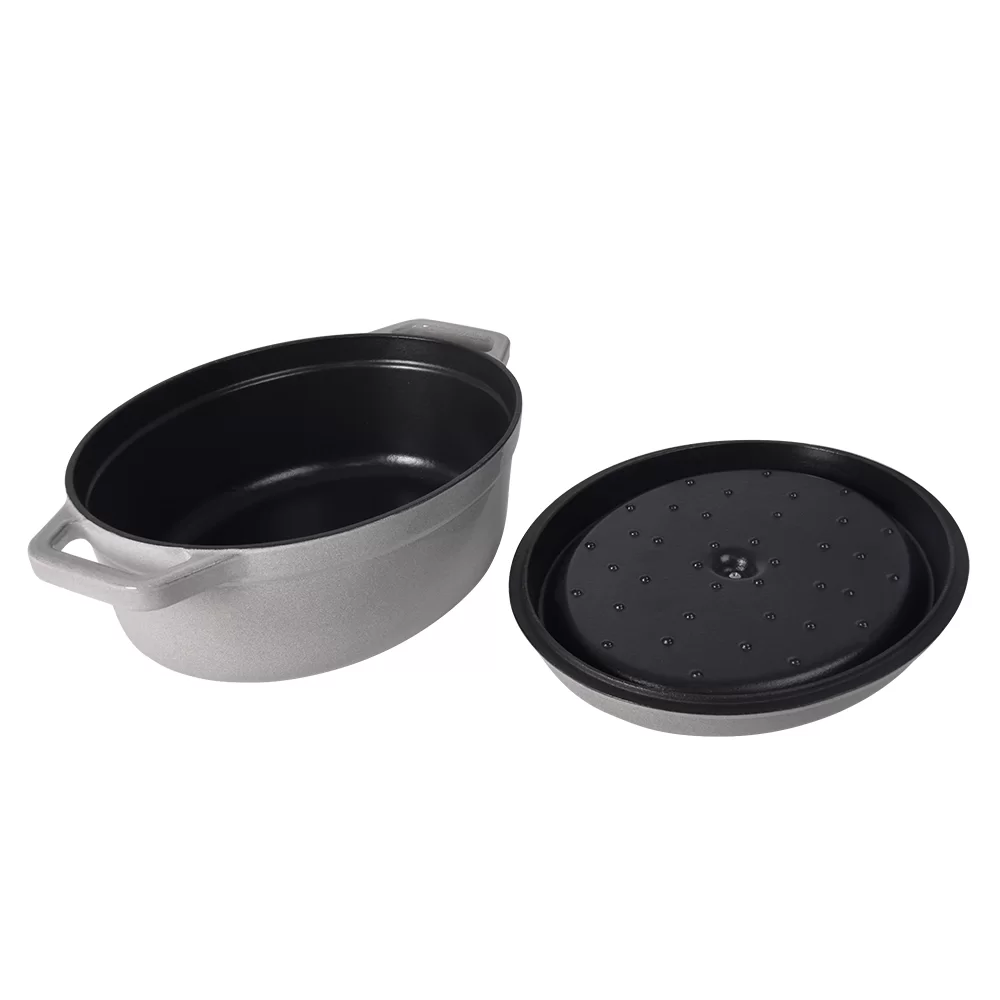
Many first-time users purchase a cast iron braising pan specifically for braising meats, overlooking its incredible range. This is a mistake that limits your culinary potential. The broad, shallow design and heavy lid make it a true multi-tasker. Beyond braising, it is perfect for shallow frying, baking deep-dish focaccia or cobblers, preparing large batches of paella or risotto, and even roasting chicken or vegetables. The even heat distribution ensures perfect results across all these techniques.
Failing to use the lid correctly is another aspect of underutilization. The tight-fitting, often domed lid is engineered to trap moisture and create a self-basting environment. Forgetting to use it during the simmering phase of a braise will lead to evaporation instead of tenderizing. Conversely, using the lid when you’re trying to achieve a reduction or crispy finish is also an error. Recognizing your cast iron braising pan as an all-in-one kitchen powerhouse—from searing steaks on its spacious base to baking a dessert—opens up a world of cooking possibilities.
Essential Maintenance for Your Braiser Cast Iron Enamel
The final, crucial phase of cooking often determines the long-term health of your cookware: proper cleaning and storage. For the uninitiated, this is where costly mistakes are made. With a classic bare cast iron braising pan, the most common error is washing with harsh detergents or soap in the early stages, which strips the delicate, newly-formed seasoning. This leaves the iron vulnerable. The correct method involves scraping, rinsing with hot water, and using a stiff brush. Crucially, it must be dried completely—ideally over a low burner—to evaporate all moisture, followed by a whisper-thin application of oil before storing. This ritual builds the non-stick patina and prevents rust.
For a braiser cast iron enamel, the mistake is often the opposite: being overly cautious and not washing it properly for fear of harming a "seasoning" it does not require. The enameled surface is glass-like, non-porous, and designed for easy cleaning. It should be washed with warm, soapy water and a soft sponge to remove all food oils and residues. However, neglecting to dry the exterior and rim thoroughly, especially where bare iron might be exposed (like the rim), can lead to rust spots. Furthermore, carelessly stacking other heavy pots inside your braiser cast iron enamel can chip the interior surface. Mindful, post-use care is the simplest investment you can make to guarantee decades of flawless performance from your pan.
About Braiser Cast Iron FAQs
What Are the Main Advantages of a Braiser Cast Iron Enamel?
A braiser cast iron enamel provides exceptional, even heat distribution for perfect searing and gentle simmering. The enameled surface is naturally non-stick, non-reactive (ideal for acidic foods like tomatoes or wine), and incredibly easy to clean without the need for seasoning. Its elegant design also allows it to transition seamlessly from stove to oven to table.
How Is a Cast Iron Braising Pan Different from a Dutch Oven?
A cast iron braising pan is typically wider and shallower than a Dutch oven, with a large surface area for browning multiple pieces of food at once. This design promotes better evaporation and concentration of flavors during braising. It is more versatile for techniques like pan-frying, sautéing, and baking, while a Dutch oven excels at deep stews and soups.
Can I Use Metal Utensils on My Braiser Cast Iron?
For a seasoned bare braiser cast iron, metal utensils are generally acceptable and can help maintain the cooking surface. However, for a braiser cast iron enamel, you should avoid metal utensils to prevent scratching the glass-like surface. Instead, opt for wood, silicone, or high-quality nylon tools to preserve the pristine enamel finish.
Why Is My Braiser Cast Iron Sticking During Searing?
Sticking is often caused by insufficient preheating, adding food to a cold pan, or attempting to move the food too soon. Ensure your braiser cast iron is properly preheated over medium heat, that your protein is patted dry, and that you allow a natural crust to form before turning. A properly seasoned or enameled surface, combined with good technique, will minimize sticking.
Is a Braiser Cast Iron Worth the Investment for a Home Cook?
Absolutely. A high-quality braiser cast iron is a lifetime investment that outperforms and outlasts ordinary cookware. Its versatility replaces multiple pots, its consistent heat improves cooking results, and its durability means you may never need to buy another one. It elevates everyday meals and is perfect for entertaining, making it a cornerstone piece for any serious home kitchen.