Why Choose a Cast Iron Pan for Baking Bread? Benefits, Trends & Expert Tips
The Rising Appeal of the Cast Iron Pan for Baking Bread
Who knew that baking the perfect loaf could be so intimately connected to the humble cast iron pan? The cast iron pan for baking bread isn’t just a kitchen tool—it’s a global staple cherished by home bakers, chefs, and even humanitarian organizations around the world. Understanding why and how this simple, durable pan makes bread baking not only feasible but elevated is more relevant today than ever.
Globally, bread remains a dietary cornerstone, integral to cultures everywhere. According to the Food and Agriculture Organization (FAO), over 2 billion people consume wheat products daily, and an increasing number have embraced artisanal bread making at home, boosted by pandemic-driven culinary pursuits. A cast iron pan’s ability to mimic traditional brick ovens without the bulk or cost makes it ideal worldwide—or so many enthusiastic bakers report.
Mini takeaway: In an era where hands-on, quality baking is surging, the cast iron bread pan reconnects us with age-old traditions while solving modern baking challenges.
Global Importance and What Problems It Tackles
The relevance of the cast iron pan for baking bread spans far beyond the kitchen countertop. In many regions, especially those with unstable power supplies or limited access to commercial ovens, the pan’s heat retention and distribution can turn a simple stove top into an efficient bread oven.
Data from the World Bank suggests that nearly 770 million people worldwide lacked electricity access as of recent counts, putting traditional baking appliances out of reach. Here, cast iron pans help create reliable, sustainable cooking options that rely on minimal fuel. The problem they solve is both practical — consistent baking heat — and economic, because cookware that lasts decades is a wise investment.
Mini takeaway: The cast iron bread pan bridges gaps caused by infrastructure, cost, and accessibility, making good bread achievable almost anywhere.
What Exactly Is a Cast Iron Pan for Baking Bread?
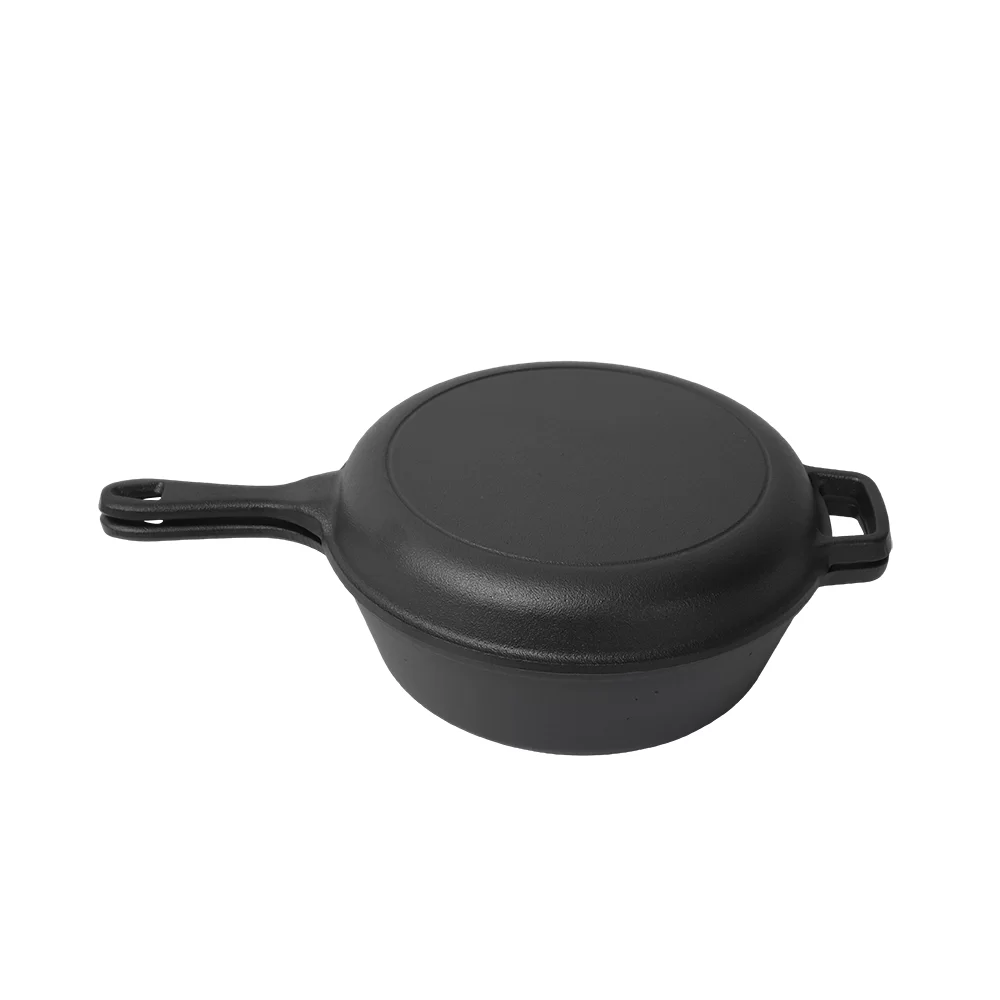
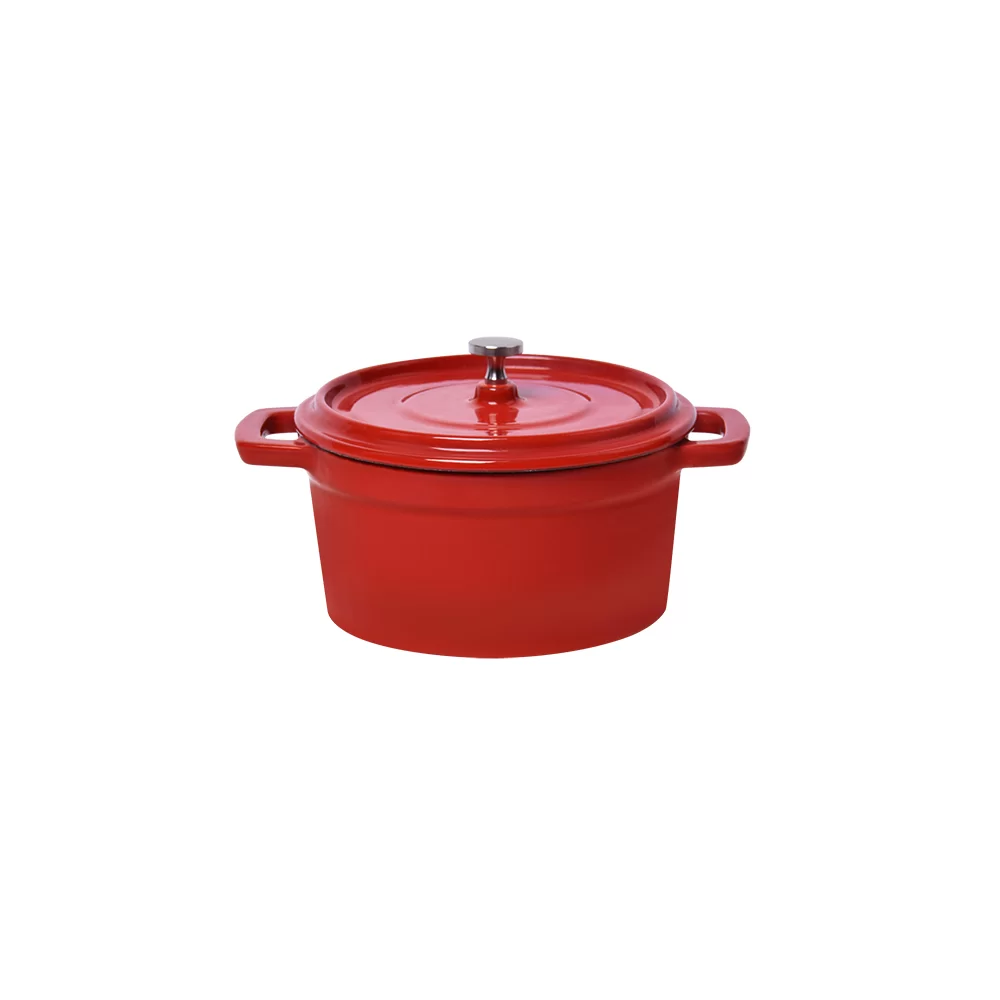
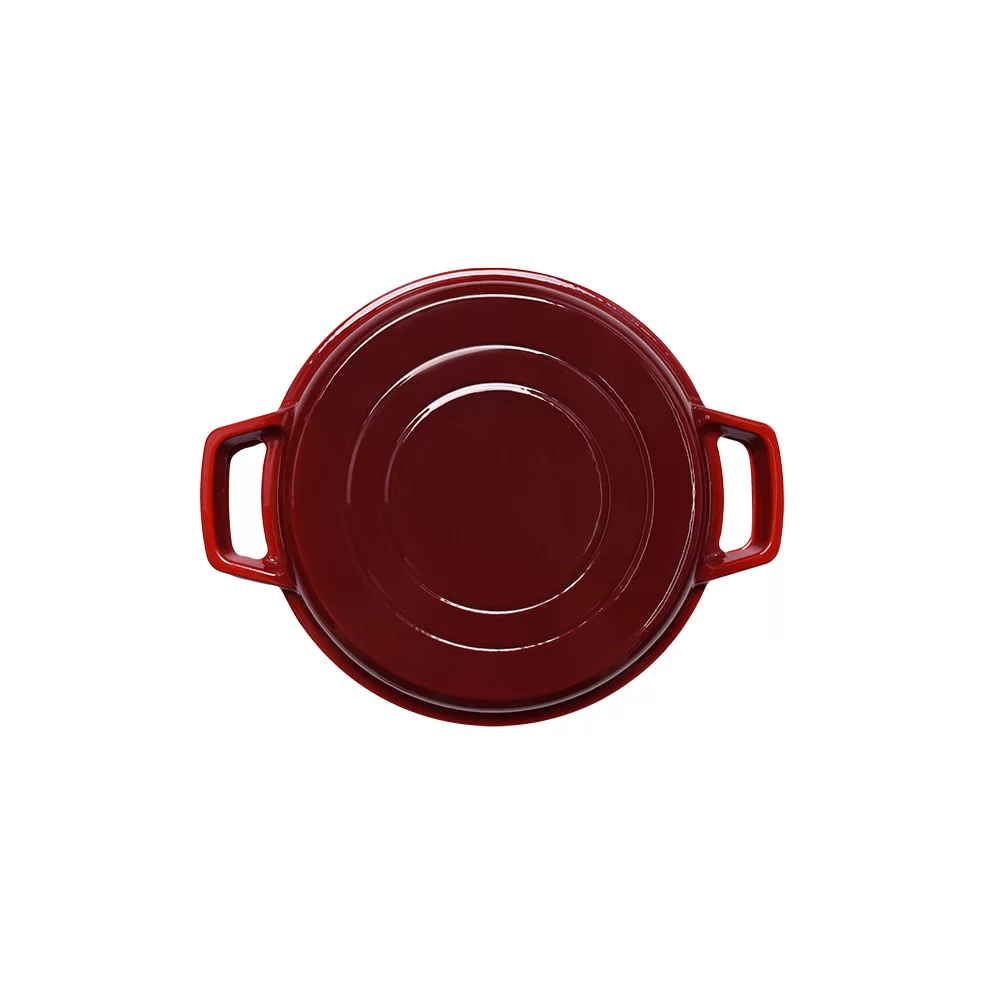
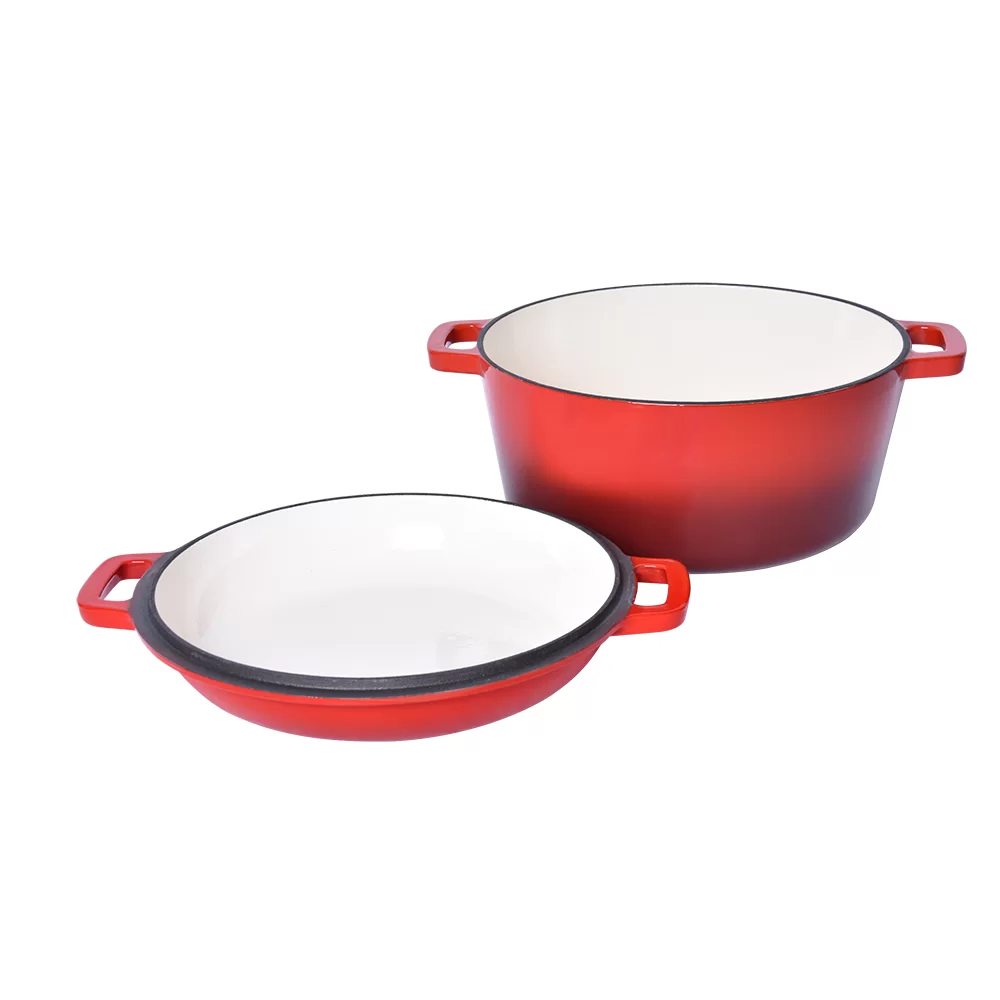
At its simplest, a cast iron pan is a heavy-duty cookware made by casting molten iron into molds. When designed for bread baking, the panniers often feature thick walls and sometimes a tight-fitting lid to trap steam, akin to a mini Dutch oven. Its exceptional heat retention creates crusty exteriors and soft interiors on artisanal loaves — magic that many electric or aluminum pans can’t replicate.
It’s fascinating how this pan has crossed from rustic kitchens to modern industrial kitchens and even humanitarian relief efforts—where portability and versatility in cooking tools become critical.
Key Characteristics of Cast Iron Bread Pans
1. Durability That Defies Time
Cast iron’s ability to resist warping and scratching, even after years (or decades!), is legendary. Some believe their pans improve with age and seasoning, creating a natural non-stick surface. That durability means a reliable baking companion, season after season.
2. Superior Heat Retention and Distribution
The pan’s weight and density hold heat longer and more evenly than lightweight alternatives. This means fewer hot spots, more consistent crumb texture, and a beautiful golden crust without burning.
3. Versatility in Cooking
Cast iron goes straight from stovetop to oven, and can work on gas, electric, induction, and even open fires. That flexibility is why many bakers in less-urbanized regions rely on them exclusively.
4. Cost Efficiency Over Time
Though often pricier upfront than aluminum or ceramic, the pan’s longevity and effectiveness mean it quickly pays off through fewer replacements and better baking results.
5. Environmental Friendliness
Recyclable and free from non-stick chemicals that have environmental impacts, cast iron cookware fits into an era where sustainable materials matter increasingly.
Mini takeaway:
Cast iron pans combine craftsmanship, science, and sustainability into one practical tool.
Worldwide Use: Who Relies on Cast Iron Bread Pans?
From artisan bakeries in France to remote villages in Sub-Saharan Africa, these pans have found diverse applications.
- Home Bakers: Increasingly popular in Western countries as part of the "slow food" and home baking trends, this pan offers a reliable baking vessel.
- Humanitarian Organizations: NGOs working in disaster relief zones often distribute cast iron cookware for durable, multi-use cooking tools in camps.
- Remote Regions: In places with erratic electricity or fuel shortages, cast iron pans provide a stable baking solution using minimal heat sources.
- Artisanal and Commercial Bakers: Small bakeries value the heat consistency and robust nature of cast iron pans for specialty bread varieties.
For example, in post-disaster relief operations, recipients appreciate how cast iron pans can bake bread over open fires, making fresh food accessible where ovens are unavailable. It’s like turning crisis cooking into something comforting and nourishing.
Advantages and the Long-Term Value of a Cast Iron Bread Pan
It’s not just about baking bread—it’s about baking better bread with less fuss and more joy. The pan delivers:
- Quality Results: Consistent crust, evenly baked interior—attributes that make every loaf memorable.
- Reliability: A pan that won’t buckle under pressure or wear out quickly.
- Sustainability: Environmentally conscious materials coupled with longevity.
- Economic Sense: Durable cookware means less replacement spending over years.
- Emotional Value: The joy of baking, the pride of craftsmanship, the trust in a tool that’s been passed down or gifted.
Honestly, baking with cast iron feels like baking with a trusted friend—steady, dependable, and rewarding.
Product Specification Table: Typical Cast Iron Bread Pan
| Specification | Details |
|---|---|
| Material | 100% Cast Iron, pre-seasoned |
| Dimensions | 10.5 x 5.5 x 2.5 inches (typical) |
| Weight | 4–5 lbs |
| Oven Safe Temperature | Up to 500°F (260°C) |
| Lid Included | Optional, often fits snugly for steam retention |
| Care Instructions | Hand wash recommended, re-season as needed |
Comparing Top Cast Iron Bread Pan Vendors
| Vendor | Price Range | Material Quality | Customer Rating | Special Features |
|---|---|---|---|---|
| Kingway Cookwares | $35–$45 | Premium cast iron, pre-seasoned | 4.7/5 | Lid options, ergonomic handles |
| Lodge | $25–$40 | High quality cast iron | 4.5/5 | Classic design, widely available |
| Le Creuset | $150–$200 | Enameled cast iron | 4.8/5 | Colorful, easy care |
Innovations and The Future of Baking Bread with Cast Iron
Though old-school, cast iron cookware technology is evolving. For instance, manufacturers now pay more attention to:
- Eco-friendly Production: Reducing carbon footprints in foundry practices.
- Pre-seasoned and Non-stick Advances: Improving first-use experience.
- Digital Integration: Smart baking sensors that measure heat distribution in real time (still niche, but coming).
- Material Blends: Combining cast iron with other metals or coatings to reduce weight and enhance corrosion resistance.
These trends blend tradition with savvy tech and environmental mindfulness, ensuring cast iron remains relevant.
Common Questions About Cast Iron Bread Pans
Is it necessary to season a cast iron bread pan before first use?
Most cast iron pans come pre-seasoned, which means they have a basic non-stick layer. However, adding your own seasoning by applying oil and heating increases durability and further prevents sticking. It's a simple step that enhances performance and lifespan.
Can I use a cast iron pan on any type of stove?
Yes! Cast iron pans are versatile and work on gas, electric, induction, and even open flames. Just be careful with sudden temperature changes to avoid cracking or warping.
How do I clean a cast iron pan without damaging the seasoning?
Use warm water and a gentle scrub brush or sponge immediately after use. Avoid soap and never soak the pan. Dry thoroughly and apply a light coat of oil to keep the seasoning intact.
Are cast iron bread pans suitable for sourdough?
Absolutely. Their excellent heat retention helps develop that sought-after crackly crust on sourdough loaves, making them a favorite among enthusiasts.
Can cast iron pans be used for other cooking tasks?
Definitely. From frying to roasting, their versatility extends beyond bread baking, making them a kitchen workhorse.
Wrapping It Up: Why Choose a Cast Iron Pan for Baking Bread?
The long-term value of a cast iron pan for baking bread lies in its unmatched durability, versatility, and ability to create bakery-quality results right at home or in remote areas. Whether you're an artisan baker, a humanitarian worker, or just someone who loves the smell of fresh bread, this pan is an investment that pays off loaf after loaf. Curious to try yourself? Visit us at kingwaycookwares.com and discover the perfect cast iron bread pan to turn your baking dreams into reality.
---
References: