Why a Silicone Baking Spatula Set is Essential for Every Kitchen | Durable, Hygienic & Versatile Tools
Silicone Baking Spatula Set: What Makes It a Kitchen Essential
When we talk about kitchen tools that effortlessly marry practicality with durability, the silicone baking spatula set frequently tops the list. Oddly enough, despite its simple appearance, this humble utensil encapsulates advances in material science, culinary arts, and even sustainability trends worldwide. Understanding why these spatulas are indispensable, not just in home kitchens but across professional and humanitarian cooking spaces, shines a light on a small but significant part of how we prepare food safely and efficiently globally.
Global Context: Why Silicone Baking Spatulas Matter
Silicone tools have quietly revolutionized the cooking industry and domestic kitchens alike. According to market insights from Statista and ISO-reported standards on kitchen utensils, the global uptake of silicone-based cookware has grown by over 35% in the last decade, reflecting a decisive shift towards silicone for reasons including heat resistance, hygiene, and durability. In many developing countries, affordable and lasting kitchenware like silicone spatulas helps improve cooking safety and efficiency, directly impacting nutrition and health.
Frankly, traditional wooden or plastic spatulas don't always withstand intense heat or dishwasher cycles, raising hygiene concerns. The silicone baking spatula set addresses these problems effectively, making it a worthy asset from bustling urban centers to remote humanitarian kitchens.
What Is a Silicone Baking Spatula Set?
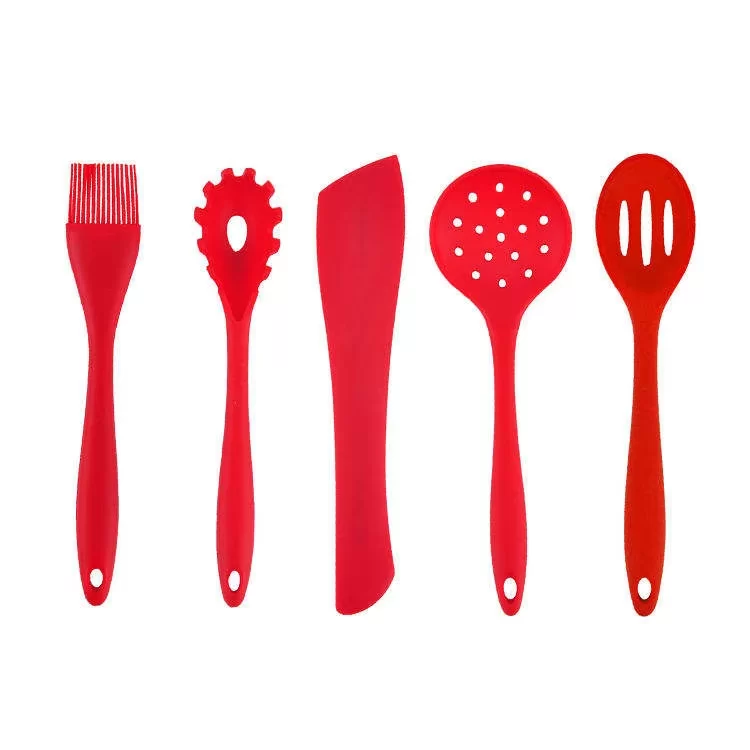
A silicone baking spatula set typically includes multiple spatulas—often varying in size and flexibility—made with food-grade silicone heads attached to handles made from plastic, wood, or stainless steel. Their primary role is to mix, scrape, and fold batter or dough without scratching pots or bowls. Silicone’s inherent heat resistance, typically up to 450°F (232°C), combined with non-stick and flexible qualities, explains its popularity among professional chefs and baking enthusiasts alike.
In humanitarian contexts, these spatulas serve reliably as food preparation tools during disaster relief, where durability and hygiene matter profoundly but resources are scarce. So, the connection between silicone baking tools and wider culinary needs is both practical and humanitarian.
Core Features of a Silicone Baking Spatula Set
1. Durability and Heat Resistance
Silicone baking spatulas can comfortably resist high cooking temperatures without melting, warping, or cracking. This superior heat tolerance surpasses many plastics and wooden utensils, which degrade faster under heat stress.
2. Flexibility and Gentleness on Cookware
The silicone blade bends easily, allowing thorough scraping of mixing bowls and pans without damaging non-stick surfaces—a crucial benefit widely appreciated in both amateur and commercial kitchens.
3. Ease of Cleaning and Hygiene
Unlike wood, silicone doesn’t retain odors, stains, or bacteria, making it dishwasher-safe and more hygienic in continuous food preparation environments.
4. Versatility and Set Variety
A complete set often includes spatulas of varying sizes and stiffness, suited for different tasks like folding egg whites delicately or scraping thick cookie dough.
Product Specifications at a Glance
| Feature | Specification |
|---|---|
| Material | Food-grade Silicone & Stainless Steel/Plastic Handles |
| Heat Resistance | Up to 450°F (232°C) |
| Sizes Included | Small (6 inch), Medium (8 inch), Large (10 inch) |
| Care | Dishwasher Safe, BPA-free |
Who Uses Silicone Baking Spatula Sets Worldwide?
These sets are a staple in households across Europe, Asia, and North America. Commercial bakeries and pastry shops rely on them for reliable performance in daily tasks, while NGOs include them in food relief kits for their ease of use and durability. For example, in post-disaster meal preparation camps in Southeast Asia, where hygiene standards are critical but washing conditions tricky, silicone spatulas easily clean and maintain food safety.
Also, in remote industrial zones where cooks operate on limited resources, the longevity of such tools significantly reduces replacement costs. Governments and international organizations increasingly acknowledge these practical benefits when formulating kitchen aid procurement guidelines.
Advantages & Long-Term Value of Silicone Baking Tools
- Cost Efficiency: Though silicone sets may cost more upfront than plastic, their longevity and resistance to wear make them economical over time.
- Sustainability: Being reusable and BPA-free, they contribute less waste compared to disposable alternatives.
- Safety and Trust: Silicone’s non-reactive nature instills confidence in food safety for sensitive recipes.
- Innovation & Design: Modern designs optimize ergonomics to reduce hand fatigue during heavy kitchen use.
Comparing Top Silicone Baking Spatula Set Vendors
| Vendor | Price Range | Material Quality | Set Sizes | Warranty |
|---|---|---|---|---|
| Kingway Cookwares | $$ | Premium Food Grade Silicone | 3–5 Pieces | 2 years |
| BakeMaster Pro | $$$ | Silicone with Stainless Steel Handles | 4 Pieces | 3 years |
| HomeChef Essentials | $ | Standard Food Grade Silicone | 3 Pieces | 1 year |
Future Trends & Innovations in Silicone Kitchen Tools
What’s next for the humble silicone spatula? Sustainability continues to drive innovation. Silicone formulas with bio-based materials reduce environmental footprint, and improved manufacturing techniques enhance flexibility without compromising heat resistance. There’s also a push for customizable ergonomic handles using 3D printing to suit individual chefs’ grips, which sounds exciting for those with repetitive strain issues. Finally, smarter kitchenware embedded with sensors to monitor cooking temperatures or ingredient mixing consistency might soon include spatulas, although that feels like a few steps ahead.
Challenges & How We Overcome Them
It’s not all perfect — some silicone spatulas, especially cheaper ones, can absorb grease or discolor over time. That said, buying from reputable sources with guaranteed food-grade certification lessens this risk. Also, users should avoid sharp knives near the spatula head to prevent cuts. The key is proper maintenance and choosing quality products — quite straightforward if you keep an eye out.
FAQ: Silicone Baking Spatula Set Quick Answers
- Q: Are silicone baking spatulas safe for non-stick pans?
A: Absolutely. Silicone tips are soft and flexible, preventing scratches and damage to delicate non-stick coatings. - Q: How long does a silicone baking spatula set typically last?
A: With proper care, they can last several years—often 3 to 5—considerably longer than wooden or plastic equivalents. - Q: Can silicone spatulas withstand high oven temperatures?
A: Most silicone spatulas are heat-resistant up to 450°F (232°C), making them safe for mixing hot ingredients but not holding directly in flames. - Q: Is it safe to clean silicone spatulas in a dishwasher?
A: Yes, food-grade silicone is dishwasher-safe and doesn’t retain odors or stains. Nevertheless, hand washing extends longevity. - Q: Where can I buy a reliable silicone baking spatula set?
A: You can explore trusted vendors like Kingway Cookwares for certified, quality silicone spatula sets.
Conclusion: Your Kitchen’s Reliable Ally
In a nutshell, investing in a silicone baking spatula set is not just about upgrading your kitchen tools but embracing longevity, hygiene, and versatility. From home bakers experimenting on weekends to professional chefs managing high-volume pastry production, the benefits are robust and relatable. Plus, for those interested in sustainability and smart cooking, these sets open intriguing doors to future innovations. If you’re curious or ready to enhance your culinary toolkit, check out Kingway Cookwares for selections designed to impress and endure.
Quick takeaway: Choosing a high-quality silicone baking spatula set means inviting convenience and durability right into your kitchen, supporting better cooking habits globally.