Why a Cast Iron Baguette Pan is Essential for Artisanal Baking Worldwide
The Cast Iron Baguette Pan: A Global Baking Essential
In the often overlooked world of kitchen essentials, the cast iron baguette pan stands as a humble yet indispensable tool. Why should this matter broadly, beyond just baking enthusiasts? Well, the worldwide bread and bakery market continues to grow rapidly—valued at over $330 billion by some recent estimates—and cast iron baking equipment like baguette pans play a quiet but pivotal role in delivering consistency, quality, and tradition in artisanal breads across continents. From rustic Parisian boulangeries to small village bakeries in emerging markets, understanding the benefits and functionality of this pan sheds light on a product that meshes industry durability with culinary artistry. It’s a niche yet surprisingly impactful part of food culture worldwide.
Introduction: Why the Cast Iron Baguette Pan Holds Global Relevance
According to the Food and Agriculture Organization, bread remains a staple for over 2 billion people globally. The humble baguette—a cultural icon of France—is surprisingly embedded in global diets through both migration and modernization of baking. The cast iron baguette pan addresses critical challenges: namely, providing even heat distribution for perfect crusts, durability for repeated use, and a vessel that handles artisan techniques that machines sometimes miss.
In real terms, the rise of industrial bakeries and fresh craft boutiques alike has emphasized the importance of materials and pan technology that withstand scaling pressures while maintaining quality. Oddly enough, many artisanal bakers complain about warped or non-stick pans that deteriorate quickly, which affects product uniformity. This is precisely where cast iron’s reputation—long held for traditional skillet cooking—has created renewed interest.
Mini takeaway: The cast iron baguette pan bridges tradition and modern baking needs by ensuring quality results at scale while promoting long service life—a key factor in global food sustainability efforts.
What Exactly Is a Cast Iron Baguette Pan?
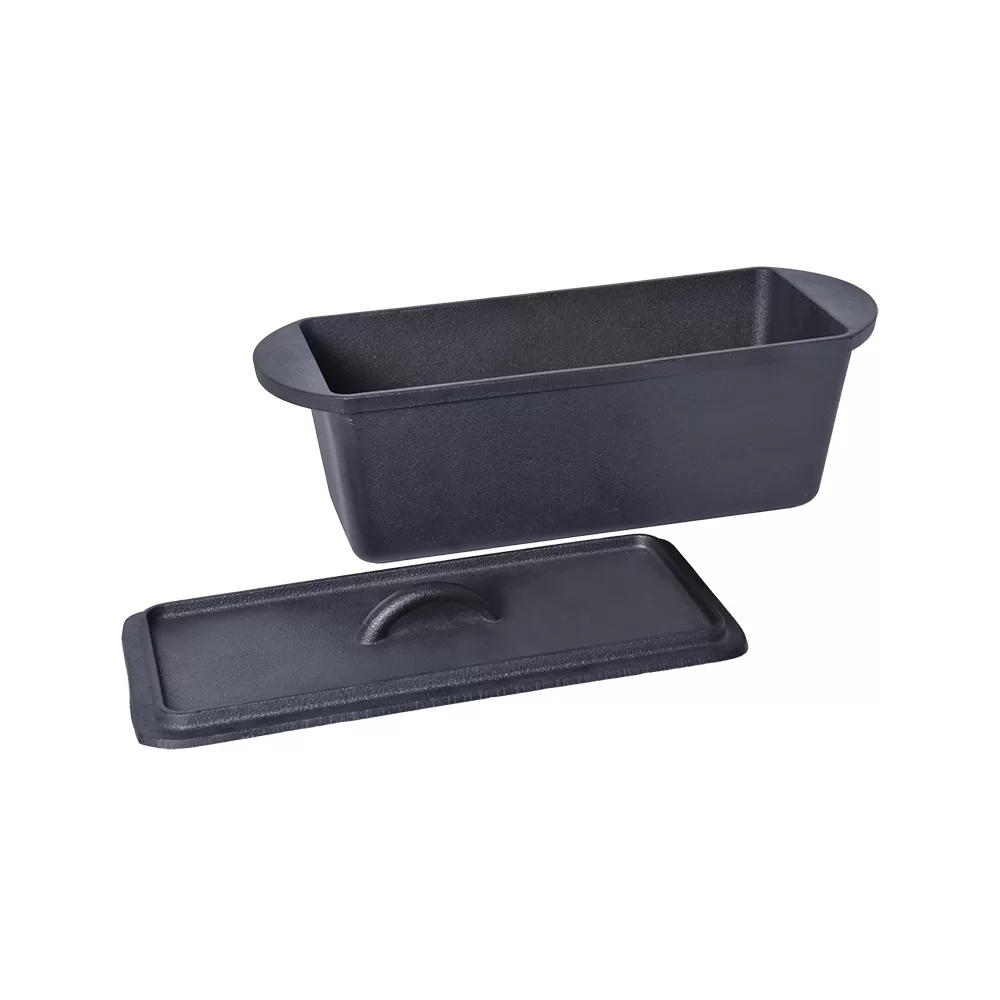
Simply put, a cast iron baguette pan is a specialized baking tray designed to hold the elongated shape of baguettes during baking. Made from cast iron, this pan offers excellent heat retention and an evenly heated surface, crucial for obtaining the perfect baguette crust and crumb.
Unlike steel or aluminum pans, cast iron reacts slowly to temperature changes but keeps heat steady, which is ideal for artisan bread baking techniques. In industrial or humanitarian baking settings—think refugee camp bakeries or small-scale food cooperatives—the pan’s robustness and ability to deliver consistently baked goods is invaluable. Durability meets functionality here.
Key Features of the Cast Iron Baguette Pan
Durability & Longevity
Cast iron is famously durable, resistant to warping, and can last generations with simple care. This is not a “throwaway” item. Many bakers swear by their cast iron pans passed down through decades.
Heat Retention & Distribution
The heavy mass means heat moves slowly through the pan but once hot, it stays hot—resulting in beautifully browned crusts without hot spots or uneven baking.
Non-Stick Potential Through Seasoning
With regular seasoning (applying layers of oil and baking them), cast iron pans develop a natural non-stick coating, avoiding the chemical fumes or peeling coatings found in some non-stick pans.
Versatility
You’re not limited to baguettes either. The pan excels for any elongated breads or rolls, and can even handle oven-to-table presentations with a rustic aesthetic.
Cost Efficiency Over Time
Though often more expensive upfront than aluminum pans, cast iron pans save money over time due to durability and performance consistency.
Environmental Impact
Cast iron, being fully recyclable and made from abundant iron ore, has a lower environmental footprint compared to plastic or composite bakeware. Plus, its longevity means less frequent replacements.
Mini takeaway: Cast iron baguette pans combine functional benefits—heat, durability, sustainability—that are essential for both small-scale artisanal use and industrial bakery longevity.
Global Applications & Real-World Uses
It’s fascinating how the cast iron baguette pan finds itself indispensable in an array of baking environments around the world:
- Europe: Traditional bakeries across France and Italy still rely heavily on cast iron for artisanal baguettes and ciabatta.
- North America: Craft bakeries and culinary schools use these pans to teach authentic French baking techniques.
- Africa & Asia: In refugee camps or remote villages, NGOs and micro-bakeries use cast iron pans as they’re easier to maintain under tough conditions.
- Latin America: Emerging urban bakeries combine cast iron tools with modern ovens to enhance product quality.
There’s even an interesting case of a social enterprise in the Middle East that uses cast iron baguette pans to empower displaced women by teaching artisanal baking, combining cultural preservation with livelihood creation.
Advantages & Long-Term Value of Cast Iron Baguette Pans
When you think beyond the pan, a cast iron baguette pan’s impact unfolds in various ways:
- Cost Savings: No need to replace warped pans frequently.
- Sustainability: Less frequent discard lowers landfill waste.
- Social Impact: Enables small bakeries to produce high-quality bread consistently, enhancing local food security.
- Emotional Value: Many bakers feel a deep connection working with traditional materials, fostering craft pride and authenticity.
- Reliability: Consistent results build customer trust and brand reputation.
Fast Facts: Cast Iron Baguette Pan Specifications
| Feature | Typical Specification | Benefit |
|---|---|---|
| Material | Cast iron (seasoned) | Excellent heat retention, long-lasting |
| Number of baguette slots | 3–6 slots | Optimized batch baking |
| Dimensions | Approx. 16" x 9" (40 x 23 cm) | Fits standard ovens, easy handling |
| Weight | ~5–7 lbs (2.3–3.2 kg) | Sturdy and stable during baking |
| Oven Safe Temperature | Up to 500°F / 260°C | High-temp performance for perfect crusts |
Comparing Leading Cast Iron Baguette Pan Vendors
| Vendor | Price Range (USD) | Number of Slots | Seasoned? | Warranty |
|---|---|---|---|---|
| Kingway Cookwares | $45–60 | 4 | Pre-seasoned | 5 years |
| Baker’s Essentials | $50–70 | 3 | Unseasoned | 3 years |
| Heritage Bakeware | $55–75 | 6 | Pre-seasoned | 10 years |
Looking Ahead: Future Trends in Cast Iron Baguette Pans
The baking world isn’t immune to innovation. And oddly enough, cast iron as an ancient material is getting a modern twist. Manufacturers are exploring ways to improve factory seasoning processes, integrate non-toxic coatings that speed up seasoning, and even use 3D casting to create customized pan shapes better suited for automated ovens. Sustainability is pushing more eco-friendly sourcing of iron, and some companies explore recycled cast iron for production.
On a digital note, smart ovens optimized for cast iron cookware are emerging, enabling bakers to control temperature profiles for baguette pans precisely, logging data to fine-tune recipes. It feels like artisan baking meets Industry 4.0.
Obstacles and Clever Workarounds
It’s fair to say cast iron baguette pans aren’t perfect. Their weight can be a challenge, especially in high-volume bakeries where hours of handling are routine. Some bakers find they require more care to avoid rust and maintain the seasoning layer. Plus, uneven heat-up times can trip novices up.
That said, solutions like adding ergonomic handles, providing quick seasoning kits, or training programs focused on proper maintenance help mitigate these issues effectively. Many seasoned (pun intended) bakers say it’s worth the effort for the end results.
FAQ: Frequently Asked Questions About Cast Iron Baguette Pans
Q1: How do I properly season my cast iron baguette pan?
A1: To season, clean your pan, apply a thin layer of vegetable oil, and bake it upside down at 350°F (175°C) for about an hour. This process creates a natural non-stick coating, improving baking results and preventing rust.
Q2: Can I use a cast iron baguette pan on any oven type?
A2: Yes, cast iron is compatible with most household and commercial ovens, including convection ovens. However, it heats slower than aluminum, so pre-heating is key for even baking.
Q3: Are cast iron baguette pans suitable for industrial bakery production?
A3: Absolutely. Their durability and heat retention make them suitable for consistent baking, especially in artisanal or specialty bread production lines.
Q4: How do I clean my cast iron pan without damaging the seasoning?
A4: Avoid soap or harsh detergents. Instead, use warm water and a stiff brush. Dry immediately to prevent rust and apply a light oil layer after each use.
Q5: Is a cast iron baguette pan worth the investment for home bakers?
A5: For serious home bakers who value crust quality and pan longevity, yes. While pricier upfront, the pan lasts decades and improves baking outcomes significantly.
Conclusion: Why Every Baker Should Consider a Cast Iron Baguette Pan
Ultimately, the cast iron baguette pan embodies a blend of tradition, practicality, and sustainability that resonates globally. Whether you’re running a bakery in bustling Paris or baking artisan bread at home, this pan offers long-term value through durability and delicious results. If you want to step up your baking game or set up a reliable bakery operation, the investment in cast iron baguette pans is a no-brainer.
Explore the full range and see how it can fit your needs at Kingway Cookwares. Happy baking!
References