The Ultimate Guide to Large Cast Iron Bread Pans: Benefits, Care, and Buying Tips
Understanding the Large Cast Iron Bread Pan: A Global Baking Essential
At first glance, a large cast iron bread pan might seem like just another kitchen tool, but its significance stretches far beyond the humble home oven. Globally, cast iron bakeware has been cherished for generations due to its durability, heat retention, and versatility. In a world where artisanal bread baking is resurging and industrial-scale baking demands reliability, knowing the ins and outs of large cast iron bread pans offers key benefits: from improving bread quality to reducing energy consumption. Plus, on a sustainability angle, cast iron’s longevity means less frequent replacements — a small step toward eco-friendliness.
Introduction: Why the Large Cast Iron Bread Pan Matters Globally
The international baking market is projected to grow steadily, with the artisanal and specialty bread sector leading the charge. According to the International Organization for Standardization (ISO), equipment durability and safety standards in food production are becoming ever more stringent. The large cast iron bread pan — known for its ability to deliver consistent crust formation and uniform heat distribution — addresses significant challenges in both home and commercial baking environments worldwide.
Oddly enough, while modern materials like silicone and aluminum have gained popularity, cast iron remains a go-to, especially in regions where energy efficiency and longevity are prioritized. For example, in parts of Europe and North America, artisan bakers swear by cast iron pans, not just for bread but for other baked goods as well.
Mini takeaway: The large cast iron bread pan blends tradition and technology, enabling bakers worldwide to achieve better results while supporting sustainable cooking practices.
What Exactly Is a Large Cast Iron Bread Pan?
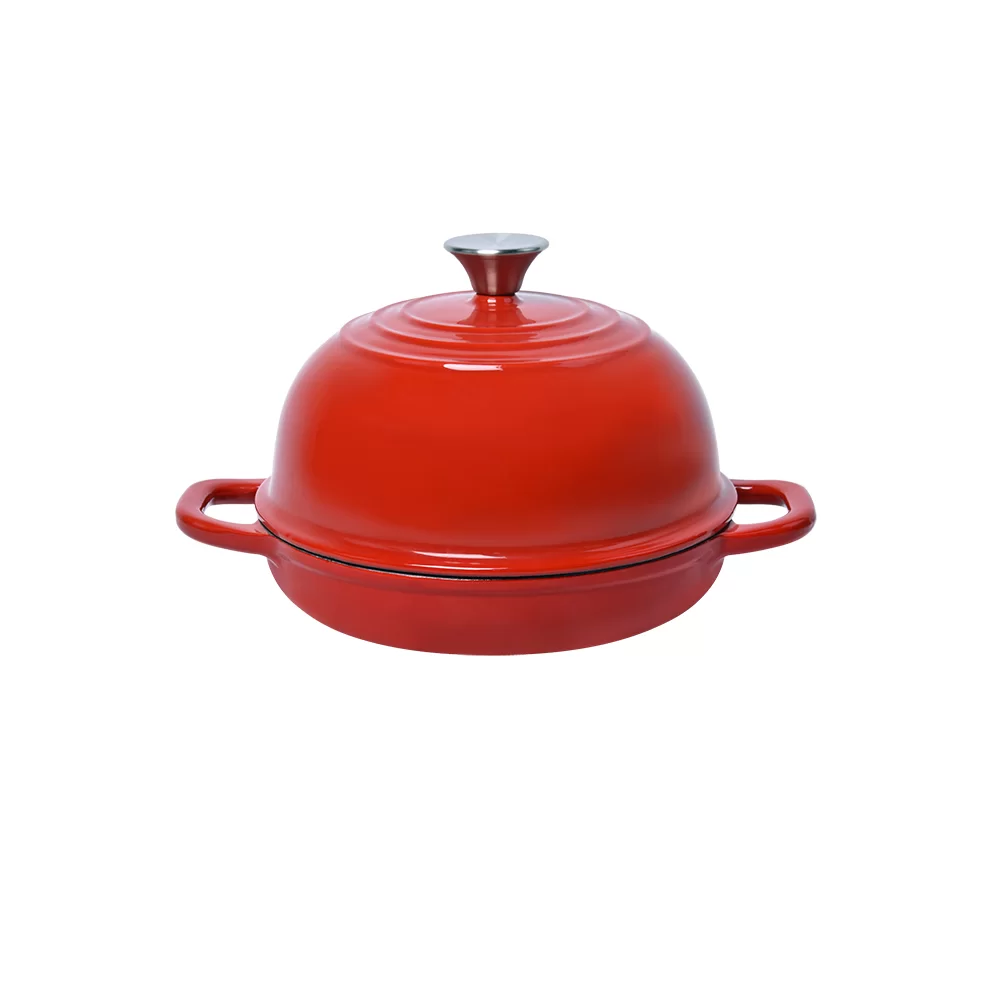
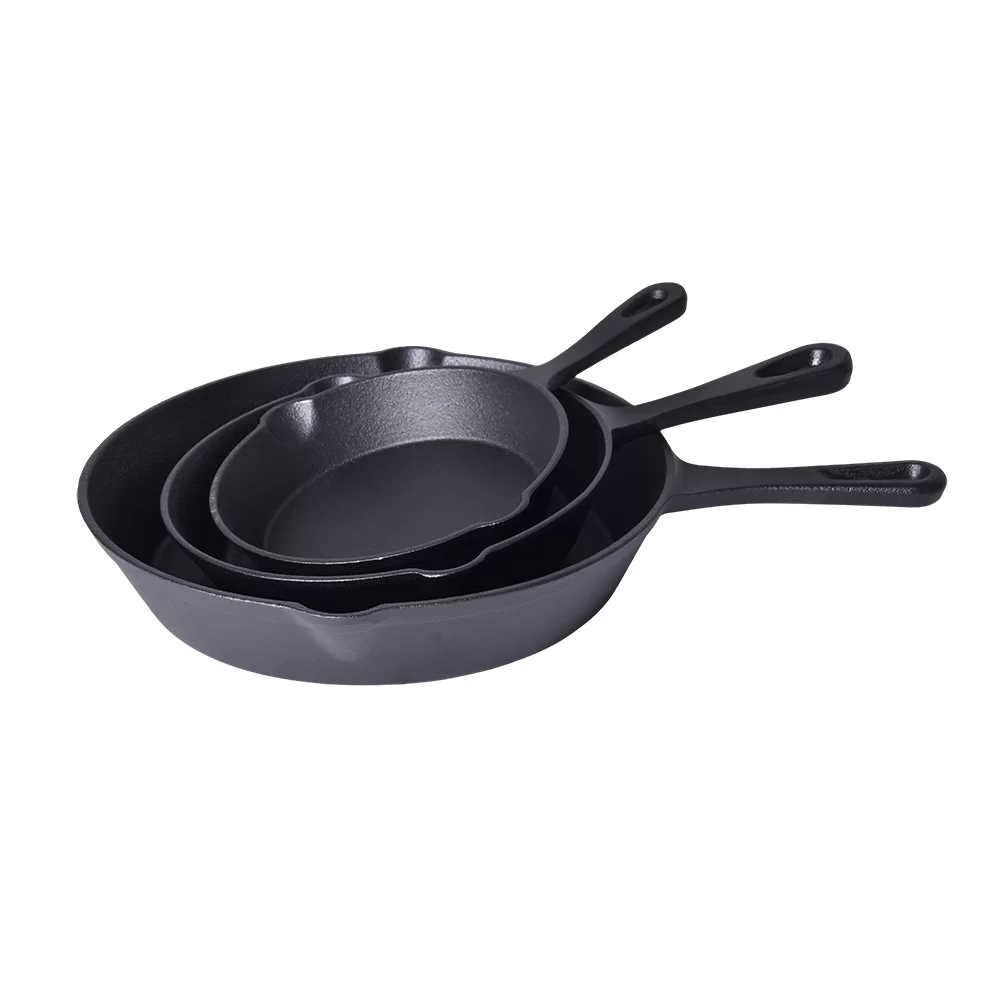
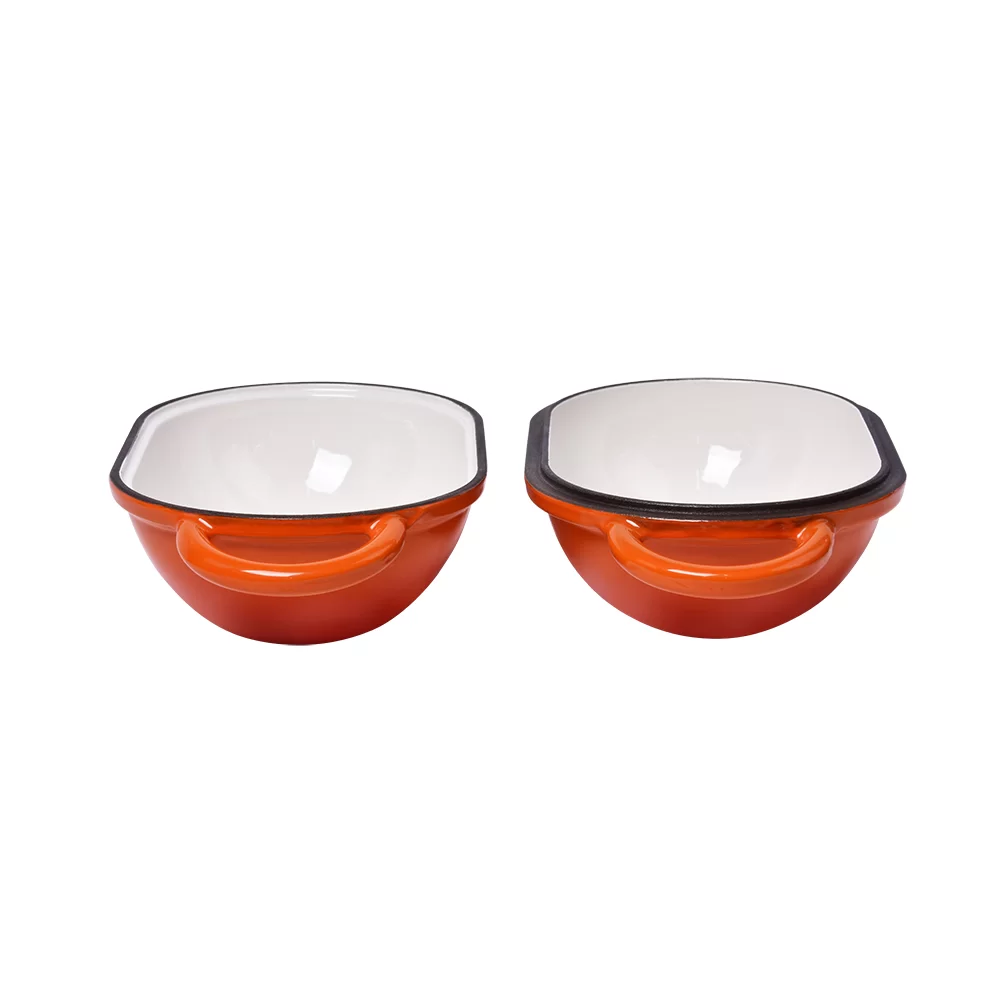
Simply put, a large cast iron bread pan is a heavy-duty baking container made from cast iron alloy, typically designed to bake loaves of bread that require more space than standard loaves. It’s hefty, sometimes weighing several pounds, and can hold more dough, perfect for larger or club-sized loaves. What sets cast iron apart from other materials is its exceptional heat retention and even cooking surface, which results in a well-browned crust and moist crumb inside.
From a humanitarian or industrial perspective, this pan connects to modern needs by offering a piece of equipment usable in varied environments — from sophisticated bakery chains to mobile kitchens in remote areas. Its durability means less dependency on constant replacement, a practical feature in low-resource settings.
Key Features of Large Cast Iron Bread Pans
Durability
Cast iron pans are basically the marathon runners of the bakeware world. They resist warping and cracking over time even under high temperatures and repeated use. Many cooks mention pans passed down through generations, still going strong — now that’s value for money and sustainability combined.
Heat Retention and Distribution
Unlike some lighter materials that heat unevenly, cast iron absorbs and holds heat steadily, promoting uniform baking. This means fewer burnt edges and perfectly cooked interiors. Bakers appreciate the rock-solid consistency this brings to repeat recipes.
Maintenance & Seasoning
Yes, cast iron requires care — seasoning with oil to build a natural non-stick surface is crucial. However, after a simple start-up phase, many find the pan easier to clean than you’d expect. That said, not everyone enjoys the extra maintenance step, and it can be a hurdle for folks used to dishwasher-safe materials.
Compatibility
Large cast iron bread pans are compatible with virtually all oven types — conventional, gas, electric, and even campfire cooking. This versatility is a strong draw for both home bakers and professionals on the move.
Eco-friendliness
Considering lifecycle assessment, cast iron’s longevity means it rarely ends up in landfills compared to cheaper, single-use bakeware. It can also be recycled efficiently in metal recycling programs, giving it a green edge.
Product Specification Table
| Specification | Details |
|---|---|
| Material | 100% Cast Iron with pre-seasoned coating |
| Dimensions | 14 in (L) x 5 in (W) x 3 in (H) approx. |
| Weight | Approximately 6 lbs (2.7 kg) |
| Heat Compatibility | Oven safe up to 500°F (260°C) |
| Maintenance | Hand wash & seasonal oiling recommended |
Global Applications and Use Cases
This style of pan is found in bakeries across North America, Europe, and increasingly in Asia’s burgeoning artisan market. In rural African communities, large cast iron bakeware plays a role in communal bread baking, where its resilience to harsh conditions is valued. It’s also common in mobile bakery units supporting disaster relief or refugee camps, providing an easy way to bake fresh bread on-site.
Industry-wise, from boutique bakery chains to large-scale commercial kitchens, the pan’s uniform heat distribution means less waste, shorter cooking times, and superior product consistency — all essential for customer satisfaction and operational efficiency.
Mini takeaway: The large cast iron bread pan adapts across geographies, scales, and contexts, from industrial kitchens to humanitarian efforts.
Advantages and Long-Term Value
- Cost Efficiency: Though initial costs can be slightly higher than aluminum, the long lifespan offsets this considerably.
- Sustainability: Repairable and recyclable, reducing environmental footprint.
- Reliability: Predictable baking results minimize wastage.
- Emotional Value: Many users develop a trust and fondness after years with a quality cast iron pan — it’s like a kitchen companion.
Future Trends and Innovations
There’s ongoing development in cast iron manufacturing, such as enamel coatings that reduce seasoning needs and enhance hygiene. Additionally, manufacturers are investigating lighter-weight alloys and hybrid materials that maintain heat retention while improving handling.
The broader move towards sustainable cooking and energy-efficient appliances complements cast iron’s benefits — it’s becoming part of “green kitchens.” And oddly enough, digital temperature monitoring combined with smart ovens is improving how bakers interact with their pans, ensuring perfect baking every time.
Challenges and Practical Solutions
Maintenance remains a sticking point for some consumers, with seasoning a skill that requires patience. However, many vendors now pre-season pans exceptionally well, and educational efforts via video tutorials and community cooking classes help bridge this knowledge gap.
Weight is a double-edged sword: it signals durability but can be cumbersome. Ergonomic handles and design tweaks are helping here, so pans stay manageable without sacrificing structural integrity.
Vendor Comparison Table: Popular Large Cast Iron Bread Pans
| Vendor | Price | Weight (lbs) | Pre-seasoned | Warranty |
|---|---|---|---|---|
| Kingway Cookwares | $45 | 6.0 | Yes | Lifetime limited |
| Lodge | $55 | 6.2 | Yes | Limited 1 year |
| Victoria | $40 | 5.8 | No (requires seasoning) | None |
FAQ: Frequently Asked Questions About Large Cast Iron Bread Pans
Q: How much maintenance does a large cast iron bread pan need?
A: Initially, it requires seasoning — coating with a thin layer of oil and heating — to build a non-stick surface. After that, simple hand washing (no soap) and drying immediately prevents rust. Occasional re-seasoning keeps it in top shape. This routine is easy once you get used to it.
Q: Can I use a large cast iron bread pan on stovetops or grills?
A: Absolutely! Cast iron is versatile and can be used on stovetops, grills, and even open fires, besides conventional ovens. Just make sure the heat is controlled to avoid hot spots or warping over time.
Q: Is a large cast iron bread pan suitable for gluten-free baking?
Yes, it is! The even heat distribution helps gluten-free breads cook thoroughly and develop a nice crust without burning, which is often tricky with other bakeware materials.
Q: How do large cast iron bread pans compare to aluminum or silicone pans?
Cast iron offers superior heat retention and durability. Aluminum heats quickly but unevenly and is prone to warping. Silicone is flexible and non-stick but does not brown bread the way cast iron can — that crust is what many bakers treasure.
Q: Where can I buy quality large cast iron bread pans?
Various retailers exist, but vendors like Kingway Cookwares specialize in large pre-seasoned cast iron pans with excellent warranties and customer support, making them a preferred choice for both novices and pros alike.
Conclusion – Why Invest in a Large Cast Iron Bread Pan?
Choosing a large cast iron bread pan is investing in tradition, durability, and baking excellence. It stands the test of time and adapts to your evolving baking needs, whether you’re crafting artisan loaves or serving communities where reliable bakeware is essential for food security. Frankly, it feels like an old friend in the kitchen — heavy, dependable, and ready whenever inspiration strikes. To start your journey with premium bakeware, do check out their collection of large cast iron bread pans and experience true quality.
Remember — good bread starts with good tools.
Brief reflection: Exploring cast iron bakeware reveals more than just kitchen gadgets — it touches history, culture, and environmental responsibility. It’s reassuring that such simple tools can still connect us globally, one loaf at a time. If I had to pick one takeaway, it’s this: versatile, sturdy, and eco-friendly cookware like large cast iron bread pans quietly shape sustainable culinary futures.