Silicone Brush and Spatula for Industrial Use | Kingway Cookwares
Silicone Brush and Spatula: The Industrial Edge in Food Handling Tools
Having worked in the industrial equipment sector for quite a few years — with some hands-on experience around food processing lines and commercial kitchens — I can honestly say that silicone brush and spatula sets are quietly indispensable. Oddly enough, they’re often overlooked in favor of traditional wooden or metal tools, but once you get to understand their design and engineering, it’s clear why they’re winning over industrial operators worldwide.
Let’s face it, in large-scale food production or industrial kitchens, equipment needs to withstand serious wear and tear, frequent sterilizations, and high temperatures — all without degrading or contaminating food. That’s where silicone really shines. This synthetic elastomer boasts flexibility and heat resistance that frankly outperforms many conventional materials. You can’t just slap “silicone” on any tool and call it a day, though — the quality, formulation, and construction methods matter hugely.
For example, industrial-grade silicone used in brushes and spatulas usually withstands temperatures up to 500°F (260°C) and occasionally more. The material’s inert nature ensures it won’t absorb odors or flavors, which is a big plus in ensuring food safety and consistency. I recall a food plant manager telling me how switching to silicone tools reduced cross-contamination fears drastically.
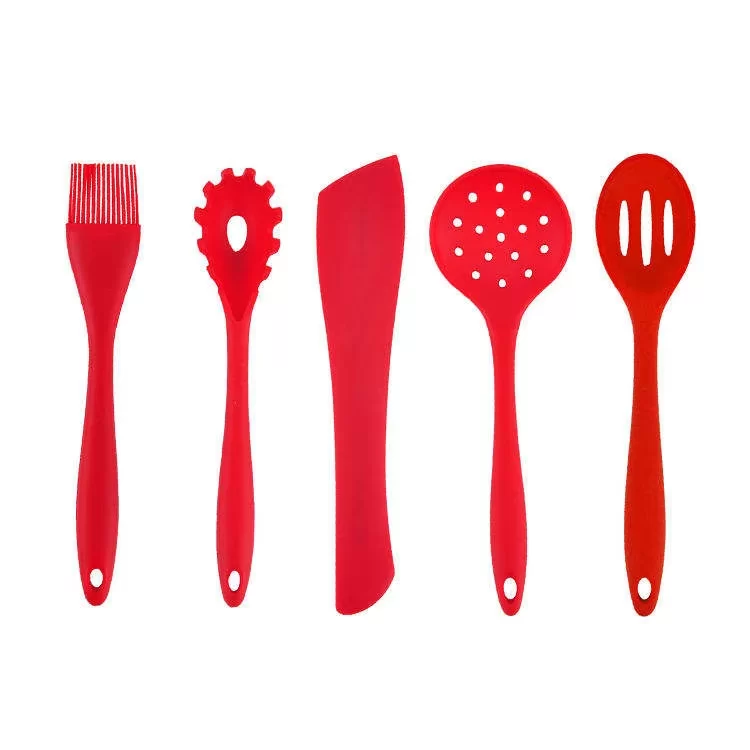
The design of the brush bristles or spatula blade is another talking point. Vendors craft brushes with densely packed, resilient bristles that provide excellent spread control without flaking or warping over time — pretty essential when you’re spreading glazes or oils on products running on a conveyor. Meanwhile, spatulas often come with flexible yet sturdy blades that scrape mixing bowls clean without scratching expensive equipment, which saves on maintenance costs.
| Property | Brush | Spatula |
|---|---|---|
| Material Grade | Food-grade silicone (FDA approved) | Food-grade silicone (FDA approved) |
| Temperature Range | -40°F to 500°F (-40°C to 260°C) | -40°F to 500°F (-40°C to 260°C) |
| Handle Options | Stainless steel / silicone-coated wood | Stainless steel / silicone-coated wood |
| Bristle/Blade Design | Multi-tine flexible tips | Flexible, tapered blade |
| Cleaning | Dishwasher safe, easy sanitization | Dishwasher safe, easy sanitization |
Now, from a vendor perspective, I often hear debates about who offers the best balance of durability, ergonomics, and pricing. Here’s a quick comparative glance at three industry players I trust:
| Vendor | Material Quality | Design Innovation | Price Range | Global Availability |
|---|---|---|---|---|
| Kingway Cookwares | High-grade FDA silicone | Ergonomic handles, reinforced bristles | Mid-range | Yes (online and distributors) |
| SiliconeMaster | Premium medical-grade silicone | Custom molds, color options | High | Limited (select markets) |
| FlexTools Inc. | Standard food-grade silicone | Basic designs, bulk sales | Low | Widely available |
In real terms, I noticed the brush and spatula sets from Kingway Cookwares really hold up after intense use on a busy day, and the handle design makes a difference when you’re using them for hours straight. Same story from some chefs I know — they swear by silicone tools for their non-stick properties and easy cleanup. Frankly, it’s hard to go back to metal or wood once you’ve rolled with silicone in an industrial setting.
Of course, no tool is perfect. Silicone brushes may occasionally trap bits if not cleaned thoroughly, and spatula blades can get warped if exposed to temperatures beyond their tolerance or if stored improperly. But with a bit of care, these tools can literally outlast other options many times over.
For manufacturers or even commercial kitchen managers looking for reliable silicone brush and spatula solutions, consider the combination of material certification (FDA or equivalent), ergonomic design, and vendor support as key buying criteria. It’s not just about saving money upfront — but reducing downtime, maintenance, and contamination risks.
As one small anecdote, a bakery I worked with switched from cheap plastic spatulas to silicone sets and saw a drop in damaged dough batches and fewer complaints about tool odor transfer. That was a turning point which convinced their procurement team to brand their silicone tools as critical production assets.
So yeah, these seemingly simple utensils carry some serious industrial cred. And if you want to check out a solid range of them, I highly recommend browsing silicone brush and spatula offerings there — they combine quality with sensible pricing, which fits most industrial budgets.
To wrap this up, remember: in industrial food equipment, every inch of material and every curve on a tool counts. Silicone’s versatility means it’s probably not just a fad, but a mainstay in kitchens and plants globally. So next time you pick up a brush or spatula, give silicone a serious look.
Quick takeaway: The right silicone brush and spatula can improve efficiency and safety in any industrial kitchen or food processing line, provided you vet the specs carefully.
References
1. FDA Food Contact Substance Notifications (FCS) on Silicone Materials
2. Industry Journal of Commercial Kitchen Equipment, July 2023 Edition
3. Interview with Food Plant Manager, Midwest Bakery, 2022