Explore the Benefits & Global Impact of Iron Bread Pan | Durable Cast Iron Bakeware
Iron Bread Pan: A Kitchen Essential with Global Impact
The iron bread pan might seem like a humble kitchen tool, but its popularity and utility stretch far beyond mere baking. In a world where durable kitchenware balances tradition with innovation, understanding the iron bread pan reveals much about culinary culture, sustainability, and design engineering worldwide.
Globally, millions rely on sturdy bakeware that can withstand consistent use and high temperatures. According to a recent ISO report on kitchenware safety and materials, cast iron products—like the iron bread pan—are often favored for their longevity and even heat distribution, qualities crucial for both home cooks and commercial kitchens alike.
But there’s also a fascinating, almost humanitarian angle here: robust cookware like the iron bread pan supports communities in harsh environments where replacement goods are scarce or costly. Frankly, knowing how to choose and care for one can save you money, enhance your baking, and even reduce waste over time.
What Exactly Is an Iron Bread Pan?
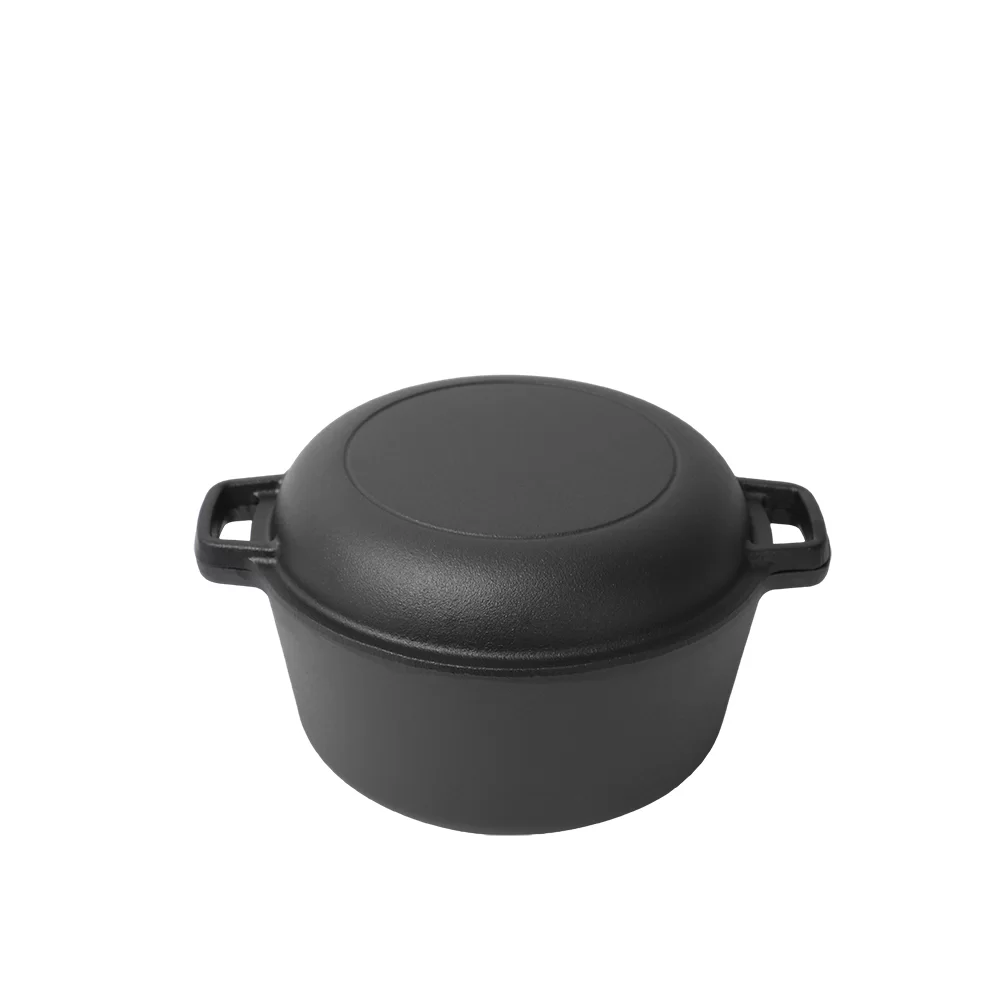
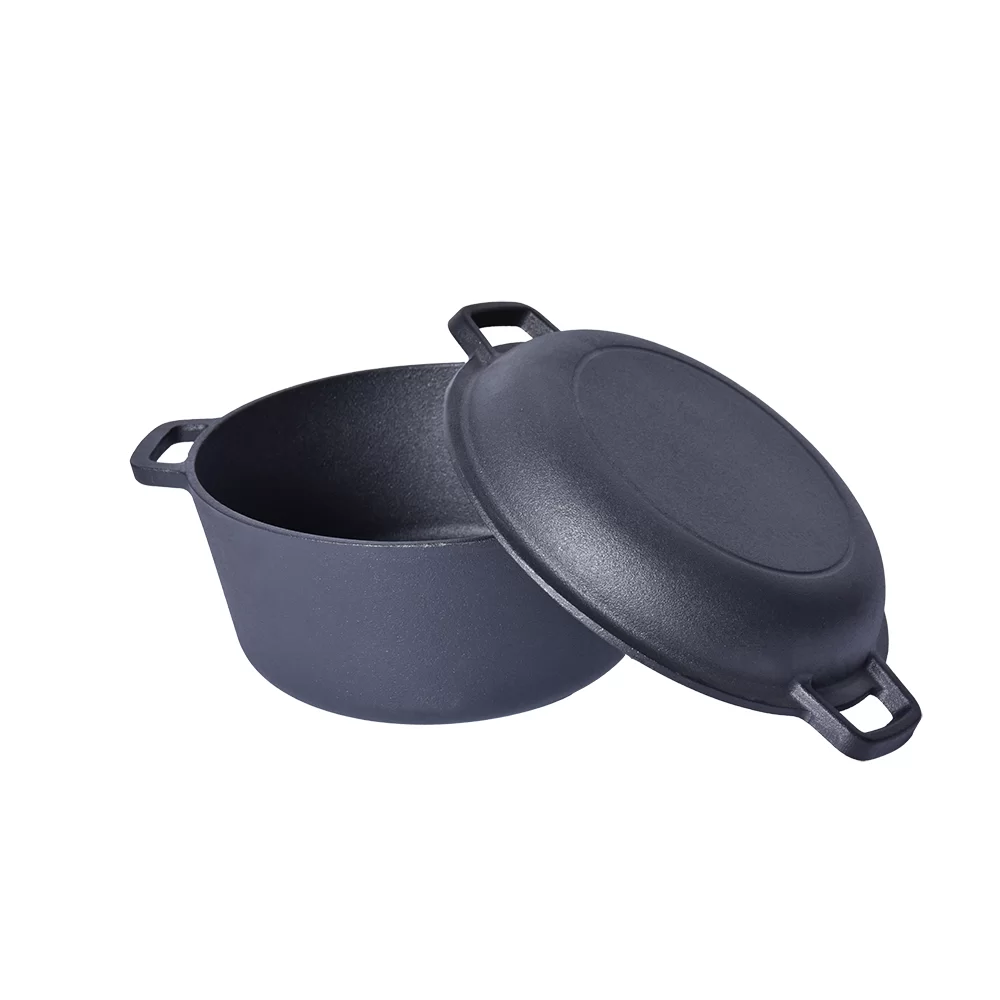
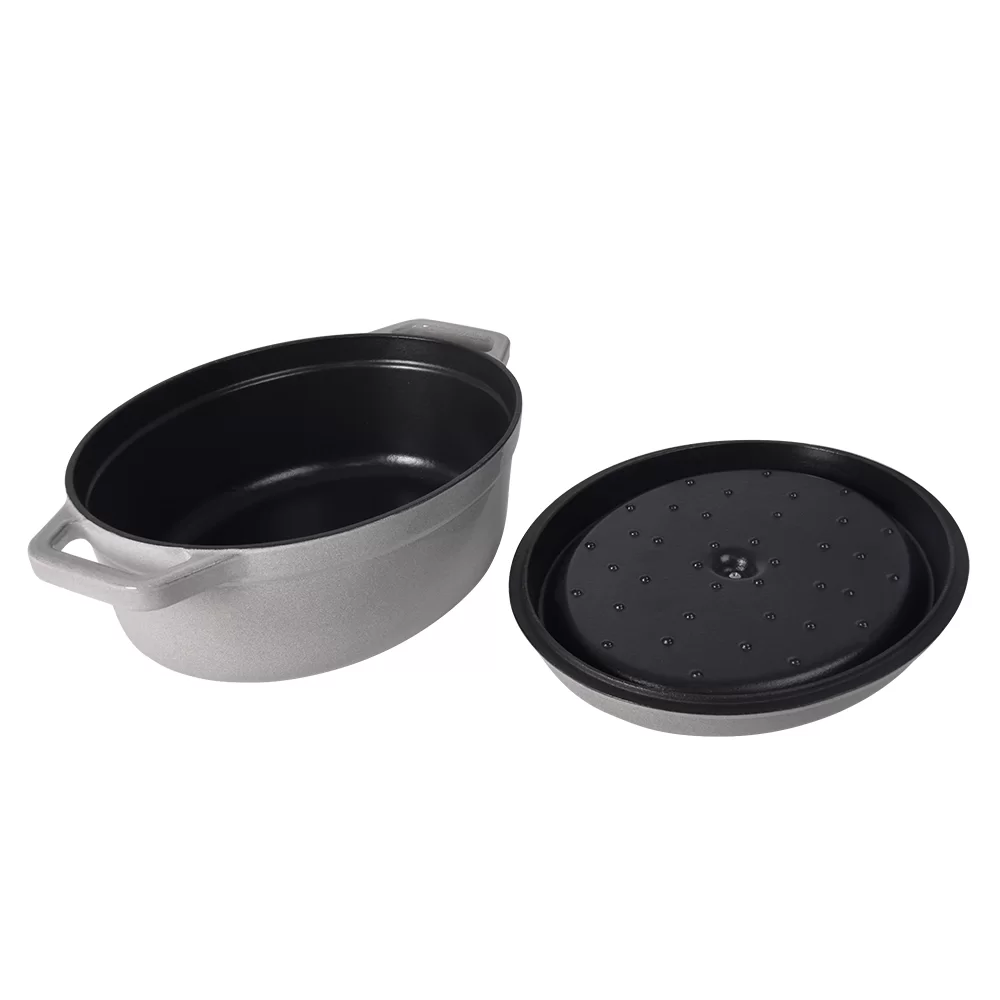
Simply put, an iron bread pan is a loaf-shaped baking vessel crafted mainly from cast iron. It’s designed for baking bread, but its heat retention properties make it ideal for roasting and other oven applications. Cast iron’s ability to maintain steady heat means your bread bakes evenly, producing a crusty exterior with a tender crumb inside—a quality bakers treasure.
Modern manufacturing has refined the design and finish of these pans, sometimes seasoning them at the factory for immediate use. But even in traditional communities or remote areas, such pans are prized for their reliability and ease of repair, linking them to broader industrial needs for durable, reusable products.
Core Features of an Iron Bread Pan
- Durability: These pans literally last decades if cared for correctly; cast iron resists warping and corrosion.
- Heat Distribution: Cast iron ensures steady heat flow, reducing hot spots, essential for even baking.
- Maintenance: Requires seasoning and proper cleaning but repels rust once cared for.
- Versatility: From baking breads to roasting meats, an iron bread pan serves multiple kitchen functions.
- Eco-Friendliness: Cast iron pans often outlive non-stick or aluminum alternatives, lowering landfill waste.
Typical Product Specs of an Iron Bread Pan
| Feature | Specification |
|---|---|
| Material | Cast Iron (Pre-Seasoned or Bare) |
| Size | Typically 9 x 5 inches or 10 x 5.5 inches |
| Weight | 3 to 5 pounds |
| Coating | Seasoned coating or bare iron (requires seasoning) |
| Oven Safe Temperature | Up to 500°F (260°C) |
Mini takeaway: The iron bread pan is more than just bakeware; it’s a durable investment for efficient and reliable bread baking across various environments.
Global Uses & Regional Impact
In Europe and North America, iron bread pans anchor artisanal and home baking traditions, supporting a global bread culture that’s centuries old. Oddly enough, these pans also play important roles in less obvious places: refugee camps, remote villages in Sub-Saharan Africa, and even Arctic outposts.
For instance, humanitarian organizations providing cooking kits in disaster relief include cast iron bread pans due to their resilience and versatility. Industrial kitchens in developing regions appreciate its reusability compared to disposable alternatives, contributing to sustainability goals tied to UN SDG 12 (Responsible Consumption and Production).
Comparing Top Iron Bread Pan Vendors
| Vendor | Product Line | Price Range | Notable Features |
|---|---|---|---|
| Kingway Cookwares | Classic Pre-Seasoned Cast Iron | $25 - $40 | Factory-seasoned, smooth finish, long-lasting |
| Lodge | Traditional Cast Iron Bread Pan | $20 - $35 | Thick walls, well-known brand, US-made |
| Victoria | Handcrafted Cast Iron Pans | $30 - $50 | Rust-resistant coating, lightweight variant |
Mini takeaway: While many vendors offer similar specs, regional availability, pre-seasoning, and price often influence buyer choice.
Why Choose an Iron Bread Pan? The Advantages
Many chefs and bakers will tell you – a quality iron bread pan isn't just about heat—it's about reliability and a certain baking experience. The pan’s ability to impart a deep crust and maintain moisture is a game changer.
- Cost-effective over time: Unlike cheaper materials, cast iron doesn't flake, warp, or degrade quickly.
- Eco-conscious: Longevity means fewer replacements, which aligns with sustainable consumption goals.
- Health benefits: Cast iron can add trace iron to food, a small nutritional plus often overlooked.
- Emotional satisfaction: Using a traditional iron bread pan often connects us to heritage and craft, enhancing the baking joy.
Innovations and Future Trends in Cast Iron Bakeware
Frankly, the future of the iron bread pan is quietly evolving with innovations around coatings and weight reduction. New seasoning methods now create nearly non-stick surfaces without synthetic chemicals, and advances in molding techniques allow lighter yet durable pans.
Some brands experiment with digital temperature indicators embedded in handles—a nod to smart kitchens—and sustainability efforts push for fully recycled iron cycles. Ultimately, these developments reflect a convergence of tradition and technology.
Common Challenges and Expert Tips
Bottom line: cast iron requires care. If neglected, it rusts or loses seasoning, which can be off-putting for beginners. Experts recommend regular oiling and avoiding soap detergents, which strip the seasoned layer.
On the manufacturing side, heavier pans can be cumbersome for some users, especially the elderly. Lightweight cast iron blends and ergonomic handles are solutions slowly gaining traction, but you know, patience and care remain key for longevity.
FAQs About Iron Bread Pan
- How do I properly season an iron bread pan?
- Seasoning involves coating the pan with a thin layer of vegetable oil and baking it at 450°F (232°C) for an hour. This process forms a natural, non-stick surface and prevents rusting. Repeat as needed to maintain the finish.
- Can I use an iron bread pan on a stovetop?
- While technically possible, it’s not recommended because the pan is designed for oven use to ensure even baking. Direct stovetop heat may cause hot spots or damage the seasoning.
- Is a pre-seasoned iron bread pan better than bare cast iron?
- Pre-seasoned pans offer convenience for immediate use but may need additional seasoning for best performance. Bare pans require more initial care but can develop superior seasoning over time.
- How should I clean my iron bread pan?
- Clean it with hot water and a stiff brush. Avoid soap or dishwasher use. Dry thoroughly and lightly oil to maintain the seasoning layer.
- Are iron bread pans safe for people with iron allergies?
- Cast iron can leach small iron amounts into food, usually beneficial. However, if you have a known allergy or condition, consult a healthcare professional before use.
Conclusion: Baking Your Way to Sustainability
In real terms, the iron bread pan isn’t just about baking bread—it’s about embracing durability, tradition, and sustainable kitchenware. Its global appeal and practical benefits make it an essential for all kitchens, from city apartments to remote field stations.
Ready to invest in your own iron bread pan that stands the test of time? Visit Kingway Cookwares for expertly crafted, pre-seasoned pans that bring quality and heritage to your baking.
Mini takeaway: Choosing the right iron bread pan is an investment in quality, sustainability, and baking joy that pays off for years.
References:
1. ISO - Cooking and Baking Equipment: ISO 73316
2. United Nations Sustainable Development Goals (SDG 12): Responsible Consumption and Production
3. Cast Iron Cookware History and Benefits (Wikipedia): Wikipedia - Cast iron cookware