Enameled Cast Iron Bread Pan: Durable, Sustainable, and Essential Bakeware
Understanding the Enameled Cast Iron Bread Pan: A Bakeware Revolution
If you've ever wondered why your favorite baker swears by that heavy, glossy pan in the oven, you're touching on something quite special. The enameled cast iron bread pan is more than just kitchenware—it's a global player in sustainable cooking, durable design, and artisanal baking. Its significance stretches from household counters to commercial bakeries worldwide, addressing challenges in heat distribution, durability, and food quality.
This article dives into what exactly an enameled cast iron bread pan is, why it's important globally, its multiple benefits, and why experts are keen to embrace it moving forward.
Global Importance of the Enameled Cast Iron Bread Pan
Cast iron cookware dates back centuries, but the advent of enamel coating has allowed it to endure modern culinary demands and environmental concerns. According to ISO standards on cookware safety and durability, enameled cast iron offers superior performance for both domestic and commercial applications.
The global cookware market, as reported by the World Bank, is expanding rapidly, with sustainable and durable products seeing up to a 7% growth annually. Yet, challenges like heat inefficiency, stickiness, or rapid wear persist with other materials. Enter the enameled cast iron bread pan, which promises to address these quite effectively.
In fact, in regions where energy efficiency is crucial—think parts of Europe and Asia—this pan’s heat retention reduces oven energy use substantially. For artisanal breadmakers worldwide, it's a must-have for achieving perfectly browned crusts without sticking or uneven baking.
What Is an Enameled Cast Iron Bread Pan?
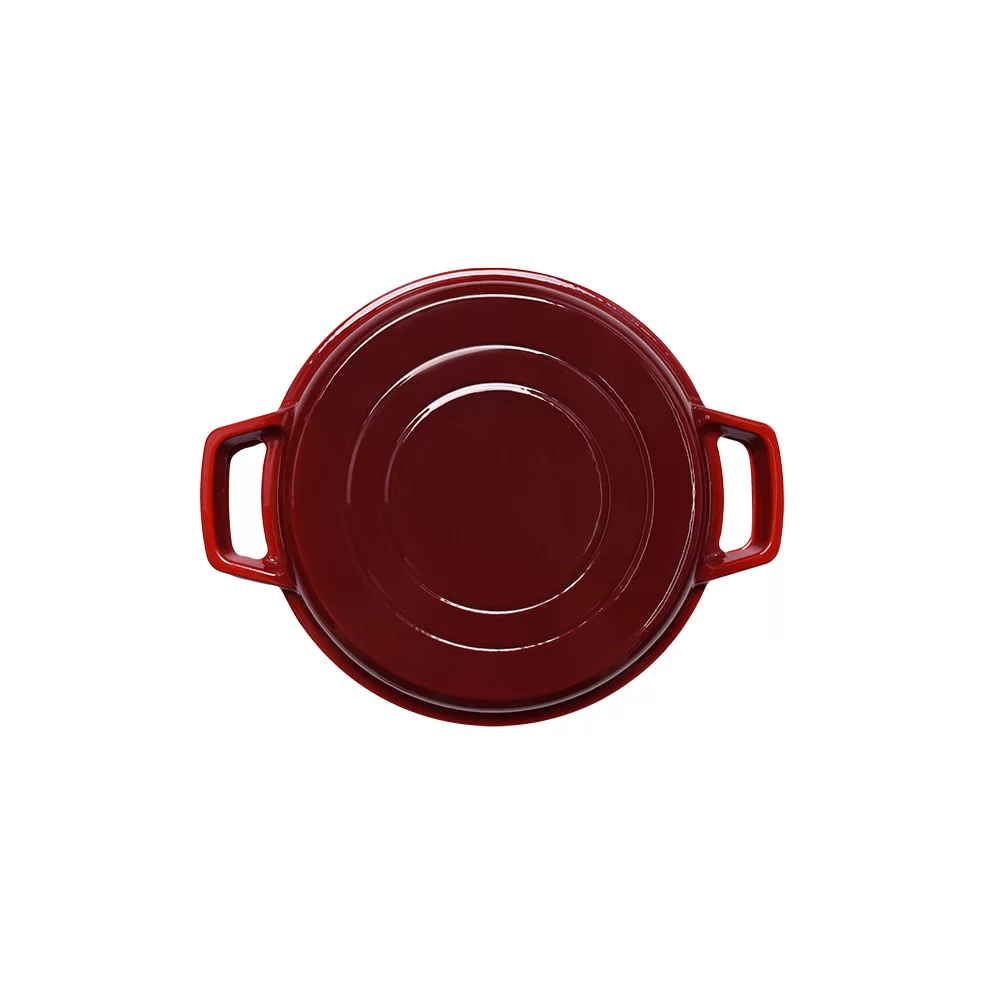
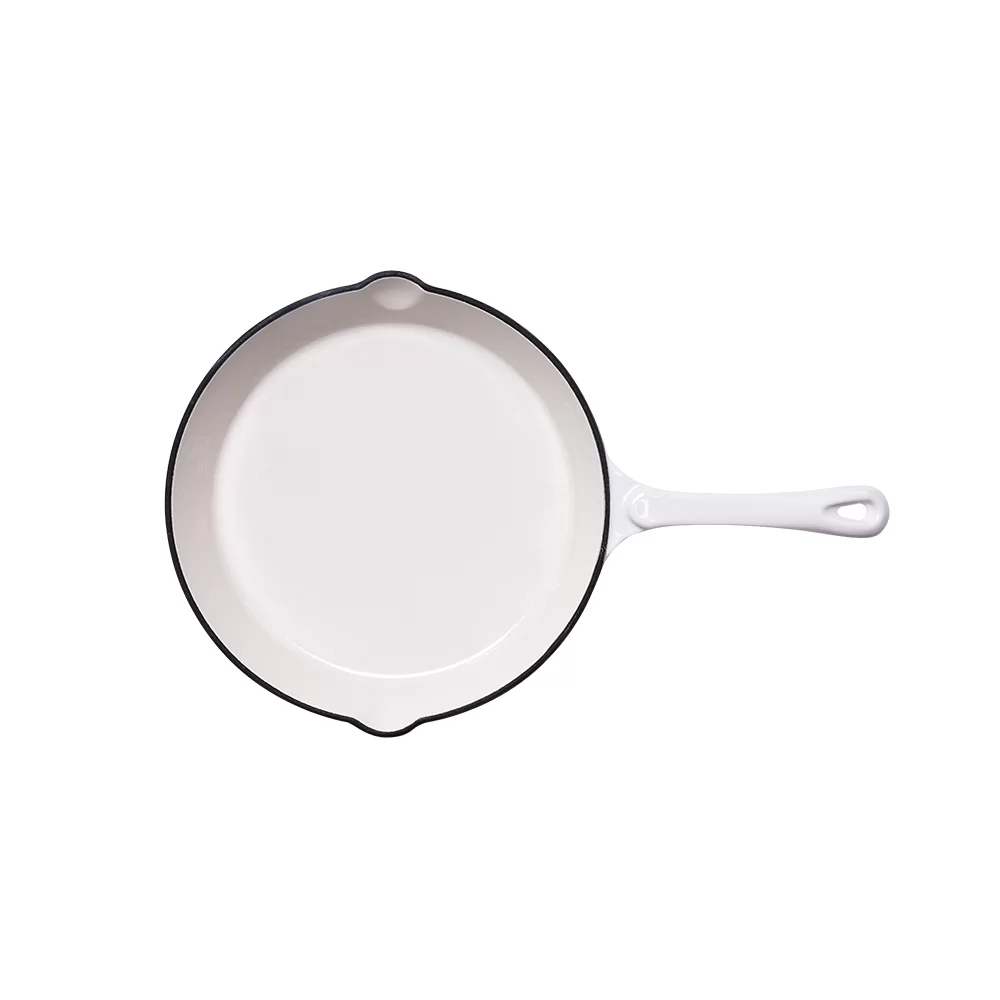
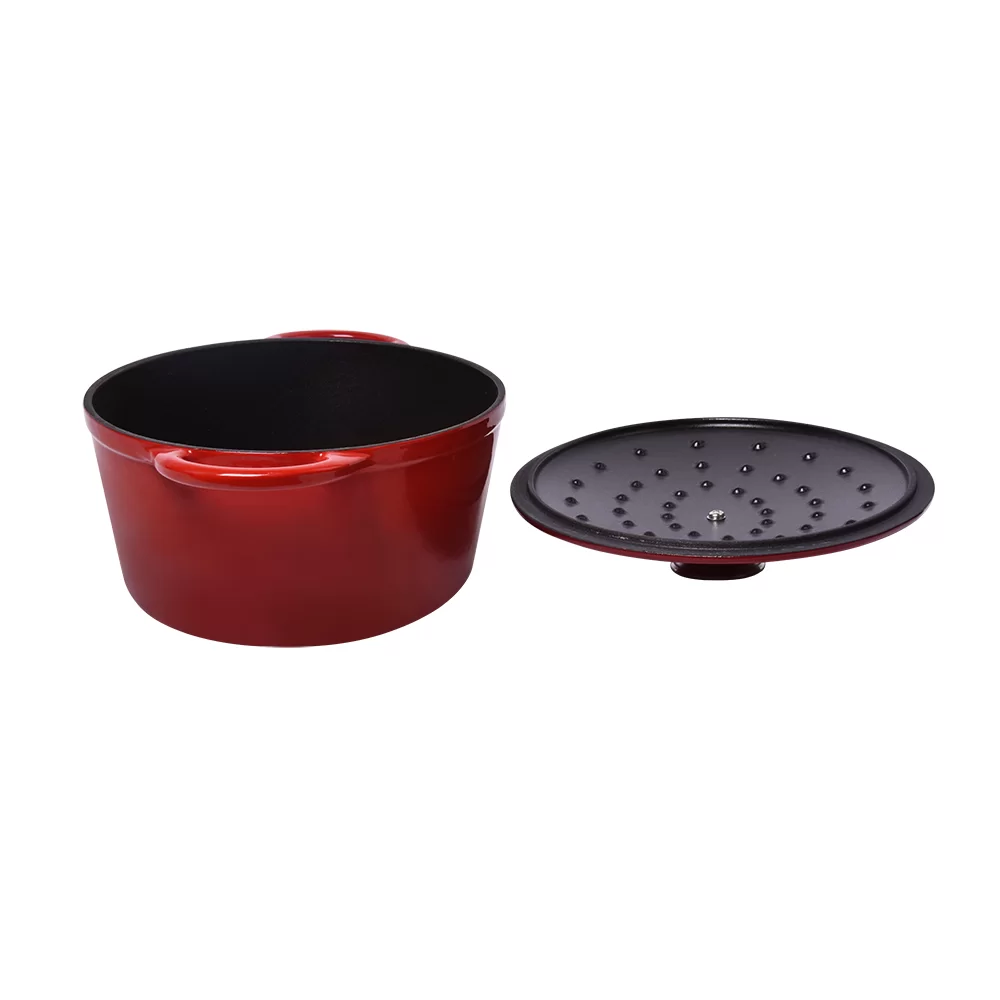
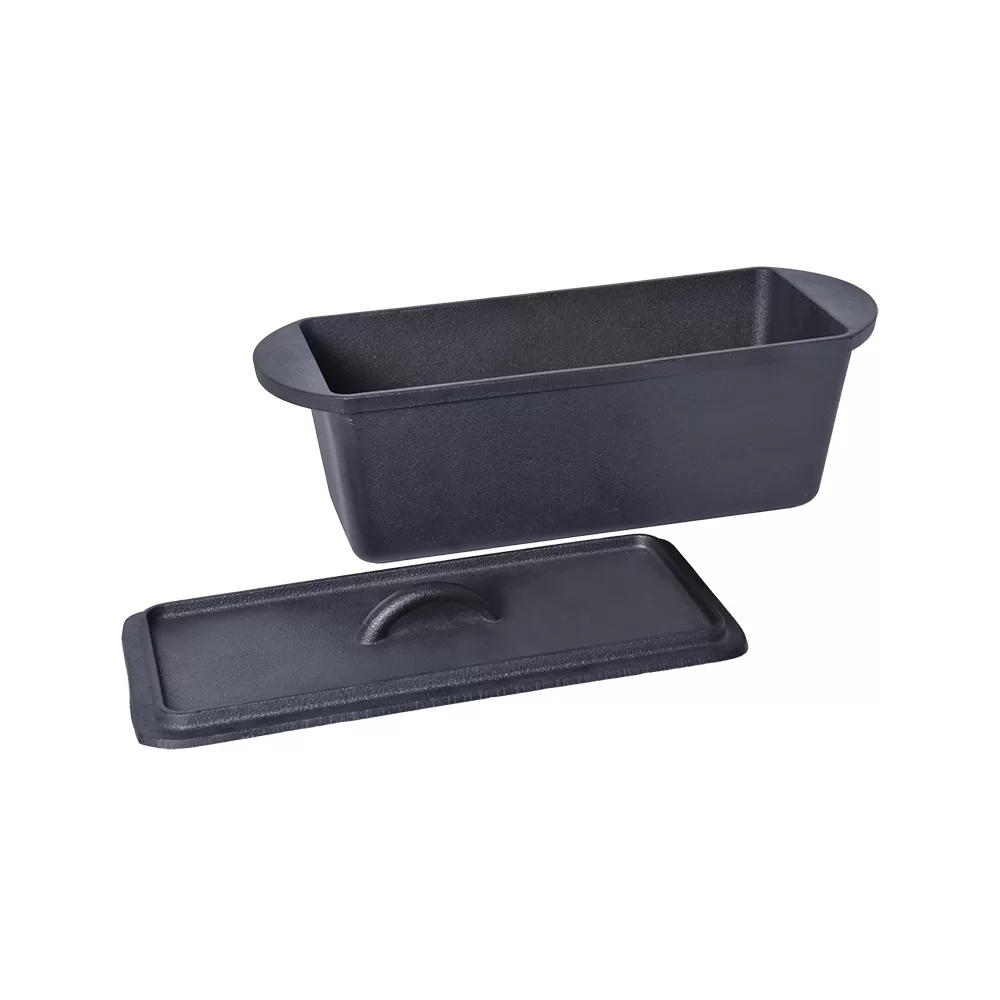
Simply put, an enameled cast iron bread pan is a bread loaf pan forged from cast iron, then coated with a vitreous enamel glaze. The cast iron core provides exceptional heat retention and distribution, while the enamel adds a smooth, non-reactive surface that prevents rust and makes cleanup easier.
This combo makes it ideal for baking bread with consistent crust and crumb textures. It ties into modern cookware industry trends emphasizing longevity, eco-friendliness, and efficient heat management. It’s also favored in humanitarian contexts where reliable cooking tools improve food quality and nutrition without frequent replacements.
Key Factors of Enameled Cast Iron Bread Pans
Durability and Longevity
The primary advantage, frankly, is its longevity. While typical metal pans might warp or degrade within months, a well-made enameled cast iron pan can last decades. This means fewer replacements and less waste—a small but meaningful step towards sustainability in cookware.
Heat Retention and Even Baking
Cast iron excels at absorbing and holding heat. For bread baking, this ensures an even rise and consistent crust formation. The enamel coating doesn’t interfere, and it even helps in keeping the pan maintenance-friendly.
Non-Reactive Surface
Unlike bare cast iron— which can react with acidic doughs—enameled surfaces resist corrosion and flavor alteration. This is crucial for recipes using sourdough or fruit-based ingredients.
Ease of Cleaning
The glossy finish means the pan resists sticking, making washing easier without the need for seasoning as with classic cast iron.
Weight and Handling
One downside is weight; these pans are undeniably heavy. But manufacturers often design ergonomic handles or lighter alloys to balance this issue.
Product Specifications
| Feature | Specification |
|---|---|
| Material | Cast Iron with Porcelain Enamel Coating |
| Dimensions | 9” x 5” x 3” (standard loaf size) |
| Weight | Approximately 4.5 lbs (2 kg) |
| Oven Safe Temperature | Up to 500°F (260°C) |
| Care Instructions | Hand wash recommended, avoid metal utensils |
Global Applications & Use Cases
Enameled cast iron bread pans have found their way across the globe. In Europe, artisan bakers prize them for producing consistent crusts that define continental breads. Meanwhile, in North America, home bakers use them to achieve bakery-level quality at home.
Oddly enough, their durability makes them popular in developing regions where replacing cookware frequently is costly or impractical. NGOs distributing food aid also recommend them—pan durability directly impacts nutritional outcomes when people can reliably bake fresh bread rather than rely solely on packaged options.
In terms of industries, commercial baking, culinary schools, and even emergency relief kitchens are heavy users. They offer a balance of performance and longevity that cheaper alternatives struggle to match.
Vendor Comparison: Popular Enameled Cast Iron Bread Pans
| Brand | Coating Quality | Weight | Price Range | Warranty |
|---|---|---|---|---|
| Kingway Cookwares | High durability, chip-resistant | 4.5 lbs | $40 - $60 | 5 years |
| Le Creuset | Premium, multiple glaze layers | 6 lbs | $150 - $200 | Limited Lifetime |
| Lodge | Good quality enamel, some chipping reported | 5 lbs | $30 - $45 | Limited 1 year |
Advantages & Long-Term Value
- Cost Efficiency: Despite higher initial cost, longevity and performance reduce replacement frequency.
- Sustainability: The pan’s durability contributes to reducing waste in the kitchen and beyond.
- Reliable Performance: Heat retention promotes consistent cooking results—important for both professionals and home cooks.
- Emotional Connection: Many bakers develop a trust and fondness for their enameled cast iron pans, which become heirlooms.
Having baked bread in one myself, I can vouch for the almost meditative satisfaction it provides: a perfect crust with every loaf, no guesswork. This reliability fosters confidence for culinary experiments.
Future Trends & Innovations
Innovations promise lighter pans using newer cast iron alloys paired with enamel coatings infused with nanotechnology for even better chip resistance. Sustainability is front and center—manufacturers are exploring recyclable enameling processes and reduced carbon footprints.
Digital transformation may soon link cookware performance with smart ovens or even sensors that monitor bread baking in real-time—getting artisanal precision baked into everyday kitchens.
Challenges & Solutions
Of course, there are tradeoffs. Weight remains an issue for some users, particularly the elderly. Some lower-quality enamel coatings chip more easily, risking rust formation beneath.
Solutions include ergonomic design advances, improved coating technologies, and educating consumers on proper care. For instance, always hand wash and avoid thermal shocks, which prolong pan life significantly.
FAQ: Frequently Asked Questions About Enameled Cast Iron Bread Pan
- How do I clean an enameled cast iron bread pan without damaging it?
- Use warm water and mild dish soap with a non-abrasive sponge. Avoid metal scrubbers or harsh detergents, which risk chipping the enamel coating.
- Can the pan be used on stovetops as well as in ovens?
- It is designed mainly for oven use. While some models tolerate stovetop heat, uneven heating can cause enamel damage. Always check manufacturer instructions.
- Is the enameled coating safe for food contact?
- Yes. The porcelain enamel is non-toxic, non-reactive, and adheres to strict international cookware safety standards like ISO 21067.
- How heavy is a typical enameled cast iron bread pan?
- They usually weigh between 4.5 to 6 pounds depending on size and brand. This weight supports excellent heat retention but requires care when handling.
- Where can I purchase a quality enameled cast iron bread pan?
- Reliable options include reputable brands like Kingway Cookwares, Le Creuset, or Lodge. For a good balance of price and quality, visit enameled cast iron bread pan suppliers directly.
Conclusion: Why You Should Choose an Enameled Cast Iron Bread Pan
The long-term benefits of the enameled cast iron bread pan speak for themselves: durability, consistent baking, and sustainable kitchen practice rolled into one hefty, beautiful tool. If you crave bread with an artisan crust or simply want cookware built to last, it’s hard to beat. Curious? Check out enameled cast iron bread pan collections and join countless bakers reaping the rewards.
Baking with the right tools does more than feed us—it connects us through tradition, innovation, and shared joy.
Quick takeaway: Investing in an enameled cast iron bread pan means investing in quality, tradition, and sustainability that will pay off loaf after loaf.
References