
Durable Large BBQ Tray for Efficient Grilling & Mass Cooking | Kingway Cookwares
Understanding the Large BBQ Tray: Why Size and Function Matter
If you’ve ever hosted a backyard party, catered a large event, or managed a busy kitchen, you know the humble BBQ tray isn’t just a piece of cookware — it's a vital tool that shapes the whole grilling experience. The large BBQ tray, in particular, is the unsung hero when it comes to handling big batches of food with style, efficiency, and ease. Beyond barbecues, these trays have evolved to serve not only home cooks or outdoor enthusiasts but also professionals who demand durability, heat resilience, and size for mass cooking. Understanding their design and applications can save time, elevate food quality, and even reduce waste.
Globally, the desire for convenience in cooking and serving food is reflected in rising sales of larger, more robust cooking accessories, especially in regions where outdoor grilling is a cultural staple — think the U.S., Australia, South Africa, and parts of Europe. Plus, with sustainability on everyone’s minds, choosing the right tray affects not only taste but also the environment.
Mini takeaway: Large BBQ trays blend convenience, practicality, and versatility — making them indispensable for cooking large meals without fuss.
The Global Relevance of the Large BBQ Tray
Open-air cooking and BBQ culture have exploded worldwide. According to the ISO standards for catering equipment, commercial kitchens and restaurants increasingly demand larger, standardized cookware to meet higher volumes and health safety regulations. In places like the U.S., backyard grilling is part of the social fabric — recent surveys estimate over 75% of American households own or use a grill, highlighting the need for efficient tools like a large BBQ tray.
But the challenge remains: how to prepare and serve food that feeds a crowd without the hassle of constant batch cooking or overcrowding your grill. Large trays come in as the obvious answer, but not all trays are made equal. Material choices, ergonomic design, and compatibility with grilling tech all factor in.
Globally, foodservice industries rely on solutions that can withstand heavy use and maintain hygiene standards, especially as outdoor dining rises post-pandemic. So the large BBQ tray isn’t a luxury — it’s a necessity.
Mini takeaway: With BBQ and catering growing worldwide, the demand for reliable large trays that meet hygiene, durability, and efficiency standards is booming.
What Exactly Is a Large BBQ Tray?
Put simply, a large BBQ tray is a broad, flat pan or platter designed for holding, cooking, or serving barbecued foods. It typically measures significantly bigger than your regular tray—think 18 x 24 inches or larger—offering ample surface area for multiple meat cuts, veggies, or sides.
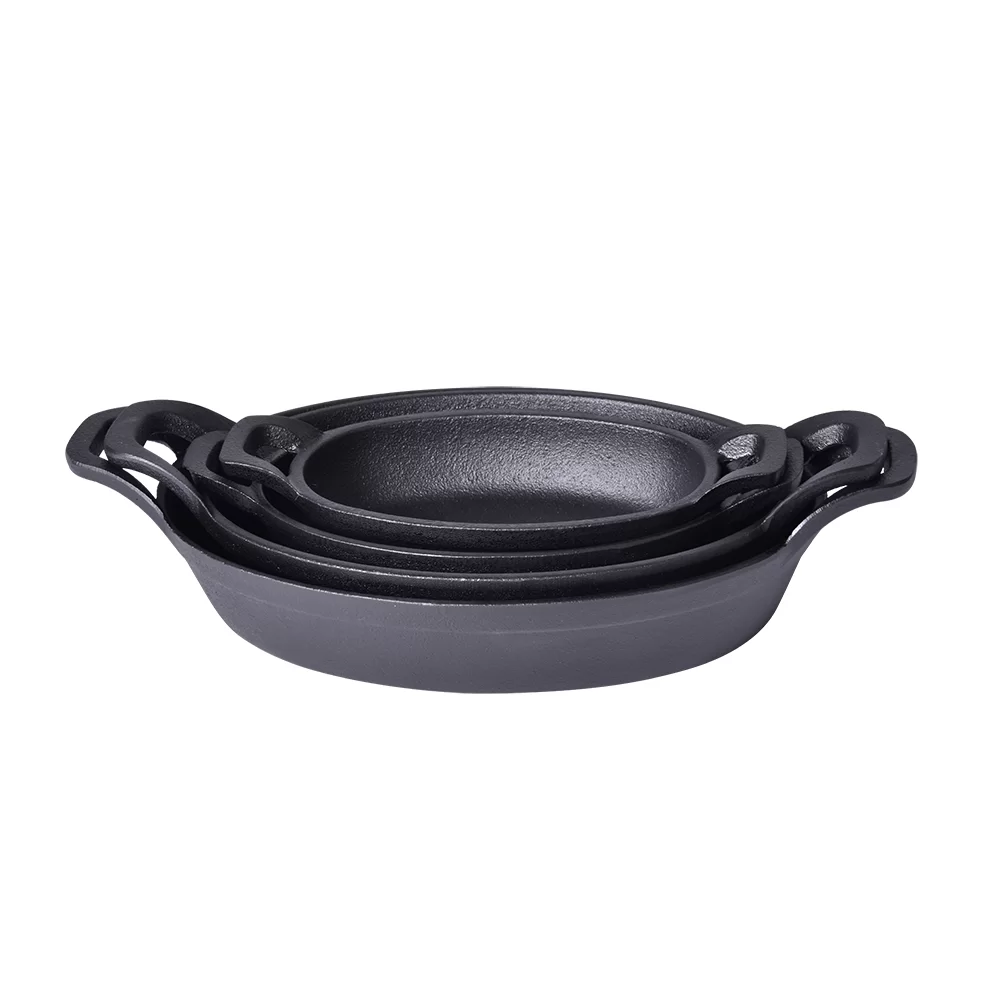
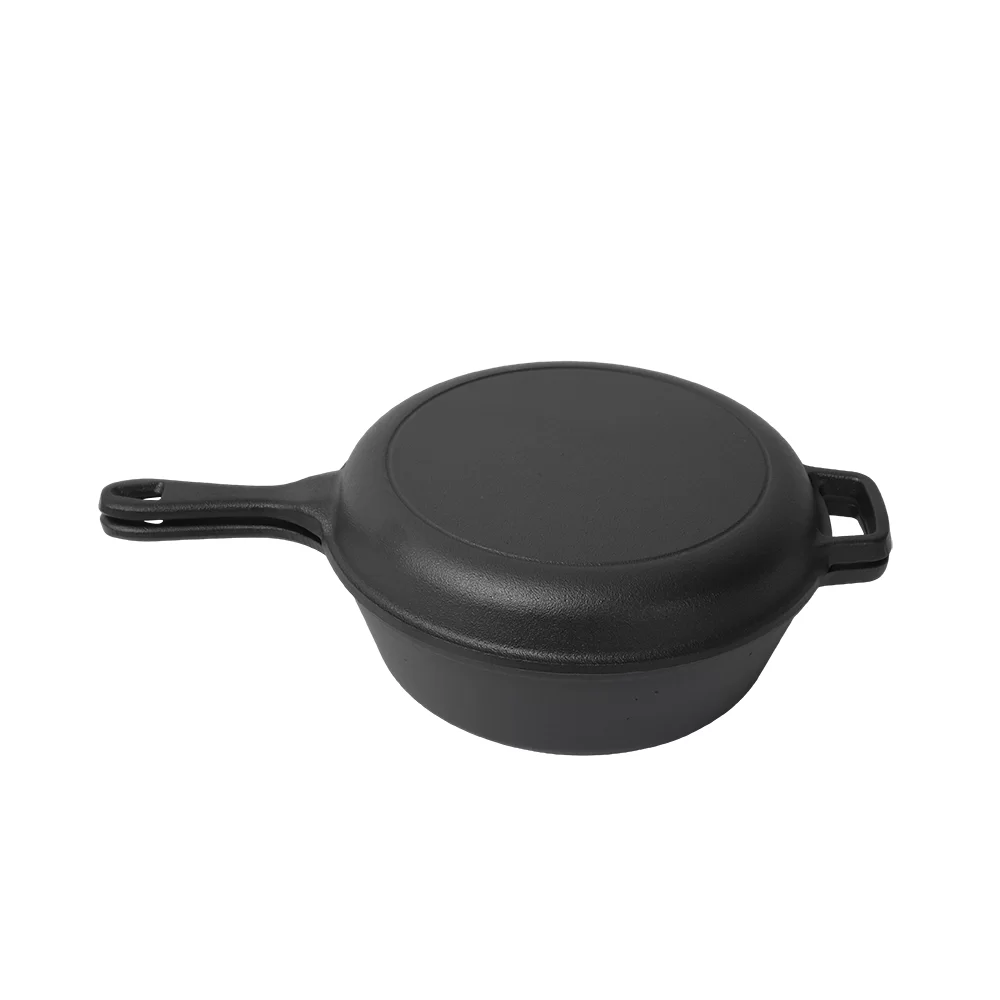
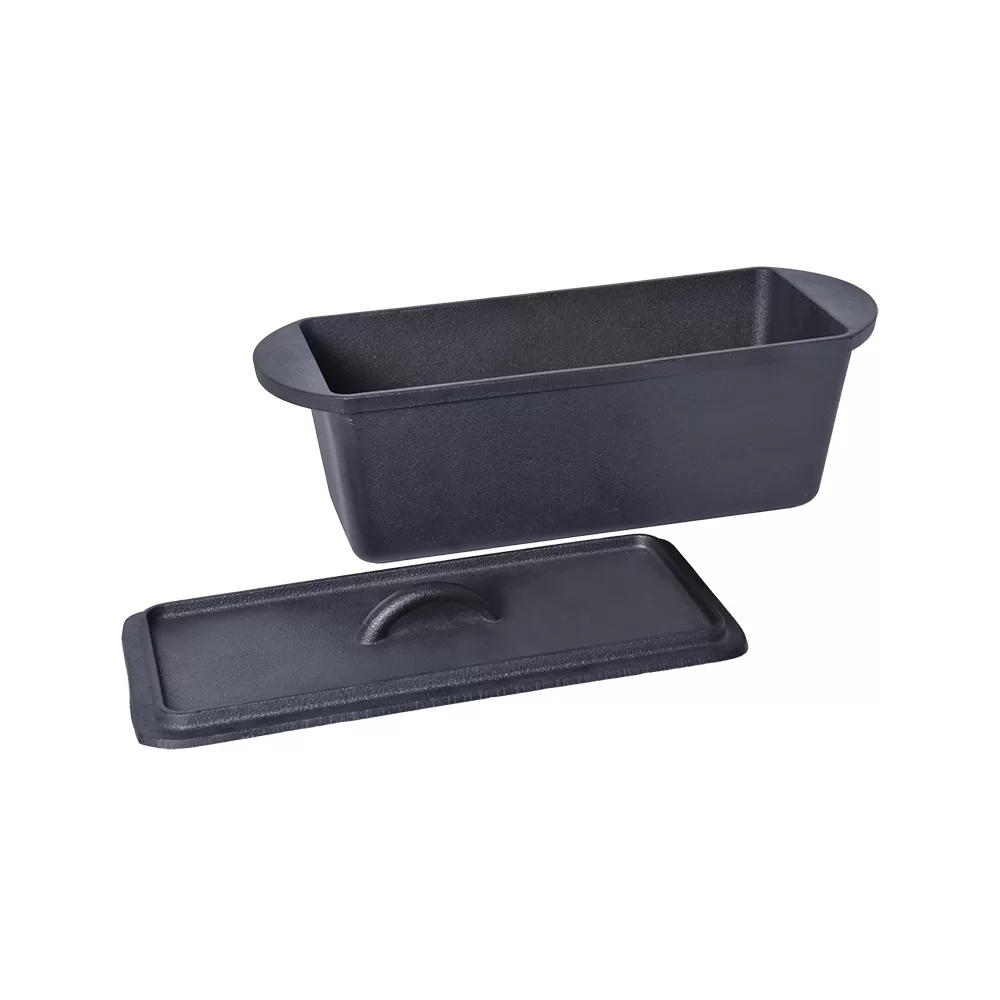
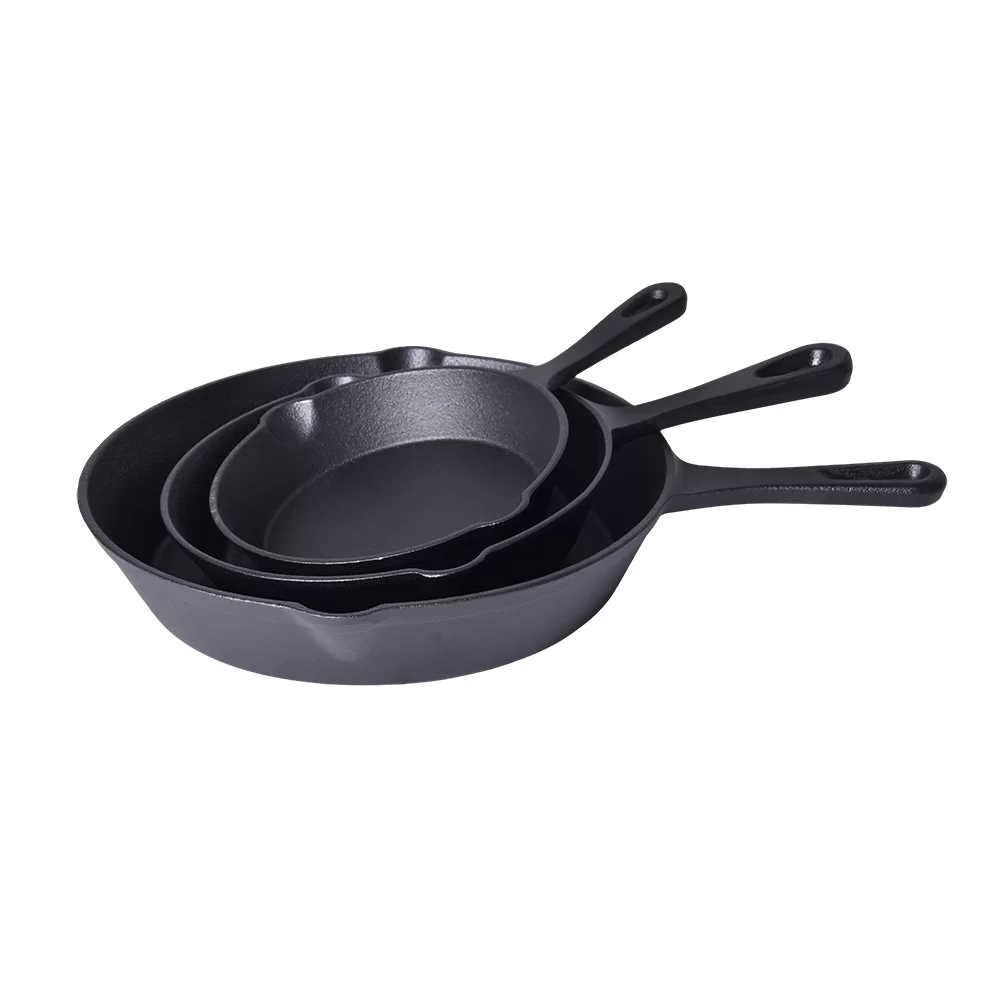
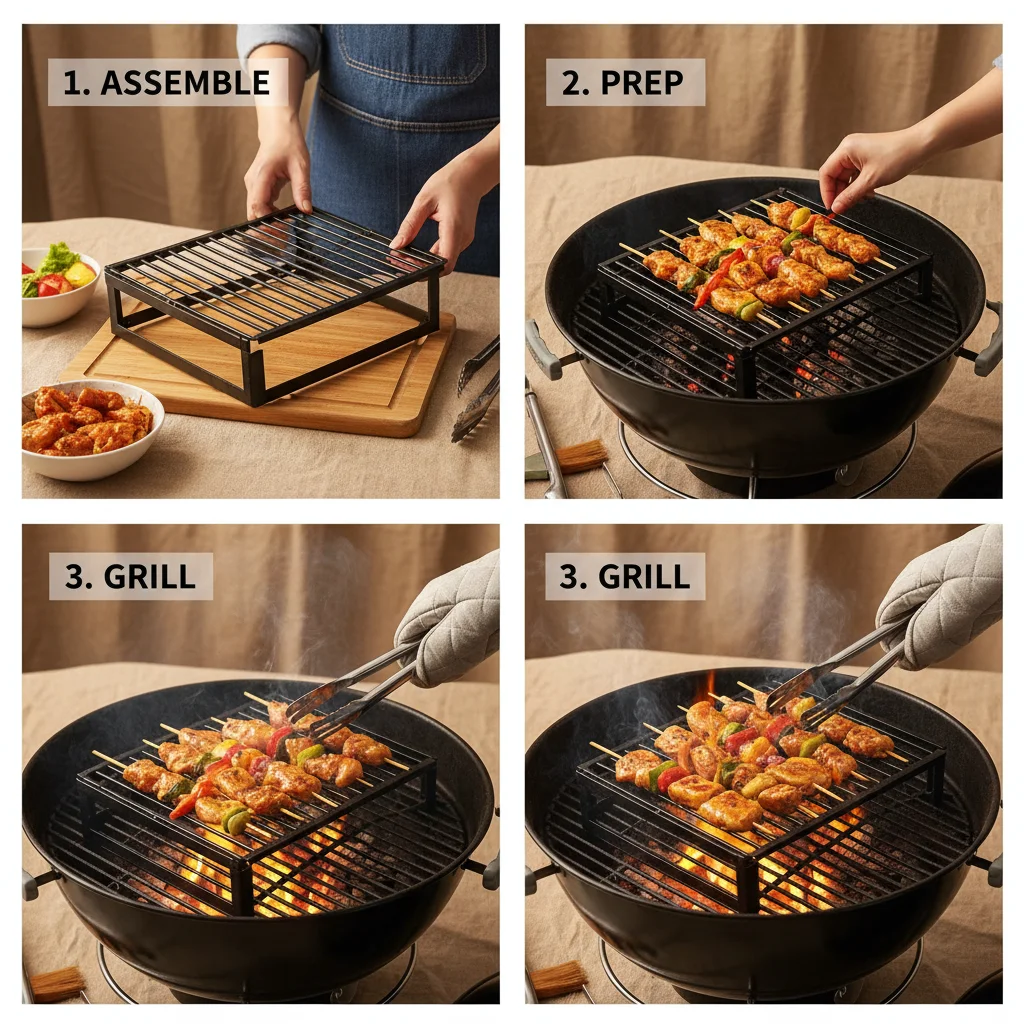
These trays vary: some are perforated to allow juices to drip through while grilling, others are solid for roasting or marinating. They’re crafted from materials like stainless steel for sturdiness, aluminum for heat conduction, or heavy-duty cast iron for that rustic touch.
In commercial kitchens and humanitarian cooking setups — yes, things like emergency food stations or outdoor feeding programs — large BBQ trays provide the space and stability necessary to prepare food safely and swiftly.
Mini takeaway: Large BBQ trays are simple in concept but pivotal for managing big cooking tasks with flexibility and control.
Key Features that Make a Large BBQ Tray Effective
Durability: Built to Last in High Heat and Rough Handling
A good tray withstands the shifting temperatures—from grill flames to cool storage—without warping. Materials like stainless steel or cast iron are favored for this reason, resisting scratches and corrosion. Oddly, some cooks prefer anodized aluminum for its lightweight build plus decent durability, though it requires delicate care.
Size & Capacity: Serving Big Without Overcrowding
The obvious benefit of a large tray is the expanded surface area. It lets you cook or serve more food at once, which is a boon for gatherings or professional settings. Imagine grilling 10 racks of ribs side-by-side instead of in three batches.
Heat Distribution: Even Cooking for Consistent Quality
Cold spots or hot zones on a tray can ruin your food. Trays with thicker gauge metals or special coatings help distribute heat evenly, reducing burnt edges and undercooked centers.
Ease of Cleaning: Efficient Maintenance Saves Time
Especially in commercial or frequent-use scenarios, trays must be easy to clean. Non-stick coatings or smooth surfaces help prevent food buildup and grease accumulation.
Portability: Grip, Weight, and Handling
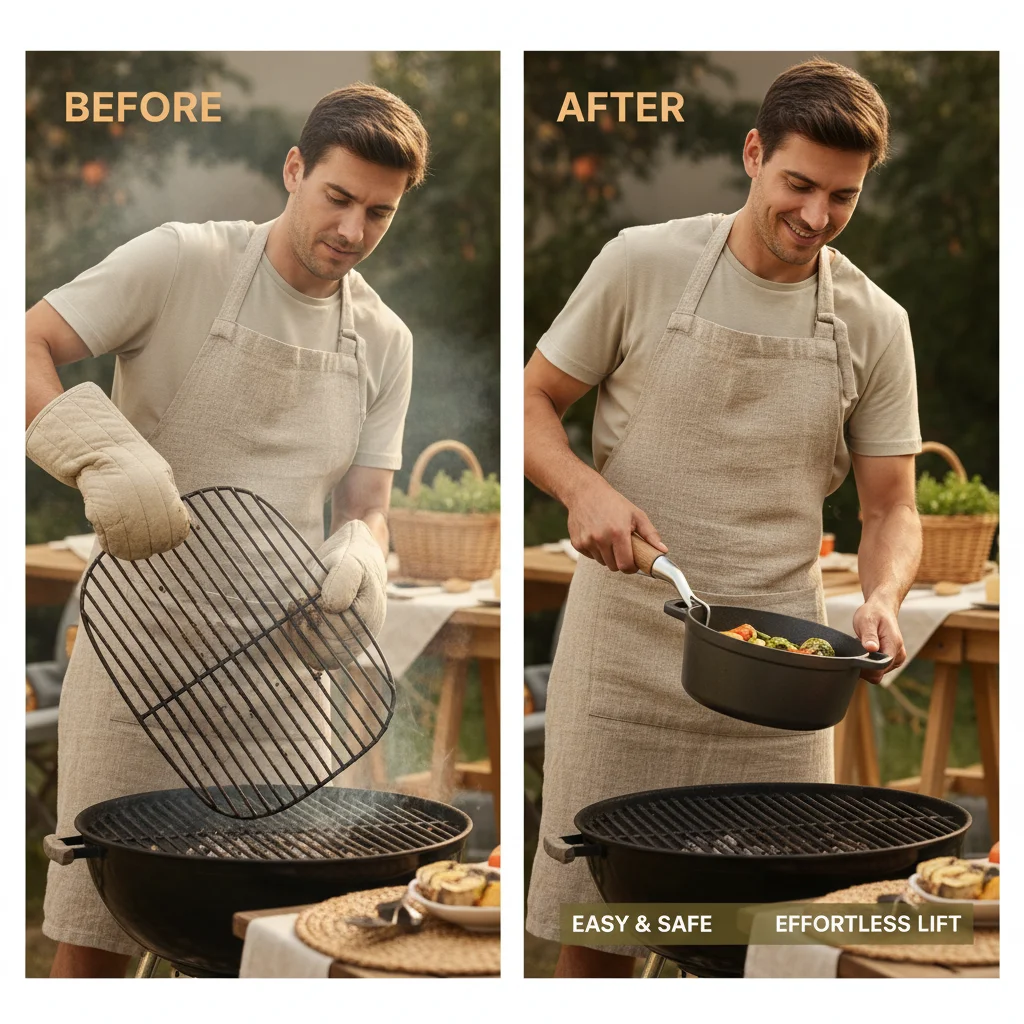
Handles, rim height, and overall weight define how easily you can move a loaded tray. Many BBQ trays feature ergonomic grips or reinforced edges so you can carry them without awkward slips.
| Feature | Specification | Notes |
|---|---|---|
| Dimensions | 18" x 24" (45x60 cm) | Standard large size, varies by vendor |
| Material | 304 Stainless Steel / Cast Iron / Anodized Aluminum | Material affects durability and cleaning |
| Weight | 3-7 lbs (1.4-3.2 kg) | Varies by material and thickness |
| Heat Resistance | Up to 500°F (260°C) | Safe for ovens and grills |
| Special Features | Perforation, Nonstick Coating, Etched Handles | Enhances grip, cooking style, and cleanup |
Mini takeaway: Material choice and design features of large BBQ trays are critical to ease of use, cooking consistency, and maintaining food safety.
Global Applications & Who Benefits Most?
While backyard chefs and weekend grillers immediately spring to mind, the versatility of large BBQ trays extends well beyond casual use:
- Foodservice Industry: Restaurants and catering services rely on large trays for batch cooking and efficient plating.
- Outdoor Events & Festivals: Large trays help move food quickly, especially reliable for events with high footfall.
- Emergency Relief & Field Kitchens: Humanitarian groups use these trays in mobile kitchens to feed displaced populations quickly and hygienically.
- Remote Industrial Camps: Mining or oil operations often require bulk cooking solutions for on-site crews.
Take a recent example from Australia’s bushfire recovery efforts, where mobile kitchens equipped with robust large trays ensured tens of thousands of meals were prepared daily for displaced families.
Mini takeaway: Large BBQ trays prove essential across diverse fields — anywhere you need to feed many people efficiently.
Advantages and Long-Term Value of Large BBQ Trays
The value they bring isn’t only in cooking size. Practically speaking, large trays mean fewer cooking rounds, which saves fuel and time. Their sustainable angle is linked to durability — a well-made large tray might last decades, cutting down on frequent replacements and resource waste.
Emotionally, they foster trust — whether it’s your team relying on one set-up tool during a huge event or a family feeling cared for around a crowded BBQ table. There’s a certain dignity and community spirit that comes with sharing food cooked on a well-prepped, spacious surface.
In terms of costs, investing in quality large trays often pays off over cheap, flimsy pans that warp or corrode quickly. That’s why professionals lean toward pricier, proven brands.
Mini takeaway: Large BBQ trays offer cost efficiency, social value, and sustainability — a true win-win for users.
Looking Ahead: Trends and Innovations in Large BBQ Trays
Innovation isn’t stopping at the grill edge. We’re seeing trays incorporating non-stick surfaces infused with ceramic or titanium for better durability and eco-friendliness. Some brands are developing trays with integrated smart thermometers that sync to apps — so you never guess doneness again.
Environmentally, the push for recyclable and food-safe alloys is gaining steam, reflecting the wider global sustainability movement (aligned with UN SDG 12 on responsible consumption). Green manufacturing methods and cleaner coatings are also emerging.
Lastly, modular tray systems are entering the scene — trays that stack or fit together, offering chefs tailored layouts that optimize space and heat zones on grills.
Mini takeaway: The future of large BBQ trays is green, smart, and modular — all aimed at improving cooking ease and environmental impact.
Common Challenges & Practical Solutions
Heavy trays can be awkward when fully loaded, leading to accidental spills or injuries. Solution: ergonomic designs with grips and lighter alloys are evolving.
Cleaning often remains tricky if trays aren’t dishwasher-safe or have embedded grease traps. Choosing trays with smooth surfaces or detachable parts helps.
Some users struggle with finding the right size to fit their grill or storage spaces. Brands are addressing this by offering various models with standardized compatibility.
Mini takeaway: Practical design tweaks and better materials are helping overcome the main pain points users face with large BBQ trays.
FAQ: Your Large BBQ Tray Questions Answered
Q: What material is best for a large BBQ tray?
A: Stainless steel is often considered the best balance between durability, heat conduction, and ease of cleaning. Cast iron offers excellent heat retention but is heavier. Aluminum is lightweight and heats quickly but may dent easier.
Q: Can I use a large BBQ tray on all types of grills?
A: Most large barbecue trays are designed for gas and charcoal grills. However, always check manufacturer specs for heat limits and size compatibility, especially with electric or infrared grills.
Q: How do I clean a large BBQ tray effectively?
A: Pre-soaking helps loosen food residues. Use mild detergents and non-abrasive scrubbers for coated trays. Some stainless steel trays are dishwasher-safe, but always verify to avoid damage.
Q: Are large BBQ trays safe for oven use?
A: Generally, yes—especially stainless steel and cast iron types. Just confirm the heat tolerance (often up to 500°F). Avoid trays with plastic parts if using inside ovens.
Q: Where can I buy reliable large BBQ trays?
A: Trusted cookware vendors, specialty BBQ stores, and online retailers specialize in durable trays. Check reviews and material details carefully to match your needs. For a sneak peek, check out large bbq tray options on Kingway Cookwares.
| Vendor | Material Options | Price Range | Unique Features | Warranty |
|---|---|---|---|---|
| Kingway Cookwares | Stainless Steel, Aluminum | $40 - $70 | Ergonomic handles, perforated designs | 2 years |
| GrillMaster Pro | Cast Iron | $60 - $90 | Pre-seasoned trays, heavy-duty | 5 years |
| EcoTray Solutions | Recycled Aluminum | $50 - $75 | Environmentally friendly coatings | 3 years |
Wrapping Up: Why Your Next BBQ Needs a Large Tray
In the end, the large BBQ tray is more than just a piece of equipment — it’s a game-changer for anyone serious about grilling or mass food preparation. It combines scale, usability, and durability in a way that makes cooking less stressful and more enjoyable. If you want to raise your BBQ game or streamline catering operations, investing in a quality tray from a trusted vendor is a smart move.
For an extensive range of options, styles, and expert advice, make sure to visit large bbq tray. After all, great food starts with great tools.
References: