Discover the Ultimate Corn Cob Cornbread Pan: Tradition Meets Quality Bakeware
Understanding the Corn Cob Cornbread Pan: A Culinary and Cultural Essential
If you’re someone who loves baking—or even just appreciates the deep comfort of homemade cornbread—you might have encountered the corn cob cornbread pan at some point in your culinary adventures. But what exactly is this pan, and why does it matter beyond the kitchen table? Oddly enough, it’s not just about baking bread; the corn cob cornbread pan reflects a marriage of utility, tradition, and innovation that resonates globally, especially in regions where cornbread is more than just food—it's culture, memory, and livelihood.
Globally, corn remains one of the top staple crops. According to the FAO, corn accounted for over 1.1 billion metric tons of production worldwide in recent years. The specialized cookware that embraces corn—like the corn cob cornbread pan—enables not only authentic culinary techniques but also helps sustain local economies by encouraging traditional cooking forms to thrive.
The Global Context: Why Corn Cob Cornbread Pans Matter
Food heritage and cooking vessels go hand-in-hand worldwide. Yet, the challenge is that many traditional molds and pans get overshadowed by mass-produced alternatives. This loss threatens the cultural identity tied to cornbread baking, particularly in the American South and parts of Latin America. The corn cob cornbread pan offers a simple yet effective solution by reviving traditional cooking methods, providing a reusable, durable form that replicates the shape and texture of actual corncobs in the bread.
In addition to tradition preservation, these pans address practical issues: they are typically made from cast iron or heavy-duty aluminum, which excel in heat retention and even baking, tackling common problems like uneven cooking or crumbly outcomes.
What Is a Corn Cob Cornbread Pan?
Simply put, a corn cob cornbread pan is a specialty baking pan designed specifically to shape cornbread into the form of a corn cob. Unlike conventional rectangular pans, each section molds the batter into an elongated cob shape, often with detailed ridges and kernels mimicking real corn.
While it might sound niche, this pan is tied deeply to culinary heritage and modern artisanal trends. It’s a sort of icon for authenticity—restoring a tactile, visual element back into homestyle cooking. More than that, it’s a great example of how cookware can blend aesthetics and function.
Key Features and Components of Corn Cob Cornbread Pans
- Material Durability: Most pans are cast iron, enameled cast iron, or heavy aluminum. Cast iron ensures even heat distribution, longevity, and naturally non-stick surfaces when seasoned properly.
- Design & Detail: The hallmark of these pans is the intricate corn kernel patterning, which isn’t just decorative—it influences crust development and texture.
- Ease of Use: A well-made pan balances weight and handling comfort. Handles or grips are sometimes added to assist with safe oven transfers.
- Heat Retention & Baking Performance: The pan’s ability to hold and radiate heat evenly results in beautifully browned exteriors and moist interiors, essential in good cornbread.
- Cleaning & Maintenance: Cast iron pans require seasoning and careful cleaning, whereas enameled options lower maintenance but might be pricier.
Mini takeaway: The design and material choices define the pan’s baking quality and user satisfaction. For serious cooks, these nuances really matter.
Global Uses and Real-World Examples
From southern kitchens in the U.S. to rural markets in Mexico, corn cob cornbread pans have found keen popularity wherever cornbread features as a staple. In fact, the resurgence of “traditional American” foodways has boosted artisanal cookware sales, especially in farm-to-table restaurants.
In post-disaster relief contexts, where local food and traditions boost morale, such pans inspire cooks to reconnect with familiar tastes, making the humble cornbread both nourishment and a symbol of resilience.
Additionally, small-scale food entrepreneurs sell cornbread shaped by these pans at markets and festivals, emphasizing an authentic look and feel that mass-market loaves can’t replicate.
Corn Cob Cornbread Pan Specification Table
| Feature | Cast Iron Model | Enameled Cast Iron | Aluminum with Non-Stick |
|---|---|---|---|
| Weight | 4.3 lbs | 5.0 lbs | 2.2 lbs |
| Dimensions | 10.5 x 5.5 x 2.5 in | 10.5 x 5.5 x 2.7 in | 10.7 x 5.7 x 2.3 in |
| Heat Retention | Excellent | Very Good | Good |
| Maintenance | Seasoning Required | Easy Clean-Up | Dishwasher Safe |
| Price Range | $22–$35 | $35–$45 | $18–$25 |
Comparing Leading Corn Cob Cornbread Pan Vendors
| Vendor | Material Options | Price Point | Product Warranty | Customer Rating |
|---|---|---|---|---|
| KingWay Cookwares | Cast Iron, Enameled | $$$ | 5 years | 4.8/5 |
| Heritage Bakeware | Aluminum, Non-Stick | $$ | 2 years | 4.2/5 |
| Rustic Kitchen Co. | Cast Iron Only | $$$ | Limited Lifetime | 4.6/5 |
Advantages and Long-Term Value of Corn Cob Cornbread Pans
Purchasing a quality corn cob cornbread pan is, frankly, an investment in a piece of culinary heritage. Beyond nostalgia, the pans support sustainable usage by lasting decades if cared for properly. Traditional cast iron is practically indestructible, gaining seasoning and better non-stick qualities over time.
Emotionally, baking with these pans delivers a comforting experience, connecting cooks with generations past while fostering family traditions. Think of it as an heirloom in the making.
Emerging Trends and Innovations
Casting technology is evolving. New eco-friendly methods reduce waste and energy during manufacture, while novel coatings enhance non-stick surfaces without harmful chemicals. Digital baking thermometers and smart ovens now complement pans—ensuring perfect cornbread every time.
Some manufacturers experiment with 3D-printed molds that capture even finer corn-kernel textures, blending craft with technology.
Challenges and Expert Solutions
The greatest challenges come from maintenance and weight—cast iron pans are heavy and require seasoning, which can intimidate novice cooks. Additionally, the intricate shapes may be tricky to clean.
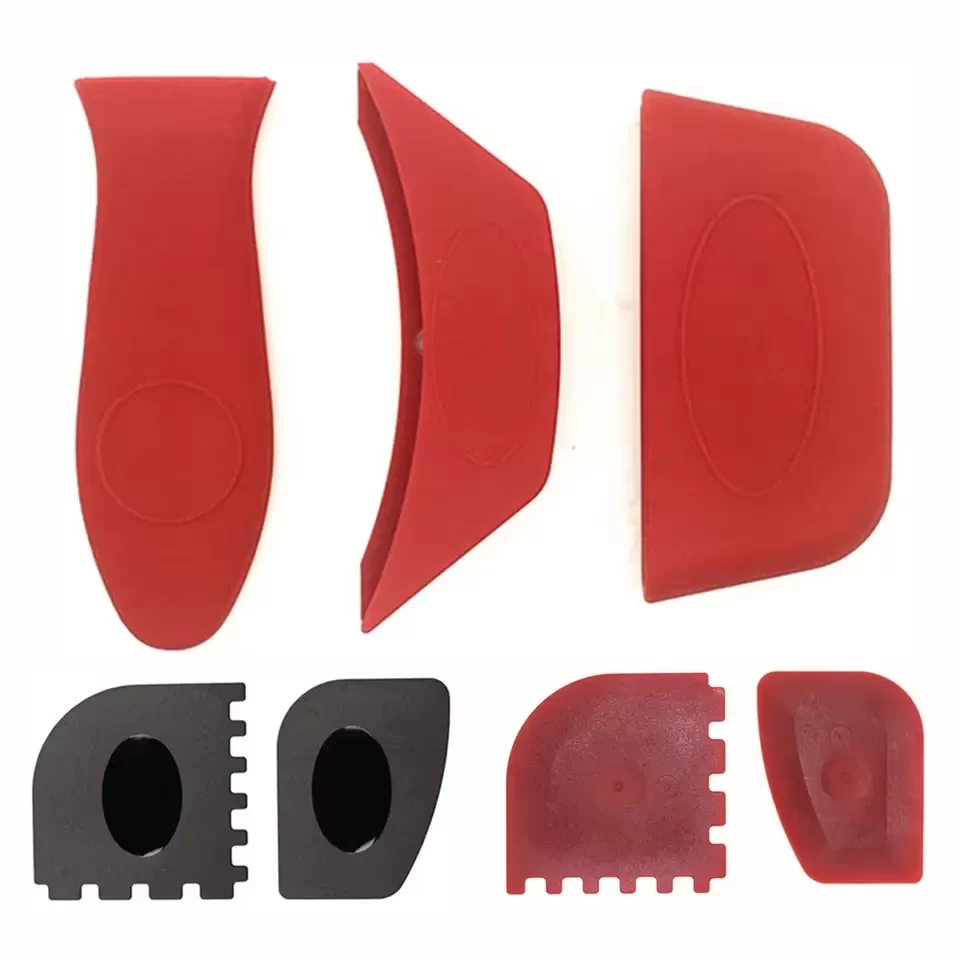
Experts suggest using mild brush scrubbers and drying pans immediately to avoid rust. Alternatively, enameled options ease maintenance but at the cost of greater upfront investment.
Frequently Asked Questions About Corn Cob Cornbread Pans
- Q: Are corn cob cornbread pans dishwasher safe?
A: Most traditional cast iron pans are not dishwasher safe as water can cause rust and remove seasoning. However, enameled cast iron or aluminum variants often are dishwasher-friendly—check vendor specs for exact guidance. - Q: Can I use a corn cob pan for other baked goods?
A: Absolutely! While designed for cornbread, these pans can shape savory cakes, meatloaf, or even molded gelatin desserts. Just account for bake time adjustments due to pan thickness. - Q: How do I maintain the intricate corn kernel details?
A: Use a soft vegetable brush to clean stuck crumbs after baking, then dry immediately. Seasoning regularly preserves detail sharpness and pan longevity. - Q: Why is cast iron preferred over aluminum for these pans?
A: Cast iron offers superior heat retention and develops a natural non-stick patina, enhancing baking quality and durability. Aluminum is lighter but less heat-retentive. - Q: Where can I buy authentic corn cob cornbread pans?
A: Vendors like KingWay Cookwares provide trusted models with quality assurance and extended warranties.
Conclusion: Baking Tradition Into Every Loaf
In real terms, the corn cob cornbread pan does a lot more than shape flour and cornmeal; it molds heritage, resilience, and innovation into one reliable kitchen tool. Whether you bake it for family dinners, local markets, or cultural events, this pan enriches the cornbread experience—connecting us with history while embracing quality and sustainability.
Delve into the world of artisanal cookware and rediscover your kitchen’s potential. Visit KingWay Cookwares for a curated selection of durable corn cob cornbread pans designed to last generations.
Mini takeaway: Investing in the right pan is investing in tradition, taste, and the kind of joy that only great baked cornbread can bring.