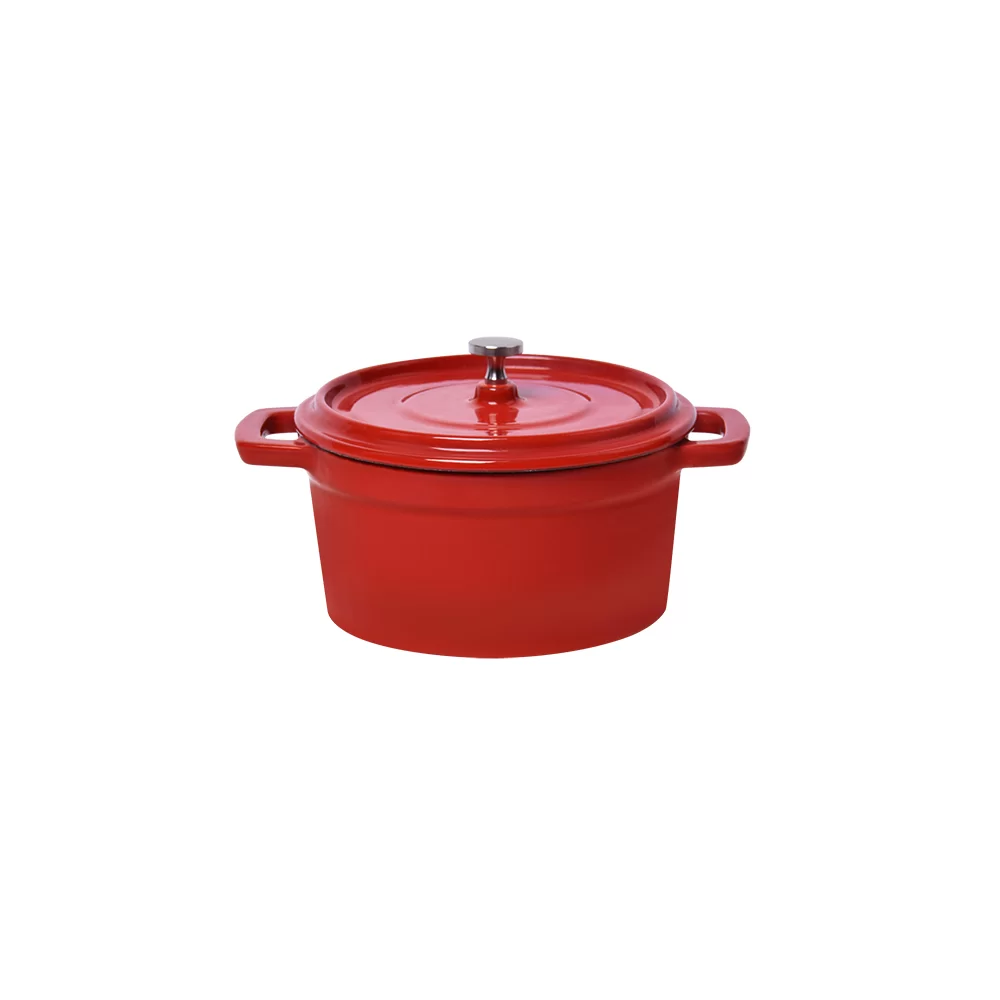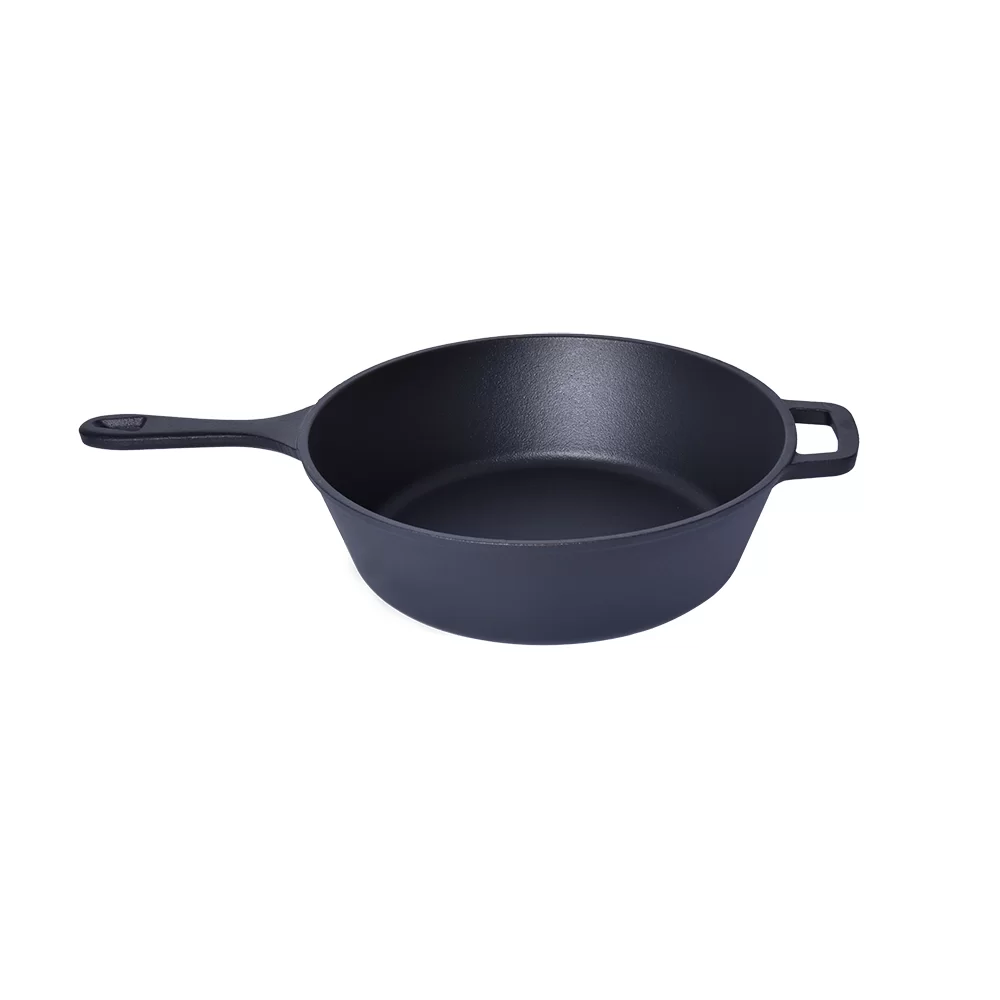
Cast Iron Pot for Bread: Classic Durability Meets Modern Baking Excellence
What Exactly Is a Cast Iron Pot for Bread — and Why Should You Care?
Cast iron pots for bread might just sound like kitchen nostalgia come to life, but they’re actually undergoing a quiet renaissance, both at home and in professional baking worldwide. Understanding this humble cookware’s role helps us appreciate not only its culinary charm but its impact on sustainable cooking and food resilience on a global scale.
Globally, bread is a staple feeding billions, and the cookware used to bake it can influence everything from crust texture to energy consumption. Many chefs, home bakers, and even humanitarian agencies rely on cast iron pots because they hold heat superbly and bake bread to a perfect crusty finish. This kind of practical cookware matters more than most guess — it influences food quality, cooking efficiency, and even cultural culinary traditions.
Mini takeaway: A cast iron bread pot isn't just old-school cookware; it's a global player in creating sustainable, delicious bread that feeds communities.
The Global Appeal: Why Cast Iron Pots for Bread Are More Relevant Than Ever
Interestingly, cast iron cookware represents a tiny but significant piece of the trillion-dollar global cookware market, projected to grow steadily over the next decade. According to Wikipedia's page on bread, nearly 30% of global calorie intake comes from grains — and baking bread is an art passed down over millennia. Yet, more modern baking methods often sacrifice flavor for speed or convenience.
In developing countries and in humanitarian aid contexts, cast iron pots for bread serve as cost-efficient, durable tools that can handle open flames or traditional wood-fired ovens—situations where electricity or gas may be inconsistent. The World Bank estimates that over 1 billion people still lack reliable electricity, so cookware that works without it can be a game changer.
Plus, the environmental footprint of cookware is gaining attention; cast iron’s longevity makes it a more sustainable choice compared to disposables or thinner metals susceptible to warping and damage.
Mini takeaway: In both affluent kitchens and resource-limited settings, cast iron bread pots fill a critical gap — offering durability, consistent heat distribution, and reliance on minimal energy inputs.
Defining a Cast Iron Pot for Bread: More Than Just Heavy Metal
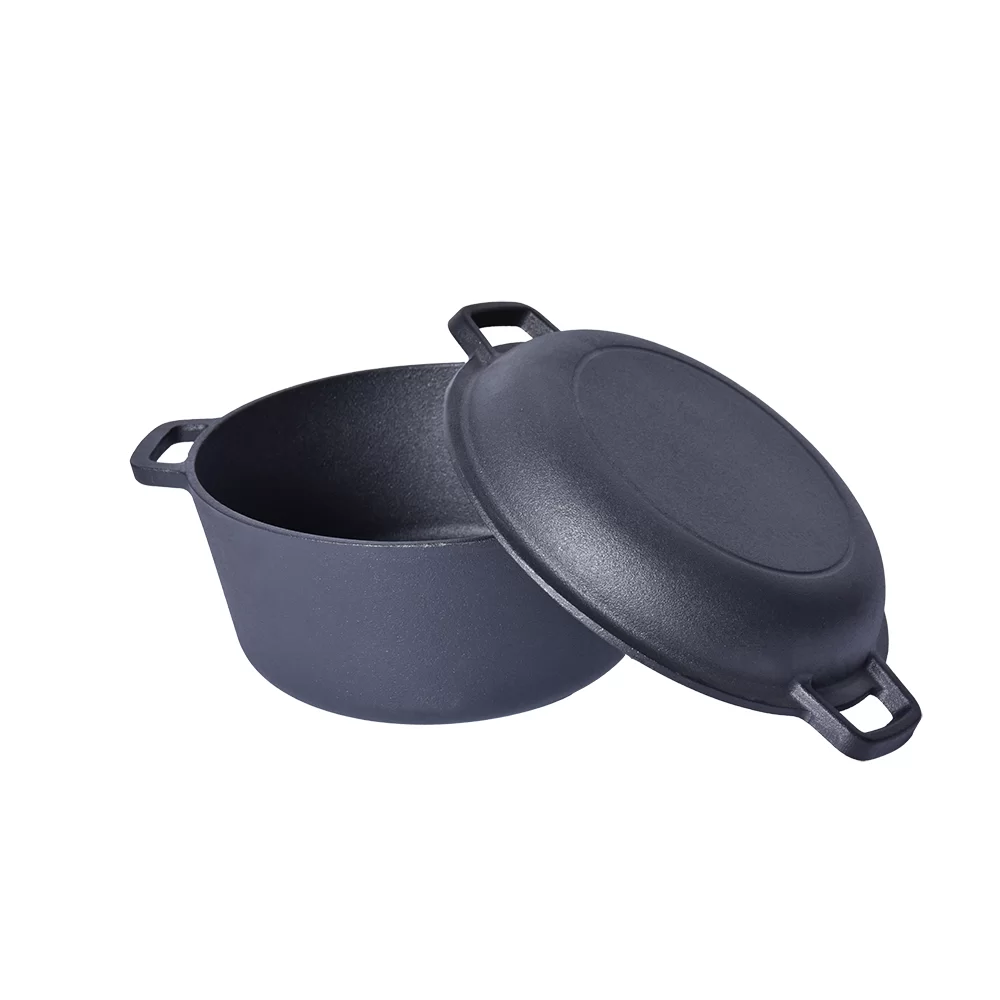
Put simply, a cast iron pot for bread is a heavy, thick-walled cooking vessel designed to replicate a traditional bread oven’s conditions. It traps steam released during baking, resulting in bread with a moist interior and a crackling, crisp crust. Unlike regular baking sheets, the cast iron pot’s thermal mass retains and distributes heat evenly, simulating the effect of oven stones or steam-injected commercial ovens.
From an industry perspective, it marries old-world craftsmanship with modern baking needs. The thick cast iron walls aren’t just about heat retention; they withstand rough handling, high temperatures, and years of use — qualities prized in remote kitchens and humanitarian missions. Organizations focused on food security sometimes encourage cookware choices like these, because the vessels can shift local baking methods to healthier and more energy-efficient practices.
Mini takeaway: A cast iron bread pot functions as both an oven and steamer, essential for artisan-style bread anywhere, especially where resources are limited.
Core Components and What Really Matters for That Perfect Loaf
1. Durability
Cast iron's hallmark is its robustness. When seasoned properly, these pots resist rust, scratches, and crack formation, often becoming heirloom pieces. It’s not unusual for a single cast iron pot to bake thousands of loaves over decades. This durability reduces waste and long-term cost — quite vital if you’re baking daily.
2. Heat Retention and Distribution
Uneven heating is a nightmare for bakers, but the mass and thickness of cast iron mean heat spreads slowly but evenly. That’s why many swear by them for baking bread. The consistent temperature inside the pot allows the yeast to activate properly and the crust to caramelize evenly.
3. Steam Trapping Capability
Ever wondered how professional bakers achieve that shiny, crackly crust? Steam is the secret, and cast iron pots trap moisture released by dough during baking, creating a mini steam oven effect. This isn’t just a neat trick — it profoundly affects texture and flavor.
4. Versatility
Beyond bread, these pots double as Dutch ovens for stews or casseroles, making them a cost-efficient kitchen investment. They're suitable for stovetop, oven, or even campfire use—ideal for varied cooking setups.
5. Seasoning and Maintenance
Unlike non-stick or ceramic bakeware, cast iron calls for some love: routine seasoning with oil keeps its surface non-stick and prevents rust. This makes it less disposable and more of a personal kitchen companion.
| Feature | Typical Range | Notes |
|---|---|---|
| Diameter | 8 to 10 inches (20-25 cm) | Standard sized for most bread loaves |
| Weight | 4 to 6 pounds (1.8–2.7 kg) | Heavy enough for heat retention |
| Material Thickness | 4 to 6 mm | Ensures durability and heat retention |
| Coating | Seasoned surface | Oil seasoning for non-stick and rust protection |
| Lid Fit | Tight fitting | Crucial for trapping steam |
Global Applications: From Rural Kitchens to Disaster Relief
Across continents, cast iron pots for bread find their place in both traditional and unexpected settings. For example, in parts of Africa and Southeast Asia, cast iron is preferred for open-fire baking where ovens are scarce. NGOs often distribute these pots in disaster zones where reliable electricity is a luxury. In fact, many relief operations depend on tools like these to help families bake their food safely and warmly during displacement.
In Europe and North America, where artisan bread has boomed, these pots have become beloved tools among home bakers and boutique restaurants alike. They help recreate the ambiance of centuries-old breadmaking traditions but with the convenience of modern kitchen appliances.
It’s fascinating how such an ancient technique finds fresh life across disparate contexts, linking culture, practicality, and innovation.
Mini takeaway: Whether baking in refugee camps or chic urban apartments, cast iron bread pots bridge past traditions and present needs worldwide.
What Makes Cast Iron Bread Pots Truly Valuable Over Time?
- Cost Efficiency: While heavier and typically pricier upfront, their longevity means fewer replacements, reducing waste and ongoing costs.
- Sustainability: Cast iron lasts for generations, and its recyclable nature means less environmental impact compared to non-durable alternatives.
- Reliability and Consistency: Trusted by bakers for even baking and excellent heat management, offering consistent quality in every loaf.
- Social Impact: In humanitarian settings, access to durable cookware empowers displaced families to maintain food traditions and morale during tough times.
- Emotional Connection: Many users develop sentimental attachment after years of seasoning, baking memory-filled loaves for family and friends.
Looking Ahead: Innovations and Trends Involving Cast Iron Bakeware
Though cast iron seems old-school, its evolution continues quietly. New coatings, like organic and chemical-free seasoning oils, make maintenance easier. Some manufacturers are exploring eco-friendly smelting processes to reduce carbon emissions during production, responding to growing climate concerns.
Digitization is seeping in too: smart kitchen devices now measure oven temperature and humidity, encouraging more precise use of cast iron pots in high-tech bakeries. And oddly enough, the rise of outdoor and camping baking boosts demand for these versatile pots that handle flames without fuss.
Imagine a future with hybrid materials that retain cast iron’s heat qualities but weigh less, or pots embedded with sensors to monitor seasoning and cooking cycles — the classics will certainly get their modern makeover.
The Hurdles: What Stands Between You and Your Perfect Cast Iron Bread Pot?
It’s no secret that cast iron pots are heavy and need some respect — misuse or neglect can cause rust or damage. They require time for seasoning and proper cleaning, something casual cooks might find tedious. Also, their heat-up time is longer than thinner pans, which can frustrate the impatient baker.
Yet, many experts suggest simple solutions: embracing routine seasoning rituals, understanding proper temperature control, and using them regularly to maintain the seasoning layer. Replacement parts, like lids or handles, remain rare, so investing in quality upfront is wise.
Quick FAQ: What You’re Really Wondering About Cast Iron Pots for Bread
- Q: How do I season my cast iron bread pot properly?
- A: Clean it well, dry thoroughly, then rub a thin layer of vegetable oil inside and out. Bake it upside down in an oven at 450°F (230°C) for an hour. Repeat as needed to build up a durable, non-stick surface.
- Q: Can I use a cast iron pot for bread on an induction stove?
- A: Yes! Cast iron is magnetic, so it works perfectly on induction cooktops. Just take care to lift rather than drag it to avoid scratching the surface.
- Q: What size pot is best for baking bread?
- A: Generally, an 8–10 inch diameter pot suits standard artisan loaves. Smaller sizes suit rolls or smaller breads, while larger pots handle family-sized loaves.
- Q: How do I clean a cast iron bread pot without ruining the seasoning?
- A: Avoid soap or harsh scrubbers. Use warm water and a soft sponge. For stubborn bits, simmer a little water in the pot to loosen residues, then dry and re-oil lightly after.
- Q: Is cast iron cookware safe with acidic foods?
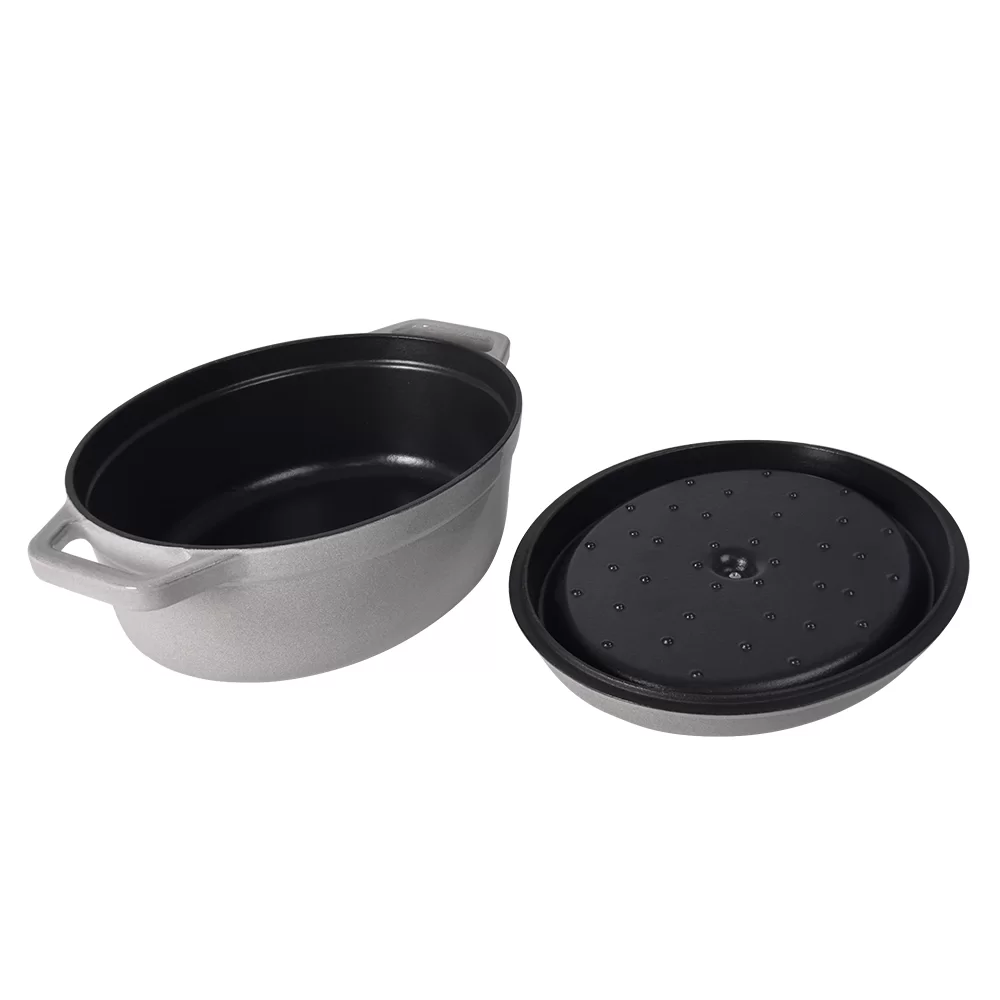
- A: It can be, but prolonged cooking of acidic ingredients like tomato sauce may damage seasoning layers. Use enameled cast iron pots for better acid resistance in those cases.
| Brand | Price Range | Material Thickness | Pre-seasoned? | Notable Features |
|---|---|---|---|---|
| Kingway Cookwares | $45–$60 | 5 mm | Yes | Lid with steam vents, durable handle |
| Lodge | $40–$55 | 4.5 mm | Yes | Classic design, widely available |
| Staub | $75–$90 | 6 mm | Enameled | Beautiful finish, easy cleaning |
| Victoria | $30–$45 | 4 mm | Yes | Affordable, lightweight |
Final Thoughts: The Breadwinner’s Pot for Every Kitchen
So there it is. The cast iron pot for bread feels like a return to something rooted and essential amid our rapidly changing world. Its blend of durability, heat mastery, and humble versatility make it a timeless tool — whether you’re an artisan baker chasing that perfect crust, a chef in a bustling restaurant, or someone cooking in challenging environments.
Why not explore how a quality cast iron pot can transform your baking? It’s a small investment with outsized returns in taste, tradition, and reliability. And of course, for those curious to dig deeper or place an order, Kingway Cookwares offers some of the best options on the market.
Happy baking — may your crusts be crackly and your crumb soft!
References