Cast Iron Loaf Pan Bread – Craft Better Bread with Timeless Cookware
Understanding Cast Iron Loaf Pan Bread: A Global Perspective
When we talk about cast iron loaf pan bread, it might seem like a niche kitchen topic, but it surprisingly ties into larger discussions about cooking, food quality, and even global food traditions. Cast iron loaf pans have been around for centuries, prized for their durability and heat distribution, but more recently, they've gained renewed interest worldwide. As diets evolve and baking becomes a popular hobby and craft, understanding what makes cast iron pans special helps appreciate why so many bakers swear by them, both at home and commercially.
Globally, bread remains a staple food—according to the Food and Agriculture Organization (FAO), it’s a primary source of carbohydrates for millions. The pan used to bake bread can impact its texture, crust, and moisture retention, which in turn affects both taste and nutritional qualities.
Mini takeaway: Cast iron loaf pans bridge traditional cooking methods with modern-day baking demands, enhancing bread quality in homes and industries worldwide.
Why Cast Iron Loaf Pans Matter on a Global Scale
Let’s zoom out for a second. In many parts of the world, baking bread remains more than just a hobby — it’s a daily ritual, a cultural heritage, and sometimes even acts as an economic pillar. The cast iron loaf pan bread phenomenon taps into this, offering a tool that’s not only robust but elevates the bread-making craft.
Statistics show that traditional cast iron cookware usage is resurging, especially in regions emphasizing sustainable, long-lasting kitchen equipment. This trend is partly due to environmental concerns; cast iron pans can last decades with proper care, cutting down on disposable bakeware waste. Moreover, their ability to provide even heat distribution supports uniform bread baking, which becomes critical in commercial bakeries that serve a diverse global clientele.
However, a challenge remains: many consumers and smaller bakeries hesitate to invest in these heavier, pricier pans compared to aluminum or non-stick versions, despite the benefits.
Mini takeaway: Cast iron loaf pans play a key role in balancing tradition, quality, and sustainability worldwide, but accessibility and awareness can still hold some back.
What Exactly Is Cast Iron Loaf Pan Bread?
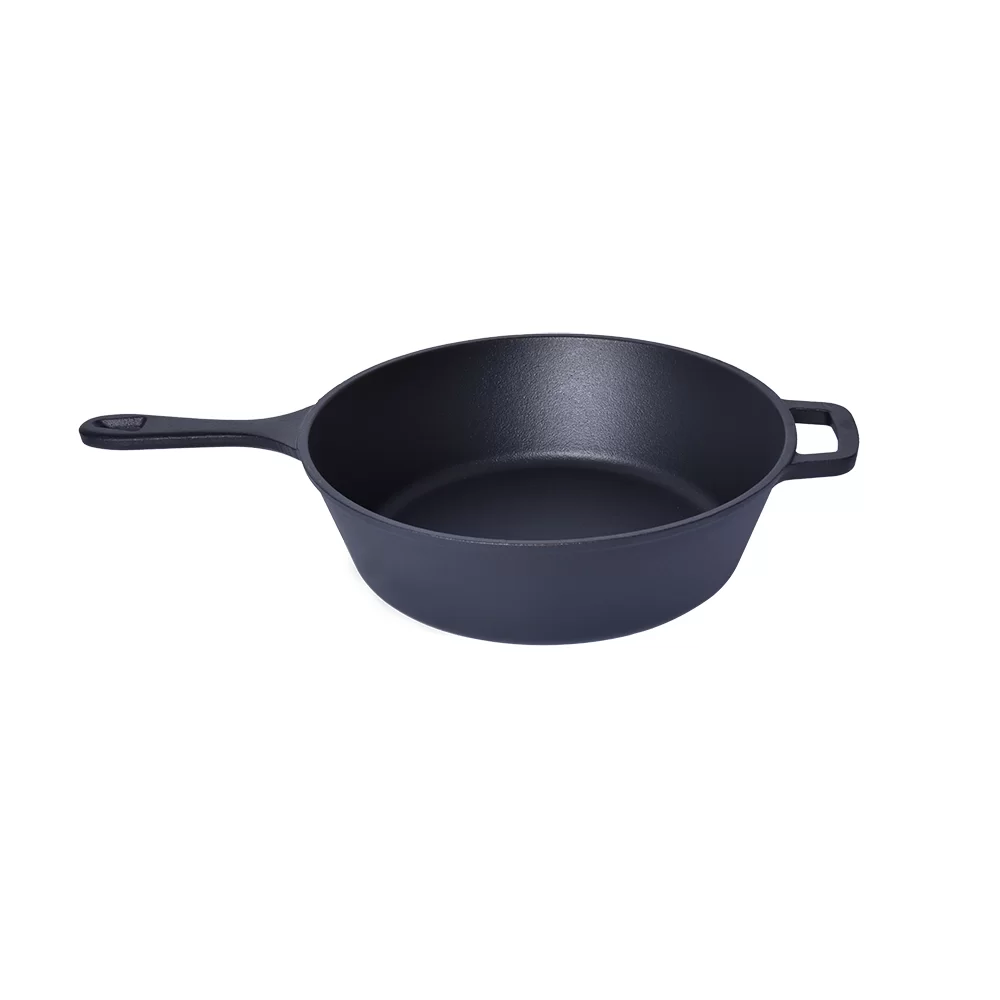
Simply put, a cast iron loaf pan is a heavy-duty baking vessel made from cast iron used primarily for baking bread in loaf shapes. The "cast iron loaf pan bread" refers to bread baked in such a pan, known for its thick crust, even cook, and moisture retention.
Think of it as the marriage between material science and baking artistry. The cast iron material has a unique thermal mass; once heated, it maintains a stable temperature that helps develop bread’s characteristic crumb and chewy crust. These qualities make the pans popular among artisan bakers and industrial producers alike.
In humanitarian contexts, cast iron cookware, including loaf pans, is often valued in food programs in remote areas due to their longevity and utility.
Mini takeaway: Cast iron loaf pans aren’t just pots — they’re tools that influence the bread’s texture and help uphold culinary traditions.
Key Factors That Define a Great Cast Iron Loaf Pan
1. Durability
One of the standout factors is durability. Cast iron loaf pans are nearly indestructible—many claim you can inherit one from grandparents and it’s still bake-ready. They resist warping, scratches, and corrosion if properly maintained. This means fewer replacements and lower waste over time.
2. Heat Retention and Distribution
Unlike thinner metal pans, cast iron stores heat and distributes it slowly and evenly. This leads to consistent baking results—no hot spots scorched crusts. The loaf bakes evenly from bottom to top, enhancing crumb structure and overall texture.
3. Natural Non-stick Properties
Seasoned cast iron, through a process of polymerized oil layers, develops a natural non-stick surface. This helps in releasing the loaf without tearing the crust or leaving delicious bits behind.
4. Weight and Handling
While heavy, some bakers find the weight reassuring because it feels stable and solid in the oven. That said, for commercial kitchens, the weight can be a challenge when scaling up operations.
5. Maintenance Requirements
Cast iron pans require special care — hand washing, oiling, avoiding harsh detergents — which some home cooks enjoy as part of the ritual but can intimidate newcomers.
Mini takeaway:
- Durability ensures long life and sustainability.
- Heat properties make baking more predictable.
- Weight and care demand respect but reward with quality.
How Cast Iron Loaf Pans Are Used Around the World
From urban artisan bakeries in Paris to humble kitchens in rural Appalachia, cast iron loaf pans are everywhere. They’re prized in regions where bread shapes and textures carry cultural significance. For example, the thick crust often achieved with cast iron pans is ideal for German-style rye loaves or dense sourdoughs featured in Eastern Europe.
In North America, increased interest in home baking during recent years has boosted sales of cast iron bakeware, with many novice bakers discovering improved results over conventional aluminum pans.
Humanitarian organizations sometimes include cast iron cookware in aid packages aimed at improving nutritional outcomes and food sovereignty in developing regions, thanks to their longevity.
| Specification | Typical Value | Notes |
|---|---|---|
| Material | Seasoned cast iron | Naturally non-stick after seasoning |
| Dimensions | 9 in x 5 in x 3 in (23 cm x 13 cm x 7.5 cm) | Standard loaf size |
| Weight | 4.5 lbs (2 kg) | Heavy but stable |
| Maximum oven temp | 500°F (260°C) | Suitable for most bread recipes |
| Care | Hand wash and oil regularly | Prolongs life and performance |
Comparing Leading Cast Iron Loaf Pan Vendors
| Vendor | Price Range | Material Quality | Non-Stick Performance | Customer Rating |
|---|---|---|---|---|
| Kingway Cookwares | $35 - $45 | High-grade cast iron, pre-seasoned | Excellent after seasoning | 4.7 / 5 |
| Lodge | $25 - $40 | Good quality cast iron | Good with seasoning | 4.5 / 5 |
| Camp Chef | $40 - $55 | Premium cast iron | Superior out of box | 4.8 / 5 |
Advantages and Emotional Value of Choosing Cast Iron Loaf Pans
Why do so many bakers consistently return to cast iron loaf pans? Frankly, it’s a mix of logic and emotion. The technical advantages such as uniform heat distribution, durability, and chemical-free cooking safety are complemented by a sort of nostalgic charm. There’s pride in baking bread in a pan passed down or bought with care, almost a ritual that connects people to food history and their cultures.
Long-term use means fewer replacements, translating into cost savings and reduced environmental impact—a win for sustainability.
Plus, the beautiful crust formed in cast iron pans gives bakers a tangible, edible reward for patience and care, improving not just the bread's taste but also the joy of baking.
Future Trends and Innovations in Cast Iron Bakeware
Oddly enough, a centuries-old cookware like cast iron is now seeing cool innovations. Some manufacturers are exploring alloy blends and surface treatments that require less maintenance while preserving heat properties. Additionally, the rise of eco-conscious consumers means companies are highlighting sustainable production methods and recyclable materials.
Automation and digital baking tools are emerging, where smart ovens adjust temperature profiles to match cast iron’s thermal behavior, optimizing baking results without guesswork.
Challenges and How to Overcome Them
The main hurdles revolve around the weight and maintenance of cast iron loaf pans. Some find them heavy or intimidating, which can deter everyday users.
Innovations such as lighter but still durable composite pans exist but don’t fully replicate cast iron’s qualities. Education on seasoning and proper care, including straightforward tutorials and starter kits, helps many new users overcome this learning curve.
FAQ: Your Questions About Cast Iron Loaf Pan Bread Answered
Q1: How does baking bread in a cast iron loaf pan differ from aluminum pans?
A: Cast iron pans retain and distribute heat more evenly than aluminum, creating a thicker, crunchier crust and more uniform crumb. Aluminum heats quickly but can cause uneven baking, sometimes resulting in hot spots.
Q2: Can I use soap to clean my cast iron loaf pan?
A: It’s best to avoid harsh detergents as they strip the seasoning. Mild soap can be used sparingly, but usually rinsing with hot water and drying carefully followed by oiling maintains the pan’s non-stick layer.
Q3: Are cast iron loaf pans safe for oven temperatures above 500°F?
A: Generally, cast iron pans handle up to around 500°F safely. Exceeding that may damage the seasoning or the pan itself, so always check manufacturer guidelines.
Q4: How long does seasoning last and how often should I re-season?
A: Properly seasoned pans can retain their non-stick qualities for months with regular use and care. However, re-seasoning after a few months or if food starts to stick helps maintain performance.
Conclusion: Why Cast Iron Loaf Pan Bread Remains a Classic
At its core, cast iron loaf pan bread embodies the balance between durable tradition and practical baking excellence. It offers both everyday cooks and professionals a dependable approach to baking that enhances flavor, texture, and sustainability. If you’re ready to upgrade your baking game or invest in a lasting piece of kitchen history, a cast iron loaf pan from Kingway Cookwares might just be your next best investment.
Visit our website to explore our range and start baking unforgettable bread today.
References