Camp Oven Lid – Durable, Efficient, and Essential Outdoor Cooking Gear
Camp Oven Lid: Why This Simple Accessory Matters More Than You Think
When we think about cooking outdoors — be it in rugged bushlands, remote campsites, or humanitarian settings — the humble camp oven lid rarely gets the spotlight. Yet, it’s a key player in how effectively food cooks, retains heat, and even handles environmental challenges. Globally, as camping culture grows and outdoor relief efforts expand, understanding the nuances of a camp oven lid is more relevant than ever. This article takes you through what a camp oven lid is, why it’s essential, and how it impacts industries and humanitarian aid worldwide.
Introduction: Camp Oven Lids in a Global Context
Outdoor cooking is a pillar of many cultures and industries, and its importance is magnified in places where infrastructure is scarce or damaged — post-natural disasters, refugee camps, or isolated work sites. According to the World Bank, over 1 billion people cook outdoors regularly due to lack of access to modern kitchen facilities. Moreover, the United Nations shows increasing commitments to humanitarian aid programs that rely on efficient cooking methods to ensure hygiene, nutrition, and energy conservation.
Here’s the catch: the simple camp oven lid holds the key to controlled cooking temperatures, fuel efficiency, and durability — all vital in these harsh environments. Without a good lid, heat escapes, fuel runs out faster, and meals can be ruined. So, it’s worth digging a bit deeper into what makes a camp oven lid effective and how its design and materials affect outcomes.
What Exactly Is a Camp Oven Lid?
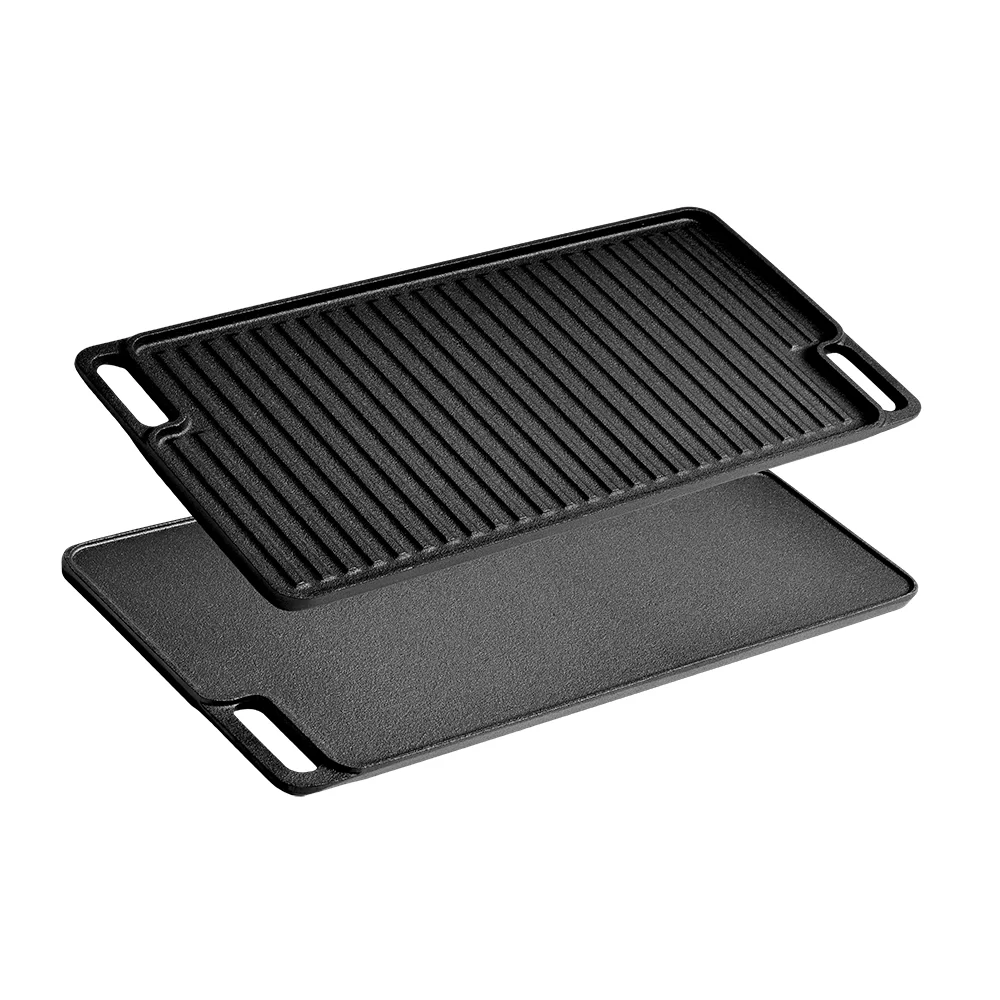
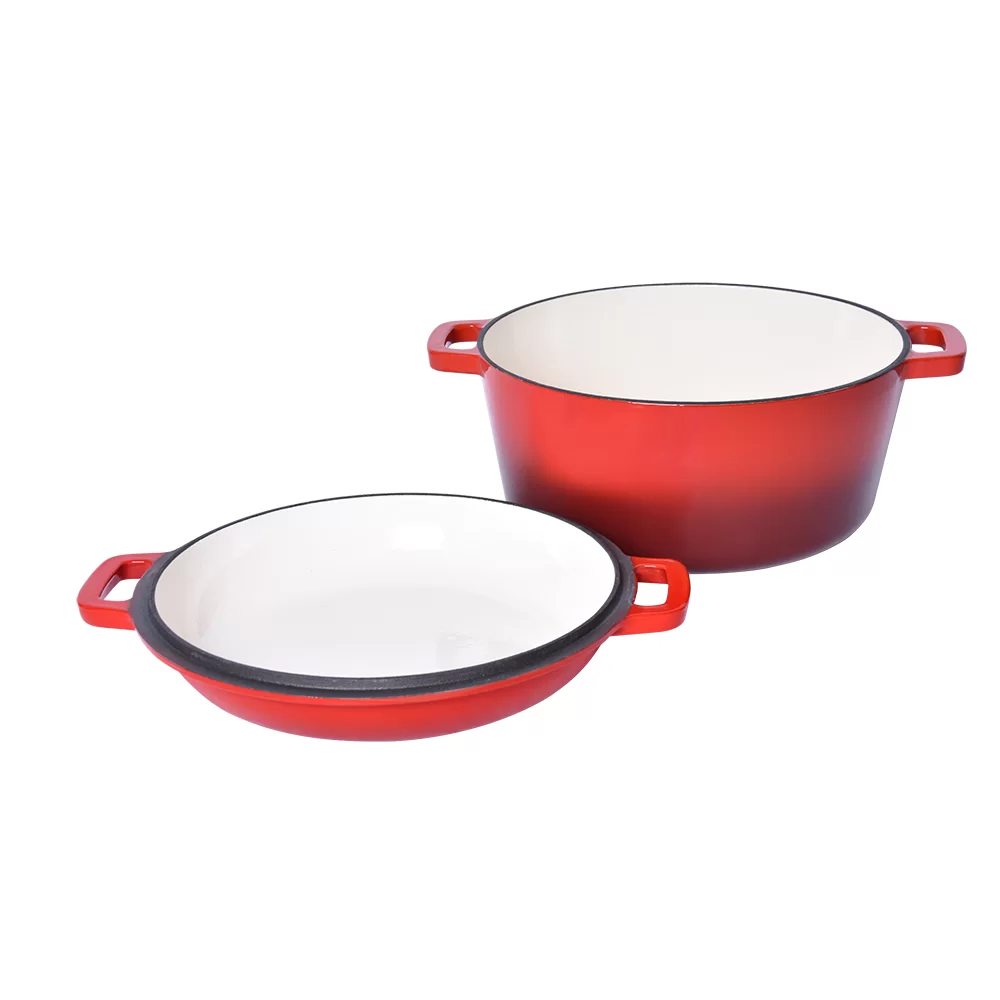
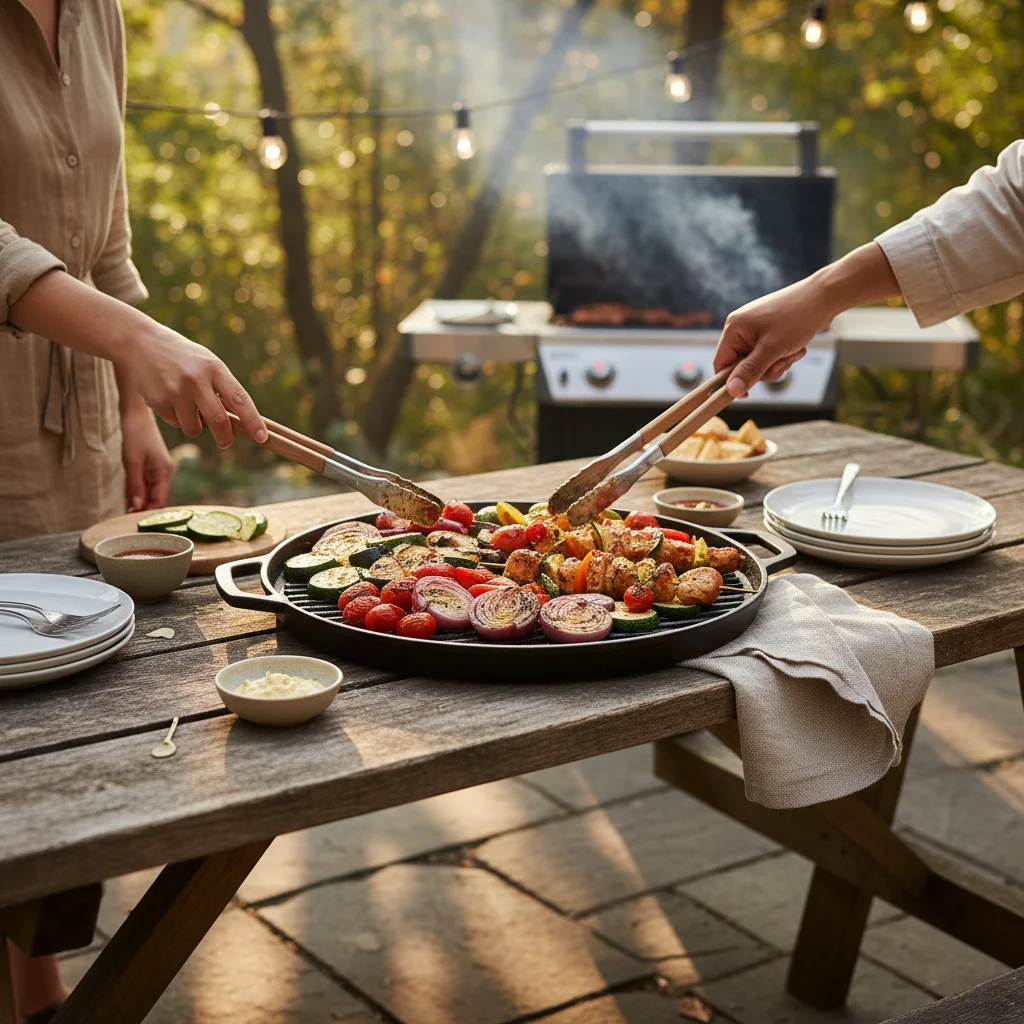
At its core, a camp oven lid is the cover that seals your camp oven or Dutch oven during outdoor cooking. It traps heat and smoke inside the cooking vessel, allowing for even cooking and heat retention. Unlike regular kitchen lids, these lids often serve dual purposes — many double as a griddle or can hold coals on top to create an evenly heated cooking environment from both above and below.
In modern industry and humanitarian work, camp ovens and their lids are crucial for scalable, off-grid food preparation. Imagine emergency relief camps where cooking needs to be done quickly, safely, and hygienically — the lid’s design directly influences those needs.
Key Components that Define an Effective Camp Oven Lid
1. Durability & Material Strength
The best camp oven lids are usually cast-iron, prized for its ruggedness and excellent heat retention. I’ve noticed many brands experimenting with enamel coatings or stainless steel alternatives to prevent rust and reduce weight.
2. Heat Distribution
A lid’s thickness and material help distribute heat evenly. For camp ovens, holding coals on top of the lid is common practice, so it must be sturdy and conductive enough without warping.
3. Seal and Fit Precision
The snugness between the lid and the pot prevents heat and smoke from escaping. Even the smallest gap can cause smoky fingers, uneven cooking, or longer cooking times, which is a nightmare in, say, post-disaster kitchens where time and fuel are precious.
4. Weight and Portability
Crafting a balance between weight and ruggedness is tricky. Too heavy, and it’s a pain to carry in backpacks; too light, and it might bend or break. Lighter options with coatings often excel here.
5. Multi-function Use
Some lids double as frying pans or griddles — a design born out of necessity when traveling light or cooking in austere environments.
6. Eco-friendliness
With sustainability rising, new materials or manufacturing processes aim to reduce environmental impact without sacrificing performance.
Mini Takeaway:
Choosing the right camp oven lid means juggling durability, heat retention, fit, and functionality. The best lids aren’t just covers — they’re integral tools to success in off-grid cooking.
Global Applications & Use Cases of Camp Oven Lids
Out in the world, camp oven lids appear in far-flung places. In Australia’s vast outback, farmers and campers use heavy-duty cast iron lids to prepare meals that can feed large groups without electricity. In humanitarian camps across Africa and Asia, aid organizations rely on camp oven lids as part of cook kits to help displaced populations prepare nutritious, safe meals on limited resources.
Remote industrial sites — like mining outposts or construction zones — depend on reliable cooking gear that’s easy to maintain and transport. There, the ability to hold coals on top of the lid accelerates cooking and conserves fuel, crucial when supply trucks are irregular.
Advantages and Long-Term Value of a Quality Camp Oven Lid
- Cost Efficiency: By trapping heat, lids lower fuel use, saving money and reducing environmental footprints.
- Sustainability: Durable lids last decades, and materials like cast iron are 100% recyclable.
- Safety & Hygiene: Proper seals minimize contamination risks and ensure food cooks thoroughly.
- Social Impact: Reliable cooking gear strengthens community resilience in tough conditions.
- Trust & Innovation: Brands innovating in lid design bring trusted performance, easing fieldwork stresses.
Looking Forward: Trends & Innovations in Camp Oven Lid Design
The future’s looking green — literally. New eco-friendly coatings aim to reduce rust without toxic chemicals. Lightweight composites blended with metals might soon replace traditional cast iron, cutting weight substantially.
Digital thermometers integrated into lids? Not quite mainstream yet, but some clever prototypes use heat-resistant sensors to give feedback on cooking temps — ideal for precise recipes on the go.
Renewable energy use in cooking, including solar-assisted cookers, sometimes employs lids with special reflective surfaces to optimize heat capture. It’s all about marrying tradition with innovation.
Challenges and Solutions in Using Camp Oven Lids Today
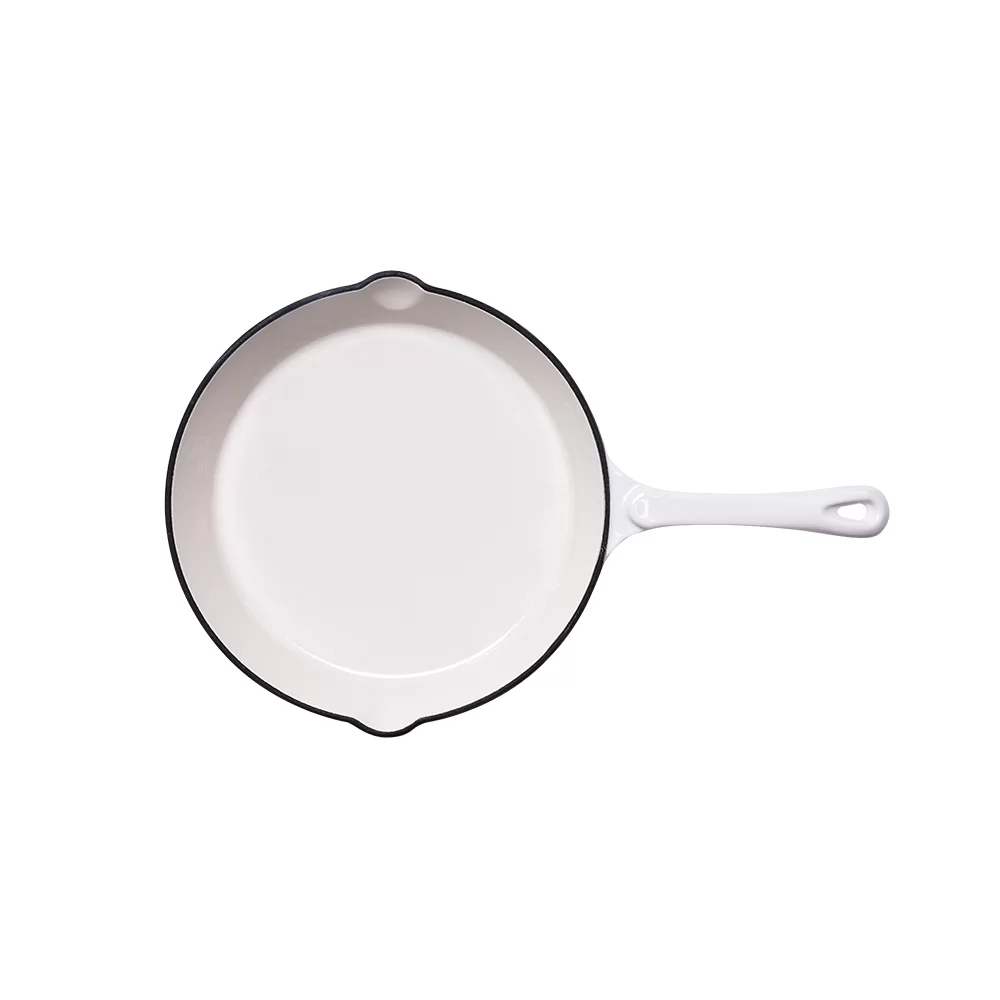
One persistent challenge is weight versus durability. Cast iron wins durability but feels like a brick in your bag. Some brands address this by offering enamel coatings or mixing metals to lighten their lids. Another issue is compatibility — many lids aren’t universal. Custom fit is needed for optimal heat retention.
Another challenge is maintenance; cast iron rusts if not cared for, which can become a problem in humid or coastal relief camps. Simple solutions involve educating users on seasoning and cleaning techniques — minor effort, big payoff.
Product Specification Table
| Specification | Standard Camp Oven Lid | Lightweight Enamel Coated Lid | Innovative Composite Lid |
|---|---|---|---|
| Material | Cast Iron | Cast Iron with Enamel Coating | Metallic Composite Blend |
| Weight | 3.5 lbs (1.6 kg) | 2.8 lbs (1.3 kg) | 2.1 lbs (1.0 kg) |
| Heat Retention | Excellent | Very Good | Good |
| Multi-function Use | Griddle-capable | Griddle-capable | Non-stick surface but no coal holder |
| Rust Resistance | Needs seasoning | Good (enamel coating) | Excellent |
Vendor Comparison Table
| Vendor | Product Range | Price Range | Special Features | Global Shipping |
|---|---|---|---|---|
| Kingway Cookwares | Camp ovens, lids, accessories | $30 - $70 | Enamel coated lids, durable steel | Yes |
| Outdoor Essentials | Cast iron ovens and lids | $40 - $90 | Traditional craftsmanship | Limited |
| Green Camp Gear | Lightweight composite lids | $50 - $100 | Eco-friendly materials, non-stick | Yes |
Frequently Asked Questions About Camp Oven Lids
- What makes a cast iron camp oven lid better than other materials?
- Cast iron offers exceptional heat retention and durability, making it ideal for outdoor cooking where consistent heat is crucial. Plus, you can place hot coals on top to create even heat from above, which is tougher with lighter lids.
- Can I use a camp oven lid as a griddle?
- Many lids are designed to double as griddles, allowing for frying or searing on the lid’s flat surface. Just make sure your model specifies this feature to ensure it can withstand direct heat and maintain flatness.
- How do I care for and maintain my camp oven lid?
- Seasoning your cast iron lid regularly prevents rust and keeps a natural non-stick surface. Avoid soaking it in water, dry it thoroughly after washing, and store it in a dry place. Enamel-coated lids require less maintenance but still benefit from gentle cleaning.
- Are there eco-friendly camp oven lids available?
- Yes, some newer products use sustainable composite materials or eco-friendly coatings that reduce environmental impact while ensuring effective cooking performance.
- Where can I buy reliable camp oven lids for humanitarian projects?
- Vendors like Kingway Cookwares provide robust, tested camp oven lids suitable for large scale relief efforts, with global shipping and volume discounts available.
Conclusion: Why Your Next Camp Oven Lid Matters
In the end, the camp oven lid might seem a small accessory, yet it’s a cornerstone of efficient, sustainable, and enjoyable outdoor cooking. From reducing fuel use to enhancing safety and portability, its long-term benefits ripple across industries and communities worldwide. Whether you're heading out on a weekend escape or supporting large-scale humanitarian missions, investing in quality lids pays off. Curious to learn more or upgrade your gear? Visit Kingway Cookwares — your reliable partner for camp oven lids and accessories.
Mini Takeaway:
Next time you pack your camp oven, remember — the lid does far more than cover. It’s your silent partner cooking up better meals and easier days outdoors.
References