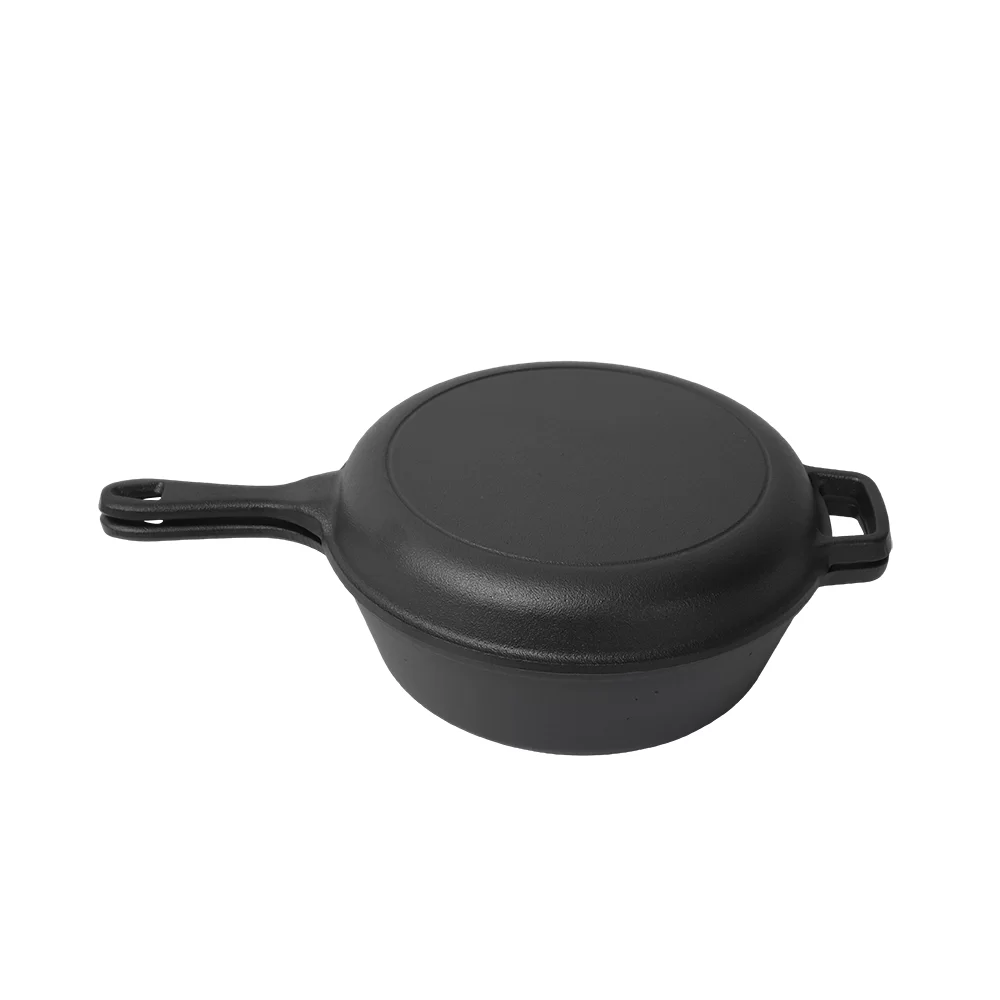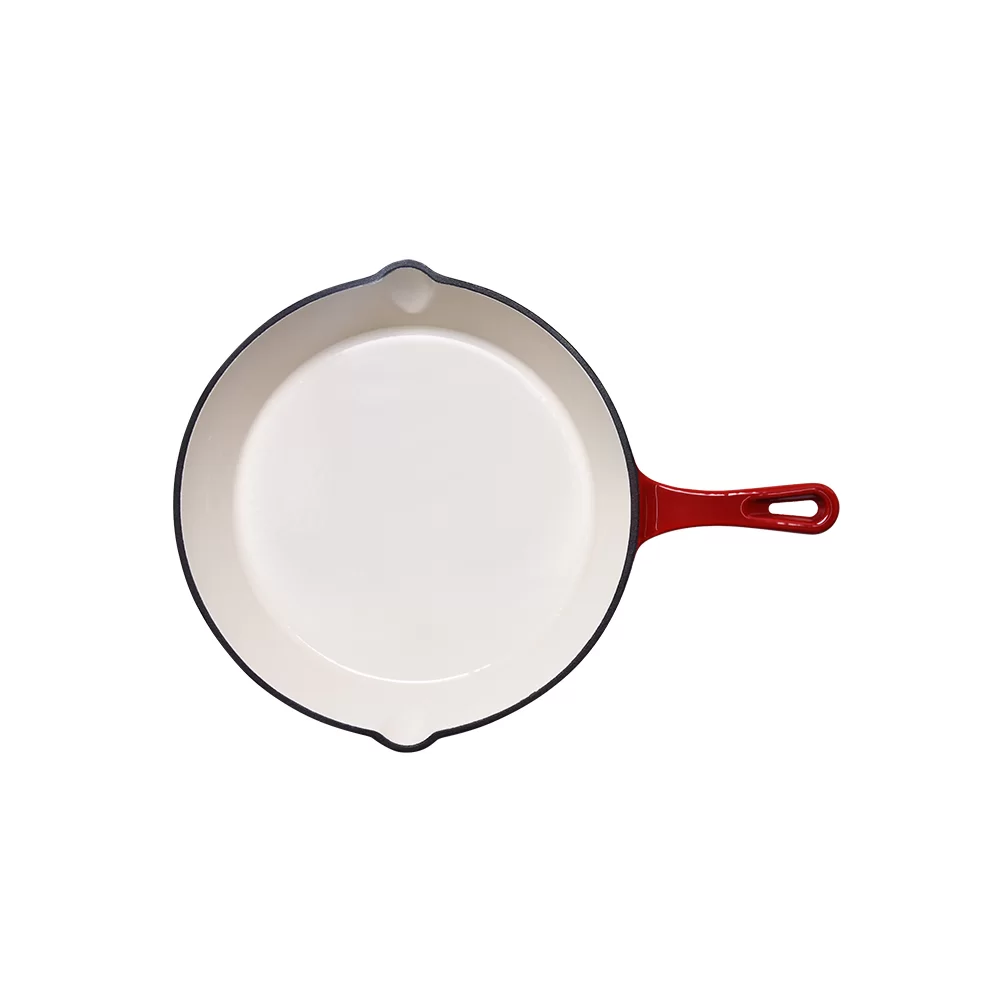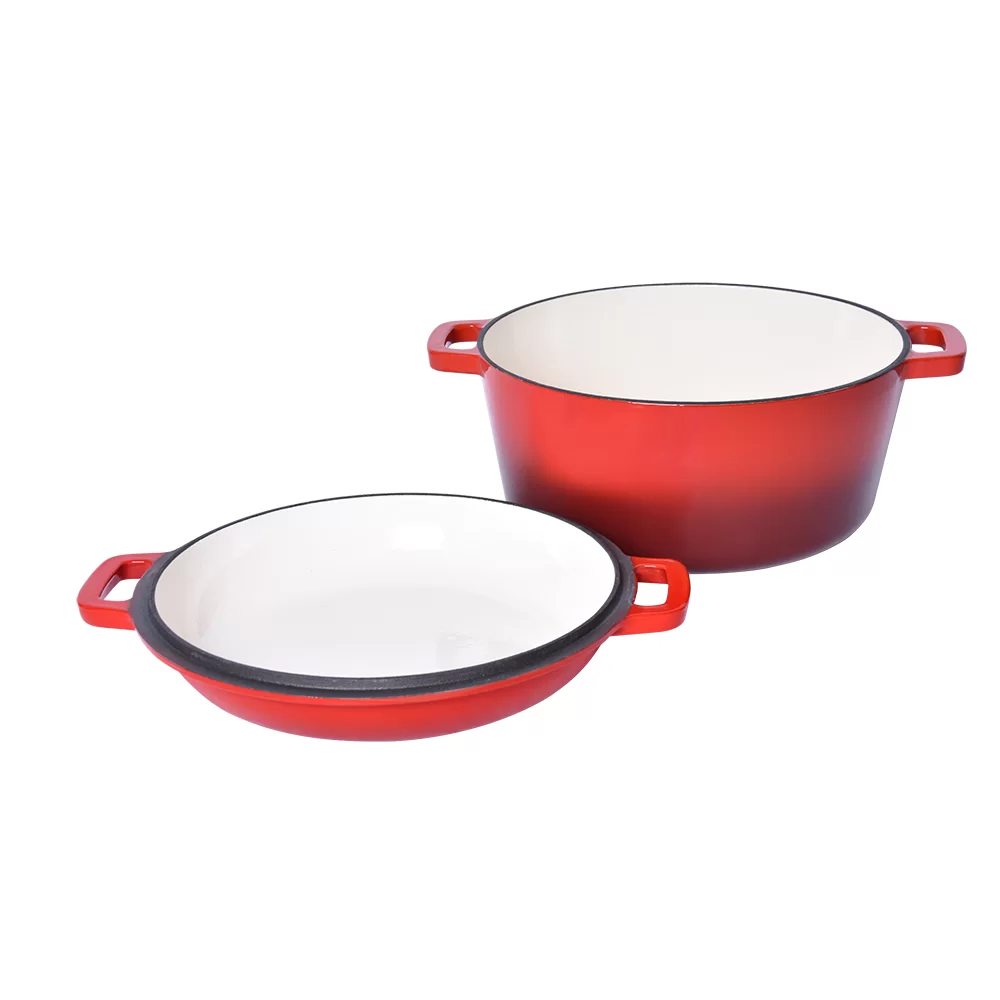
Baking with Cast Iron Loaf Pan – Durable, Sustainable & Delicious Baking Solution
Baking with a Cast Iron Loaf Pan: Why It Matters in Your Kitchen and Beyond
There’s something quietly powerful about baking with a cast iron loaf pan. It’s not just about making bread, muffins, or rustic meatloaf. In a world where quality materials and sustainable cooking are becoming crucial, knowing how to use these pans effectively blends tradition, science, and more efficient baking practices. Globally, cast iron cookware represents a durable, eco-friendly option that supports everything from family kitchens to food security initiatives. Understanding its benefits means unlocking better baking results with less waste and more reliability.
Why Baking with a Cast Iron Loaf Pan Resonates Worldwide
Cast iron has been around for centuries, but recent statistics show a surge in consumer interest for durable, chemical-free cookware. According to the International Trade Centre, global exports of iron cookware rose by nearly 15% over the past five years, indicating a strong and growing market. This aligns with a global push toward more sustainable living and eco-conscious purchasing. But there’s a challenge: many home bakers and commercial kitchens still rely on flimsy, non-stick pans that degrade quickly or use coatings with questionable safety profiles.
Baking with a cast iron loaf pan addresses these problems by offering a time-tested, environmentally friendlier option that lasts decades when properly cared for. Plus, cast iron’s heat retention is unmatched, crucial in consistent bread baking — a huge deal when every loaf counts for nutrition, especially in low-resource settings.
(Source: World Trade Organization)
What Does Baking with a Cast Iron Loaf Pan Really Mean?
In simple terms, it means using a loaf pan made entirely from cast iron to bake breads, cakes, and other oven-based recipes. Unlike aluminum or silicone loaf pans, cast iron distributes heat evenly and retains it longer—giving you a beautifully browned crust and an even crumb inside.
More broadly, baking on cast iron connects to modern culinary trends focusing on authenticity, durability, and sustainability. This cookware is often pivotal in artisanal baking, rescue kitchens during humanitarian crises, and even culinary education, where resilience matters as much as performance.
Core Components that Make Cast Iron Loaf Pans Exceptional
Durability: The Pan That Outlasts Generations
A well-seasoned cast iron loaf pan can last a lifetime, even centuries in some households. Its robust material resists warping or degradation, unlike thinner metals or coated alternatives. The nature of cast iron means it can be restored and improved with seasoning, unlike non-stick coatings that wear out.
Heat Retention and Even Baking
The hallmark of cast iron is its ability to hold and evenly distribute heat. This means the loaf bakes uniformly — no burnt edges or raw centers lurking. For breads, this is golden since it creates that ideal crust and crumb that makes bread satisfying to bite into.
Natural Non-Stick Qualities
Once seasoned, cast iron provides a natural non-stick cooking surface that can outperform many synthetic coatings without toxins or peeling. Seasoning involves polymerized oil — a process easily done at home — which enhances the pan over time.
Cost Efficiency in the Long-Term
Price-wise, cast iron loaf pans might be more expensive upfront. But when you factor in decades of use (and hand-me-downs), pennies per use drop drastically. This durability also reduces landfill waste, aiding sustainability efforts.
Ease of Maintenance
Contrary to popular belief, caring for cast iron loaf pans is straightforward. After baking, rinsing with hot water and drying thoroughly maintains seasoning layers. Avoiding soap preserves the protective coating. Many users find this routine simple once accustomed.
Global Applications and Real-Life Use Cases
Cast iron loaf pans aren’t only for home kitchens. They find solid use in various scenarios globally:
- Disaster Relief & Humanitarian Food Programs: Durable cookware like cast iron loaf pans supports cooking meals efficiently in field kitchens, minimizing resource waste.
- Artisan Bakeries: Bakeries focusing on quality bread prize cast iron’s consistent heat distribution.
- Remote or Resource-Limited Areas: Where replacing bent or coated pans is difficult, cast iron’s longevity matters.
- Educational Institutions: Culinary schools use cast iron loaf pans to teach traditional baking techniques tied to quality outcomes.
One small bakery I visited in Missouri shared a story: switching from aluminum to cast iron pans reduced their product waste by nearly 20%, thanks to consistent baking performance. This kind of real-world impact is what makes the cookware more than just a tool — it’s a business asset.
Advantages and the Long-Term Value of Owning a Cast Iron Loaf Pan
Looking beyond immediate baking quality, the value of baking with cast iron pans stacks up impressively:
- Sustainability: Less frequent replacement means lower production footprints and less landfill waste.
- Healthier Cooking: No chemicals from synthetic coatings mean safer food contact.
- Trust and Emotional Comfort: Many consider their cast iron heirlooms — durable, reliable, passed down through generations.
- Economic Savings: Upfront investment amortized over decades.
Plus, cast iron pans support creative recipes, from savory meatloafs to sweet banana breads. They invite culinary play, which you simply don’t get with disposable tin foil or cheap silicone molds.
Current Innovations and Future Trends
Interestingly, the cast iron loaf pan is seeing some tech twists lately. Manufacturers now integrate:
- Seasoned finishes applied at factories for quicker use out of the box.
- Lighter-weight alloys blending cast iron with steel—though purists debate these.
- Smart cookware concepts that interface with app-connected ovens for optimized baking temperatures.
- Eco-focused manufacturing uses recycled iron and improved supply chains to reduce environmental impact further.
Baking with a cast iron loaf pan remains surprisingly relevant amid digital baking gadgets and automation because of its straightforward reliability. That’s a nod to how tradition and innovation can coexist.
Challenges and How to Overcome Them
Of course, cast iron loaf pans aren’t perfect. They’re heavy — sometimes unwieldy for people with limited hand strength. Improper seasoning can cause sticking issues. Plus, cleaning requires a bit of knowledge not everyone instinctively knows.
Experts suggest:
- Using silicone handles or pan grippers to manage heat safely.
- Regular seasoning sessions during normal use.
- Drying promptly after washing to avoid rust.
Even with these “quirks,” most home bakers find cast iron rewarding once the learning curve passes.
Product Specifications: Cast Iron Loaf Pan Example
| Feature | Specification |
|---|---|
| Material | 100% Cast Iron |
| Dimensions | 9 x 5 x 3 inches |
| Weight | 4.5 pounds |
| Coating | Pre-seasoned with vegetable oil |
| Oven Safe Temperature | Up to 500°F (260°C) |
| Care Instructions | Hand wash, dry immediately, season regularly |
Vendor Comparison: Popular Cast Iron Loaf Pan Brands
| Brand | Price Range | Weight | Pre-seasoned | Customer Rating |
|---|---|---|---|---|
| Kingway Cookwares | $35–$45 | 4.5 lbs | Yes | 4.7/5 |
| Lodge | $30–$40 | 4.8 lbs | Yes | 4.6/5 |
| Camp Chef | $40–$50 | 4.3 lbs | Yes | 4.5/5 |
| Victoria | $25–$35 | 5.0 lbs | No (requires seasoning) | 4.3/5 |
Frequently Asked Questions About Baking with a Cast Iron Loaf Pan
1. How do I prevent my bread from sticking to the cast iron loaf pan?
Seasoning your pan properly is key. Before baking, lightly oil the pan’s interior. After baking, clean with hot water and dry immediately, then apply a thin oil coat. Avoid soap or harsh detergents that strip seasoning. Over time, your cast iron pan will develop a natural non-stick surface that improves every use.
2. Can I use a cast iron loaf pan on any type of oven?
Yes. Cast iron pans are oven safe up to very high temperatures (usually about 500°F/260°C). They work well in conventional, convection, and even wood-fired ovens. Remember that the pan stays hot long after baking, so use heat-resistant mitts when handling.
3. Is baking with a cast iron loaf pan more energy-efficient?
Generally, yes. Because cast iron retains heat longer, you can often reduce oven temperatures slightly or baking time, saving energy. Plus, the even heat distribution avoids undercooked spots that require re-baking — wasting less fuel or electricity.
4. How heavy is a typical cast iron loaf pan? Will it be hard to handle?
A standard loaf pan weighs around 4.5 pounds. It’s heavier than aluminum or silicone alternatives, which can be a handling consideration. Using silicone handles or oven mitts helps, and many users quickly get used to the weight due to the quality and improved results.
5. Can I use a cast iron loaf pan for recipes other than bread?
Absolutely! Cast iron loaf pans are versatile for meatloafs, baked casseroles, pound cakes, and even roasting. Their heat retention and durability make them a multi-purpose workhorse in any kitchen.
Wrapping It Up: The Timeless Benefits of Baking with Cast Iron Loaf Pans
So, baking with cast iron loaf pan isn’t just a culinary niche skill — it’s a practical, sustainable, and rewarding approach to baking that many are rediscovering. From its unbeatable heat retention and durability to the health benefits of chemical-free cooking, cast iron loaf pans remain relevant whether in your home kitchen or global food programs. Investing in one means embracing tradition with a modern twist — a small but meaningful step toward better baking and more mindful cooking habits.
If you're ready to upgrade or dive into cast iron baking, I highly recommend visiting Kingway Cookwares. Their pans combine craftsmanship with thoughtful design, making your first experiences with cast iron loaf pans truly enjoyable.
Quick Takeaways:
- Cast iron loaf pans combine durability, heat retention, and sustainability in one package.
- They support not only home baking but also important humanitarian and artisanal applications worldwide.
- Modern improvements mean easier seasoning and innovative materials, keeping tradition alive.
- While heavier, their long lifespan means they’re a smart economic and ecological choice.
References