Aluminium BBQ Plates: Durable, Lightweight & Eco-Friendly Grill Surfaces
The Rising Relevance of Aluminium BBQ Plates: What’s the Sizzle About?
If you’ve ever fired up a backyard grill or found yourself staring curiously at a shiny, lightweight metal plate on a BBQ, you’re not alone. Aluminium BBQ plates might sound niche or even slightly technical, but their global importance is heating up — and for good reason. These plates are more than just a cooking surface; they blend technology, science, and smart manufacturing to meet global needs including sustainability, durability, and convenience. Understanding this product’s role sheds light on innovation trends in cookware, outdoor cooking, and even industrial applications where aluminium’s properties really shine.
Why does it matter globally? For starters, aluminium ranks as the world’s third most abundant element (after oxygen and silicon) and is prized for being lightweight yet sturdy. The UN’s Environmental Programme notes its recyclability and relatively low carbon footprint compared to other metals, making aluminium products a somewhat greener choice. This plays into why aluminium BBQ plates, beyond just being convenient grill accessories, align with global sustainability efforts and consumer preferences shifting towards eco-friendly products.
So in a nutshell: aluminium BBQ plates are about embracing smart materials and manufacturing to improve everyday cooking and reduce environmental impact. It’s a small thing with surprisingly big implications.
Introduction: Aluminium BBQ Plates in the Global Industry Landscape
It might seem odd to think that a BBQ plate has a global story, but trust me, it does. Worldwide, both commercial and home grilling continue to grow in popularity, and aluminium’s role within this segment is expanding. According to industry reports from the International Aluminium Institute and market analysts like Statista, aluminium consumption for cookware and related applications is expected to grow by approximately 3-5% annually over the next decade, driven partly by demand in developing nations embracing BBQ culture.
One challenge the industry has routinely faced is balancing material performance, cost, and environmental impact. Traditional cast iron plates are heavy, rust-prone, and require regular maintenance, while stainless steel options are more expensive and sometimes uneven in heat distribution. Aluminium BBQ plates provide a middle ground with even heat conduction and lighter weight — but manufacturers have had to solve for surface durability and food safety, which remain crucial for consumer acceptance. As rising consumer awareness and standards (think ISO 22000 for food safety) push the industry forward, aluminium plates tick many boxes.
What Exactly is an Aluminium BBQ Plate?
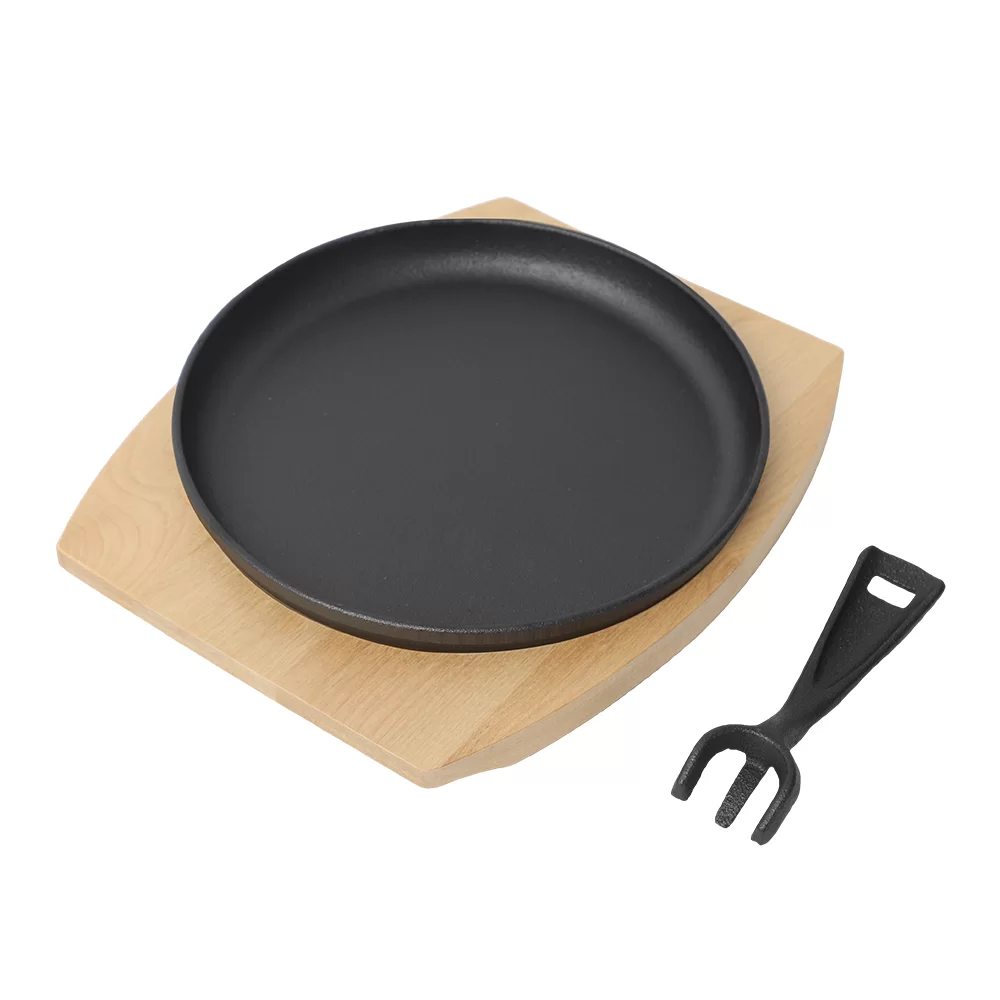
Simply put, an aluminium BBQ plate is a flat or grooved cooking surface made predominantly from aluminium or an aluminium alloy, designed specifically for grilling or barbecuing food. Unlike a traditional grill grate, these plates offer a continuous surface that allows efficient heat transfer and easy cleaning. Their lightweight nature makes them portable and user-friendly, perfect for casual grillers and professional caterers alike.
The connection to modern industry extends beyond backyard cookouts. Aluminium BBQ plates find uses in outdoor catering equipment, military field kitchens, and even humanitarian relief setups, where quick deployment of hygienic cooking surfaces is essential. Their consistent heat distribution and corrosion resistance mean food cooks evenly without hotspots or sticking, which saves time and ensures safety — a crucial benefit in large-scale or remote food prep situations.
Understanding the Material
- Aluminium composition: High-purity aluminium or alloys enhanced for strength.
- Surface treatments: Non-stick coatings or anodization to improve durability.
- Design aspects: Flat or ridged surfaces to mimic grill marks or optimize fat runoff.
Key Attributes of Aluminium BBQ Plates You Should Know
Durability & Corrosion Resistance
One of the first issues that come to mind when using aluminium outdoors is whether it will withstand wear and tear. Thankfully, aluminium forms a natural oxide layer that protects it from rusting, unlike iron or steel plates. When properly treated, it can last for years even in humid or salty environments typical of coastal BBQ spots.
Heat Distribution & Efficiency
Many cooks swear by the even cooking aluminium plates provide — it quickly and uniformly distributes heat without the hot spots common in cheaper metals. This means meats and veggies cook thoroughly, and you get those sought-after grill marks even without direct flame contact.
Weight & Portability
For anyone who enjoys tailgating, camping, or food trucks, aluminium's lightness is a major advantage. The plates can be easily lifted, transported, and installed without straining — that’s a subtle but game-changing perk.
Cost Effectiveness
Although not the cheapest option upfront, the longevity, recyclability, and energy efficiency during cooking make aluminium BBQ plates a smart investment over time.
Maintenance & Cleanability
A well-coated aluminium plate cleans faster and requires less seasoning than cast iron, which is ideal for busy commercial kitchens or family gatherings.
| Specification | Detail |
|---|---|
| Material | Aluminium Alloy 6061-T6 |
| Dimensions | 600 x 400 x 15 mm (custom sizes available) |
| Weight | ~3.5 kg |
| Surface Coating | Non-stick PTFE (optional anodized finish) |
| Heat Conductivity | ~167 W/mK |
| Lifespan | 5–10 years under typical usage |
Where in the World Are Aluminium BBQ Plates Making a Difference?
Aluminium plates are used in a variety of contexts — from bustling city rooftop BBQs in North America, to expansive food festivals across Europe and rapid-deployment kitchens in Southeast Asia’s disaster relief zones. For instance:
- Outdoor catering and hospitality: Portable aluminium BBQ plates make seasonal food stands more efficient and hygienic.
- Refugee camps and humanitarian logistics: Lightweight and durable, aluminium plates help provide safe cooking surfaces preventing contamination.
- Residential and recreational use: Home grillers prefer them for easy cleanup and even cooking, especially in compact urban settings.
- Restaurants and BBQ chains: Commercial kitchens value quick heat response and longevity paired with straightforward maintenance.
In fact, NGOs like Médecins Sans Frontières have explored aluminium surfaces as part of their field kitchen gear for reliable, portable food prep solutions — underscoring the material’s unique blend of properties that conventional metals can’t match easily.
Advantages & Long-Term Value: Why Aluminium BBQ Plates Stand Out
In practical terms, the benefits boil down to four broad categories:
- Cost Savings: Less fuel and faster cooking thanks to great heat conduction.
- Sustainability: Recyclable and less resource-intensive to manufacture compared to steel.
- Convenience & Safety: Reduced risk of rust and easy cleaning means healthier food prep.
- Emotional Benefits: There’s a bit of pride in cooking on a modern, efficient surface. Plus, the confidence that your equipment won’t let you down when you’re serving friends or clients.
From a social perspective, aluminium BBQ plates support communal dining and outdoor socializing, activities with deep cultural roots globally. They promote trust in food safety standards — which frankly is a pretty big deal when millions rely on open-air cooking for daily meals.
Looking Ahead: Innovations and the Aluminium BBQ Plate’s Future
What’s next? Innovations are afoot — manufacturers are experimenting with nano-coatings to even further enhance non-stick properties and surface durability. Some are incorporating graphene for heat retention, aiming to reduce fuel consumption. Sustainable sourcing policies ensure aluminium alloys originate from recycled materials, reducing mining impacts.
Digitally smart grills with embedded sensors that monitor temperature via aluminium plates are also on the horizon — combining tradition with tech to give users pinpoint control. It feels like outdoor cooking is entering an age of automation and precision without losing its casual, convivial spirit.
Are There Downsides? Challenges and How They're Being Tackled
Of course, no product is perfect. Some users worry about aluminium’s reactivity with acidic foods, and poorly coated plates can scratch, exposing the metal underneath. Known concerns about potential leaching have driven industry standards to tighten quality and food safety protocols.
Many companies now use anodized finishes or advanced PTFE coatings, extending lifespan and protecting health. The market is also seeing more customized plates, tailored to specific grill models, which helps reduce waste and improper fit issues. It’s a good reminder that as useful as the base material is, real ingenuity lies in how it’s finished and applied.
Vendor Landscape: A Quick Comparison
| Vendor | Coating Type | Price Range | Warranty | Customization |
|---|---|---|---|---|
| Kingway Cookwares | PTFE non-stick | $50–$100 | 3 years | Yes, sizes & engraving |
| GrillMaster Inc. | Anodized finish | $60–$120 | 5 years | Limited |
| EcoPlate Solutions | Ceramic coating | $70–$130 | 2 years | Yes, color options |
FAQ: Your Questions About Aluminium BBQ Plates Answered
Q: Are aluminium BBQ plates safe to use with all types of food?
A: When properly coated or anodized, aluminium plates are safe for most foods, including acidic ones like tomatoes or citrus. Untreated aluminium can react with acidic food, but reputable manufacturers apply protective surfaces to prevent this. Always check product specs and care instructions.
Q: How do aluminium BBQ plates compare to traditional cast iron ones?
A: Aluminium is lighter and heats more evenly but generally offers less natural non-stick capability than cast iron. However, with modern coatings, aluminium plates clean more easily and don’t require seasoning, making them more user-friendly for casual and commercial users.
Q: Can aluminium BBQ plates be customized to fit different grill brands?
A: Many vendors, including Kingway Cookwares, offer custom sizing and engraving to match various grill models or branding needs. Custom orders often require lead time but offer a great fit and bespoke solution.
Q: How long do aluminium BBQ plates typically last?
A: With proper maintenance, they often last between 5 to 10 years. Longevity depends on the surface coating condition, usage frequency, and cleaning habits. Avoid metal utensils to prolong surface life.
Q: Are aluminium BBQ plates environmentally friendly?
A: Yes, aluminium is highly recyclable and using recycled aluminium significantly reduces energy use and greenhouse gas emissions. Their lightweight nature also means less fuel consumption during cooking, adding to their eco-benefits.
Conclusion: Why Aluminium BBQ Plates Deserve a Spot in Your Grill Setup
Looking back, it’s pretty clear that aluminium BBQ plates offer a sweet mix of practicality, efficiency, and sustainability. They solve long-standing grilling challenges—from uneven heat and weight to cleanup hassles—while fitting into a world increasingly concerned about environmental footprint. For homeowners, caterers, or relief organizations needing dependable, portable cooking surfaces, these plates prove they’re worth the investment. If you want to get your hands on reliable, cost-effective aluminium BBQ plates, don’t hesitate to check out Kingway Cookwares for a range of options that might just change your grilling game.
References