Cooking Grain-Based Dishes in a Braiser Cast Iron Enamel
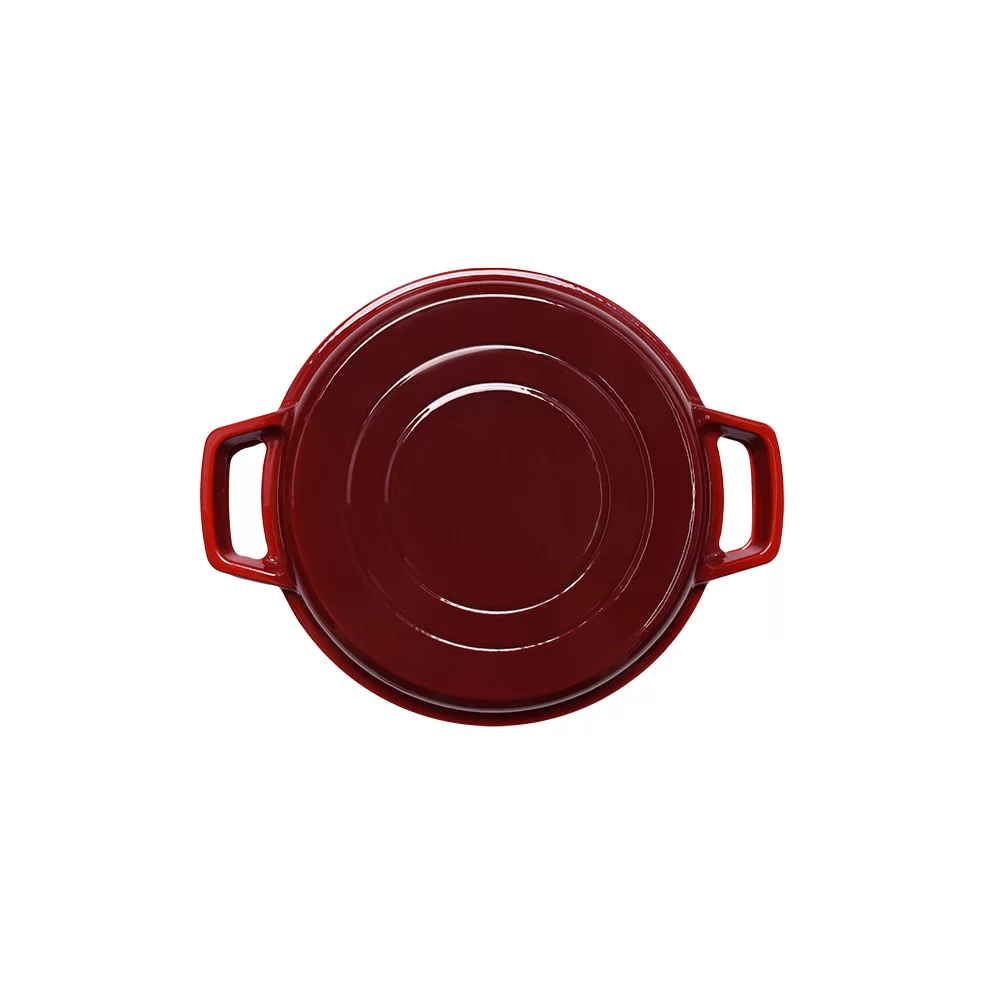
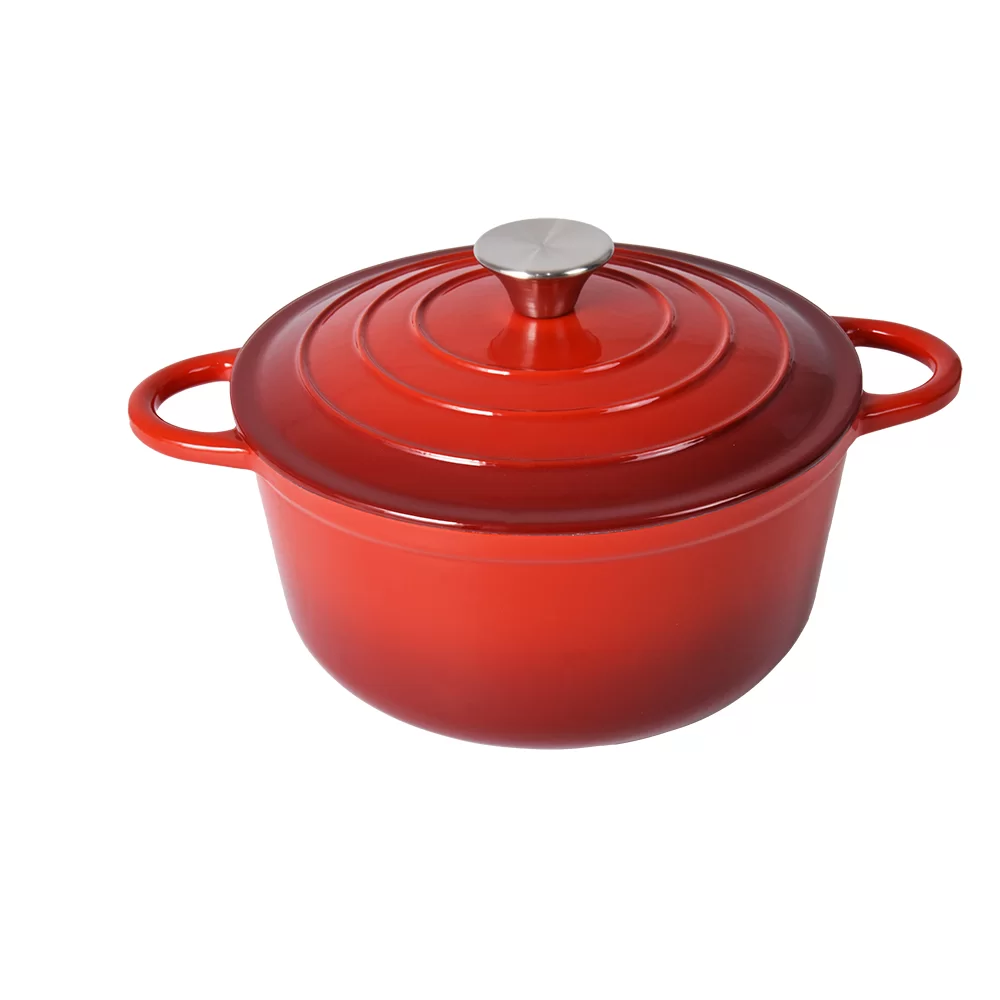
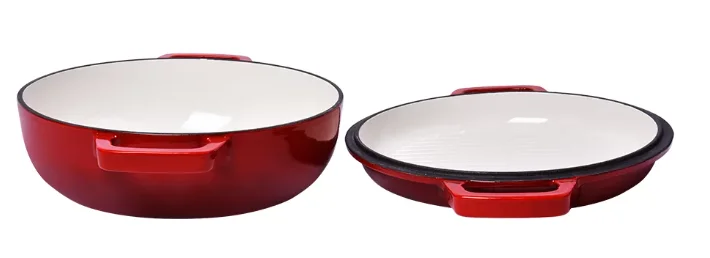
The journey to culinary mastery often involves discovering the perfect synergy between ingredient and tool. For grain-based dishes—from creamy risottos and fluffy pilafs to hearty grain bowls and savory porridges—this perfect partner is undoubtedly the braiser cast iron enamel. This versatile piece of cookware transcends the limitations of standard pots and pans, offering a unique combination of even, radiant heat and gentle, steam-trapping moisture retention that is ideal for transforming raw grains into comforting, complex meals. While often celebrated for its prowess with meats, the true versatility of a cast iron braising pan shines when applied to the nuanced world of grains. Its wide, shallow base provides ample surface area for toasting and sautéing, while its tight-fitting lid creates an ideal enclosed environment for simmering and steaming, ensuring every kernel cooks evenly and absorbs maximum flavor.
This alignment of form and function is no accident. It is the result of dedicated craftsmanship, exemplified by manufacturers like Shijiazhuang Kingway Import and Export Co., Ltd. Since 2008, Kingway has been a leader in producing premium, durable cookware that meets rigorous international standards (FDA, LFGB, ITS, SGS). Their expertise ensures that a braiser cast iron enamel is not just a pan but a precision instrument. The high-quality enamel coating is non-reactive, meaning it won't interact with acidic ingredients like wine or tomatoes commonly used in grain dishes, preserving the pure, intended flavors. Exploring grain cookery with such a tool opens a new dimension in home cooking, turning simple ingredients into extraordinary meals.
The Perfect Foundation: Why a Braiser Cast Iron Excels with Grains
Understanding the physical properties of a braiser cast iron reveals why it is uniquely suited for grains. The fundamental advantage is its exceptional heat retention and distribution. Cast iron absorbs thermal energy steadily and releases it evenly across its entire surface, eliminating the hot spots common in thinner metals. This is critical for grain dishes. When toasting rice or farro before simmering, an even heat ensures uniform color and nutty flavor development without burning. During the simmering phase, this consistent, gentle heat surrounds each grain, cooking it evenly from all sides and preventing a mushy bottom layer or undercooked top layer.
The design of a cast iron braising pan, with its broad cooking surface and moderately high sides, is ideal for the multi-step process of many grain recipes. The wide base allows grains to spread out in a thin layer for efficient toasting and evaporation. The high sides and domed lid then work in concert to trap steam and liquid when the lid is on, creating a perfect, controlled environment for absorption. This combination of searing power and steaming capability within a single vessel makes the braiser cast iron an indispensable tool for achieving perfectly textured, deeply flavorful grain-based dishes.
Mastering Technique in Your Braiser Cast Iron Enamel
Success with grains in a braiser cast iron enamel hinges on mastering a few key techniques that leverage the pan's strengths. The process almost always begins with a soffrito—gently sautéing aromatics like onions, garlic, or spices in oil or butter. The enameled surface of a braiser cast iron enamel provides a perfect, non-reactive medium for this step, allowing the flavors to meld without risk of sticking or metallic taste transfer. The even heat ensures the aromatics soften and sweeten without scorching.
The next crucial step is toasting the dry grains. Adding rice, quinoa, or pearl barley to the aromatics and stirring for 1-2 minutes coats each kernel in fat and heat, sealing the exterior. This enhances flavor and helps the grains remain separate and distinct after cooking. Finally, the liquid is added. Here, the braiser cast iron enamel truly shines. Once the broth or water is added and brought to a simmer, the heavy, tight-fitting lid is secured. The cast iron maintains a steady, low simmer without fluctuation, and the lid locks in moisture. This allows for the "set-it-and-forget-it" method—once simmering, the heat can often be reduced to low, and the grains will cook perfectly without stirring (ideal for pilafs), or with minimal stirring (for risotto), thanks to the consistent, enveloping heat.
From Risotto to Pilaf: Recipes for Your Cast Iron Braising Pan
The cast iron braising pan is the ultimate canvas for a world of grain dishes. For a classic Risotto Milanese, the pan's steady heat is invaluable. The wide surface allows the Arborio rice to be toasted evenly, and the consistent temperature helps release starch slowly, creating that signature creamy texture without constant, frantic stirring. The enamel interior is perfect for deglazing with white wine and finishing with Parmesan without any risk of reaction.
For a Middle-Eastern-inspired pearl couscous pilaf with chickpeas and apricots, the braiser cast iron excels again. The grains and aromatics can be sautéed in the spacious base, then broth and ingredients added. The lid creates a sealed environment where the couscous steams to perfection, absorbing all the spiced flavors. The pan's excellent heat retention also means it will keep your dish warm at the table. From a Spanish-style quinoa with sofrito and roasted peppers to a simple, perfect pot of jasmine rice, the cast iron braising pan delivers foolproof results, turning everyday grains into the centerpiece of a meal.
Beyond the Basics: The Versatility of a Braiser Cast Iron Enamel
The utility of a braiser cast iron enamel extends far beyond traditional stove-top grain recipes. Its ability to move seamlessly from stovetop to oven unlocks further possibilities. A hearty breakfast farro porridge with apples and cinnamon can be started on the stove and then finished gently in the oven, ensuring the farro becomes perfectly tender without any risk of sticking or scorching on the bottom. The enamel coating makes cleanup from these sweet or dairy-based dishes simple.
Furthermore, the braiser cast iron enamel is ideal for one-pot grain and protein meals. Imagine a recipe where chicken thighs are seared in the pan, removed, and then a grain like freekeh or spelt is toasted in the rendered fat. Broth and vegetables are added, the chicken is returned on top, and the entire dish goes into the oven to finish. The cast iron distributes heat evenly, cooking the grain and protein to perfection simultaneously, while the elegant enameled exterior makes it presentable for serving directly at the table. This versatility makes the braiser cast iron enamel the workhorse of the thoughtful cook's kitchen.
About Braiser Cast Iron Cookware FAQs
Why Is a Braiser Cast Iron Enamel Good for Risotto?
A braiser cast iron enamel is excellent for risotto due to its superior, even heat distribution. It maintains a consistent gentle simmer crucial for slowly releasing rice starches, creating creaminess. The wide base allows for proper toasting, and the enameled surface is non-reactive, safely handling the wine and acidic broths used in risotto without affecting flavor.
Can I Cook Rice in a Cast Iron Braising Pan?
Absolutely. A cast iron braising pan is fantastic for cooking rice. Its even heat prevents hot spots that can burn the bottom, and the tight-fitting lid traps steam perfectly for fluffy results. It's ideal for pilaf-style rice where the grains are first toasted in oil or butter for enhanced flavor before steaming.
How Do I Clean My Braiser Cast Iron After Cooking Grains?
Cleaning your braiser cast iron enamel after grains is simple. Allow it to cool slightly, then fill with warm, soapy water. Let it soak for 10-15 minutes to loosen any starches. Use a soft sponge or nylon brush to clean; avoid abrasive scouring pads. For stuck-on bits, a paste of baking soda and water is effective and safe for the enamel.
Is a Braiser Cast Iron Better Than a Pot for Grain Dishes?
For many grain dishes, yes. A braiser cast iron offers a wider cooking surface for better evaporation and flavor concentration (like for pilaf) compared to a tall, narrow pot. Its design is superior for the multi-step processes (sauté, toast, simmer) common in grain recipes, often making it a more versatile and effective single vessel.
What Size Cast Iron Braising Pan Is Best for Family Meals?
A 3.5 to 5-quart cast iron braising pan is the most versatile for family cooking. This size comfortably prepares 4-6 servings of grain-based dishes, has ample surface area for browning and sautéing, and is still manageable on the stovetop and in storage. It is the ideal primary size for most home kitchens.