Silicone and Wood Cooking Utensils: Sustainable Kitchen Tools for Health & Safety
Silicone and Wood Cooking Utensils: Practical, Sustainable Kitchen Tools for Today
Cooking utensils made from silicone and wood are quietly changing kitchens around the world. But beyond their humble appearance lies a story about sustainability, safety, and durability that ties into broader environmental and health challenges we face globally. Understanding the benefits and applications of silicone and wood cooking tools not only informs better purchasing decisions but also helps promote eco-conscious culinary habits that matter to millions.
Global Context: Why Silicone and Wood Cooking Utensils Matter
According to ISO and various sustainability agencies, the cooking utensil industry contributes notably to plastic waste and resource depletion. Silicone and wood utensils represent a promising alternative to conventional plastics often laden with harmful chemicals like BPA. With global plastic production exceeding 400 million tons annually (World Bank, 2022), choosing safer materials for kitchenware takes on meaningful environmental significance.
Moreover, in many developing regions, cooking happens in less controlled environments, raising concerns about heat resistance, food safety, and utensil durability—areas where silicone’s flexibility and wood’s natural heat resistance shine.
Still, challenges remain. The market wrestles with balancing cost, durability, and environmental impact, yet this shift toward silicone and wood cooking utensils is gaining momentum as consumers demand safer, longer-lasting kitchen tools.
What Are Silicone and Wood Cooking Utensils?
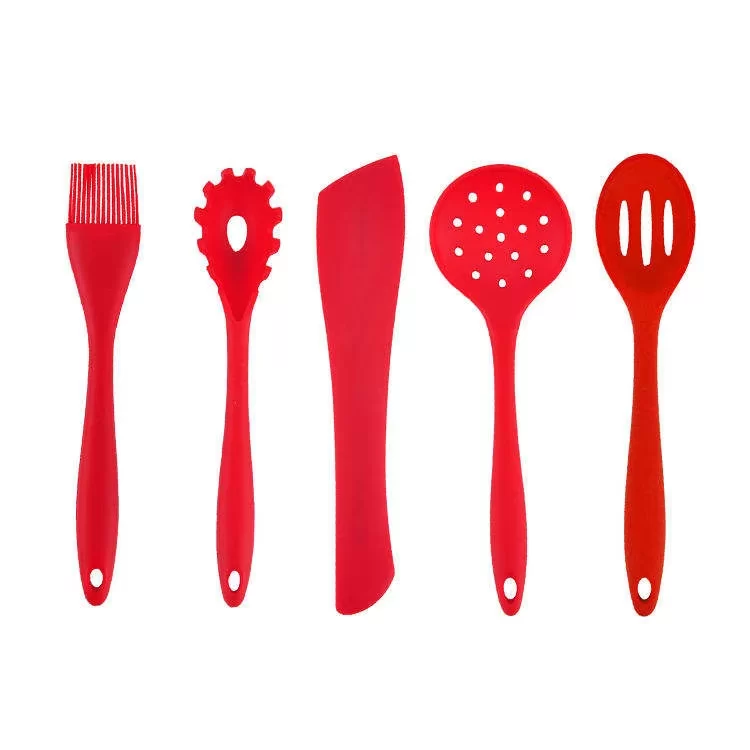
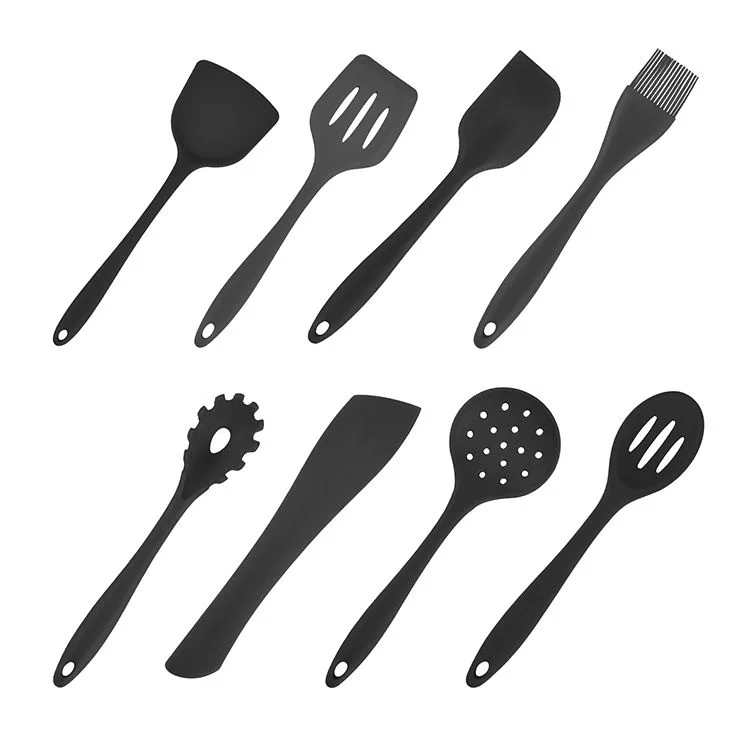
Put simply, these utensils are kitchen tools made primarily from food-grade silicone or sustainably sourced wood. Silicone utensils are flexible, heat-resistant cooking gadgets like spatulas, spoons, and brushes crafted from a synthetic rubber known for its durability and non-reactive properties.
Wooden utensils, often made from bamboo or hardwoods like beech and olive wood, are prized for their natural look and feel, plus they don’t scratch cookware surfaces. Both varieties come with their own benefits and trade-offs, but they share an underlying focus on improving kitchen safety and sustainability.
Core Components & Key Factors
1. Durability
Silicone utensils can withstand high temperatures (often up to 450°F or 232°C) without melting or warping. Wood, if well cared for, is sturdy and resists cracking. But oddly enough, wood often outlasts cheaper silicone over time because it doesn’t degrade from repeated use in hot water or sunlight.
2. Food Safety
Both materials are non-toxic and food-safe when properly certified. Silicone is inert, meaning it won’t leach harmful chemicals into food—a problem with some plastics. Wood, naturally antimicrobial in some varieties, adds an extra level of hygiene, although it requires regular cleaning to avoid bacteria build-up.
3. Sustainability
Wood utensils tend to be more eco-friendly, being biodegradable and renewable, especially when harvested responsibly. Silicone, while synthetic and derived from silica (sand), is more durable and recyclable in some programs. Choosing either over conventional plastic reduces environmental burden significantly.
4. Heat Resistance & Safety
Silicone excels here—it won’t melt or release odors even near open flames. Wood also handles heat reasonably well but can scorch if left unattended. Both materials prevent scratches on non-stick cookware compared to metal tools, extending the life of costly pots and pans.
5. Cost & Accessibility
Generally, wooden utensils may cost less upfront, especially locally made varieties, but require care to prevent cracking or warping. Silicone utensils may be pricier but typically last longer without maintenance, which balances the investment.
Global Applications & Use Cases
- Home kitchens worldwide: From the U.S. to Japan, silicone and wood utensils are increasingly preferred for their blend of practicality and aesthetics.
- Humanitarian aid: In post-disaster relief camps, durable, safe utensils are critical. NGOs favor silicone utensils for their lightweight, heat resistance, and ease of cleaning in harsh environments.
- Restaurants and eco-conscious food producers: Silicone’s heat tolerance and wood’s natural appeal fit into sustainability initiatives.
- Remote industrial zones: Workers benefit from utensils resistant to chemicals and temperature extremes.
For example, in humanitarian kitchens serving refugee camps, silicone and wood cooking utensils could significantly improve food safety and tool lifespan compared to plastic disposables.
Advantages & Long-term Value
Switching to silicone and wood utensils is smart beyond just an environmental gesture. You gain:
- Improved health and safety: Non-toxic, heat safe materials reduce food contamination risk.
- Cost savings: Durable utensils mean less frequent replacement.
- Enhanced cooking experience: Gentle on cookware, pleasant tactile feel.
- Connection to sustainability: Choosing renewable resources feels right in a world increasingly aware of plastic pollution.
Emotionally, users often express satisfaction knowing their choice supports safer kitchens and a cleaner planet.
Future Trends & Innovations
Oddly enough, the evolution of cooking utensils is quietly embracing smart materials and sustainability policies. Ongoing research aims to develop bio-based silicone variants and improve recycling programs. Also, digital design tools mean more ergonomic, heat-efficient shapes.
Green manufacturing practices are gaining ground—think solvent-free treatments for wood or lower-carbon silicon synthesis—which promise more environmentally friendly products in coming years.
Challenges & Solutions
Wood utensils can crack or harbor bacteria if not dried properly. Silicone may sometimes degrade in harsher chemical environments or with poor manufacturing quality. However, expert recommendations include:
- Care instructions: Dry wood thoroughly and oil periodically.
- Buy certified products: Look for FDA-approved silicone and sustainably sourced wood.
- Proper cleaning regimes: Avoid harsh abrasives; use mild detergents.
Product Specification Table
| Feature | Silicone Utensils | Wooden Utensils |
|---|---|---|
| Heat Resistance | Up to 450°F (232°C) | Moderate - can scorch if overexposed |
| Durability | High; flexible, won't warp easily | High; may crack if dry or mishandled |
| Food Safety | Non-toxic, FDA-approved grades available | Naturally antimicrobial, needs cleaning care |
| Environmental Impact | Synthetic but reusable and recyclable | Biodegradable, renewable resource |
| Maintenance | Dishwasher safe, easy cleaning | Hand wash recommended; oil regularly |
Vendor Comparison Table
| Vendor | Product Range | Price Range | Eco Certifications | Usability Features |
|---|---|---|---|---|
| KingWay Cookwares | Silicone & wood, customizable sets | $$$ | FSC Certified wood, FDA-approved silicone | Ergonomic handles, color-coded sets |
| EcoHome Essentials | Mostly wood, some bamboo tools | $$ | Fair Trade wood sourcing | Simple classic designs |
| Urban Kitchenware | Silicone-heavy modern designs | $$$ | Partial recycling program | Dishwasher safe, wide color range |
FAQ: Frequently Asked Questions About Silicone and Wood Cooking Utensils
- Are silicone and wood cooking utensils safe for all types of cookware?
- Yes, both materials are gentle and won't scratch non-stick, ceramic, or stainless-steel cookware. Silicone is especially recommended for delicate surfaces.
- How do I clean and maintain wood utensils to prevent bacterial growth?
- Wash wood utensils by hand with mild soap, dry immediately, and oil them periodically with food-safe mineral oil to prevent cracks and maintain hygiene.
- Can silicone utensils withstand open flames?
- Silicone utensils are heat-resistant but should not be exposed directly to open flames as the material can degrade. They perform best in high-temperature cooking but away from direct fire.
- How environmentally friendly are silicone utensils compared to plastic?
- While silicone is synthetic, it is more durable and can be recycled under specialized programs. It produces less waste in the long term compared to disposable plastics.
- Where can I find high-quality silicone and wood cooking utensils?
- Reliable vendors like KingWay Cookwares offer certified, durable, and sustainable options backed by detailed product info and customer support.
Conclusion: Embracing a Safer, More Sustainable Kitchen
Choosing silicone and wood cooking utensils is one of those small but impactful steps toward a healthier kitchen and planet. It’s about combining practicality with conscience, durability with care. Whether you’re a home cook, a professional chef, or involved in relief operations, these utensils deliver long-term value you’ll appreciate every day.
Want to learn more or browse a curated collection? Visit our website: silicone and wood cooking utensils for a thoughtful range designed with both YOU and the world in mind.
In short: making better tool choices now adds up to safer meals and a greener tomorrow.
References