The Ultimate Guide to Iron Chapati Pan: Benefits, Uses & Buying Tips
Understanding the Iron Chapati Pan: A Global Culinary Essential
Iron chapati pans may seem like humble kitchen tools, yet they hold an important place in kitchens across South Asia and beyond. These simple cookware pieces impact daily cooking routines, local economies, and global culinary traditions alike. Frankly, understanding what an iron chapati pan is and why it matters globally gives us a snapshot into how traditional craftsmanship meets practical needs — shaping food cultures that feed millions. Let’s dive into the essentials behind this cookware's significance and utility.
Global Relevance of the Iron Chapati Pan
The iron chapati pan serves a distinctly global role, especially in regions like India, Pakistan, Bangladesh, and Nepal, where flatbreads like chapati or roti are staple foods. According to the United Nations Food and Agriculture Organization (FAO), flatbreads provide a significant caloric source for over a billion people. The chapati pan enables households to cook this daily staple efficiently and healthily.
In many developing areas, this pan is not just a cooking device but a tool that supports nutritional security and sustains livelihoods. The trend toward durable, affordable cookware fits well within broader sustainability goals espoused by organizations like the ISO, which advocates for well-designed products with longer life-cycles to reduce waste.
However, challenges like uneven heating, pan corrosion, and availability of these tools in remote areas prompt manufacturers and NGOs to innovate and improve materials and design — critical for food security and quality.
What Is an Iron Chapati Pan?
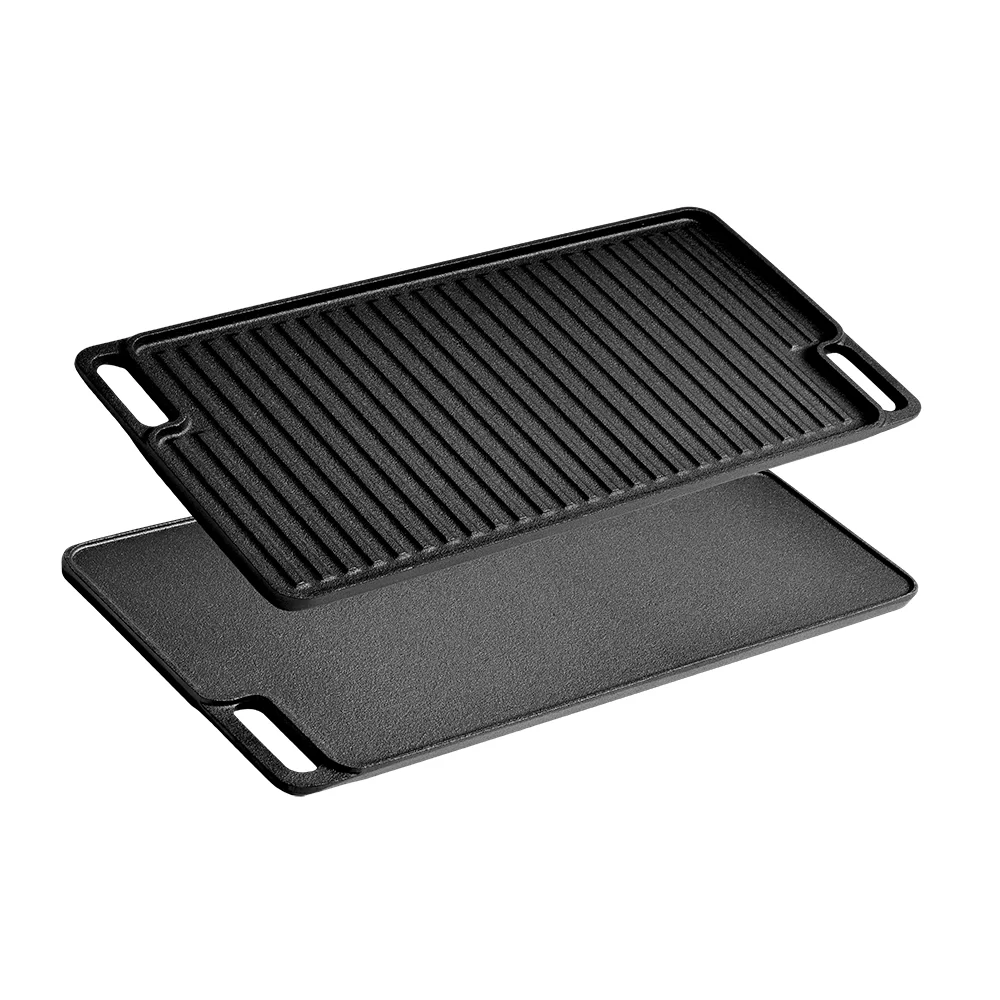
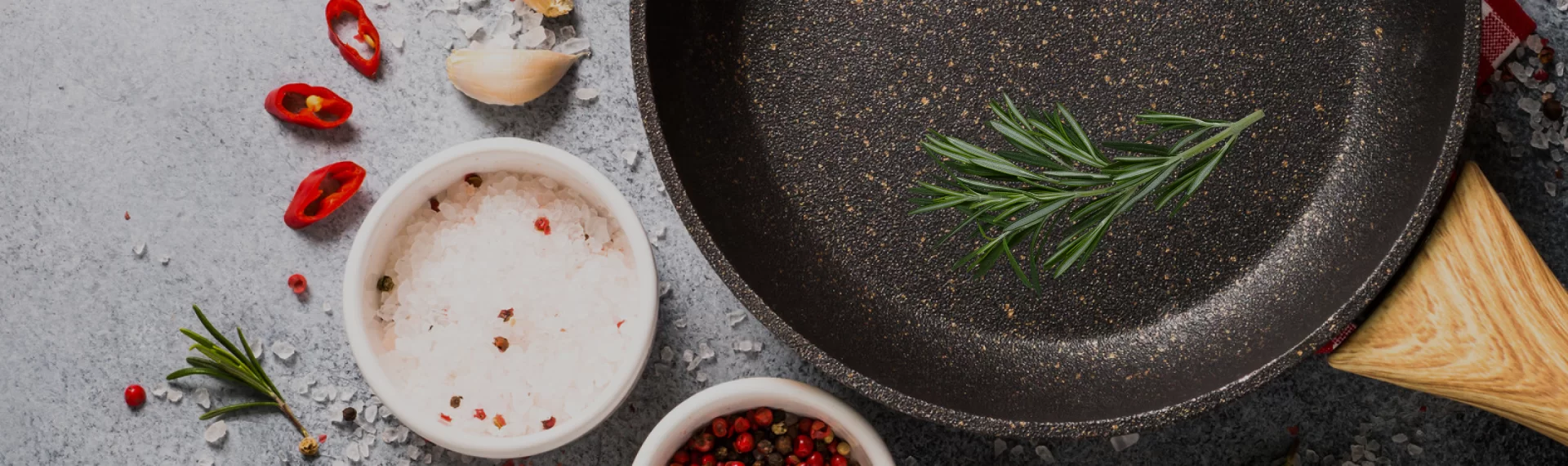
Put simply, an iron chapati pan (also known as a tawa in some regions) is a flat or slightly concave pan made primarily of cast iron or sometimes wrought iron. It’s used to cook chapattis — unleavened flatbreads made from whole wheat flour. The iron construction ensures even heat distribution, which is crucial for properly puffed, evenly cooked chapatis.
Unlike the non-stick pans common in western kitchens, these iron pans offer durability and often improve with seasoning over time. This makes them beloved tools not just for households but also for street vendors and small restaurants.
Key Features of the Iron Chapati Pan
1. Durability
An iron chapati pan can last decades if properly maintained. The heavy-duty metal resists warping and cracks, even under high heat and daily use. This longevity contrasts sharply with cheaper aluminum or steel pans.
2. Heat Retention & Distribution
Iron pans absorb and distribute heat evenly, which means chapatis cook uniformly without burning or undercooking spots. This is crucial given the thin dough used. Strange as it sounds, many cooks say the best chapati pans are the older, well-seasoned ones since the seasoning adds a non-stick quality.
3. Cost Efficiency
While a quality iron chapati pan may be pricier upfront than thin sheets of metal, replacing cheap pans frequently ends up more costly. The investment in ironware pays off in long-term savings and less waste.
4. Health & Safety
Iron pans naturally season to avoid sticking, requiring less oil. Plus, using iron cookware helps supplement dietary iron — a boon in anemia-prone communities.
Iron Chapati Pan Specifications
| Feature | Specification |
|---|---|
| Material | Cast Iron / Wrought Iron |
| Diameter | 25-30 cm (standard sizes) |
| Thickness | 3-5 mm |
| Weight | 800g - 1.5 kg |
| Finish | Seasoned Surface or Raw Cast Iron |
Global Vendors: A Comparison
| Vendor | Material Quality | Price Range (USD) | Seasoning Status | Market Availability |
|---|---|---|---|---|
| Kingway Cookwares | Premium Cast Iron | $15 - $30 | Pre-Seasoned | Global (Online & Offline) |
| Local Indian Artisans | Wrought Iron | $7 - $15 | Raw, User Seasoning Needed | Regional Markets |
| Small-scale Manufacturers (China) | Mixed Iron / Steel | $5 - $12 | Often Not Seasoned | Export Focused |
Applications Around the World
From bustling urban kitchens in Mumbai to remote villages in the Himalayas, the iron chapati pan acts as a cornerstone for daily cooking. NGOs working in disaster relief in South Asia often include chapati pans in kitchen kits — their robustness and versatility ensuring displaced families can cook nutritious meals easily.
Oddly enough, these pans have found a niche outside South Asia, including in Middle Eastern and African cuisines where flatbreads are common, highlighting its adaptability.
Restaurants specializing in traditional fare vouch for cast iron pans because of their ability to maintain heat even during back-to-back batches of chapati production.
Advantages & Long-Term Value
- Economic Sustainability: Longevity reduces replacement frequency.
- Health Benefits: Iron seasoning benefits iron intake in diet.
- Environmental Impact: Cast iron is recyclable and avoids chemical coatings often found in non-stick alternatives.
- Cultural Preservation: Maintains traditional cooking practices that connect communities.
There's an emotional component too — using an iron chapati pan often connects generations, evoking memories of grandmothers’ kitchens. That sense of trust and reliability in the tool used every day can’t be overstated.
Challenges & Innovations
Challenges exist, like initial seasoning requirements that might intimidate new users, or the heavier weight compared to aluminum pans. However, manufacturers are innovating with lighter cast iron blends and offering pre-seasoned options that cut down on maintenance hassle.
In terms of sustainability, companies are now exploring recycled iron sourcing and greener manufacturing processes, marrying tradition with modern environmental needs.
FAQs About Iron Chapati Pans
Q: How do I season a raw iron chapati pan at home?
A: Seasoning involves coating the pan with a thin layer of cooking oil and heating it to bind the oil to the surface, creating a natural non-stick layer. It’s recommended to repeat this process 2-3 times for best results and to maintain seasoning regularly to prevent rust.
Q: Are iron chapati pans suitable for induction cooktops?
A: Yes, iron pans are induction compatible because iron is ferromagnetic. This makes iron chapati pans versatile across modern stovetops.
Q: What is the difference between cast iron and wrought iron for chapati pans?
A: Cast iron is denser and retains heat better, providing even cooking, while wrought iron is lighter and more malleable but may heat less uniformly. Cast iron is generally preferred for sustained use.
Q: Can iron chapati pans be used for cooking other flatbreads or foods?
A: Absolutely. These pans work well for any flatbread (like tortillas or pita) and can be used for sautéing vegetables or frying eggs, making them multipurpose in the kitchen.
Conclusion
The iron chapati pan, with its humble design, carries significant cultural, nutritional, and economic weight worldwide. Its durability, cost-effectiveness, and health benefits make it a stellar example of functional cookware that transcends mere utensils to become a culinary cornerstone. If you want to explore premium options or shop quality pans, check out iron chapati pan collections available online and enjoy cooking that connects tradition with today’s needs.
Simply put, an iron chapati pan isn’t just a pan — it’s almost a daily companion in kitchens that matter.
References: