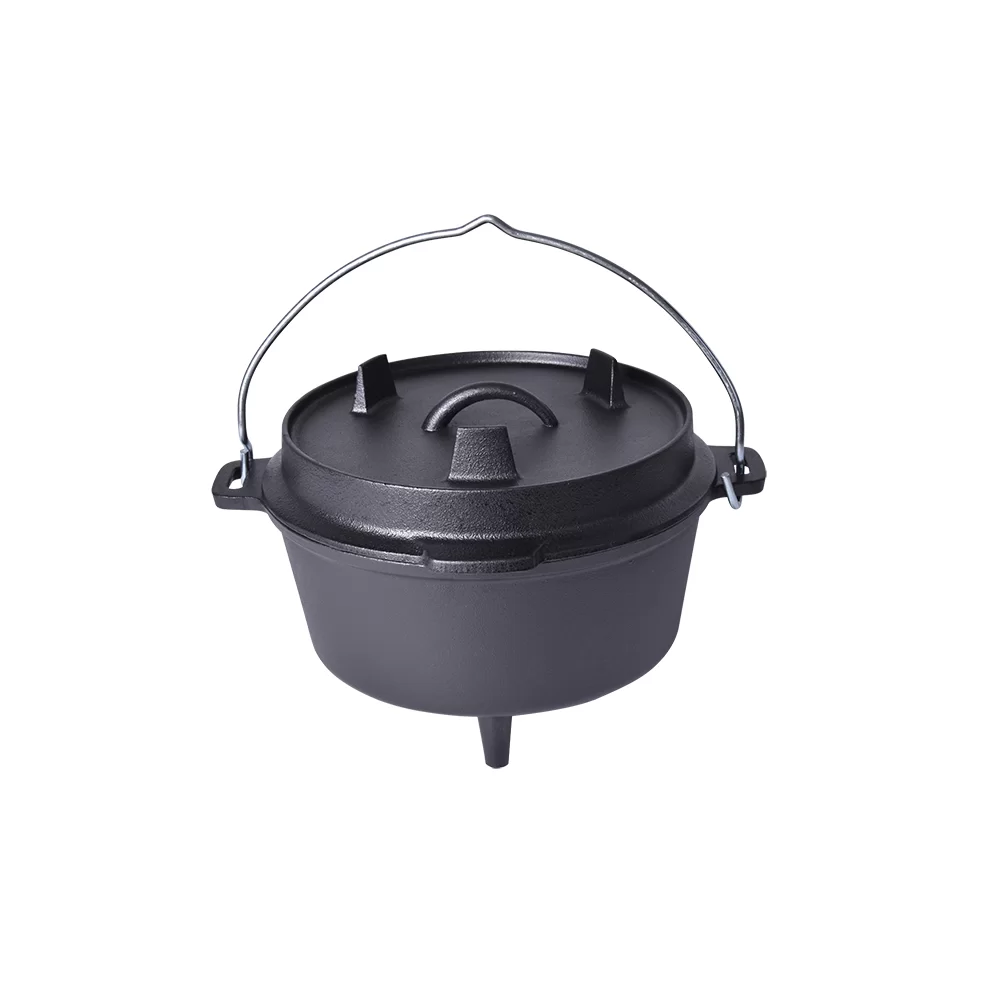
What Is a French Bread Cast Iron Pan? Essential Guide to Durable, Authentic Bakeware
French Bread Cast Iron Pan: Timeless Cookware with Global Appeal
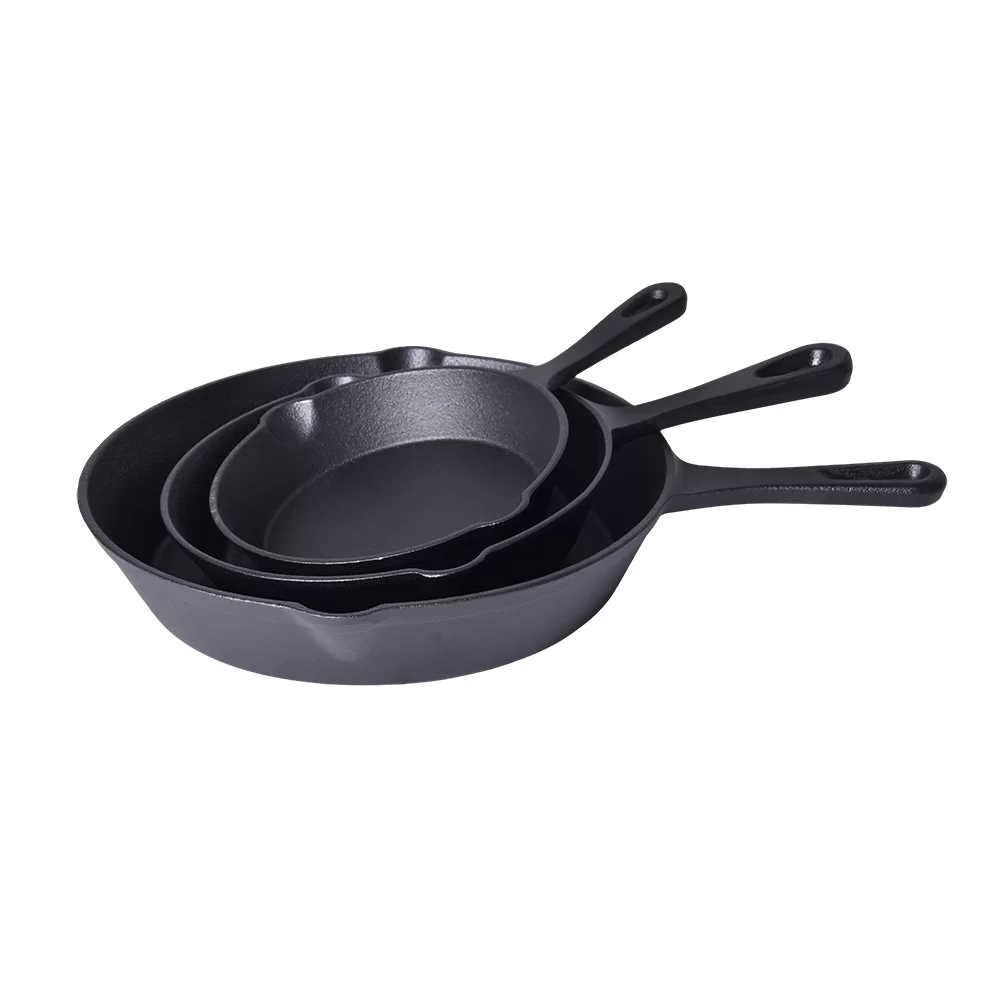
When you hear "french bread cast iron pan," you might picture a rustic kitchen scene — crusty loaves baking to golden perfection in a heavy, robust pan passed down through generations. But beyond the cozy imagery, this chunk of kitchen gear is a surprisingly global player in culinary arts and professional baking industries alike. Throughout the world, cast iron baking pans bring unique benefits: durability, heat retention, and an ability to elevate home-baked breads and artisanal breads to new heights.
Why does a humble cast iron pan matter globally? According to Wikipedia’s entry on cast iron, cast iron cookware has been used for centuries due to its heat distribution and longevity. Global baking communities rely on such equipment for consistent bread production — a staple feeding millions daily, linking culinary traditions and industrial baking alike. This pan type also ties into sustainability conversations, given its lifespan surpasses most modern cookware, reducing waste and resource consumption.
Definition & Meaning of French Bread Cast Iron Pan
Simply put, a french bread cast iron pan is a heavy-duty baking pan specifically shaped and designed to bake traditional French baguettes and similar bread types. Its long, narrow form mimics the slender profile of classic French bread.
In industrial and humanitarian baking applications, such pans allow efficient bread production that withstands high heat and repeated use — essential where large quantities must be produced affordably and reliably. This connection touches on food security efforts globally, where equipment like this supports consistent, quality bread production for communities.
Key Features Powering French Bread Cast Iron Pans
1. Durability and Longevity
Cast iron is, frankly, near indestructible if cared for correctly. The pans last decades, sometimes generations. This durability ensures fewer replacements, cutting costs and waste.
2. Superior Heat Retention
Cast iron heats evenly and holds heat well, ensuring the bread’s crust develops beautifully with that iconic crispness — essential for authentic French bread.
3. Non-Stick Convenience
Though it needs seasoning, a well-cared-for cast iron pan provides a naturally non-stick surface, minimizing the need for extra oils or liners.
4. Scalability for Artisans and Industry
From home bakers to commercial bakeries, these pans scale well — multiple pans can be stacked in industrial ovens, ensuring efficient workflows.
5. Cost Efficiency
Despite a higher upfront cost than cheap aluminum pans, their longevity and baking performance offer a better return on investment over time.
French Bread Cast Iron Pan Specifications
| Feature | Specification |
|---|---|
| Material | Cast Iron (Pre-seasoned or Raw) |
| Dimensions | Typically 16" L x 4" W x 1.5" H |
| Weight | Around 5 to 7 lbs |
| Oven Safe Temperature | Up to 500 °F (260 °C) |
| Seasoning Requirement | Recommended for non-stick surface |
Global Applications & Use Cases
French bread cast iron pans are cherished worldwide — from French boulangeries to artisanal bakeries in North America, Asia, and Australia.
- Commercial Bakeries: Large-scale bakeries depend on durable cast iron pans to produce hundreds of baguettes daily, ensuring consistent crust and bake quality.
- Artisan & Home Baking: Home chefs and small artisans prize these pans for authentic results and heirloom durability.
- Humanitarian Aid: Oddly enough, in refugee camps or disaster relief kitchens where reliable equipment is scarce, cast iron pans enable resilient baking that supports food provision efforts.
- Cooking Schools & Workshops: Training the next generation of bakers often involves hands-on work with these quintessential tools.
Mini takeaway: Their universal appeal combines tradition with durability, catering from home cooks to humanitarian kitchens alike.
Advantages & Long-Term Value
The advantages of such cast iron pans are multifaceted. Practically, they reduce energy waste — retaining heat so breads bake evenly even when ovens fluctuate. Their natural-material makeup appeals to those seeking non-toxic, sustainable cookware.
Socially and emotionally, a french bread cast iron pan connects bakers to centuries of culture and tradition, conveying a sense of pride and authenticity. It fosters trust — bakers aren’t second-guessing quality or durability, which is important in commercial environments.
Vendor Comparison: Leading French Bread Cast Iron Pan Suppliers
| Supplier | Material Quality | Price Range | Seasoning | Warranty |
|---|---|---|---|---|
| Kingway Cookwares | Premium Grey Cast Iron | $35–$50 | Pre-seasoned | 2 years |
| Lodge Cast Iron | Heavy Duty Cast Iron | $30–$45 | Pre-seasoned | Limited Lifetime |
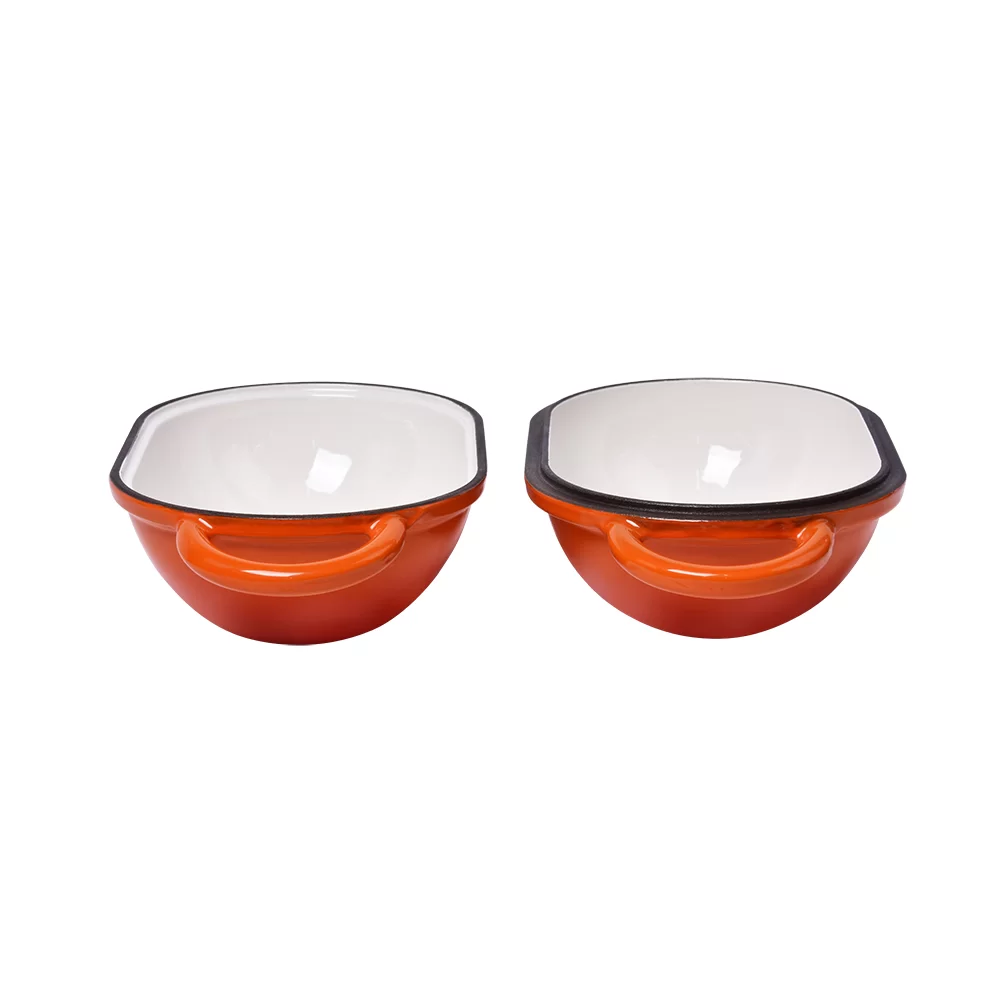
| Victorinox | Cast Iron with Enamel Coating | $60–$80 | Enamel-coated, no seasoning needed | 5 years |
Future Trends & Innovations
Interestingly, the future of french bread cast iron pans is not just about the pan itself but what surrounds it. For instance, some manufacturers experiment with eco-friendly coating technologies to reduce seasoning upkeep. Others focus on manufacturing methods that lower carbon footprints in cast iron production—an important factor as the world strives to meet environmental targets set by organizations like the UNFCCC.
Digitally enabled ovens adjusting baking profiles based on the pan’s thermal properties hint at an intriguing fusion of traditional cooking and automation. So, while the pan feels very “old school," the ecosystem around it is evolving.
Challenges & Solutions
Of course, cast iron isn’t without its quirks: the weight can be intimidating, seasoning requires care, and not everyone loves the maintenance. Rust can be a concern if neglected, and uneven handling may damage the seasoning layer. However, many bakers solve this with proper seasoning guides, simple cleaning routines (no soap, dry promptly), and storing in dry environments.
Some vendors now offer pre-seasoned pans and enamel-coated versions to reduce upkeep. It’s frankly a great compromise between tradition and convenience.
FAQ: Common Questions About French Bread Cast Iron Pans
- Q1: How should I maintain my french bread cast iron pan?
- A: Avoid using soap; instead, rinse with hot water and a stiff brush. Dry immediately and apply a thin layer of vegetable oil afterward to prevent rust and maintain the seasoning.
- Q2: Can I use a french bread cast iron pan on an induction cooktop?
- A: Yes, cast iron is fully compatible with induction cooktops due to its magnetic properties, but note you may want to lift rather than slide the pan to protect both pan and cooktop surfaces.
- Q3: Is cast iron better than aluminum for baking bread?
- A: Cast iron retains and distributes heat more evenly than aluminum, producing a superior crust and consistent bake, which is key for artisan and French bread baking.
- Q4: Are enamel-coated cast iron pans worth it?
- A: Enamel coats reduce maintenance by eliminating seasoning needs and offer easy cleaning, though they’re usually pricier and slightly less heat-retentive.
Conclusion
There’s something undeniably satisfying about baking French bread in a cast iron pan — it’s craftsmanship meeting technology, tradition blending with innovation. The french bread cast iron pan not only represents quality baking but holds a place across kitchens worldwide, from everyday homes to humanitarian food programs.
If you’re interested in trying one yourself or upgrading your bakeware, check out the fantastic range available at Kingway Cookwares. Investing in this timeless tool truly offers long-term value, performance, and a touch of history.
Happy baking!
References:
1. Wikipedia - Cast Iron
2. UN Climate Change
3. International Organization for Standardization (ISO)