Cornbread Stick Cast Iron Cookware: Durability, Tradition & Sustainable Cooking
Cornbread Stick Cast Iron: A Classic Cookware Essential with Modern Global Appeal
When talking about cornbread stick cast iron cookware, you’re diving into something that’s been around for centuries yet remains incredibly relevant in today’s kitchens worldwide. This humble yet durable casting offers more than nostalgia—it carries cultural significance, practical benefits, and an environmental edge that makes it a fascinating topic for both culinary enthusiasts and sustainable product advocates.
Globally, cookware trends lean heavily on durable, long-lasting materials, and cast iron fits perfectly into that bill. In fact, according to various sustainability reports (including ISO 14000 standards), cast iron’s longevity and natural non-stick properties contribute to less kitchen waste and energy consumption. But what exactly makes the cornbread stick cast iron pan such a standout? Let’s explore this further.
Understanding the Cornbread Stick Cast Iron
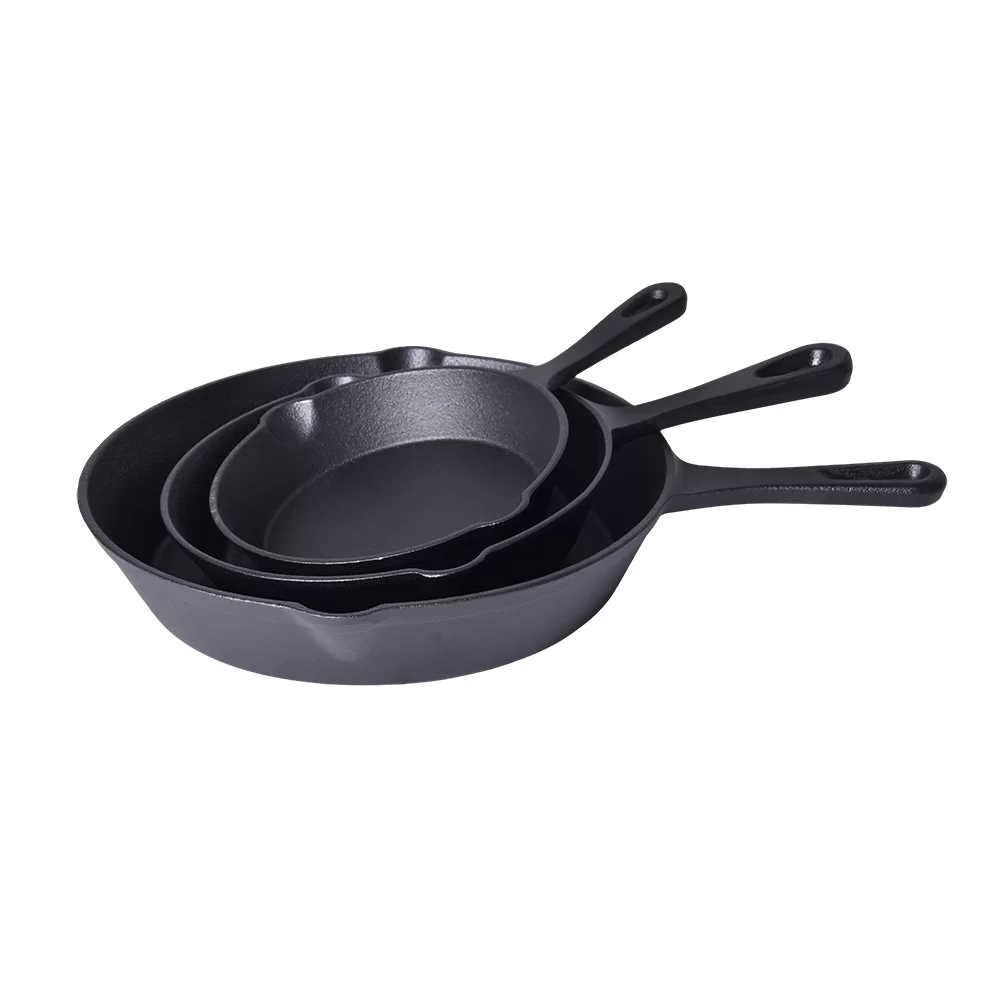
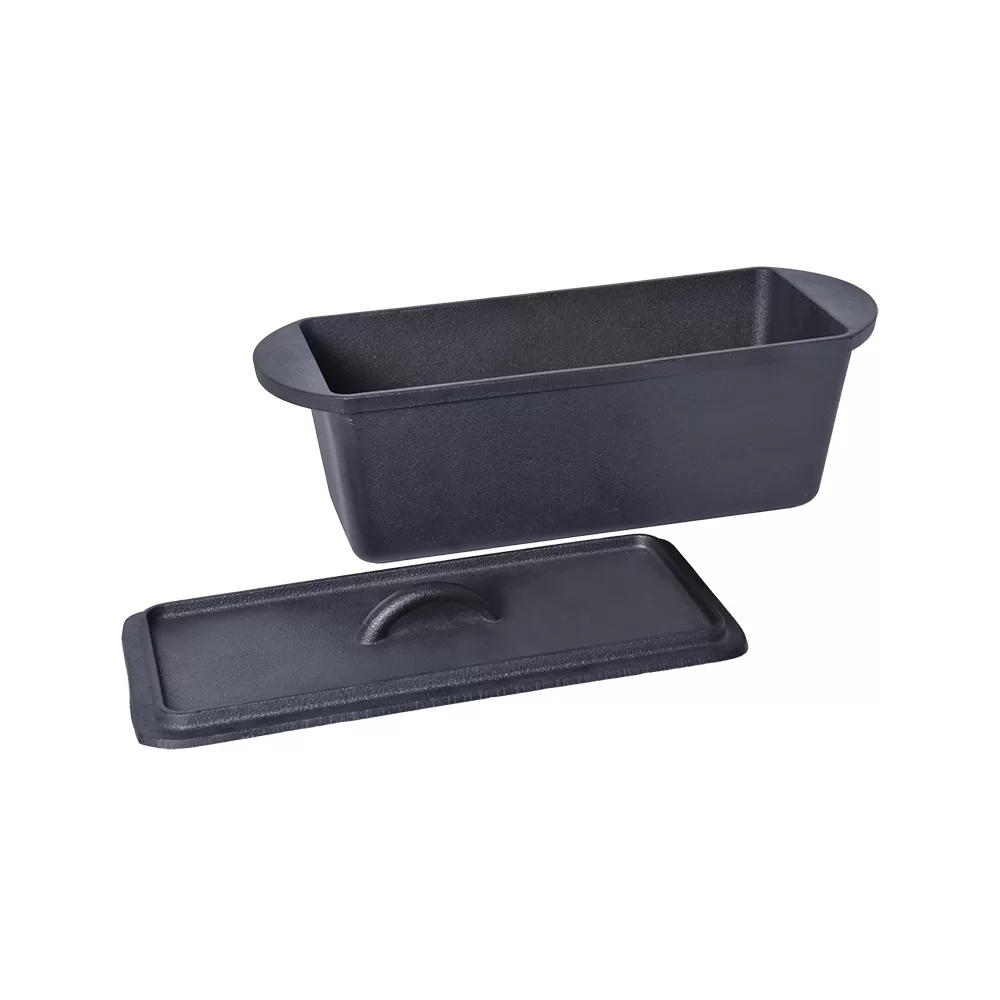
Simply put, a cornbread stick cast iron pan is a specialized cast iron skillet designed with multiple narrow compartments that shape batter into finger-sized cornbread sticks. It’s a niche form of cast iron bakeware but highly prized especially in Southern U.S. cooking traditions.
While cast iron cookware itself is a staple in both home kitchens and professional settings, this shape bridges culinary heritage with practicality. It allows even baking and crisp edges, which traditional pans might struggle with. Moreover, cast iron as a material connects with modern industry needs—its heat retention and durability make it valuable even beyond cooking, such as in emergency food provision contexts or in remote kitchens where replacement is difficult.
Key Features of Cornbread Stick Cast Iron Cookware
Durability
One of the biggest selling points of any cast iron item is obviously its strength. Cornbread stick cast iron pans can last decades, even centuries if properly cared for. This durability reduces the need for frequent replacement, making it economically and environmentally smart.
Heat Retention and Distribution
Cast iron holds heat evenly, crucial for baking evenly browned, crisp cornbread sticks. This property also means less energy consumption, as once heated, the pan maintains temperature for a long time.
Seasoning and Non-Stick Quality
The natural seasoning developed over time makes the pan increasingly non-stick without synthetic coatings, beneficial for health-conscious cooks and sustainability enthusiasts alike.
Portability and Versatility
Compact enough to fit into most ovens and even over campfires, these pans are surprisingly versatile—used for various recipes besides cornbread, including fudge or mini quiches.
Cost Efficiency
Though the initial investment is a bit higher than aluminum or silicone alternatives, the long service life balances the cost, especially in industrial or communal kitchens.
Product Specification Table
| Feature | Specification |
|---|---|
| Material | Seasoned Cast Iron |
| Dimensions | 12.25" x 7" x 1.5" |
| Capacity | 8 cornbread sticks |
| Weight | 3.5 lbs |
| Oven Safe | Up to 500°F |
| Care | Hand wash, re-season periodically |
Global Use Cases & Applications
Interestingly, while cornbread stick cast iron pans remain a Southern U.S. culinary icon, they’re increasingly appreciated worldwide — in artisan food markets, camping cultures, and even disaster relief kitchens.
For example, in rural communities across North America and beyond, the pan’s ruggedness suits long-term, low-maintenance cooking. Humanitarian organizations also value cast iron’s reliability during extended relief missions where equipment must withstand rough handling.
In Europe and Asia, cast iron cookware is a growing trend among home cooks embracing traditional and sustainable cooking tools. This unique pan shape brings an added flair to bread and snack preparation.
Vendor Comparison Table
| Vendor | Material Quality | Price Range | Pre-seasoned | Customer Ratings |
|---|---|---|---|---|
| Kingway Cookwares | Premium cast iron | $30 - $40 | Yes | 4.8/5 |
| Traditional Cast Iron Co. | Standard grade cast iron | $25 - $35 | No | 4.3/5 |
| Heritage Kitchenware | Hand-poured cast iron | $40 - $50 | Yes | 4.7/5 |
Why Choose Cornbread Stick Cast Iron? Advantages & Long-Term Value
- Cost-Effectiveness: Buy once, use decades. You save money over disposable or flimsy alternatives.
- Sustainability: Cast iron pans produce less waste and use less packaging compared to non-durable materials.
- Health Benefits: No chemical non-stick coatings means healthier cooking.
- Reliability: The pan performs well in variable cooking environments—even outdoors or in community kitchens.
- Emotional Connection: The crackling sizzle and even browning invoke feelings of tradition and comfort.
Future Outlook: Innovations Around Cornbread Stick Cast Iron
Looking ahead, innovation is happening around responsibly sourced iron and eco-friendly manufacturing. Some newer products integrate induction-friendly bases or lighter alloys for improved portability without sacrificing durability. Digital tools for monitoring seasoning or temperature are also emerging. The push toward greener, lasting kitchenware means that simple products like cornbread stick cast iron pans are getting smarter and more conscious about environmental footprint.
Overcoming Challenges With Cornbread Stick Cast Iron
Of course, cast iron isn’t without quirks—weight can be a concern, and seasoning requires some care to maintain. Newcomers sometimes find them intimidating compared to non-stick pans. This is where education and community support make a difference, plus some manufacturers adding pre-seasoning and easier cleaning guidelines.
There are also innovations tackling rust prevention and lighter casting techniques, which help extend accessibility to more users globally.
FAQs About Cornbread Stick Cast Iron
- Q: How do I maintain my cornbread stick cast iron pan?
A: Regular seasoning with oil after cleaning helps build a strong non-stick surface and protects against rust. Avoid soaking and use gentle scrubbing methods. - Q: Can I cook other recipes besides cornbread sticks in this pan?
A: Absolutely! Try mini muffins, brownies, or even baked eggs. The compartments make it versatile beyond traditional cornbread. - Q: Is cast iron suitable for induction cooktops?
A: Yes, cast iron is fully compatible with induction, though the pan’s weight requires care when handling. - Q: What makes cornbread stick cast iron more sustainable than other bakeware?
A: Its incredibly long lifespan reduces replacement frequency and waste. Plus, it uses no synthetic chemicals in its cooking surface.
In Conclusion
In real terms, a cornbread stick cast iron pan is more than just specialized bakeware; it’s a bridge between culinary heritage, sustainable practice, and modern utility. Its durability, versatility, and environmental benefits make it a wise choice for anyone looking to cook with purpose and pride. If you want to explore this timeless cookware further or get a quality product, do visit our website.
Oddly enough, there’s something deeply satisfying about the simple ritual of baking cornbread sticks in cast iron — a connection to history, craft, and taste that few other pans quite provide.
References