Corn Cornbread Pan – The Essential Guide to Choosing and Using the Best Cornbread Cookware
Corn Cornbread Pan: Essential Kitchenware with a Global Flavor
At first glance, a corn cornbread pan might seem like a small, niche kitchen utensil — just a mold for baking cornbread, right? But, oddly enough, this humble cookware piece carries more significance than you might expect. From Southern kitchens in the United States to artisan bakers worldwide, understanding the right cornbread pan touches on aspects of culinary tradition, material science, and even sustainable manufacturing.
Globally, the demand for quality kitchenware that merges tradition with modern convenience is growing. According to the World Bank, the global cookware market size was valued at over $20 billion in recent years, expanding steadily with rising home cooking trends, especially in regions that prize baking as a cultural staple (1). Enter the corn cornbread pan. Properly engineered, it makes a real difference in texture, heat conduction, and aesthetic — factors fundamental to authentic recipes and commercial baking alike.
What Exactly Is a Corn Cornbread Pan?
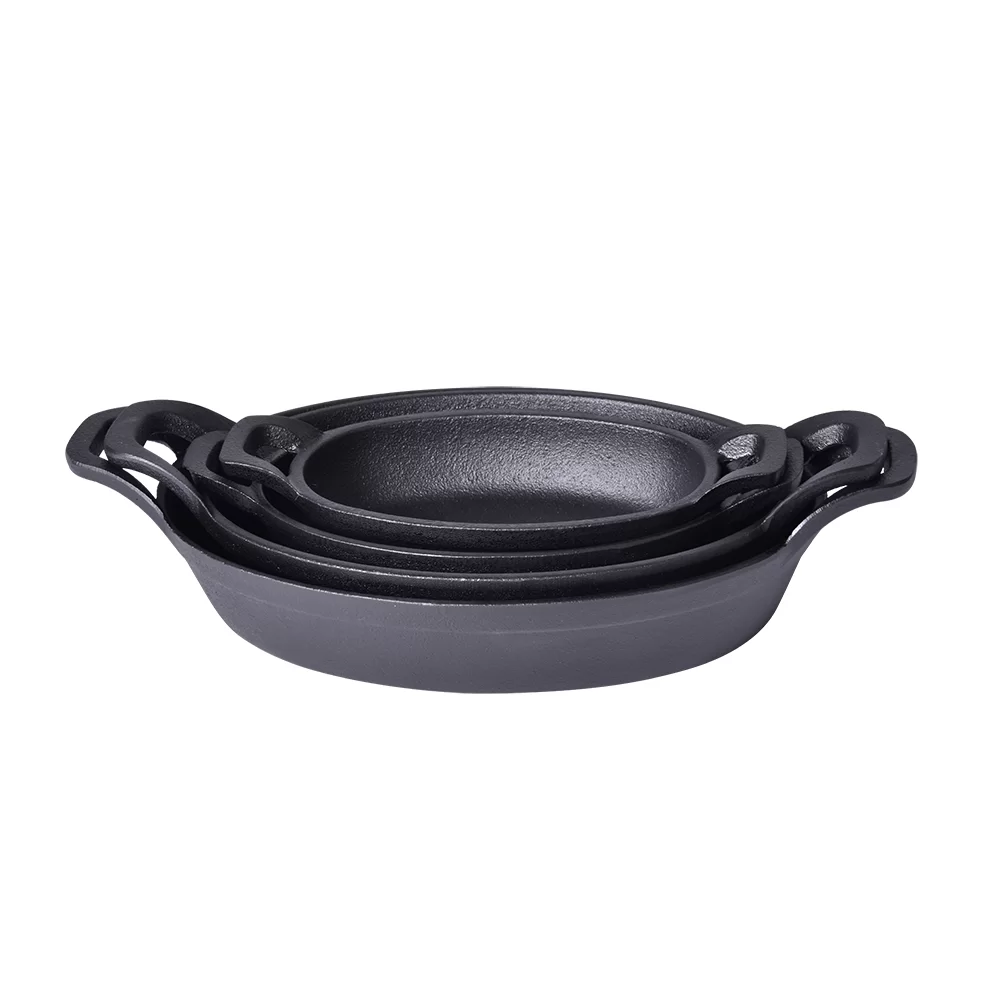
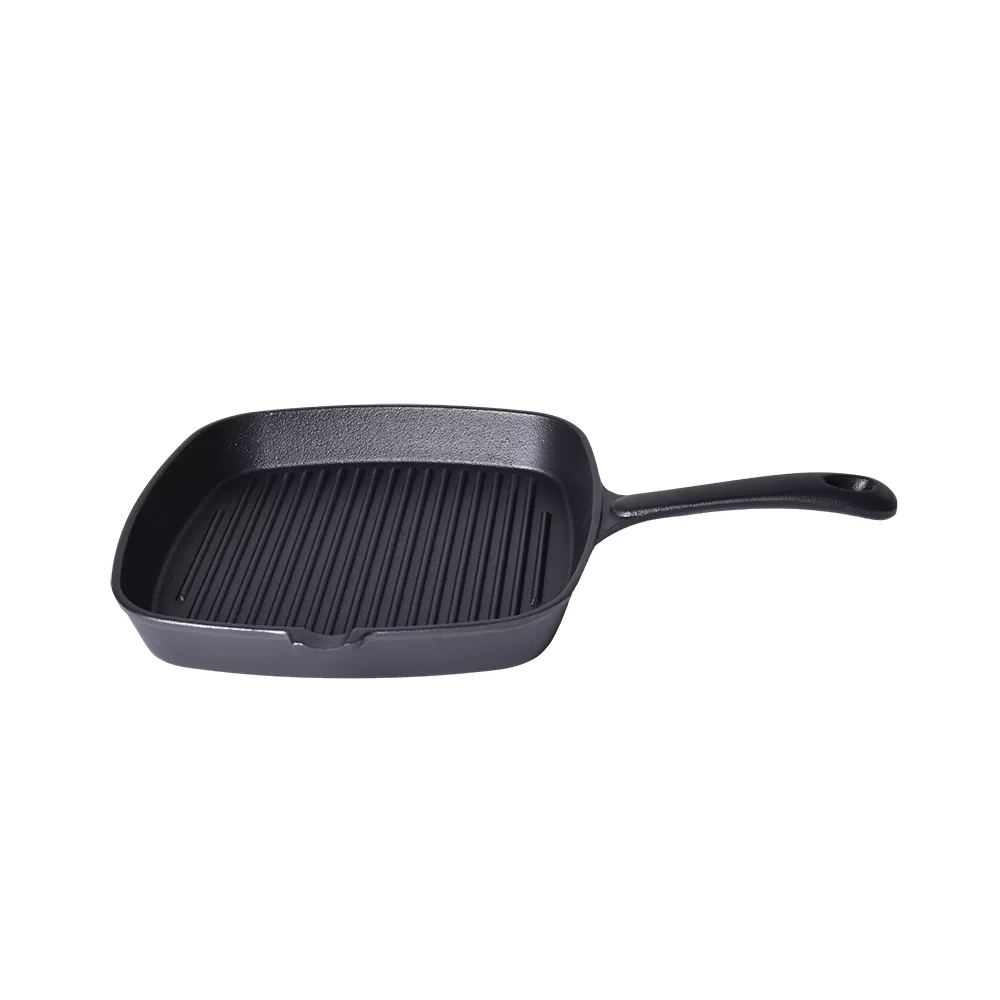
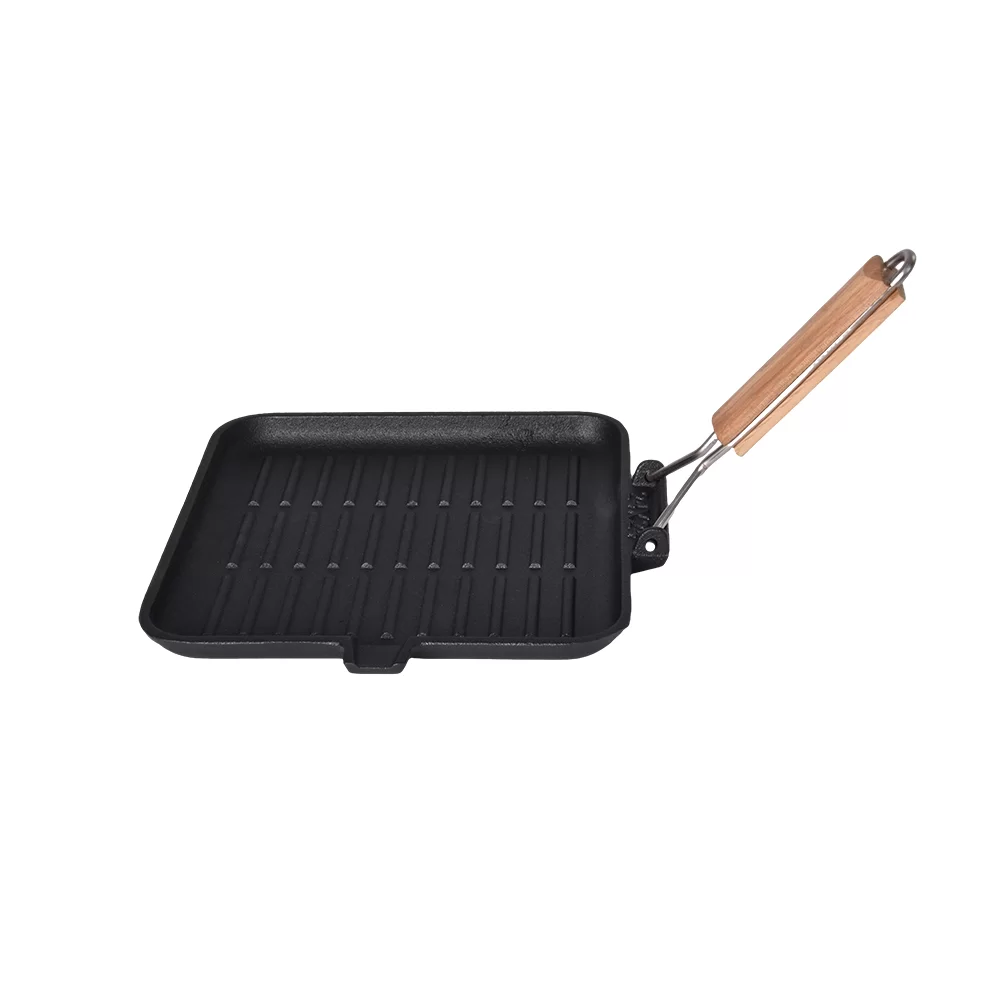
A corn cornbread pan is typically a cast iron or metal baking pan designed specifically for cornbread — that golden, crumbly, slightly sweet bread that has roots tracing back to Native American and Southern U.S. cuisine. The pans often come in multi-cup molds or a single slab form, featuring ribbed or smooth interiors to influence crust development and browning.
More than just a cooking accessory, it links tradition to the modern kitchen, often showcasing craftsmanship or innovation in material coatings and heat distribution technologies.
Core Features of Corn Cornbread Pans
1. Durability
Cast iron pans rank high here. Their longevity, often spanning generations, means they aren’t just disposable items. They gain seasoning— a natural non-stick layer— with use, improving baking quality over time.
2. Heat Retention and Distribution
How evenly the pan heats affects cornbread crumb and crust. Cast iron and carbon steel pans excel, offering consistent heat, while aluminum models may be lighter but less even.
3. Size and Capacity Options
Pans come in varied shapes— muffin-style multi-cup trays popular for portion control, large slab pans ideal for family servings, and even novelty shapes for festive occasions.
4. Maintenance
Non-stick coatings ease cleaning but may wear over time. Traditional pans require seasoning but reward patience with superior taste results.
5. Cost Efficiency
Prices range widely. A simple aluminum pan might cost less than $15, while premium cast iron pans exceed $50. However, the latter’s lifetime utility often justifies the initial outlay.
Product Specifications at a Glance
| Feature | Cast Iron Model | Aluminum Model | Non-stick Steel Model |
|---|---|---|---|
| Material | Cast Iron | Aluminum | Steel with Non-stick Coating |
| Weight | 4.8 lbs | 2.3 lbs | 3.5 lbs |
| Dimensions | 9 x 13 inches | 9 x 13 inches | 9 x 13 inches |
| Price Range | $40–$60 | $12–$20 | $25–$35 |
| Maintenance | Season regularly | Machine washable | Hand wash only |
Where in the World Are Corn Cornbread Pans Most Valued?
While traditionally linked to American Southern cuisine, these pans have found fans worldwide. In countries like Mexico, South Africa, and parts of the UK, artisan bread makers experiment with cornbread recipes, adopting these pans for their unique baking characteristics. Oddly enough, humanitarian food programs in some regions also use such cookware to improve local baking efficiency, as cornbread is an affordable staple.
Restaurants and bakeries focus on pans with quick heat distribution to keep up with demand, while home cooks often prefer the classic cast iron feel and the subtle crust it produces.
Vendor Comparison: Which Corn Cornbread Pan Fits Your Needs?
| Vendor | Price | Material | Notable Feature | Typical Use |
|---|---|---|---|---|
| Lodge Cast Iron | $50 | Cast Iron | Pre-seasoned, durable | Home & Pro kitchens |
| Nordic Ware | $18 | Aluminum | Lightweight, affordable | Casual home use |
| Utopia Kitchen | $28 | Non-stick Steel | Easy clean, dishwasher safe | Busy kitchens, beginners |
Why Invest in a Corn Cornbread Pan?
- Cost-Effectiveness: Cast iron pans, though pricier early on, can last decades, saving money over time.
- Sustainability: Durable cookware reduces waste and supports more sustainable household habits.
- Culinary Quality: Proper pans promote authentic textures and flavors, preserving cultural recipes.
- Emotional Connection: For many, these pans carry family history, even heirloom status.
In real terms, a good cornbread pan is a small investment with long-lasting rewards in flavor and tradition.
Emerging Trends and Innovations in Corn Cornbread Pans
We’re witnessing fascinating advances: eco-friendly manufacturing processes, recycled materials, and smart coatings that resist wear without harmful chemicals. There’s also growing interest in digital temperature monitoring embedded in high-end cookware for precise baking — something that could one day appeal to serious bakers who swear by their cornbread recipes.
Challenges & Practical Tips for Buyers
Despite their advantages, some pans can be heavy or require time-consuming maintenance. Cast iron needs care or it rusts; non-stick coatings degrade over time. But with proper seasoning or gentle washing, these issues are manageable. Buyers should weigh their lifestyle and kitchen habits when choosing.
FAQ About Corn Cornbread Pan
- Q: What type of corn cornbread pan prevents sticking best?
- A: Pre-seasoned cast iron pans maintain a natural non-stick surface when properly maintained. Non-stick steel pans also perform well but may degrade with frequent use.
- Q: Can I use a corn cornbread pan on induction cooktops?
- A: Cast iron and steel pans generally work on induction surfaces, but aluminum pans do not unless they have a magnetic base.
- Q: How do I care for a cast iron cornbread pan to prevent rust?
- A: After washing, dry immediately and apply a thin oil coating. Avoid soaking and dishwasher use.
- Q: Are there environmentally friendly corn cornbread pans available?
- A: Yes, some brands focus on sustainable materials and eco-friendly manufacturing processes. Look for certifications or recycled metal content.
- Q: Where can I find unique or artisanal corn cornbread pans?
- A: Specialty cookware vendors and artisans on platforms like Etsy offer handcrafted pans. You might explore corn cornbread pan collections online for variety.
Conclusion: Bringing Tradition and Innovation to Your Kitchen
In sum, a corn cornbread pan embodies much more than its simple function. It’s a bridge between culinary history and modern cooking demands, a tool that shapes the very texture and taste of a beloved staple. Whether you’re a casual home baker or a professional chef, investing in the right pan offers sustained value — flavorful results, emotional resonance, and practical longevity.
If you’re interested in exploring quality options or upgrading your kitchenware, check out the selection at corn cornbread pan. It’s an easy step toward baking better bread, preserving tradition, and enjoying every mouthful.
At the end of the day, it feels like owning a good cornbread pan is less about the tool, more about the shared experience — something we all need more of.
Mini takeaway: Choosing the right cornbread pan optimizes your baking and connects you to a rich culinary tradition, while embracing durability and sustainability.