Essential Guide to Cast Iron Covered Loaf Pans – Durability & Global Uses
Cast Iron Covered Loaf Pan: More Than Just Bakeware
You might think a cast iron covered loaf pan is just another kitchen gadget, but it’s surprisingly vital in global cooking, food preservation, and even cultural heritage around the world. This simple cookware piece offers durability, even heat distribution, and a kind of timeless charm that has kept it relevant across generations and continents.
Why does this matter globally? Because when you understand the benefits of a cast iron covered loaf pan, you’re really stepping into a world where tradition meets practicality — and where cooking becomes less of a chore and more of a shared experience. In humanitarian or low-resource settings, its versatility can even mean the difference between nourishment and waste.
Global Relevance of Cast Iron Covered Loaf Pans
In the global cookware market—which, according to recent ISO reports, is steadily growing due to rising home cooking trends and a return to “slow food” culture—the cast iron covered loaf pan holds an interesting niche. It’s not just a restaurant pro’s tool; many households across Europe, Asia, and North America rely on this pan for everything from baking artisan breads to slow roasting meats.
Oddly enough, the cast iron pan’s ability to retain heat and moisture efficiently addresses a key cooking challenge worldwide: consistent cooking, even with limited energy sources. That makes it particularly welcome in regions where power supply is erratic or fuel is expensive.
What Exactly Is a Cast Iron Covered Loaf Pan?
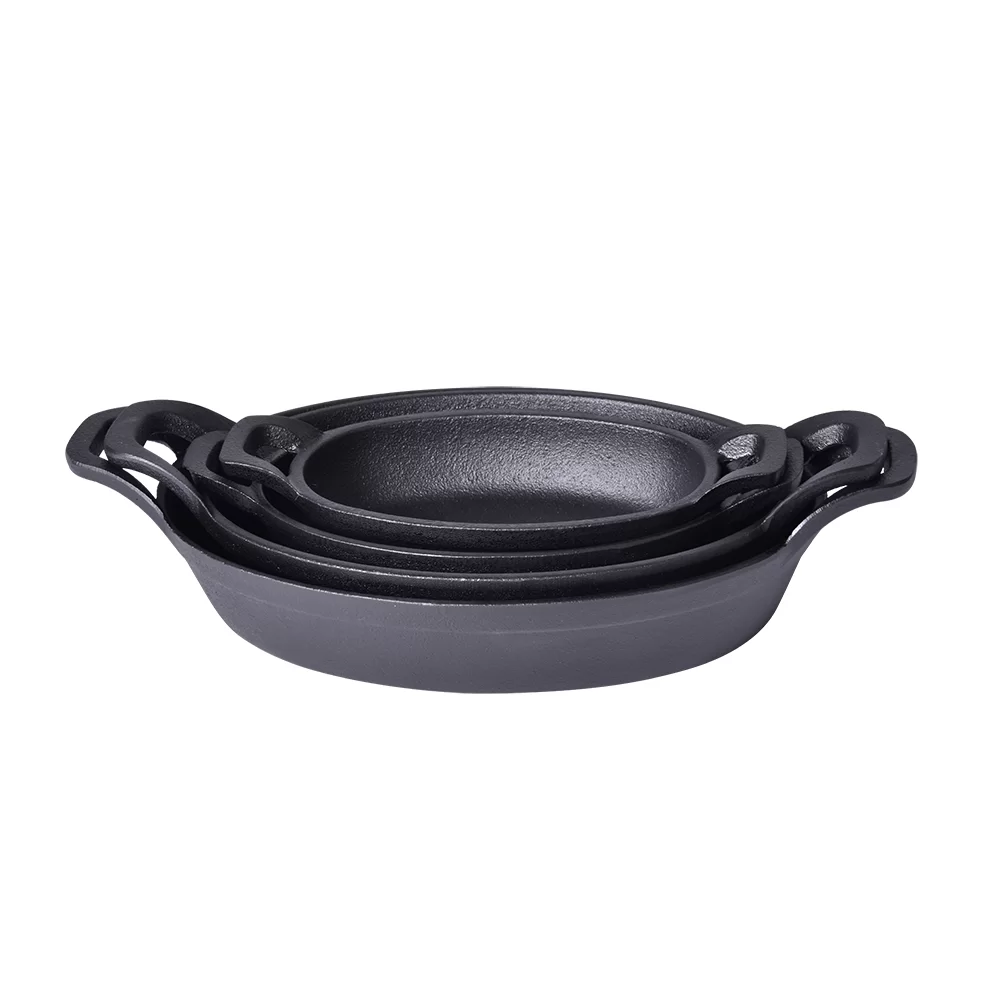
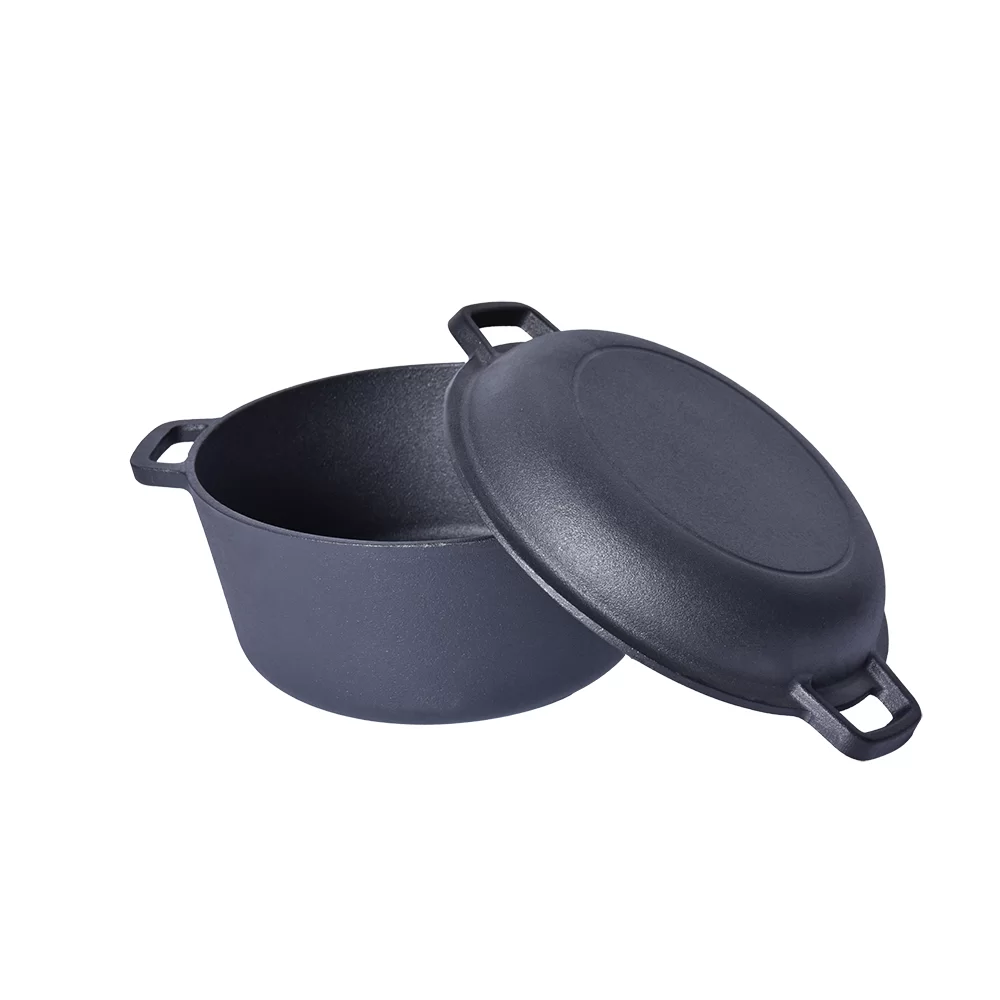
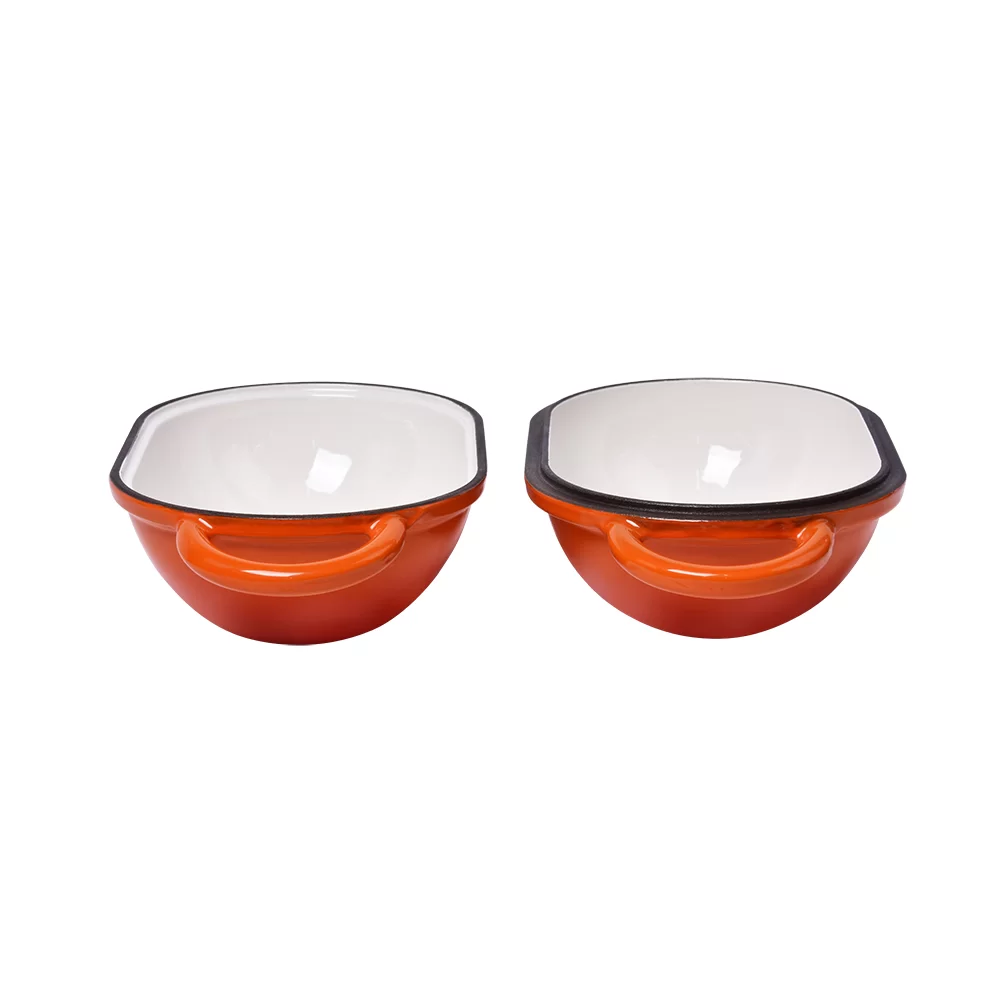
Put simply, a cast iron covered loaf pan is a deep, rectangular pan made of cast iron, complete with a matching lid. The cast iron material delivers unmatched heat retention and even cooking, while the lid traps moisture to keep loaves tender and crusty at the same time.
While commonly used for bread, this pan is surprisingly multipurpose—think meatloaf, casseroles, or even steamed puddings. From a humanitarian perspective, cookware like this helps communities bake nutrient-rich food more efficiently, important in areas relying on limited cooking apparatus.
Key Features That Define This Bakeware
Durability — Built to Last
Cast iron cookware is legendary for its longstanding durability. Many people inherit their pans for decades, some even centuries. That’s partly why the covered loaf pan is considered an investment, not a disposable item.
Superior Heat Retention & Distribution
The greatest feature is how it holds heat. This means less fuel usage when cooking, a huge plus in areas with high energy prices or unreliable sources. That also means better baking results—no surprises like burnt edges or undercooked centers.
Moisture Retention with Its Lid
The cover traps steam, keeping bread soft inside while crisping the crust outside. It essentially duplicates the effect of a professional steam oven, but at home or in small bakeries.
Versatility in Use
You’re not limited to bread. From pot-roasts to desserts, this pan can handle it all. It doubles as a small Dutch oven, which some cooks rave about.
Cost Effectiveness
While an upfront cost might be higher than regular pans, the lifespan and performance often save money long-term—an important consideration for budget-conscious kitchens worldwide.
Where in the World Is This Pan Making Waves?
Interesting story: in rural East Africa, NGOs have started promoting cast iron covered loaf pans in refugee camps to boost local baking initiatives, using fewer fuels and producing better food quality. In Europe, the tradition of bake-at-home loaves uses these pans for artisan-style breads that compete with shop-bought goods.
From remote industrial outposts in Canada heating meals to small-town bakeries in France, the pan finds utility and appreciation. It holds a special place in both survival kitchens and gourmet settings, crossing socio-economic boundaries.
Mini takeaway:
- Globally, these pans improve cooking efficiency, sustainability, and food quality.
- Their rugged design suits contexts where energy and equipment resources are limited or costly.
Advantages That Keep Them in Demand
- Economic Savings: Less frequent replacement means cost savings.
- Sustainability: Cast iron’s longevity aligns with eco-conscious consumer trends.
- Social Impact: Enables better nutrition in disadvantaged communities.
- Reliability: Consistent baking results build confidence in novice cooks.
- Emotional Connection: Using heirloom-quality pans can feel like preserving family legacy.
Cast Iron Covered Loaf Pan Product Specifications
| Specification | Details |
|---|---|
| Material | Cast Iron (pre-seasoned or bare) |
| Dimensions | 12" L x 5" W x 3.5" H (typical size) |
| Weight | 4.5 to 5.5 lbs |
| Lid Type | Snug-fitting, cast iron lid |
| Heat Source Compatibility | Oven, stovetop, campfire, induction |
| Care Instructions | Hand wash recommended; avoid soap; season regularly |
Comparing Leading Vendors of Cast Iron Covered Loaf Pans
| Vendor | Price Range | Material Quality | Unique Selling Points |
|---|---|---|---|
| Kingway Cookwares | $45–$60 | High-quality cast iron; pre-seasoned | Ergonomic lid handle; excellent heat retention |
| Heritage Ironware | $40–$55 | Traditional cast iron, bare | Classic design; very durable but requires seasoning |
| EcoBake Products | $50–$70 | Recycled iron blend; pre-seasoned | Eco-friendly; slightly lighter pan |
What’s Next? Future Trends & Innovations
The cast iron covered loaf pan isn’t exactly the high-tech gadget we expect from the future, but innovation happens quietly—and usefully. The trend towards green manufacturing includes recycled cast iron and low-emission seasoning processes. Digitally smart cookware, though rare for cast iron, is being experimented with for temperature logging and optimizing energy use.
Another interesting angle is the integration with sustainable cooking methods, like solar ovens and biomass stoves, which complement the pan’s energy-efficient heat retention traits.
Overcoming Challenges
Of course, cast iron covered loaf pans aren’t perfect. Their weight can be intimidating for some, washing and seasoning require care, and reactive surfaces can cause issues with acidic foods. But expert cooks and manufacturers suggest solutions like improved ergonomics, advanced seasoning coatings, and educational outreach on care and use.
FAQ: Common Questions About Cast Iron Covered Loaf Pans
- Can I use a cast iron covered loaf pan on the stovetop?
Yes! One of the cast iron’s best traits is versatility. You can simmer, roast, and bake – even cook over an open flame. - How do I prevent my cast iron loaf pan from rusting?
Regular seasoning with oil, proper drying after washing, and avoiding harsh soaps will keep rust at bay. - Is pre-seasoned cast iron better than bare?
For beginners, pre-seasoned pans are more convenient out-of-the-box. Bare cast iron, though, offers a customizable seasoning if you prefer. - What size loaf pan is best for home baking?
A typical 12-inch length pan is versatile enough for most recipes, but small batch bakers might prefer smaller sizes. - Can these pans be recycled or repaired?
Yes. Cast iron can often be restored by re-seasoning, and even broken pieces may be recycled professionally.
Final Thoughts
In real terms, a cast iron covered loaf pan is a beautiful balance of tradition, efficiency, and practicality. It suits households, industries, and even humanitarian efforts worldwide. If you cherish quality cookware that lasts generations, it’s worth considering one for your kitchen. Besides, there’s something oddly comforting about baking in cast iron—it connects us to kitchens past and present.
For those intrigued, exploring products at Kingway Cookwares could be a great first step into this classic culinary world.
References