
Comprehensive Guide to BBQ Accessories Factory: Innovation, Quality & Sustainability
Why a BBQ Accessories Factory Matters in Today’s Global Market
If you’ve ever found yourself fumbling with mismatched tools while trying to fire up the grill, you’re not alone. A well-equipped BBQ accessories factory doesn’t just churn out forks and tongs—it shapes the entire outdoor cooking experience globally. From backyard weekend barbecues to large-scale catering events, these factories produce the essential gear that makes grilling enjoyable, efficient, and safe.
Understanding how bbq accessories factories operate, the innovation they bring, and their manufacturing challenges helps both businesses and consumers appreciate the value behind every spatula and smoker box. Plus, in today's globalized world, the demand for quality grilling accessories is on the rise—fuelled by increasing outdoor leisure activities and evolving culinary trends worldwide.
In fact, according to the World Bank’s leisure and tourism reports, outdoor cooking equipment sales have seen consistent annual growth, roughly 4–6% globally over the past five years (1). The implications? A thriving industry with plenty of room for innovation and sustainable development.
What Exactly Is a BBQ Accessories Factory?
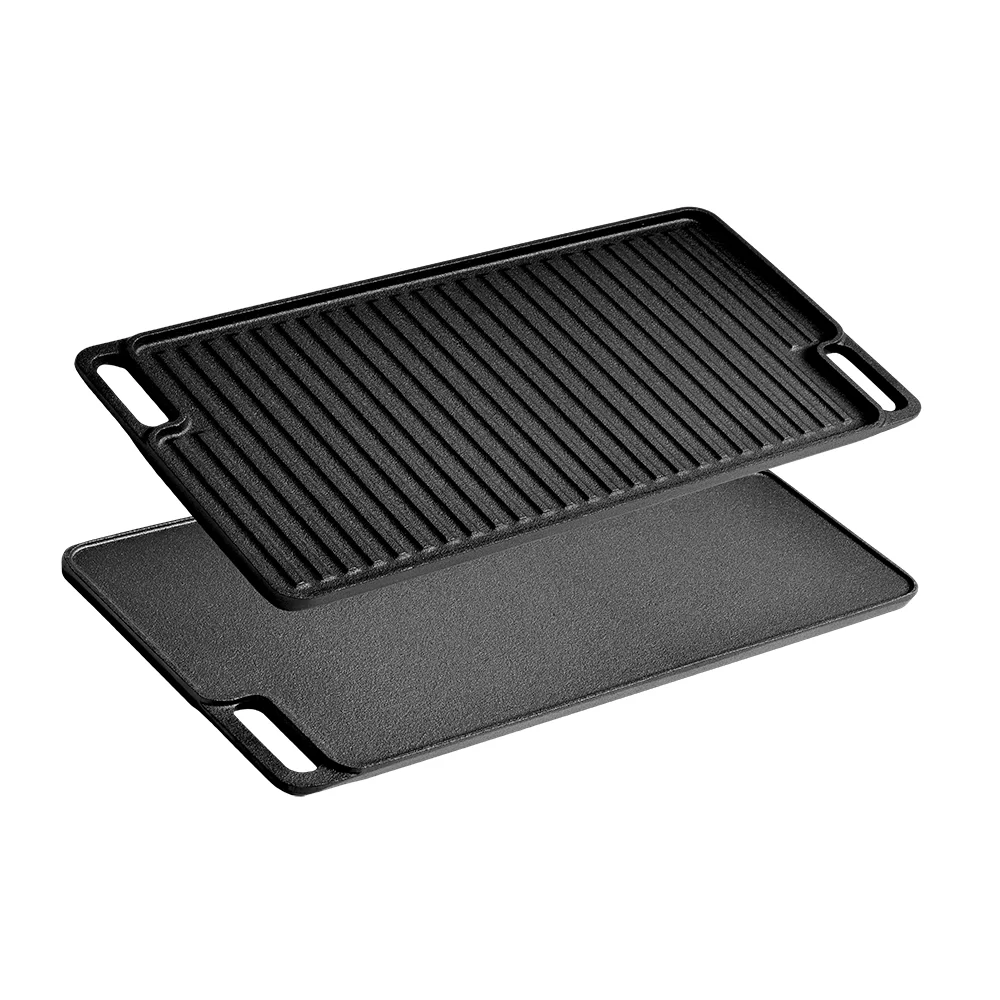
Simply put, a bbq accessories factory is a manufacturing facility specializing in producing various grilling tools and add-ons—anything from charcoal holders, grill brushes, to thermometers and meat claws. These factories combine metalworking, plastics molding, and sometimes even smart electronics to create products that meet precise safety and usability standards.
They form a critical part of modern supply chains in the culinary and leisure industries, connecting design innovation with practical consumer needs. Oddly enough, these factories have also recently tapped into humanitarian contexts, producing rugged, portable cooking tools for disaster relief operations or remote fieldwork, where traditional kitchen setups simply won’t work.
Core Components That Make BBQ Accessories Factories Tick
1. Material Selection and Durability
It’s not just about stainless steel anymore—manufacturers are increasingly incorporating heat-resistant silicone, bamboo handles for eco-friendliness, and even smart materials that monitor cooking temperatures. Durability remains king because grilling tools face heat, grease, and outdoor elements daily.
2. Scalability of Production
Whether it’s a small batch customized order or mass production for global retailers, scalability is vital. Modern factories use modular automation lines, allowing quick shifts from one product design to another without downtime. This flexibility helps meet fluctuating market demands effectively.
3. Cost Efficiency
Balancing quality with affordability is a tightrope walk. Factories optimize supply chains—often sourcing raw materials globally while leveraging automation to reduce labor costs. All aiming to deliver products that don’t break the bank but won’t snap under pressure.
4. Compliance and Safety Standards
All BBQ tools must meet strict ISO and ASTM standards to ensure user safety, food hygiene, and environmental regulations compliance. Factories regularly test their products for hazards like lead content or flammable materials, giving consumers peace of mind.
5. Innovation and Customization
Advanced processes like CNC machining and 3D printing enable rapid prototyping and bespoke designs. Many factories have R&D wings that work alongside culinary experts to bring out accessories tailored for niche markets—like smokers, portable grills, or even smart BBQ gadgets.
Mini Summary:
The magic behind a successful bbq accessories factory lies in marrying material science, scalable production, cost control, and safety—all while fostering innovation that keeps the industry fresh and competitive.
How BBQ Accessories Factories Serve the World
Look at regions like North America and Europe, enjoying their grilling culture year-round, or emerging markets in Southeast Asia where outdoor cooking is becoming popularized—factories serve these vastly different consumer needs.
In the industrial sector, companies operating remote oil rigs or mining sites depend on durable BBQ gear for worker welfare facilities. Meanwhile, NGOs and disaster relief agencies sometimes order specially designed, portable grill kits to provide warm meals in emergency shelters.
Oddly enough, some factories have even partnered with ecosystem restoration projects to provide sustainable bamboo-handled tools that minimize plastic waste—proving that BBQ accessories can play a subtle environmental role too.
Specification Table of Typical BBQ Accessories
| Item | Material | Dimensions | Heat Resistance | Special Features |
|---|---|---|---|---|
| Grill Tongs | Stainless Steel, Bamboo Handles | 45 cm length | Up to 250°C | Locking mechanism, ergonomic grip |
| Meat Thermometer | Stainless Steel probe, plastic casing | 15 cm probe | Up to 300°C | Digital readout, wireless options |
| Grill Brush | Steel bristles, Wooden handle | 30 cm length | Up to 230°C | Detachable head for cleaning |
Choosing the Right BBQ Accessories Factory: Vendor Comparison
| Vendor | Production Capacity | Innovation Focus | Sustainability Efforts | Global Reach |
|---|---|---|---|---|
| GrillPro Manufacturing | 1 million units/year | Smart BBQ tech (app integration) | Recycled materials, zero waste | North America, Europe |
| SunnyGrill Co. | 500,000 units/year | Custom designs & ergonomic tools | Bamboo handles, eco-packaging | Asia, Australia |
| KingWay Cookwares | 800,000 units/year | Durability & scalability-focused | ISO 14001 compliant, green energy | Global: Europe, US, Asia |
Advantages & Long-term Benefits of Quality BBQ Accessories Factories
The bottom line? A well-run bbq accessories factory enables more than just better grilling. It supports sustainability by reducing waste and promoting eco-friendly materials. It drives social value by creating jobs in manufacturing regions and empowering communities that supply raw materials.
From a consumer perspective, longevity and performance mean fewer replacements and safer cookouts. That peace of mind—knowing your tools won’t fail mid-flip—is underrated. Plus, innovative designs can reinvigorate the age-old pastime with smarter, easier-to-use accessories.
Looking Ahead: Innovation & Trends in the BBQ Accessories Sector
Expect to see greener materials, like biodegradable plastics and bamboo composites becoming the new norm. Digital tech is creeping in too—wireless thermometers, app-controlled smoke boxes, and even heat-sensitive handles are already real things that many manufacturers are experimenting with.
Automation will streamline production, helping factories respond to evolving trends quicker. And, ESG (Environmental, Social, and Governance) criteria will push factories to adopt cleaner, fairer manufacturing processes—an essential factor for global buyers now.
Challenges Faced by BBQ Accessories Factories & How They’re Tackling Them
One big hurdle is supply chain disruption—materials like stainless steel or silicone aren’t always easy to procure steadily, especially with recent global trade hiccups. Factories are exploring local sourcing or switching to alternative materials where feasible.
Another issue is balancing cost versus environmental responsibility. Green materials and processes often mean higher prices. However, a growing number of companies see this as an investment in brand reputation and long-term sustainability.
FAQ: Common Questions About BBQ Accessories Factory
- Q: How does automated production improve bbq accessory quality?
A: Automation reduces human error and inconsistency, enabling precision cuts, uniform finishes, and faster assembly lines. This leads to better durability and overall product reliability. - Q: Can bbq accessories be customized for niche markets?
A: Absolutely. Many factories offer custom engraving, size adjustments, and specialized materials (e.g., heat-resistant silicone) to suit specific user needs or branding requirements. - Q: Are eco-friendly materials commonly used in production?
A: Increasingly so. Bamboo, recycled metals, and biodegradable plastics are growing trends, especially as consumers demand green alternatives. - Q: How do factories ensure compliance with international safety standards?
A: Through rigorous testing, certification processes (ISO, ASTM), and ongoing quality audits, factories maintain compliance and protect end-users.
Conclusion
In real terms, bbq accessories factories aren't just about making spatulas and tongs—they're vital hubs of innovation, sustainability, and cultural connectivity. As global demand for quality grilling tools grows, these manufacturers play an essential role in feeding both appetites and economies.
If you’re looking to partner with a reliable bbq accessories factory that balances durability, eco-consciousness, and innovation, KingWay Cookwares is a solid choice. Visit our website today to explore our full product range and see how we can help elevate your outdoor cooking experience.
Takeaway:
Next time you flip a perfectly grilled steak with a sturdy tool, remember the story and science behind the BBQ accessories factory that made it possible. It’s more than manufacturing—it’s an evolving craft bridging culture, tech, and nature.
References: