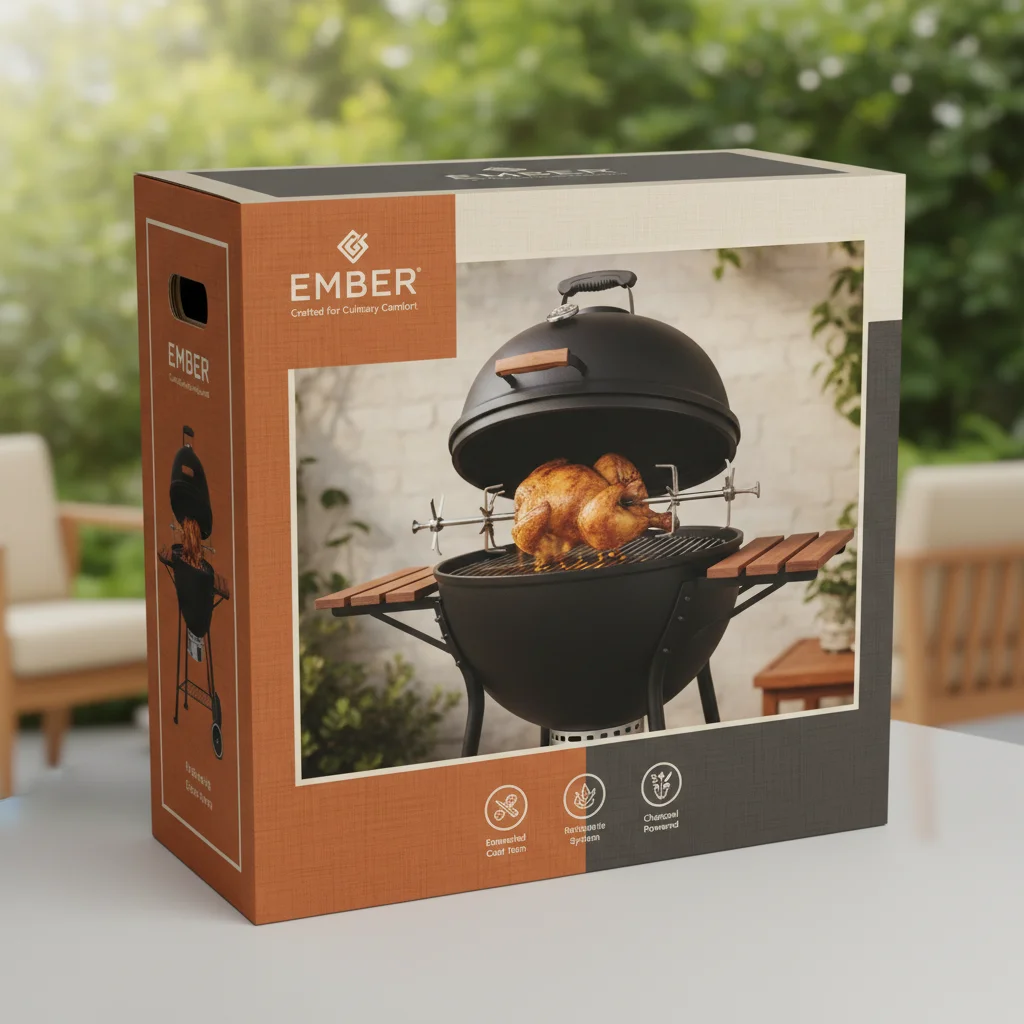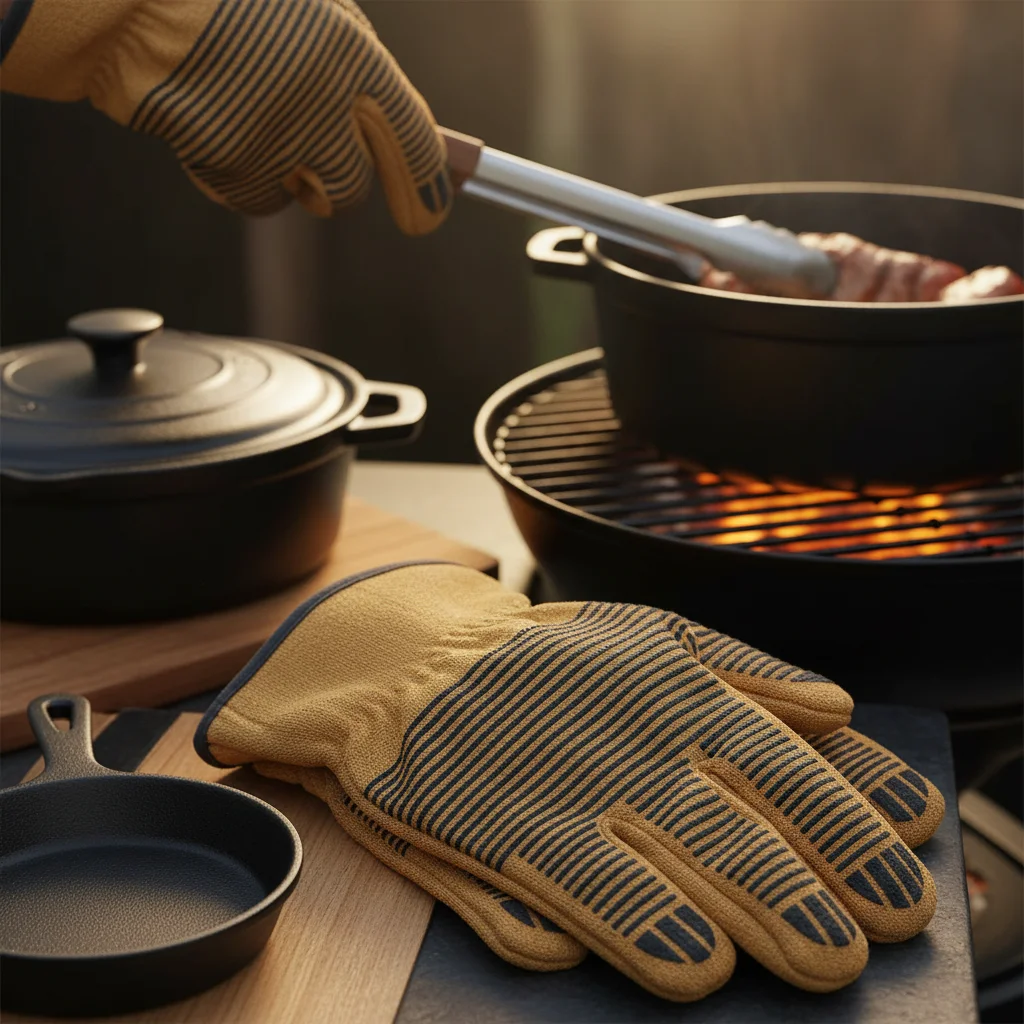

Honestly, things are moving fast in the outdoor bbq equipment world. Everyone’s chasing “smart” now – wifi-enabled grills, apps to monitor your brisket temperature… it’s a bit much, if you ask me. But you can’t ignore it. What I’ve been seeing a lot of lately is a demand for portability. Folks want setups they can easily throw in the back of the truck and take camping, tailgating, you name it. It's not just about the grill itself, either. It’s the whole ecosystem – the tables, the storage, even the lighting.
And the materials… that’s where things get interesting. Have you noticed how much stainless steel is being used? It looks good, but it can be a pain to work with. It gets hot, it shows fingerprints, and frankly, cheaper steels can be just as effective if you treat them right. I encountered this at a factory in Foshan last time, they were pushing a super high-grade stainless, and I asked the foreman, “Does the average Joe BBQ-er really need this?” He just shrugged.
It’s a surprisingly complex business, really. People think it’s just slapping some metal together, but there's a lot more to it than that. It's about heat distribution, weather resistance, ease of cleaning… and making sure it doesn’t fall apart after a few uses.
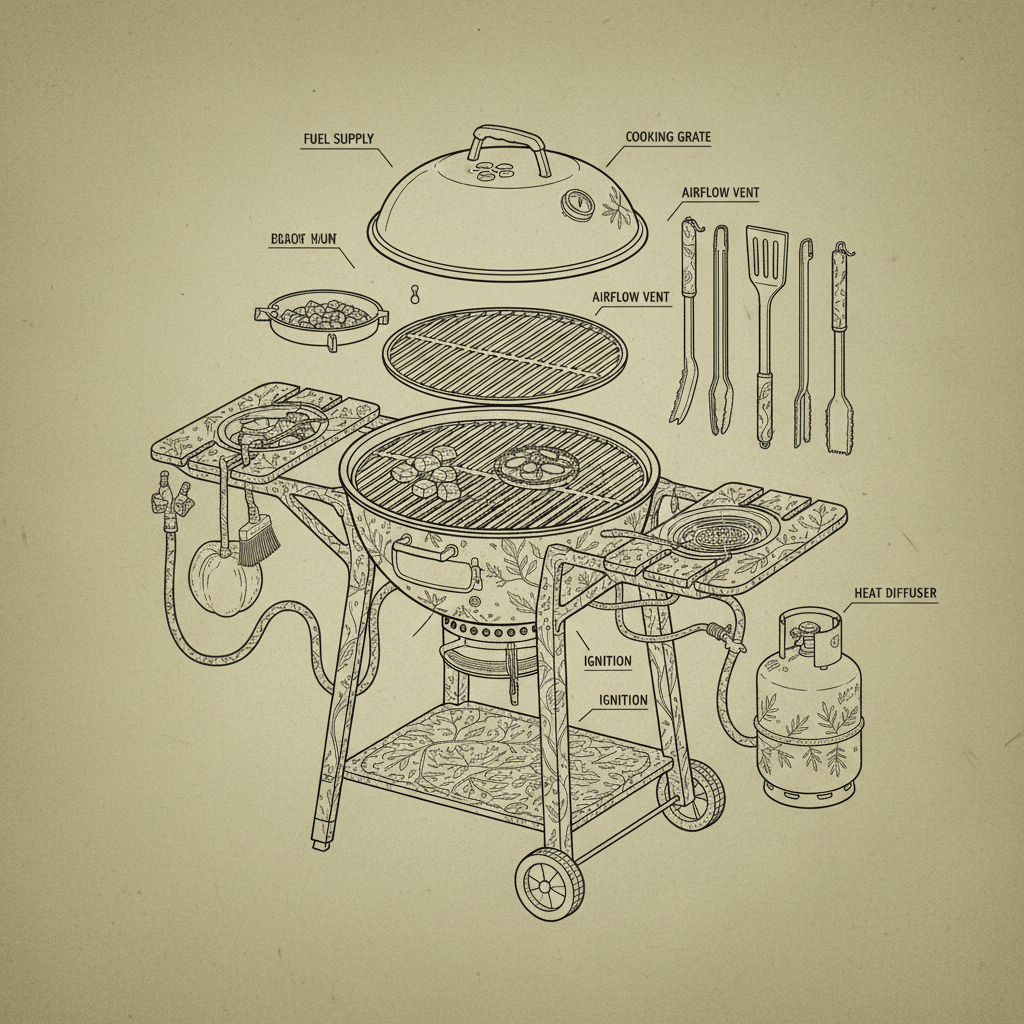
The Current Landscape of outdoor bbq equipment
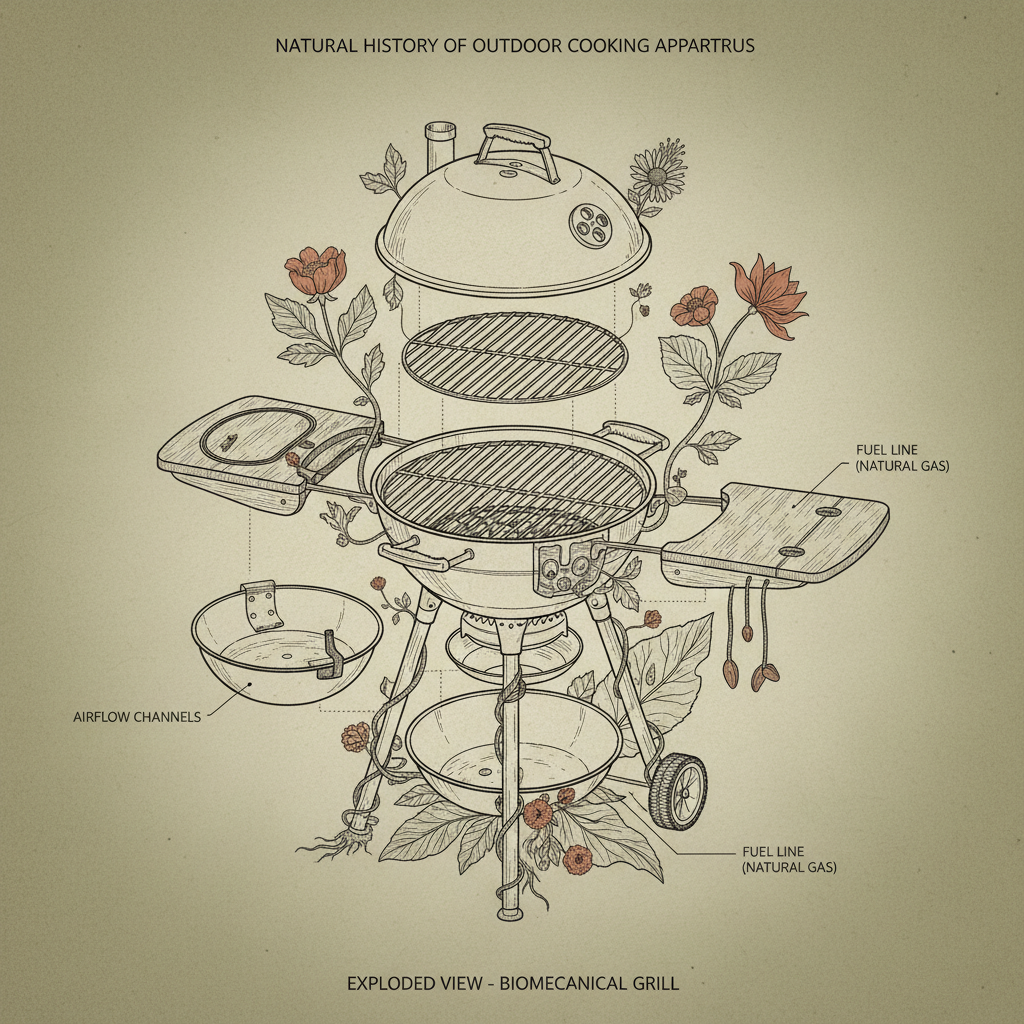
Strangely enough, wood-fired grills are making a comeback. People are getting tired of the propane uniformity and want that smoky flavor back. But even then, they want convenience. Pellet grills are hugely popular because they offer that wood-fired taste with digital temperature control. It’s a compromise, I guess. Anyway, I think the biggest shift is towards modularity. Folks want to be able to add components – side burners, smokers, rotisseries – as their BBQ skills (or ambitions) grow.
It's less about the one perfect grill, and more about building a system. And that system needs to be durable, obviously. You wouldn't believe the complaints we get about flimsy handles and wobbly legs. It’s always the little things.
FAQS
The biggest mistake is not applying thin enough coats of oil. You want to build up layers, not leave a sticky mess. People get impatient and try to do it all at once. It's a process, and it takes time. Also, not letting it cool completely between coats is a killer. You'll end up with a gummy, uneven surface that food will stick to. Honestly, just watch a few YouTube videos.
It's a bit of a marketing gimmick, to be honest. Higher BTU doesn’t necessarily mean a better grill. It's more about how effectively that heat is distributed. A well-designed grill with moderate BTU output will outperform a poorly designed grill with a ton of BTUs. Think about insulation, burner placement, and the overall construction. Don’t get hung up on the numbers.
Hot water, a good scraper, and a lot of elbow grease. That's the classic method. For really stubborn grease, a little bit of baking soda paste can help. Avoid harsh chemicals – they can damage the finish and leave a residue that will affect the flavor of your food. And always make sure the grill is completely cool before you start cleaning. Safety first!
Depends on what you're looking for. If you're a serious BBQ enthusiast who cooks frequently and demands the best performance, then yes, a higher-end grill can be worth the investment. But for the average weekend griller, a mid-range model will probably do the trick just fine. Don’t fall for the hype. Focus on quality construction, durability, and features that you’ll actually use.
Keep it clean and dry. That's the key. After each use, brush off any food residue and wipe down the surfaces. If you live in a humid climate, consider using a grill cover. And for cast iron grates, make sure they're properly seasoned and oiled. A little bit of preventative maintenance goes a long way.
Infrared burners heat up food directly, rather than relying on convection. Theoretically, this leads to more even cooking and better searing. In practice, the difference isn’t always that noticeable. They can be good for steaks and burgers, but they're not essential. It's another one of those features that’s often more about marketing than actual performance.
Conclusion
Ultimately, the world of outdoor bbq equipment is a constant balancing act between innovation and practicality. There’s a lot of shiny new tech out there, but the core principles remain the same: good materials, solid construction, and effective heat control. It's a messy business, and there are always unforeseen challenges, but it’s also incredibly rewarding when you see people enjoying a delicious meal cooked on something you helped create.
And remember, fancy features and high price tags don’t guarantee success. At the end of the day, whether this thing works or not, the worker will know the moment he tightens the screw. Check out our selection of outdoor bbq equipment and see what we have to offer.