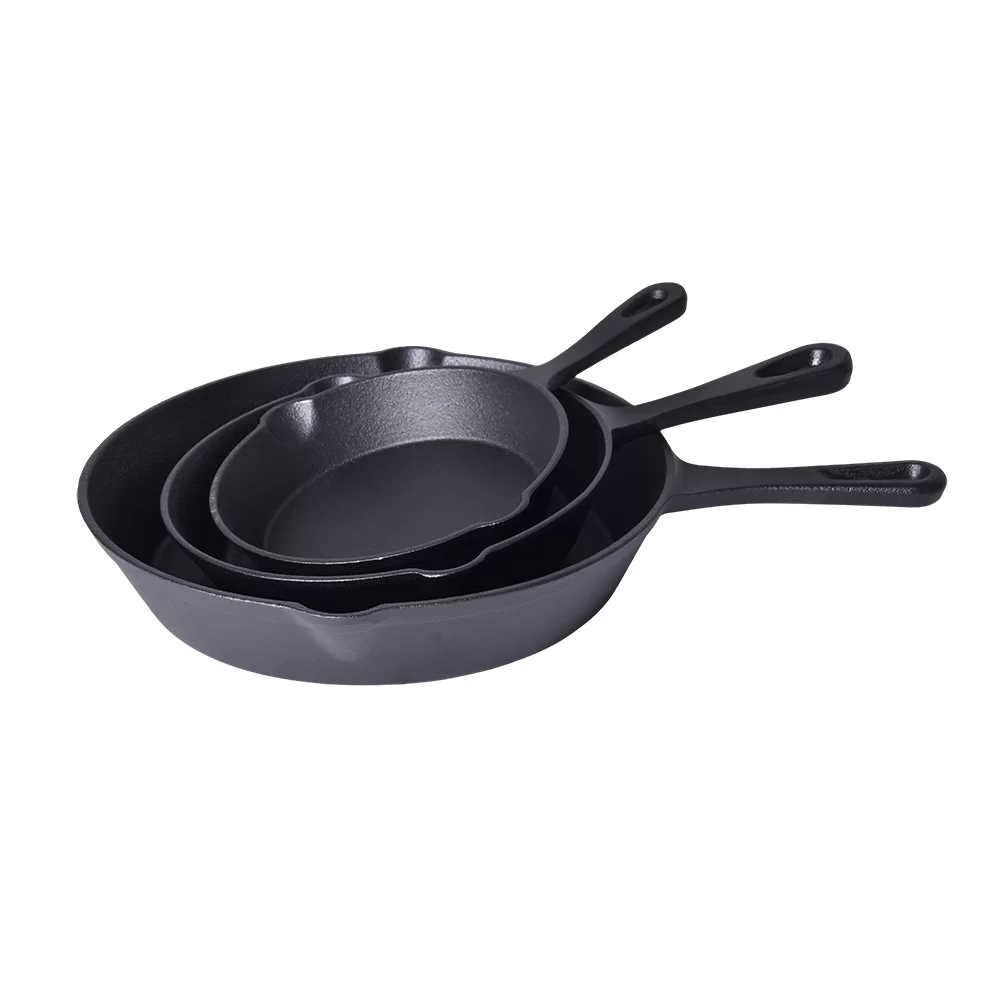
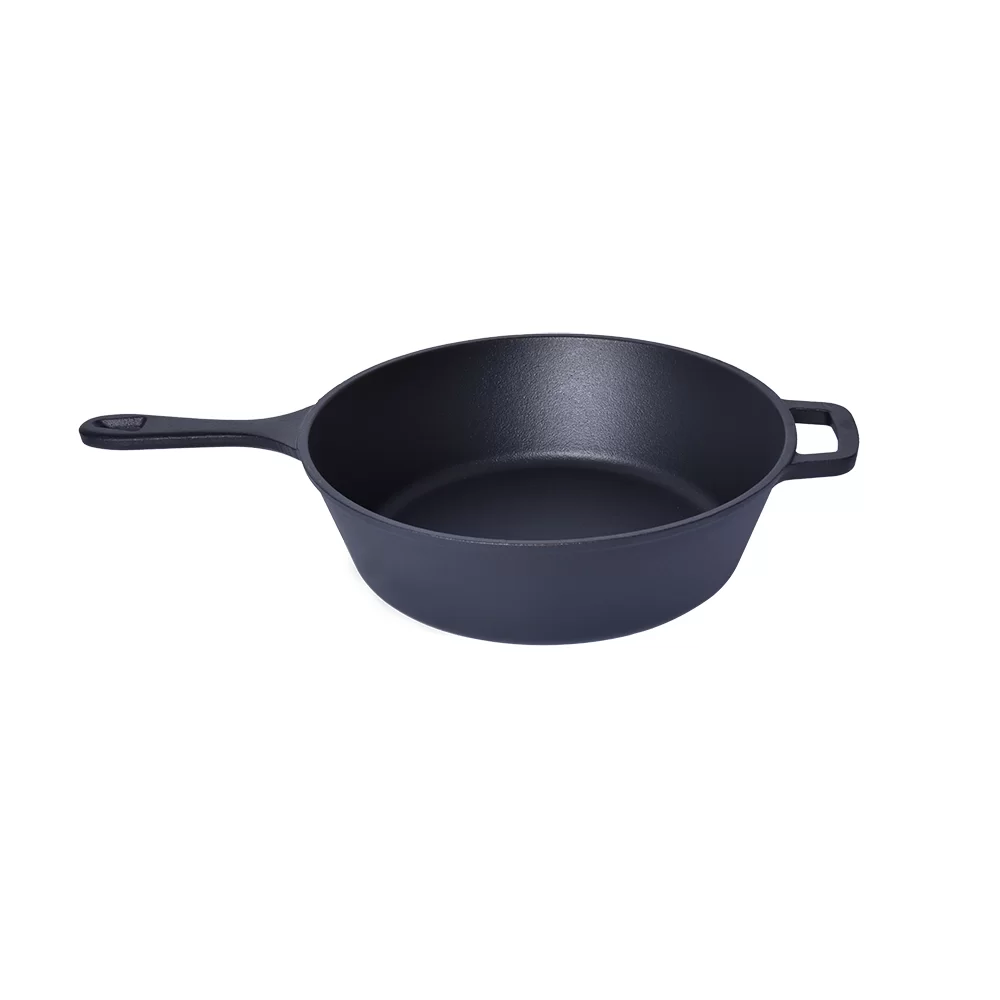
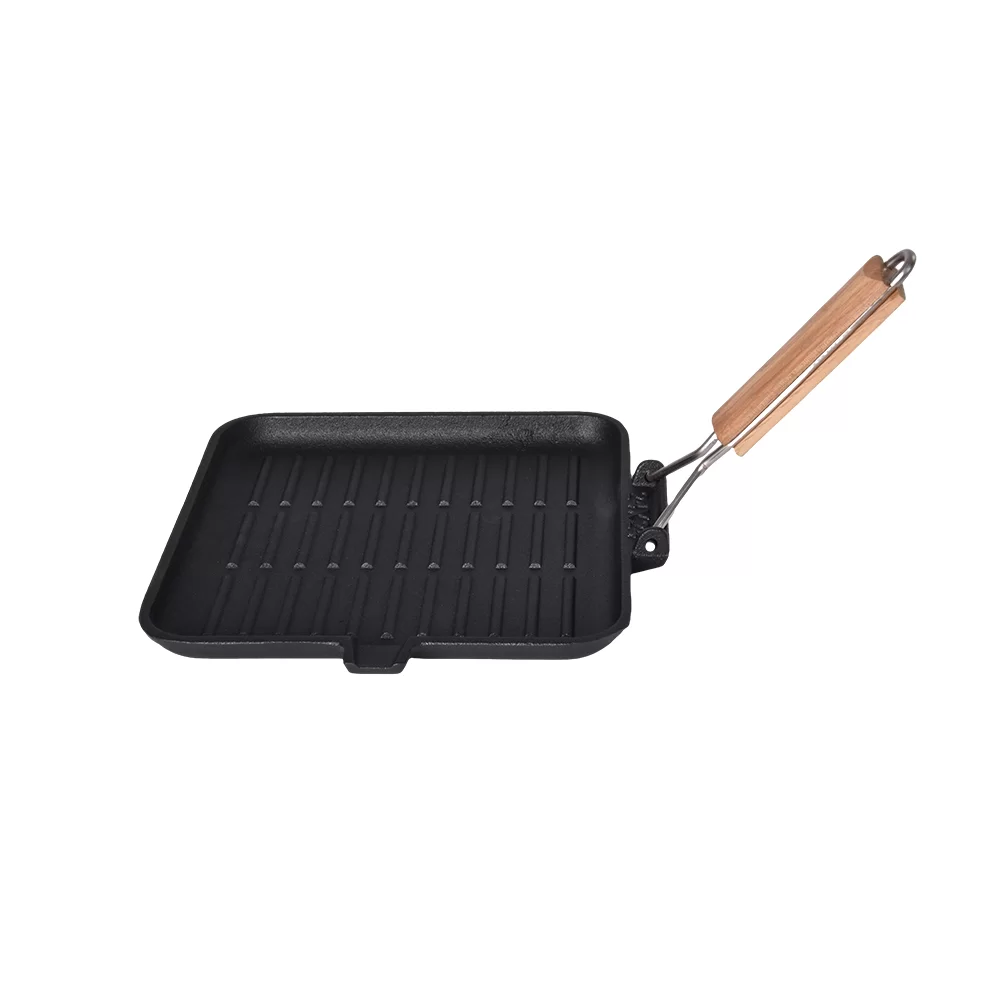
lbanner

Premium black enamel cookware Solutions for Germany

Engineered for precision, durability, and the sophisticated culinary standards of the German market.

Premium black enamel cookware Solutions for Germany

Integrating high-thermal retention cast iron with advanced vitreous enamel to meet the rigorous demands of German professional and home kitchens.

The Landscape of Cast Iron Cookware in Germany

Analyzing the intersection of traditional craftsmanship and modern efficiency in Europe's largest economy.

In Germany, the culinary culture is deeply rooted in a preference for longevity and precision. The market for cast iron has shifted from heavy, rustic tools to refined, high-performance gear. German consumers increasingly demand black enamel cookware that combines the traditional heat distribution of iron with the easy-maintenance properties of enamel, reflecting a broader trend toward sustainable, "buy-it-once" consumption.

The regional climate, characterized by cold winters and a strong outdoor grilling culture during the summer, creates a bifurcated demand. While indoor kitchens prioritize oven-to-table versatility, the rise of urban gardening and balcony culture in cities like Berlin and Munich has surged the demand for specialized custom bbq tools that can withstand extreme temperature fluctuations.

Furthermore, Germany's strict environmental regulations and the "Green Deal" influence manufacturing. There is a significant move toward PFOA-free coatings and energy-efficient casting processes, making the cast iron skillet with enamel exterior a favorite for those seeking a non-reactive surface that aligns with health-conscious European standards.
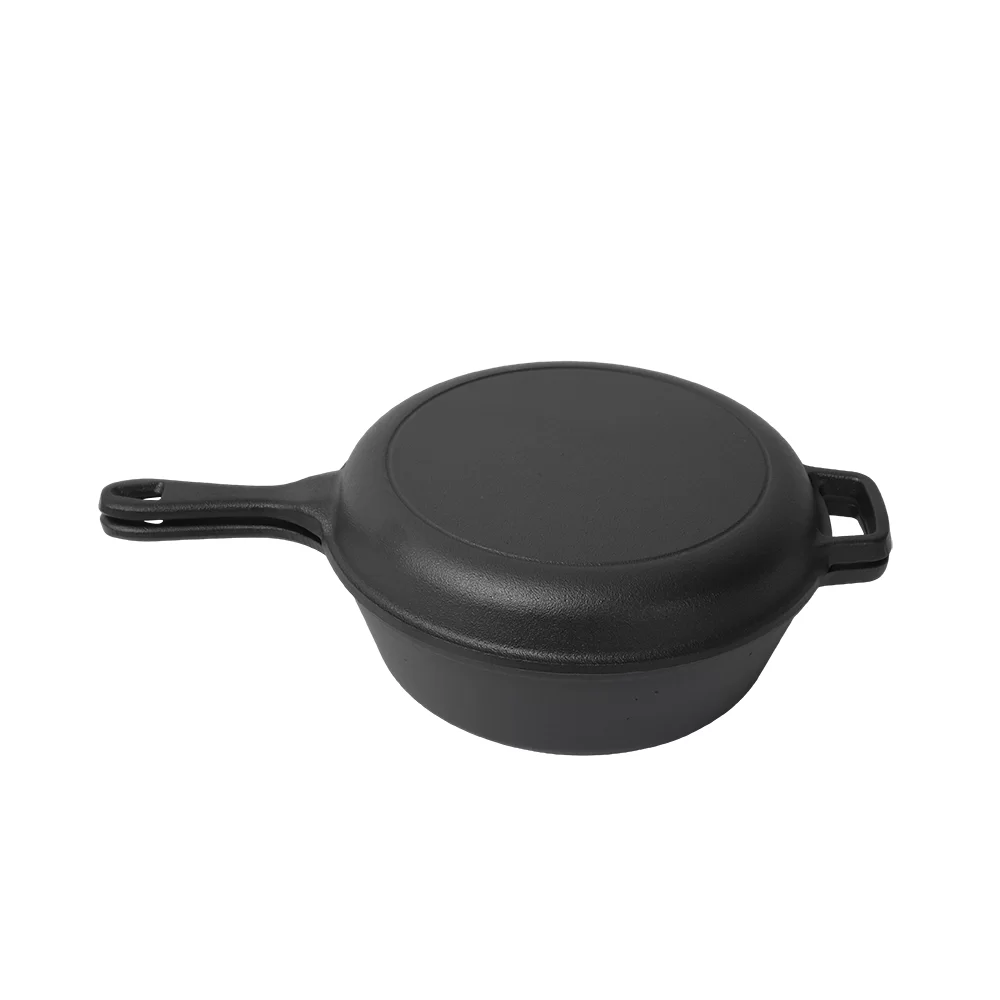
Evolution of Metalware Manufacturing in Germany

From industrial foundries to precision-engineered culinary art.

Market Development History

From 1950 to 1980, the German market was dominated by raw, seasoned cast iron, primarily used in rural areas for slow-cooking and heavy-duty baking. The focus was purely on thermal mass and durability, with little regard for aesthetics or ease of cleaning.

Between 1990 and 2010, the "Enamel Revolution" occurred. The introduction of high-fired vitreous enamel coatings allowed for the creation of the cast iron baguette pan and other specialized bakery tools, enabling professional results in home kitchens by preventing sticking and ensuring even browning.

From 2015 to the present, the trend has shifted toward "Hyper-Customization." The demand for a complete bbq grill tool set that matches the aesthetic and ergonomic needs of the modern user has driven manufacturers to integrate CNC machining with traditional sand-casting techniques.

Future Development Trends

AI-Optimized Thermal Mapping

Integrating simulation software to optimize the wall thickness of cast iron, reducing weight without sacrificing heat retention.

Sustainable Sourcing and Circularity

Moving toward 100% recycled scrap metal in the casting process to meet Germany's strict carbon neutrality goals by 2045.

Smart Coating Technology

Developing nano-ceramic enamel layers that are even more scratch-resistant and chemically inert than current standards.

Industry Trends and Future Outlook

Predicting the next shift in European cast iron consumption based on search and behavioral data.

Eco-Conscious Materials
Rapid growth in demand for lead-free and PFAS-free enamel coatings across the EU.
Ergonomic Customization
Increased search volume for tailored handles and weight-balanced grill tools.
Multi-Functional Hybridity
Convergence of cast iron durability with induction-ready bases for modern German stoves.
Artisanal Revival
A return to "slow food" cooking, increasing the value of heavy-duty cast iron.

Industry Outlook

Over the next 3-5 years, we anticipate a surge in the "Professional-at-Home" segment. As remote work persists in Germany's tech hubs, consumers are investing in high-end kitchenware like the cast iron skillet with enamel exterior to replicate restaurant-quality searing at home.

Google search trends indicate a rising interest in "low-maintenance cast iron," which suggests that the market will move away from raw iron toward advanced enamel coatings that eliminate the need for seasoning while maintaining superior heat properties.

Localized Application Scenarios in Germany

Practical use cases tailored to the German lifestyle and culinary habits.

01. Traditional Bavarian Sunday Brunch

Using a cast iron baguette pan to bake authentic, crusty rolls and baguettes for a family gathering, utilizing the iron's heat retention for a professional oven-spring.

02. Urban Balcony Grilling in Hamburg

Deploying a compact bbq grill tool set designed for smaller electric or charcoal grills, ensuring precision flipping and serving in limited spaces.

03. High-End Gastronomy in Frankfurt

Professional chefs using black enamel cookware for slow-braised meats, where the enamel prevents acidic ingredients from reacting with the metal over long cooking cycles.

04. Modern Induction Kitchens in Berlin

Using a cast iron skillet with enamel exterior on a high-efficiency induction hob to achieve a perfect sear on steaks while maintaining a clean, sleek kitchen aesthetic.

05. Corporate Branding for BBQ Events

Companies providing custom bbq tools with engraved logos for employee outdoor retreats, combining utility with brand identity.

Brand Story

Global Development Journey of Shijiazhuang Yaqi Import and Export Co., Ltd.

The Foundation of Quality

Started with a mission to bridge the gap between industrial casting and culinary art, focusing on the purity of iron.

Mastering Enamel Tech

Invested in advanced vitreous enamel lines to solve the pain point of cast iron rust and seasoning difficulty.

European Expansion

Adapted product lines to meet the strict DIN standards and aesthetic preferences of the German and EU markets.

Innovation in Customization

Developed a rapid-prototyping system for custom BBQ tools, allowing B2B clients to realize unique designs quickly.

Global Sustainability Goal

Committing to carbon-neutral manufacturing and fully recyclable packaging for the next generation of cookware.

Comprehensive Cookware Portfolio for Germany

From professional BBQ sets to artisanal baking pans, engineered for the European kitchen.

Frequently Asked Questions - Germany Market

Expert answers to common queries regarding cast iron and enamel cookware.

How do I maintain my black enamel cookware to ensure longevity?

Use non-abrasive sponges and mild detergents. Avoid thermal shock by not placing hot enamel cookware directly into cold water.

Can a cast iron skillet with enamel exterior be used on induction hobs?

Yes, the cast iron core is naturally ferromagnetic, making it highly efficient for all induction cooktops common in Germany.

What makes a custom bbq tools set better than standard retail options?

Custom sets allow for optimized handle ergonomics and material selection tailored to specific grilling styles, such as heavy-duty charcoal or gas.

Is the cast iron baguette pan suitable for high-temperature convection ovens?

Absolutely. Our pans are designed to withstand temperatures up to 260°C, providing the ideal heat distribution for a professional crust.

How does a bbq grill tool set handle corrosion in humid coastal regions like Northern Germany?

We use high-grade stainless steel or enamel-coated iron that provides a protective barrier against salt-air corrosion.

Why choose enamel over traditional seasoning for cast iron?

Enamel provides a non-reactive surface, meaning you can cook acidic foods (like tomato sauces) without damaging the pan or altering the taste.

Partner with the Cast Iron Experts

Ready to elevate your product line? Contact our specialists for tailored manufacturing solutions in Germany.

Contact Us Now
Leave Your Message

If you are interested in our products, you can choose to leave your information here, and we will be in touch with you shortly.