Exploring the History and Versatility of the Ball Pestle and Mortar
Understanding the Versatility of a Ball Pestle and Mortar
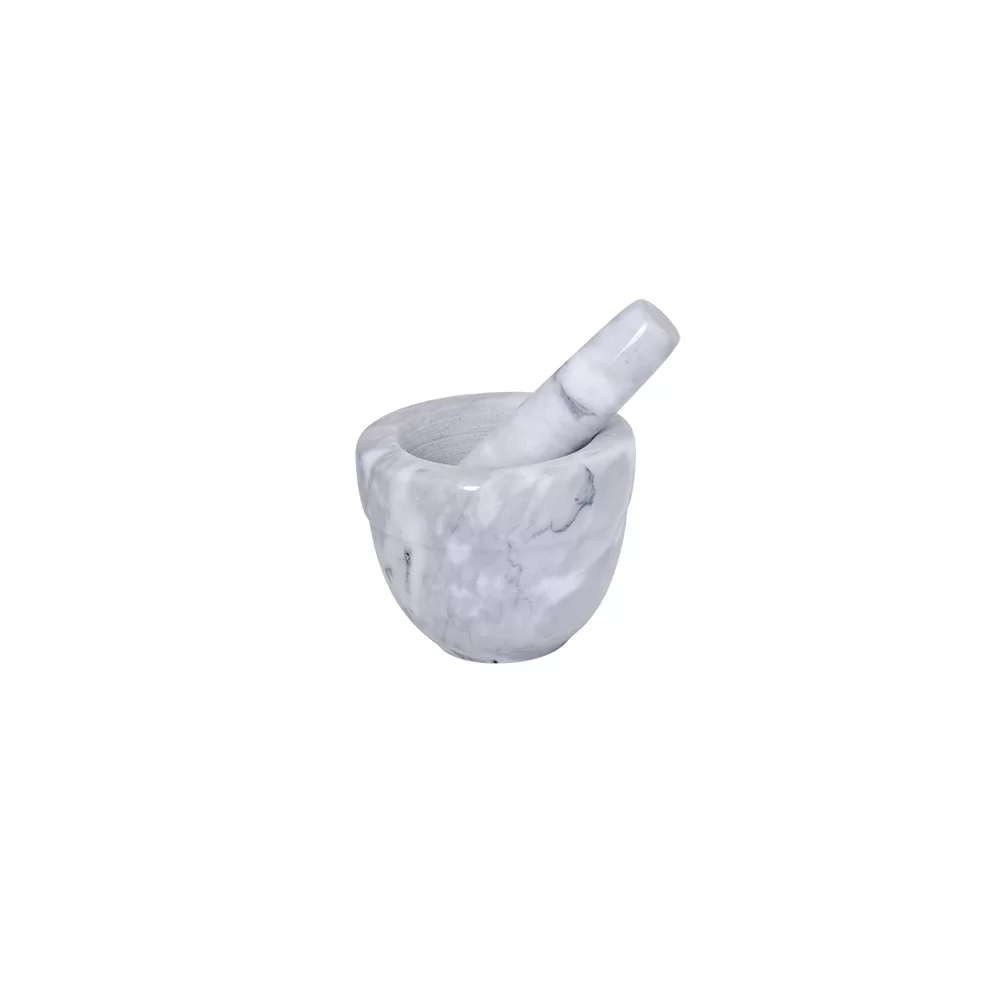
For centuries, the ball pestle and mortar has been an indispensable tool in kitchens and laboratories worldwide. More than just a kitchen utensil, it’s a testament to ancient grinding techniques, offering unparalleled control and quality in the preparation of spices, herbs, medicines, and more. This article will explore the history, benefits, uses, and different types of ball pestles and mortars, guiding you to select the perfect set for your needs. Discover how this traditional tool can enhance your culinary creations and unlock a world of flavors.
A Historical Perspective: The Origins of the Ball Pestle and Mortar
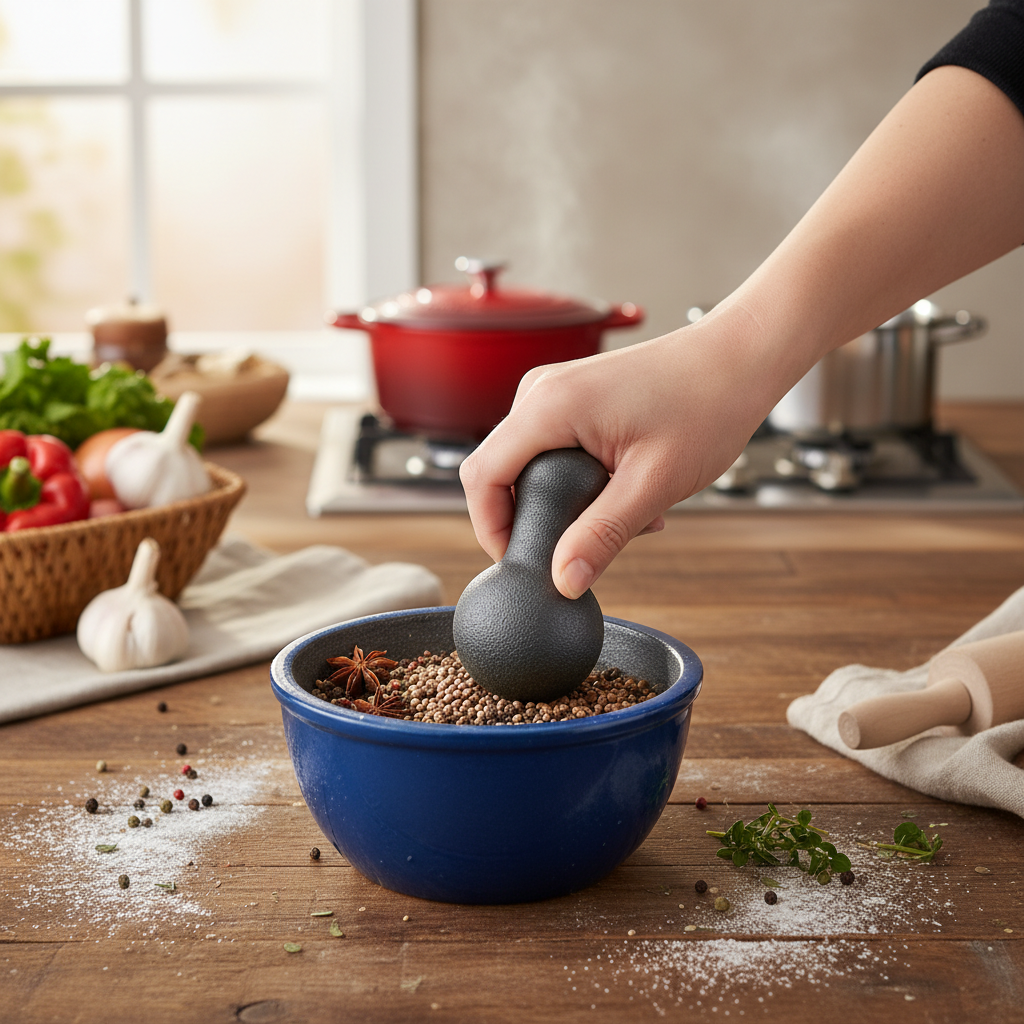
The pestle and mortar’s history stretches back to the Paleolithic era, with evidence of early grinding tools found in archaeological sites around the globe. Initially crafted from stone, these rudimentary tools were essential for processing wild grains and seeds. Over time, materials evolved to include ceramic, wood, and metal, with the ball pestle becoming a favoured design for its efficient grinding action. Different cultures developed unique styles and techniques, reflecting local ingredients and culinary traditions. The tool’s enduring popularity stems from its simplicity, effectiveness, and ability to produce consistently high-quality results.
Key Insight: The ball pestle’s rounded shape allows for a rocking motion that effectively crushes and grinds ingredients, making it superior to straight pestles for certain tasks.
The Advantages of Using a Ball Pestle and Mortar
Choosing a ball pestle and mortar offers several distinct advantages. Unlike electric grinders, it doesn’t generate heat, preserving the volatile oils and flavors of spices and herbs. This results in a more aromatic and flavorful end product. It also provides complete control over the grinding process, allowing you to achieve a wide range of textures, from coarsely ground to finely powdered. Furthermore, it’s a sustainable and eco-friendly option, requiring no electricity or disposable parts. The tactile experience of using a pestle and mortar is also highly satisfying for many cooks.
Benefits at a Glance:
• Preserves essential oils and flavors
• Provides complete control over texture
• Eco-friendly and sustainable
• Enhances the cooking experience
Choosing the Right Ball Pestle and Mortar: Materials and Sizes
Selecting the best ball pestle and mortar depends on your intended use. Granite is a popular choice for its durability and weight, ideal for grinding tough spices. Ceramic is suitable for more delicate herbs and offers a smooth grinding surface. Wood is aesthetically pleasing but requires more care and isn’t ideal for oily ingredients. Size also matters; smaller mortars are perfect for individual spice blends, while larger ones are better for preparing pastes or sauces. Consider how frequently you will use the tool and the quantities you typically work with.
Beyond the Kitchen: Diverse Applications of a Ball Pestle and Mortar
The uses of a ball pestle and mortar extend far beyond the kitchen. In pharmaceuticals, they're used to prepare precise doses of medicinal ingredients. Artists use them to grind pigments for paints and dyes. Even in scientific laboratories, they play a role in preparing samples for analysis. The ability to create fine powders and consistent textures makes it a valuable tool across a wide range of disciplines. From creating homemade cosmetics to preparing herbal remedies, the possibilities are endless.
Care and Maintenance: Preserving Your Ball Pestle and Mortar
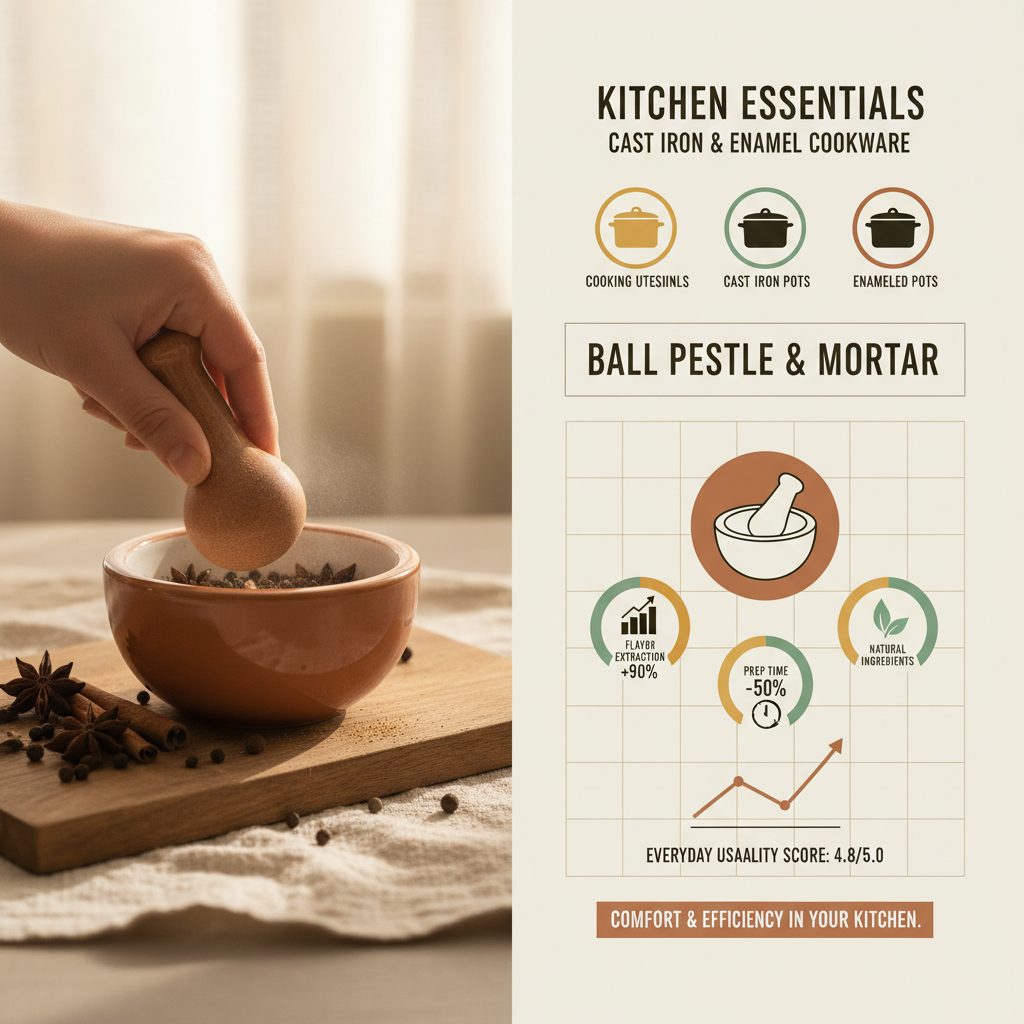
Proper care will ensure your ball pestle and mortar lasts for years to come. Avoid using abrasive cleaners, which can damage the surface. Hand wash with mild soap and warm water. For granite mortars, seasoning with oil can help prevent staining. Always dry thoroughly before storing. Avoid dropping the pestle or mortar, as this can cause cracks or chips. With a little attention, this timeless tool will remain a treasured part of your kitchen or workspace.
Conclusion: A Timeless Tool for Modern Use
The ball pestle and mortar is more than just a kitchen gadget; it's a connection to culinary traditions and a tool for unlocking authentic flavors. Its versatility, durability, and ability to enhance the cooking process make it a worthwhile investment for any home chef or professional. Embrace the art of grinding and experience the difference a quality pestle and mortar can make.
Frequently Asked Questions (FAQs)
What’s the best way to clean a granite mortar and pestle?
Granite mortars and pestles should be hand-washed with warm water and mild soap. Avoid using harsh detergents or abrasive cleaners, as these can damage the surface. After washing, dry thoroughly. To prevent staining, you can occasionally season the mortar with a small amount of oil, rubbing it into the surface and allowing it to absorb. Avoid soaking the granite for extended periods.
Can I use a pestle and mortar to make pesto?
Absolutely! A pestle and mortar is the traditional and arguably best way to make pesto. It allows you to slowly and carefully combine the basil, pine nuts, garlic, cheese, and olive oil, creating a vibrant and flavorful sauce. The grinding action releases the essential oils from the basil, resulting in a superior taste compared to using a food processor.
What spices are best to grind with a pestle and mortar?
A pestle and mortar is ideal for grinding whole spices like cumin, coriander, cardamom, and cloves. Grinding spices fresh releases their maximum aroma and flavor. Harder spices, like peppercorns and nutmeg, also benefit from the controlled grinding action. Avoid grinding very oily spices, as they can be difficult to clean from the mortar.