Exploring Diverse Mortar and Pestle Types for Culinary Excellence
Understanding Mortar and Pestle Types
The mortar and pestle is an ancient tool, essential for grinding herbs, spices, and other ingredients. But choosing the right one can be overwhelming, given the variety of materials and designs available. This guide will explore different mortar and pestle types, helping you select the best option for your needs. Whether you're a professional chef or a home cook, understanding these differences will significantly improve your culinary experience. We'll dive into the pros and cons of each material, the ideal uses, and how to care for your new tool.
Granite Mortar and Pestles: Durability and Versatility
Granite mortars and pestles are renowned for their exceptional durability and weight. This weight is crucial; it provides the momentum needed for efficient grinding. The rough texture of granite is excellent for breaking down tough spices and creating smooth pastes. They’re less porous than some other materials, making them less likely to absorb flavors or odors. However, granite can be relatively expensive. Kingway Cookwares offers a range of high-quality granite mortars and pestles, perfect for serious cooks.
Key Highlights: Granite offers exceptional durability, a rough texture ideal for grinding, and is relatively non-porous.
Marble Mortar and Pestles: A Classic Choice
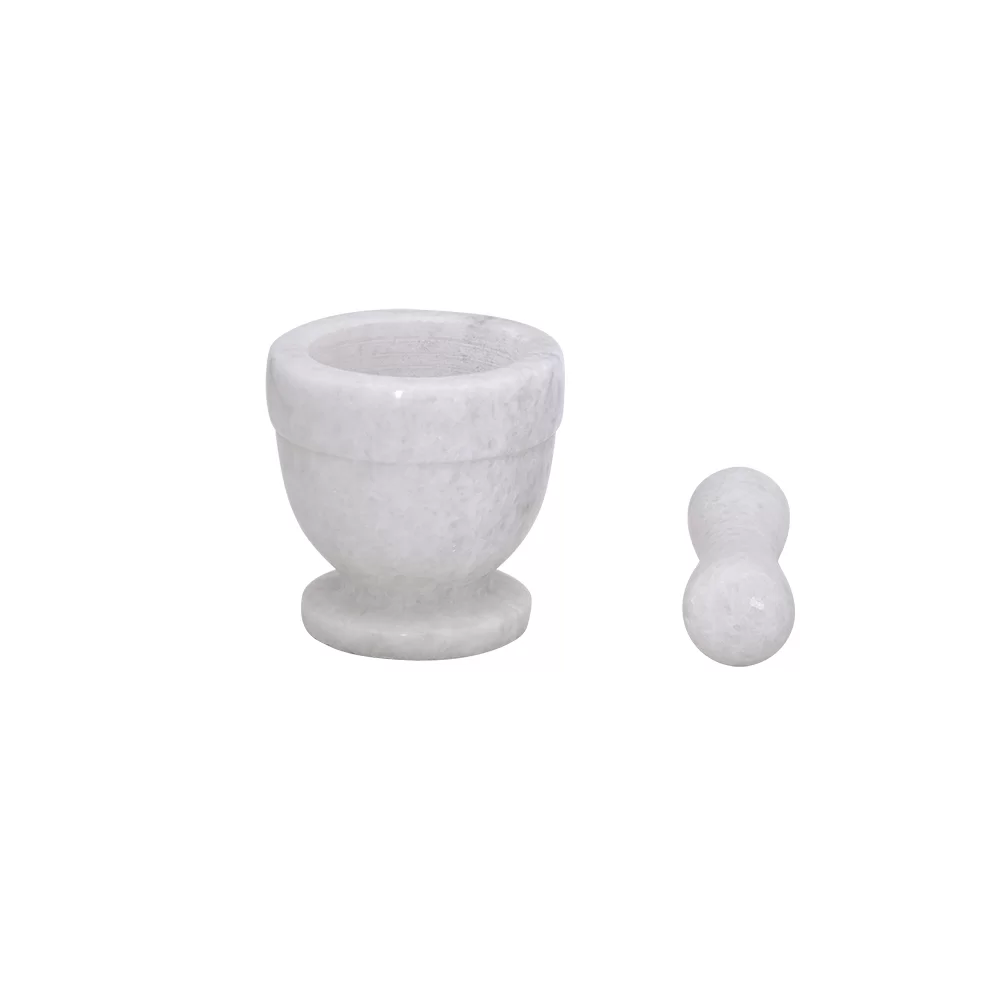
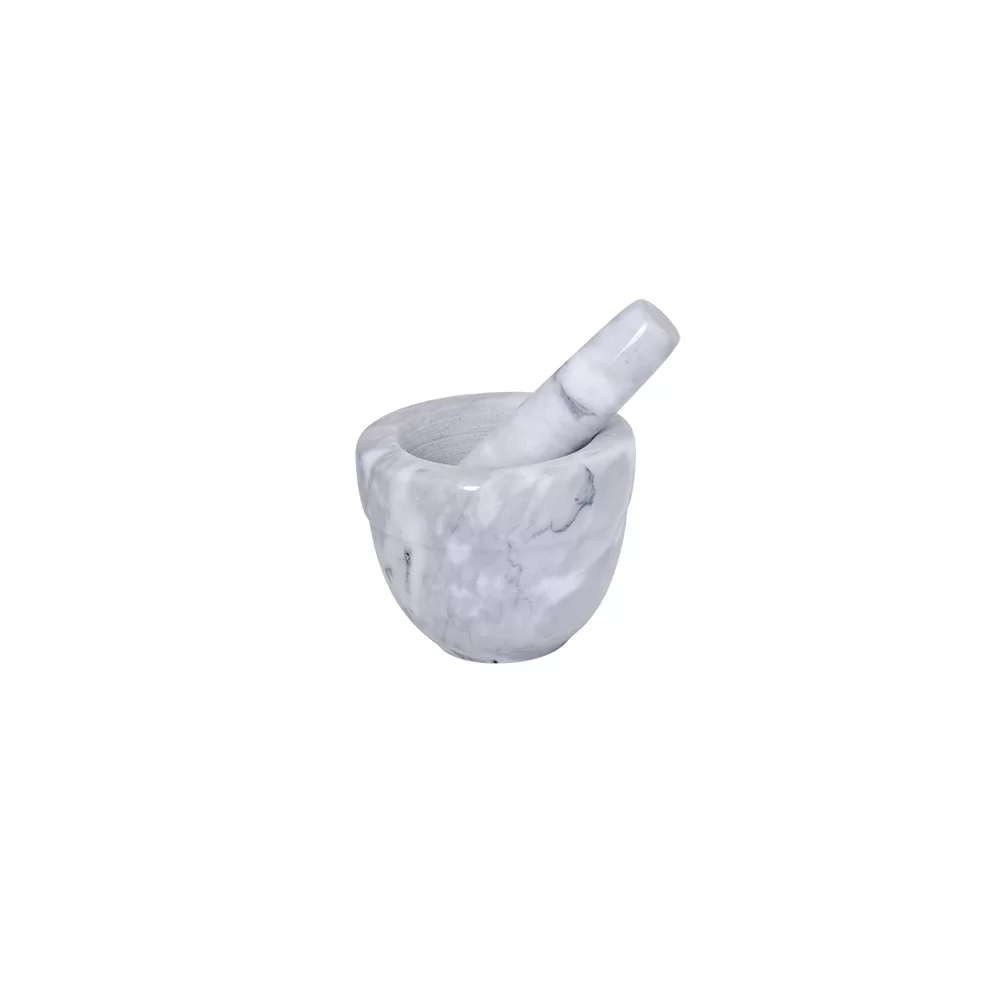
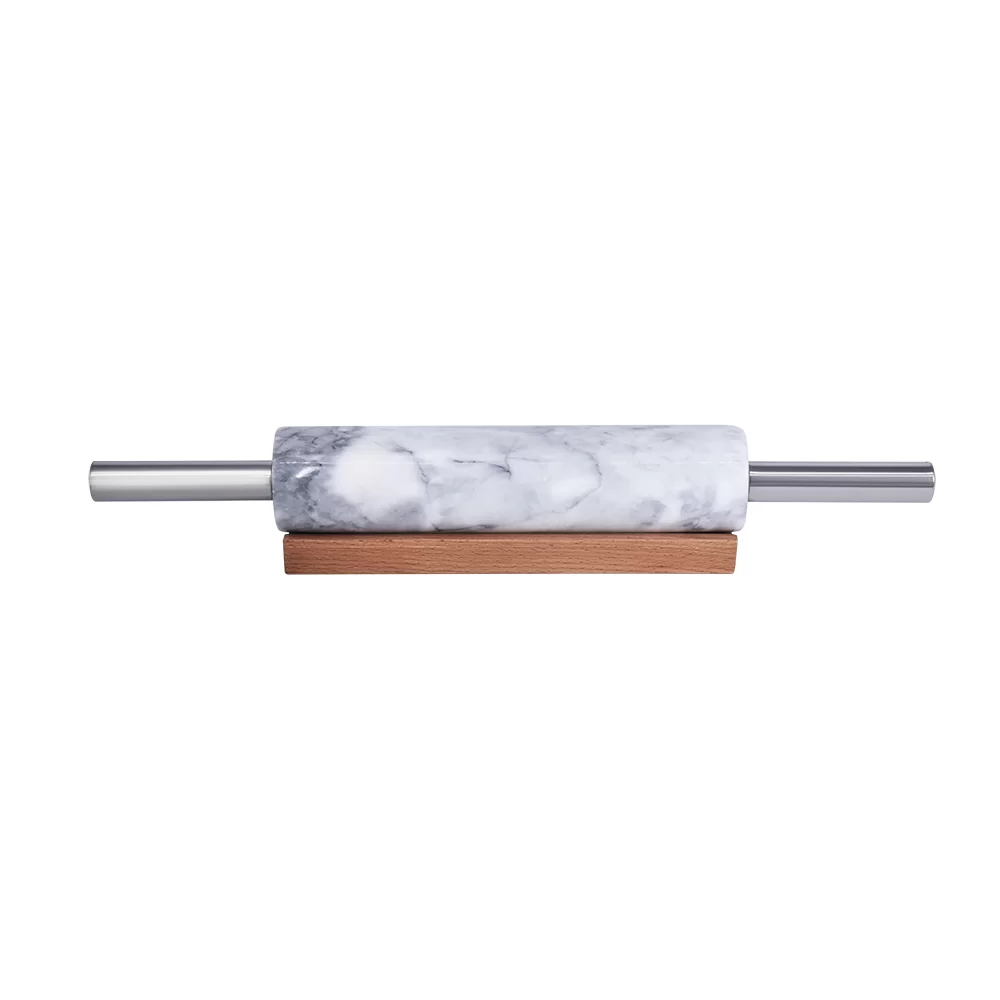
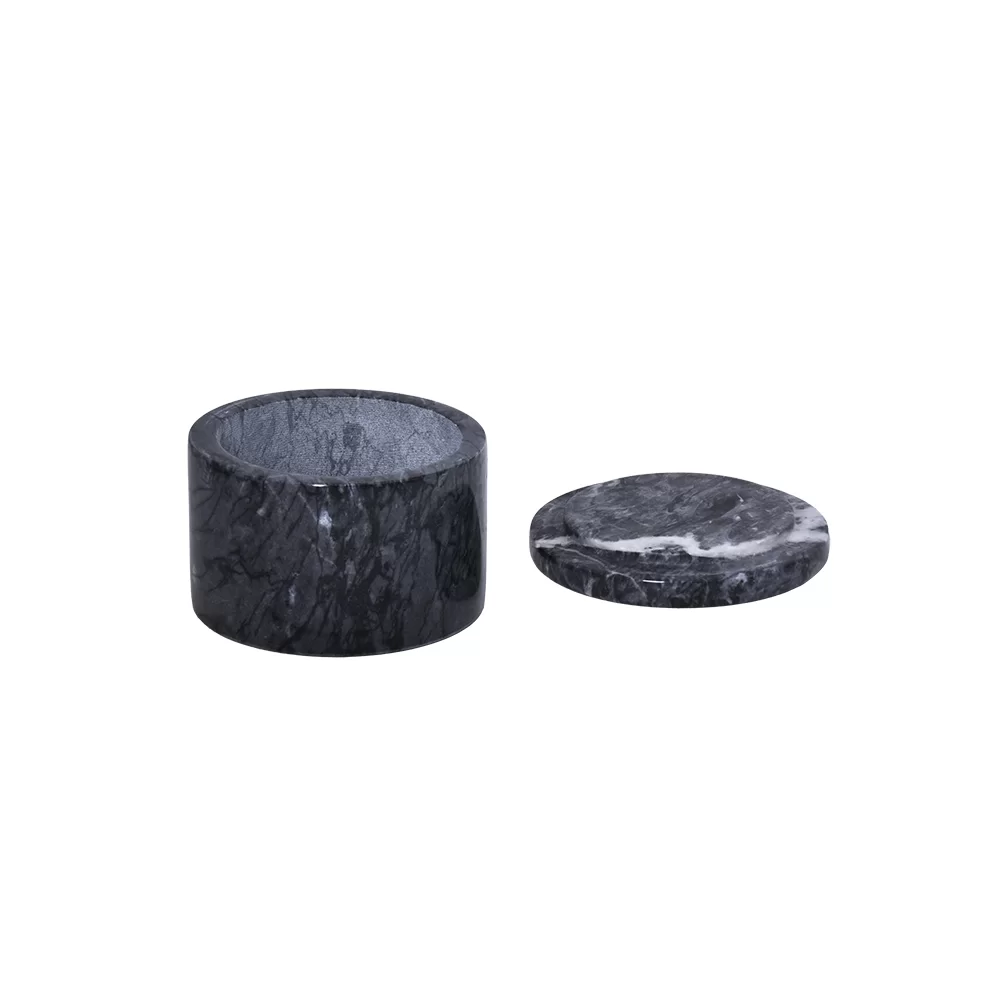
Marble mortars and pestles are a classic choice, prized for their beautiful appearance and smooth surface. They're excellent for creating fine powders and pastes, particularly for delicate ingredients like spices and herbs where a gentle touch is needed. Marble is generally cooler than granite, which can be beneficial when working with temperature-sensitive ingredients. However, marble is softer than granite and more prone to chipping or scratching. It’s also more porous, meaning it can absorb flavors over time. Regular cleaning and seasoning can help mitigate this issue.
Marble Benefits:
• Beautiful appearance and smooth surface.
• Ideal for fine powders and pastes.
• Cooler temperature can be beneficial for certain ingredients.
Mortar and Pestle Types: Material Comparison
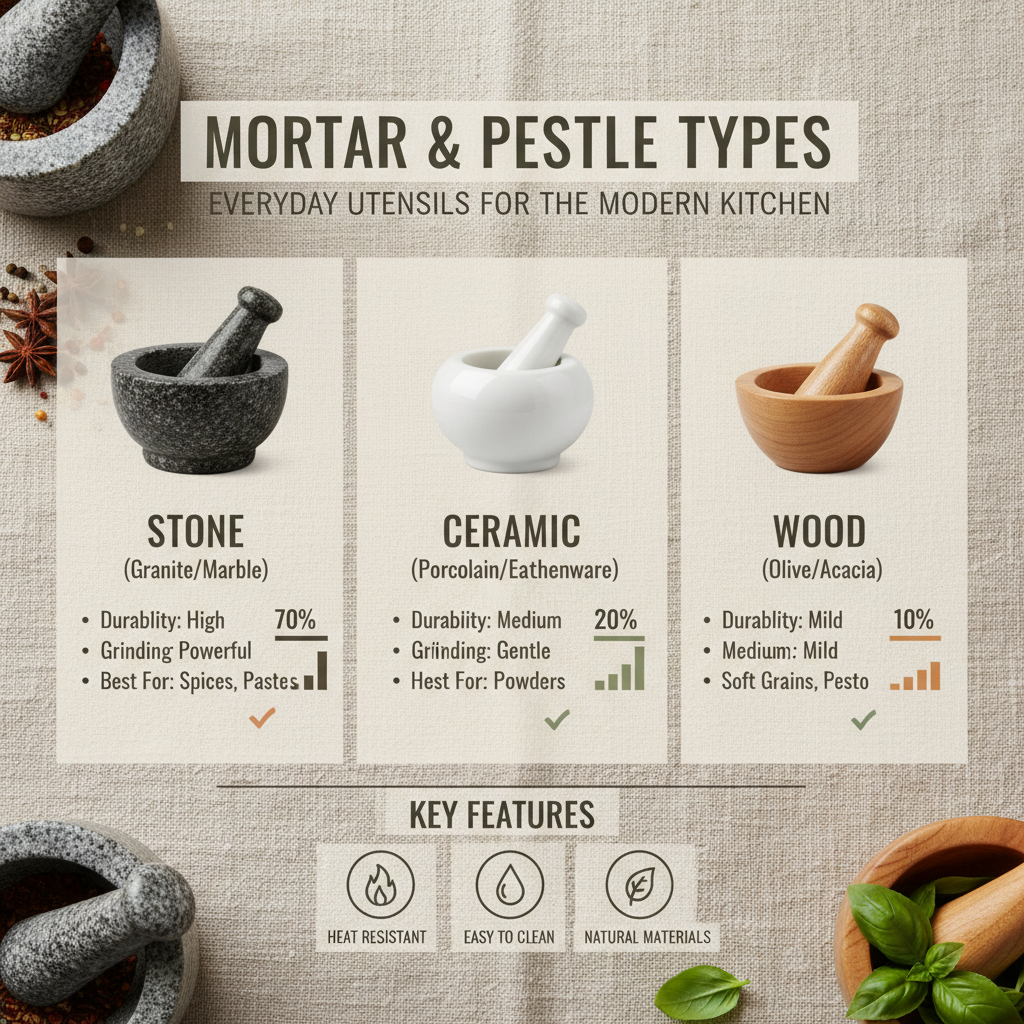
Choosing between different materials requires careful consideration. Here's a detailed comparison to help you make an informed decision. The ideal mortar and pestle type depends on your cooking style and the ingredients you typically work with.
Other Mortar and Pestle Materials
Beyond granite and marble, other materials are used for mortars and pestles. Wood is a popular choice, particularly for dry spices, offering a pleasant aroma. However, wood is porous and can retain flavors. Ceramic mortars and pestles are aesthetically pleasing but are more fragile and best suited for smaller batches. Kingway Cookwares offers a selection of materials to suit diverse needs.
Caring for Your Mortar and Pestle
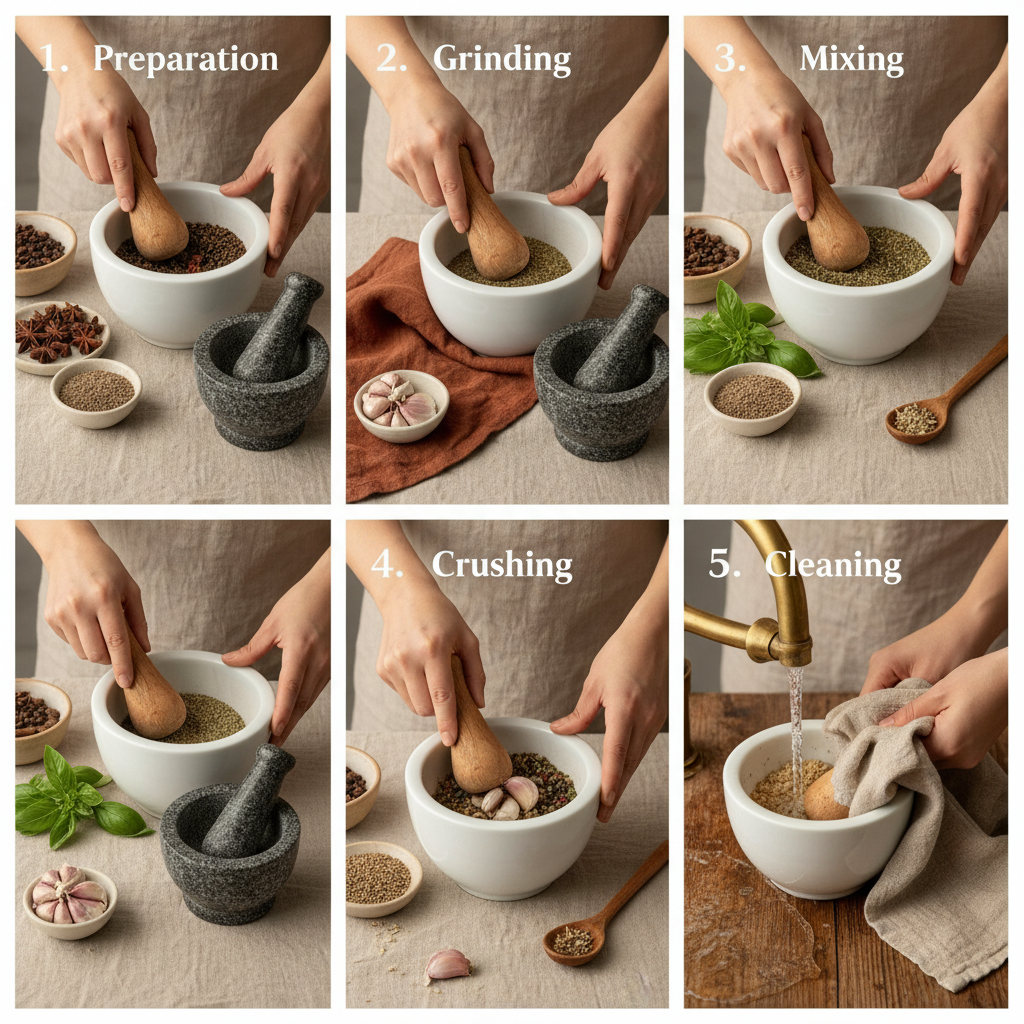
Proper care will extend the life of your mortar and pestle. Avoid using soap, as it can leave behind a residue that affects the flavor of your ingredients. Instead, rinse with warm water and allow to air dry completely. For granite and marble, occasional seasoning with a neutral oil can help prevent flavor absorption. Avoid dropping or subjecting the mortar and pestle to extreme temperature changes.
Conclusion: Choosing the Right Mortar and Pestle
Investing in a quality mortar and pestle is a worthwhile investment for any cook. By understanding the different types and materials available, you can choose the perfect tool to enhance your culinary creations. Kingway Cookwares offers a diverse selection to meet every need and budget.
Frequently Asked Questions (FAQs)
What ingredients are best ground in a granite mortar and pestle?
Granite is best suited for grinding tough spices like peppercorns, cumin seeds, and coriander seeds. Its rough texture efficiently breaks down these ingredients. It's also excellent for making pesto, curry pastes, and other sauces that require a coarse texture. The weight of the granite helps to create a smooth, consistent grind. However, for very delicate herbs, a marble mortar and pestle might be a better choice to avoid bruising the leaves.
Can I use a wooden mortar and pestle for wet ingredients?
While you can use a wooden mortar and pestle for wet ingredients, it’s not ideal. Wood is porous and will absorb flavors and moisture, potentially leading to bacterial growth. If you do use it for wet ingredients, be sure to dry it thoroughly afterward. It’s better suited for grinding dry spices and herbs where flavor absorption isn’t a concern. Regular oiling can help to prevent the wood from drying out and cracking.
How do I prevent staining on my marble mortar and pestle?
Marble is prone to staining, especially from brightly colored spices like turmeric or paprika. To prevent staining, avoid grinding these ingredients directly in the marble mortar. You can also season the mortar with a neutral oil after each use, which creates a protective barrier. Clean the mortar immediately after use with warm water and a soft cloth. Avoid using abrasive cleaners or scrub brushes.
What size mortar and pestle should I choose?
The ideal size depends on your cooking habits. A smaller mortar and pestle (around 6 inches) is perfect for grinding small batches of spices or making single-serving sauces. A larger mortar and pestle (8-12 inches) is better suited for larger recipes, like pesto or guacamole for a party. Consider how much you typically grind and the amount of counter space you have available.