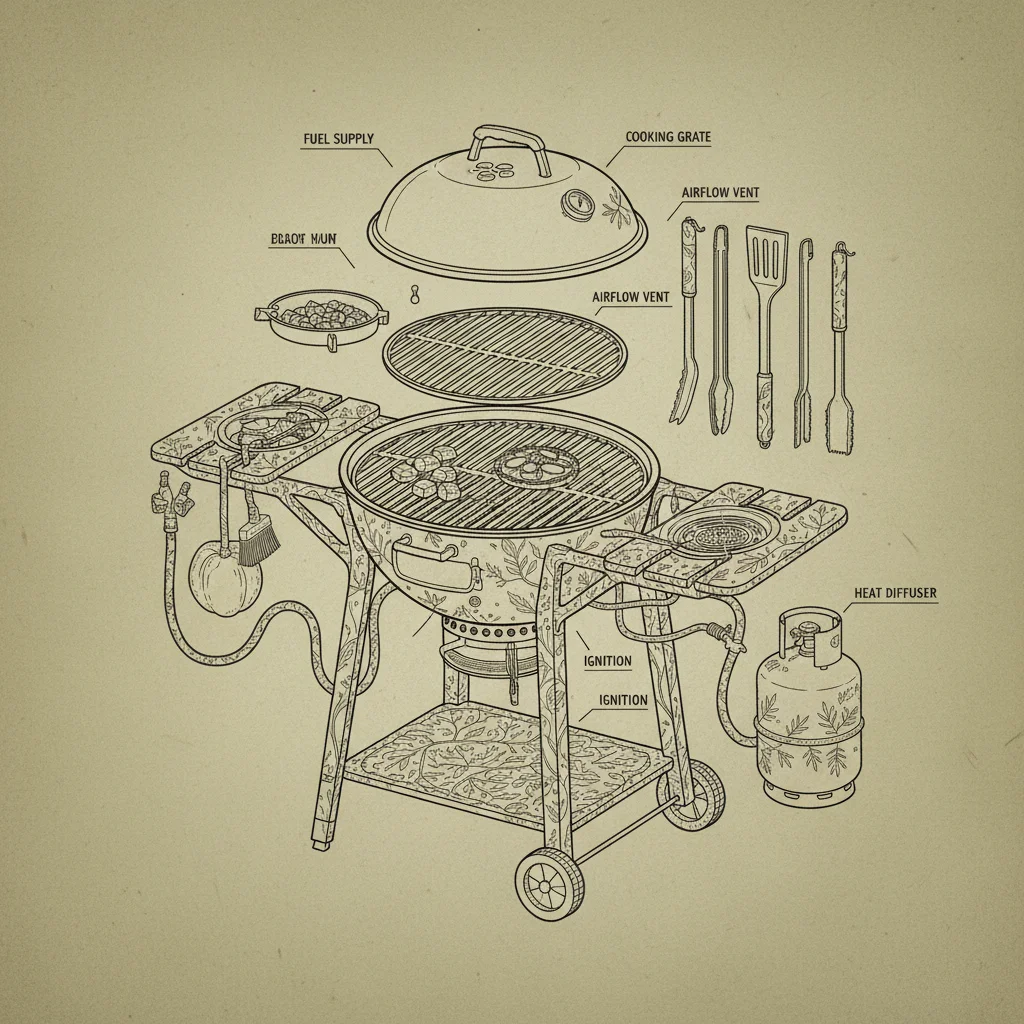
Hand forged bbq tools represent a fascinating intersection of artistry, durability, and culinary passion. For centuries, skilled blacksmiths have crafted implements designed not just for cooking, but for enhancing the entire outdoor dining experience. These aren't mass-produced commodities; each piece carries the mark of the maker, a testament to traditional techniques and a commitment to quality that stands in stark contrast to modern, automated manufacturing processes. The demand for authentic, high-quality grilling experiences drives a growing global appreciation for these tools.
The global market for outdoor cooking equipment is substantial and steadily increasing, fueled by rising disposable incomes and a growing interest in social gatherings centered around food. According to reports, the global barbecue grills market size was valued at USD 6.38 billion in 2023 and is projected to reach USD 8.71 billion by 2032, growing at a CAGR of 3.5% from 2024 to 2032. Within this market, a niche but significant segment caters to consumers seeking premium, handcrafted items, specifically hand forged bbq tools. This demand is particularly strong in regions with established grilling cultures like the United States, Argentina, and Australia.
However, a challenge exists: maintaining the traditions of blacksmithing while meeting modern demand. Scaling production without sacrificing the unique qualities of hand forging requires innovative approaches to training, resource management, and distribution. This makes understanding the nuances of hand forged bbq tools incredibly valuable for both consumers and producers.
The Art and Legacy of Hand Forged BBQ Tools
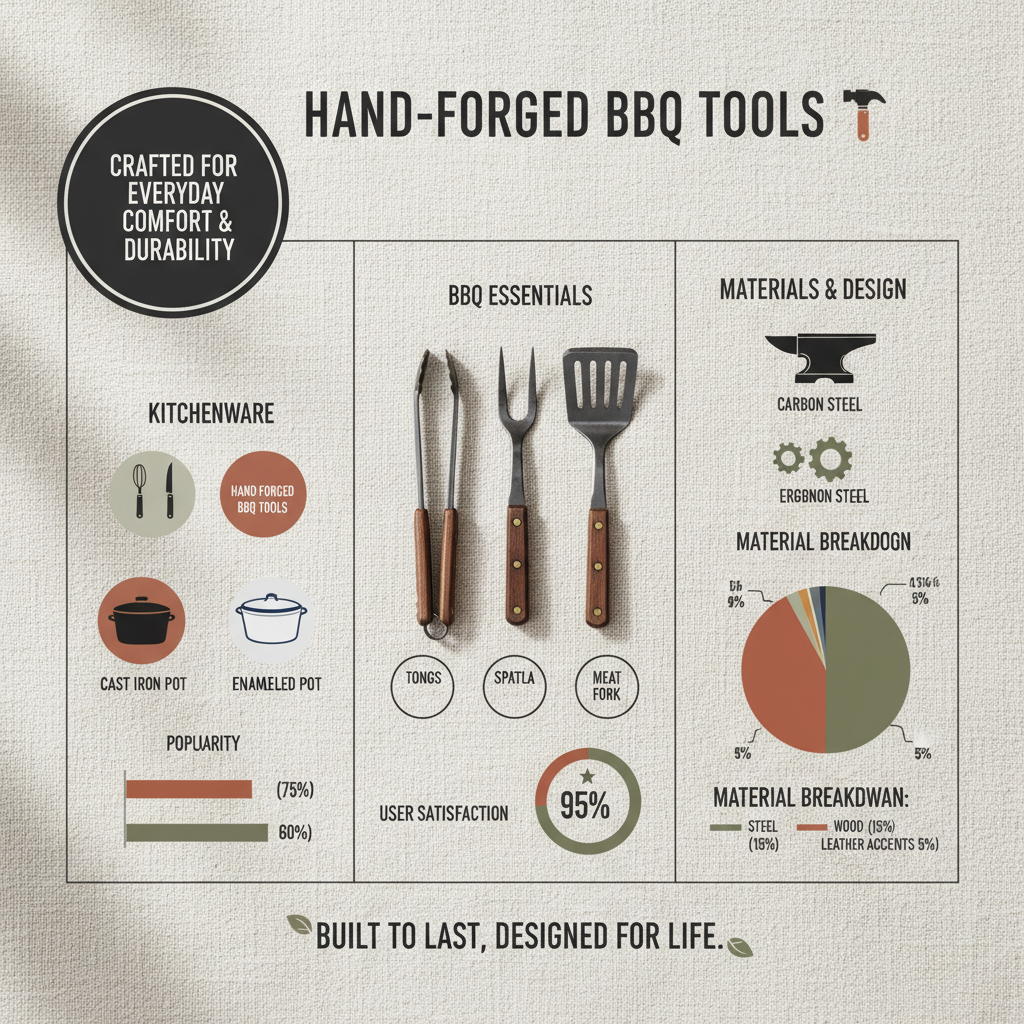
The history of hand forged bbq tools is deeply intertwined with the evolution of blacksmithing itself. For millennia, blacksmiths were essential members of communities, crafting everything from agricultural implements to weaponry. The skills and techniques honed over generations naturally extended to creating tools for preparing and enjoying food, including those used in early forms of barbecuing. These early tools were not merely functional; they were often considered works of art, reflecting the smith's skill and personal style.
Today, a renewed appreciation for this legacy is driving demand for authentic, hand-crafted tools. Consumers are increasingly drawn to the idea of owning something made with skill and care, rather than mass-produced in a factory. This resurgence isn't just about nostalgia; it's about a desire for quality, durability, and a connection to a time-honored tradition.
FAQS
Hand forged bbq tools are individually crafted using traditional blacksmithing techniques, resulting in superior durability, balance, and a unique character. Mass-produced tools are typically stamped or cast from metal, which compromises their strength and longevity. The forging process creates a denser molecular structure, making hand forged tools far more resistant to bending, breaking, and wear. The individual attention to detail also results in better ergonomics.
Proper care is essential for maintaining the longevity of your hand forged bbq tools. After each use, clean them with warm soapy water and dry them thoroughly. For carbon steel tools, applying a light coating of oil (such as mineral oil) will prevent rust. Avoid using abrasive cleaners or putting them in the dishwasher. Regular sharpening will maintain their cutting edge.
Yes, hand forged bbq tools are a worthwhile investment for serious grillers and cooks. While they may have a higher upfront cost than mass-produced alternatives, their exceptional durability and performance translate to long-term savings. You won't need to replace them as frequently, and the superior quality enhances the cooking experience. They also represent a commitment to craftsmanship and sustainability.
High-carbon steel is the most common material used in hand forging bbq tools, particularly 1095 and O1 tool steel, due to its ability to hold a sharp edge and withstand high temperatures. Other steels, like 5160 spring steel and Damascus steel, are also used for specific applications, offering different combinations of flexibility, durability, and corrosion resistance.
Yes, hand forged bbq tools are versatile and can be used on all types of grills, including charcoal, gas, and pellet grills. However, it’s important to be mindful of heat levels and to use appropriate safety precautions. The durable construction of these tools makes them well-suited for the demands of various grilling environments.
Authentic hand forged bbq tools can be found at specialty cookware stores, blacksmith workshops, and online retailers specializing in handcrafted goods. Look for tools that are clearly labeled as “hand forged” and that come with information about the blacksmith or maker. Reputable retailers will often provide details about the materials and techniques used.
Conclusion
In conclusion, hand forged bbq tools represent more than just cooking implements; they embody a rich tradition of craftsmanship, durability, and performance. From their historical roots in blacksmithing to their modern applications in professional kitchens and backyard barbecues, these tools offer a unique and rewarding culinary experience. The benefits extend beyond the practical, encompassing a sense of ownership, a connection to artistry, and a commitment to quality.
Looking ahead, the future of hand forged bbq tools lies in embracing sustainable practices and integrating innovative technologies. By supporting artisans who uphold this time-honored craft, and by appreciating the value of handcrafted quality, we can ensure that these exceptional tools continue to inspire and delight culinary enthusiasts for generations to come. Visit our website at www.kingwaycookwares.com to explore our collection of premium hand forged bbq tools.