Upgrade Your Kitchen Comfort with Durable Rubber Handle Grips for Pots
Choosing the Right Rubber Handle Grips for Pots: A Comprehensive Guide
Selecting the right handle grips for your pots and pans can significantly enhance cooking comfort and safety. Kingway Cookwares offers a wide range of rubber handle grips for pots designed for durability, heat resistance, and a comfortable grip. This guide will explore the benefits of using rubber handle grips, different types available, factors to consider when choosing, and how to install them. Investing in quality handle grips is a small change that can make a big difference in your kitchen experience.
Why Choose Rubber Handle Grips for Pots?
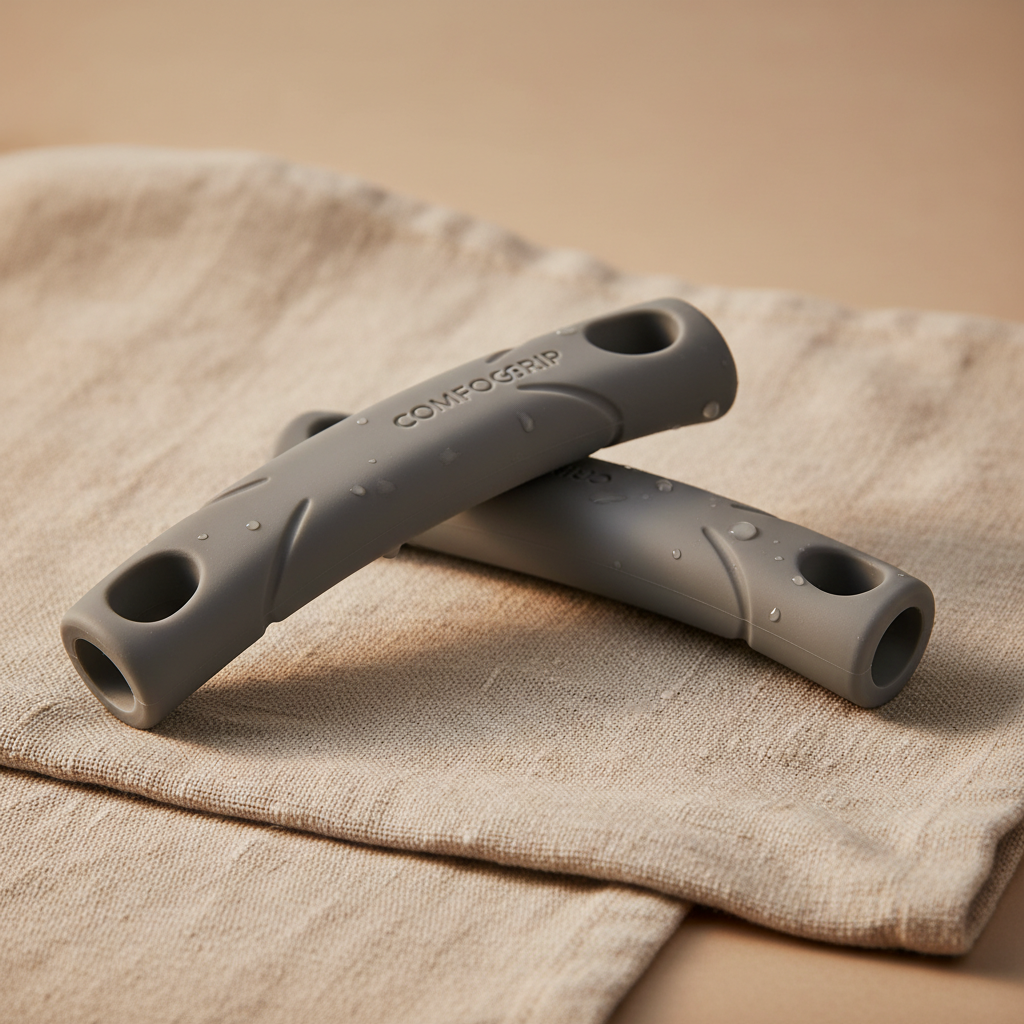
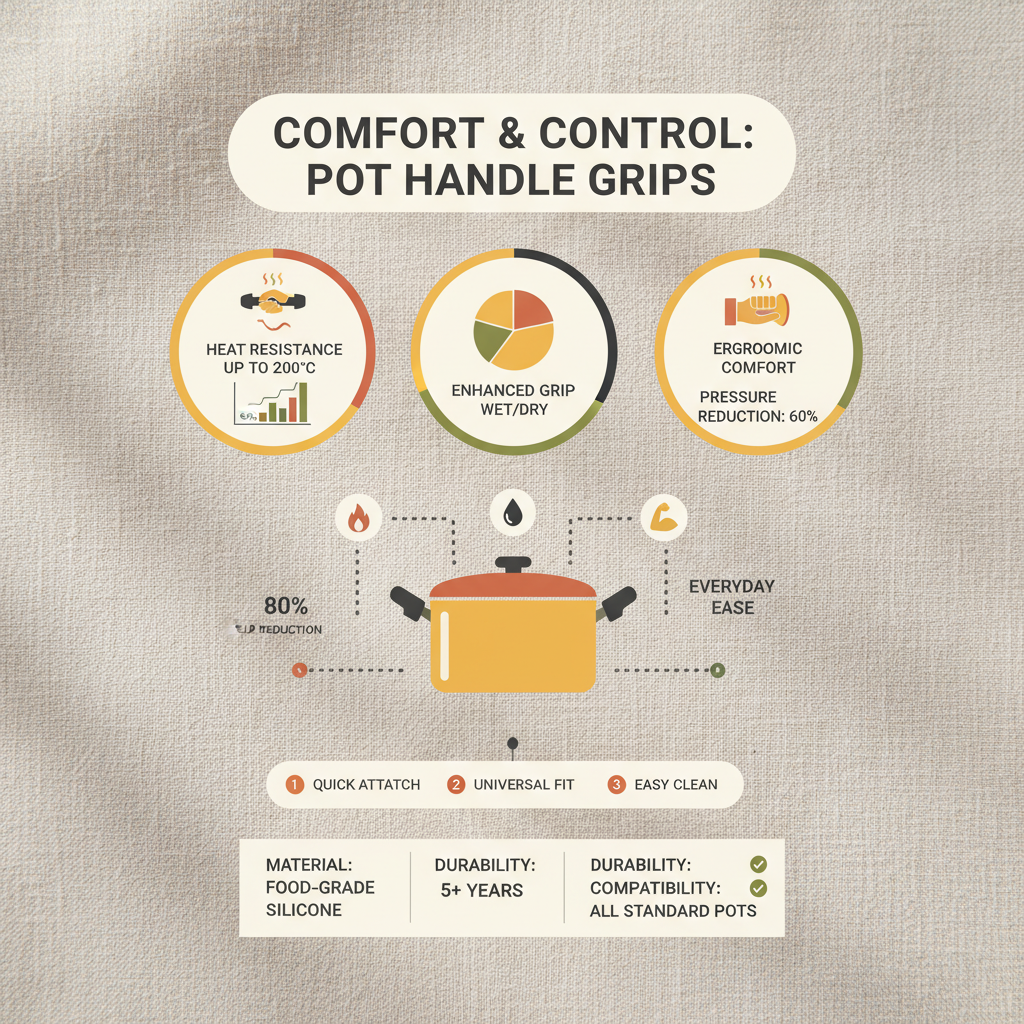
Rubber handle grips offer a superior alternative to bare metal or plastic handles. They provide excellent insulation against heat, preventing burns and allowing for safer handling of hot cookware. The textured surface of rubber enhances grip, even with wet or oily hands, reducing the risk of accidents. Furthermore, rubber grips absorb vibrations, making stirring and pouring more comfortable. Replacing worn or damaged handles with new rubber grips can also extend the lifespan of your favorite cookware, saving you money in the long run. Kingway Cookwares’ grips are made from high-quality, food-grade silicone and rubber to ensure safety and longevity.
Key Benefits: Excellent heat insulation, improved grip, vibration absorption, increased safety, and extended cookware lifespan.
Different Types of Rubber Handle Grips
Rubber handle grips come in various styles, each suited for different pot and pan handles. Common types include:
- Sleeve-style grips: These slip over the entire handle, providing full coverage and protection.
- Contoured grips: Designed to fit the shape of the handle for a comfortable and secure hold.
- Universal grips: Versatile grips that can be adapted to fit a range of handle sizes and shapes.
- Replacement grips: Specifically designed to replace existing worn-out grips on popular cookware brands.
At Kingway Cookwares, we offer all of these options, ensuring you find the perfect fit for your needs. We also carry grips in different colors and textures to match your kitchen aesthetic.
Grip Type Considerations:
• Handle Shape: Contoured grips work best with ergonomic handles.
• Full Coverage: Sleeve-style grips provide complete heat protection.
• Versatility: Universal grips are ideal if you have multiple cookware sets.
Comparing Rubber Handle Grips: Materials and Features
Not all rubber handle grips are created equal. The material, thickness, and texture all contribute to their performance and durability. Silicone grips offer excellent heat resistance and are dishwasher safe, making them easy to clean. Rubber grips, while also heat resistant, may require hand washing. Consider the thickness of the grip – thicker grips provide more insulation but can feel bulkier. Textured grips offer a more secure hold, especially when hands are wet. Here's a comparative overview:
Installing Rubber Handle Grips: A Step-by-Step Guide
Installing rubber handle grips is a simple process that can be completed in minutes. Here's a quick guide:
- Clean the handle: Ensure the handle is clean and free of grease or debris.
- Pre-stretch the grip: Gently stretch the grip to make it easier to slide over the handle.
- Slide the grip onto the handle: Work the grip onto the handle, starting from one end.
- Position the grip: Adjust the grip to ensure it's centered and covers the desired area.
- Secure the grip: Some grips may require a slight push or twist to secure them in place.
For specific instructions, refer to the packaging of your rubber handle grips from Kingway Cookwares.
Conclusion: Enhance Your Cooking Experience with Rubber Handle Grips
Investing in quality rubber handle grips for pots is a simple yet effective way to improve your cooking comfort, safety, and overall kitchen experience. Kingway Cookwares offers a wide selection of grips to suit your needs and preferences. Browse our collection today and discover the difference a good grip can make!
Frequently Asked Questions (FAQs)
How do I choose the right size rubber handle grip?
Selecting the correct size is crucial for a secure fit. Measure the diameter of your pot or pan handle and compare it to the grip’s specifications. Many grips offer a range of sizes or are designed to stretch to fit various handles. If you’re unsure, opt for a slightly larger grip that can be compressed, rather than a smaller one that won’t fit securely. Kingway Cookwares’ product descriptions provide detailed sizing information for each grip.
Are rubber handle grips heat resistant enough to hold a hot pot?
Rubber and silicone handle grips offer significant heat resistance, but they aren’t completely heatproof. While they protect against burns from moderate heat, it's still advisable to use oven mitts or pot holders when handling extremely hot cookware. The degree of heat resistance varies depending on the material—silicone generally offers higher heat resistance than rubber. Always check the product specifications for the maximum temperature rating.
How long do rubber handle grips typically last?
The lifespan of rubber handle grips depends on usage, frequency of cleaning, and exposure to extreme temperatures. High-quality silicone grips generally last longer than rubber grips. With proper care, you can expect grips to last for several years. Signs of wear include cracking, tearing, or loss of elasticity. Regularly inspect your grips and replace them when they show signs of damage.
Can I clean rubber handle grips in the dishwasher?
Whether you can clean rubber handle grips in the dishwasher depends on the material. Silicone grips are generally dishwasher safe, but it's always best to check the product label. Rubber grips are typically recommended to be hand-washed with mild soap and warm water to prevent degradation. Avoid using abrasive cleaners or scrub brushes, as they can damage the surface of the grips.