Look, everyone’s talking about smart rotisserie bbq for sale these days. It’s not just about bigger grills and fancier thermometers anymore, it's about automation, remote control, and frankly, making life a little easier for the pitmasters out there. To be honest, I’ve seen a lot of these come and go, and most of them end up being over-engineered and under-durable.
Have you noticed how many companies are chasing the “connected” bbq dream? They put Wi-Fi in everything, but forget that a bbq lives outdoors, in the rain, the sun, and gets covered in grease. It's ridiculous.
The real challenge with rotisserie bbq for sale, though, isn't the tech; it’s getting the basic materials right.
The Current Landscape of rotisserie bbq for sale
Honestly, the market's flooded. Everyone wants a piece of the rotisserie bbq for sale pie. You've got your budget models, the mid-range "do-it-all" grills, and then the super-premium, stainless steel beasts that cost more than my truck. Strangely enough, the mid-range ones are the toughest to get right. They try to do too much and end up cutting corners on the core components. You’re seeing a huge push for pellet grills with rotisserie attachments, which is fine, but the motors often can’t handle a fully loaded spit for a long cook.
I encountered this at a factory in Ningbo last time. They were bragging about their “high-performance” motor, but when I asked about continuous duty cycles at a specific weight, they just kind of…looked at their shoes. It’s a telltale sign.
Design Pitfalls to Avoid
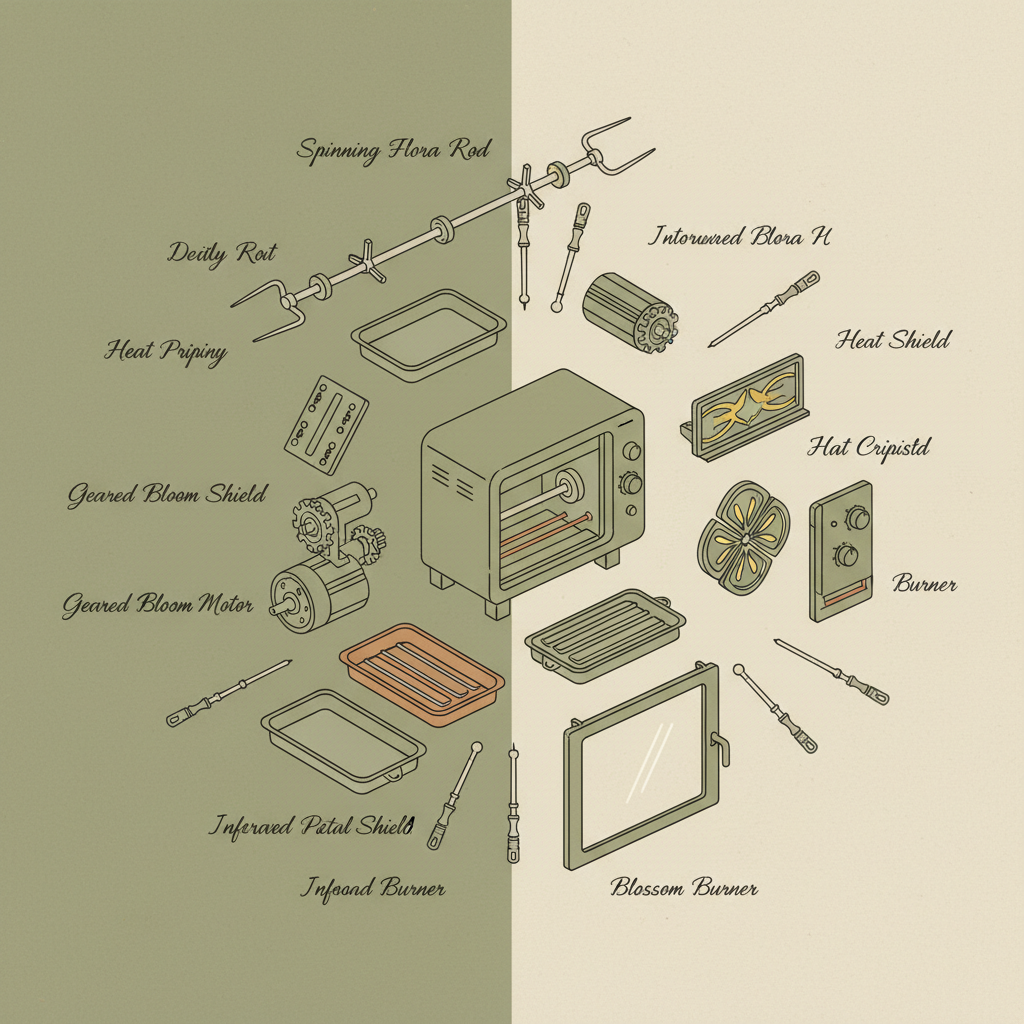
The biggest mistake I see? Overcomplicating the spit itself. People want all these adjustable forks and fancy locking mechanisms, but if they don't feel solid, it's useless. A simple, robust fork that grips the meat securely is worth more than a dozen gimmicks. I've seen too many spits wobble and drop a twenty-pound roast right into the coals. It’s not a pretty sight.
Also, the counterbalance system. It’s vital. If it’s not properly balanced, the motor will burn out. And those cheap plastic gears they use? Forget about it. They’ll melt faster than butter on a hot grill.
Another thing: Access. You need to be able to easily add wood chips or pellets while the rotisserie is running. Trying to reach around a spinning roast with tongs is a recipe for disaster.
The Heart of the Machine: Materials
Now, let’s talk materials. Stainless steel is king, of course, but not all stainless is created equal. You want 304 stainless for anything that comes into contact with food, and preferably a thicker gauge. I can tell the quality just by the weight of it. Feels good in your hands, smells...well, like stainless steel, I guess. It's a good smell.
The spit itself? I prefer solid stainless, but a heavy-duty carbon steel will work if it’s properly coated. And the motor housing… that’s where a lot of corners get cut. Cheap plastic will crack and warp in the heat. Aluminum is better, but it needs to be properly anodized to prevent corrosion.
I’m always sniffing the rubber seals and gaskets, too. That plastic-y smell? That means it’s going to break down quickly. You want something that smells like…well, nothing, really. Good quality rubber.
Rigorous Testing – Beyond the Lab
Lab tests are fine, but they don’t tell you the whole story. I want to see these things run for 24 hours straight, loaded with a full chicken, in 90-degree heat. I want to see how they hold up to rain, to grease splatters, to someone accidentally bumping into them.
We do a “drop test” – not from a great height, but enough to simulate a clumsy move while loading and unloading. We also check for weld integrity – a weak weld will fail when it matters most. And the motor? It gets a heat soak test, running at full load in a confined space to see if it overheats.
Anyway, I think the most important test is simply watching people use it. Observing their frustrations, their workarounds. That’s where you really learn what needs to be improved.
rotisserie bbq for sale Performance Metrics
How People Actually Use rotisserie bbq for sale
You know, it's funny. We design these things for perfectly balanced chickens, but most people use them for pork shoulder, brisket, even whole fish! They're constantly improvising, rigging up extra supports, and adjusting the forks. It's not what we intend, but it’s how they get the job done.
I've seen people use them to dry sausages, too. They hang them on the spit and let the heat do the work. It's a bit unconventional, but it works. The point is, you need to design for flexibility. People are resourceful.
Pros, Cons, and Everything In Between
Okay, pros: Rotisserie cooking is fantastic. It cooks evenly, keeps the meat moist, and produces amazing results. It’s a real showstopper. Cons? They can be a pain to set up and clean. And, as I said before, a lot of them are just built too cheaply. They look good in the store, but they won’t last.
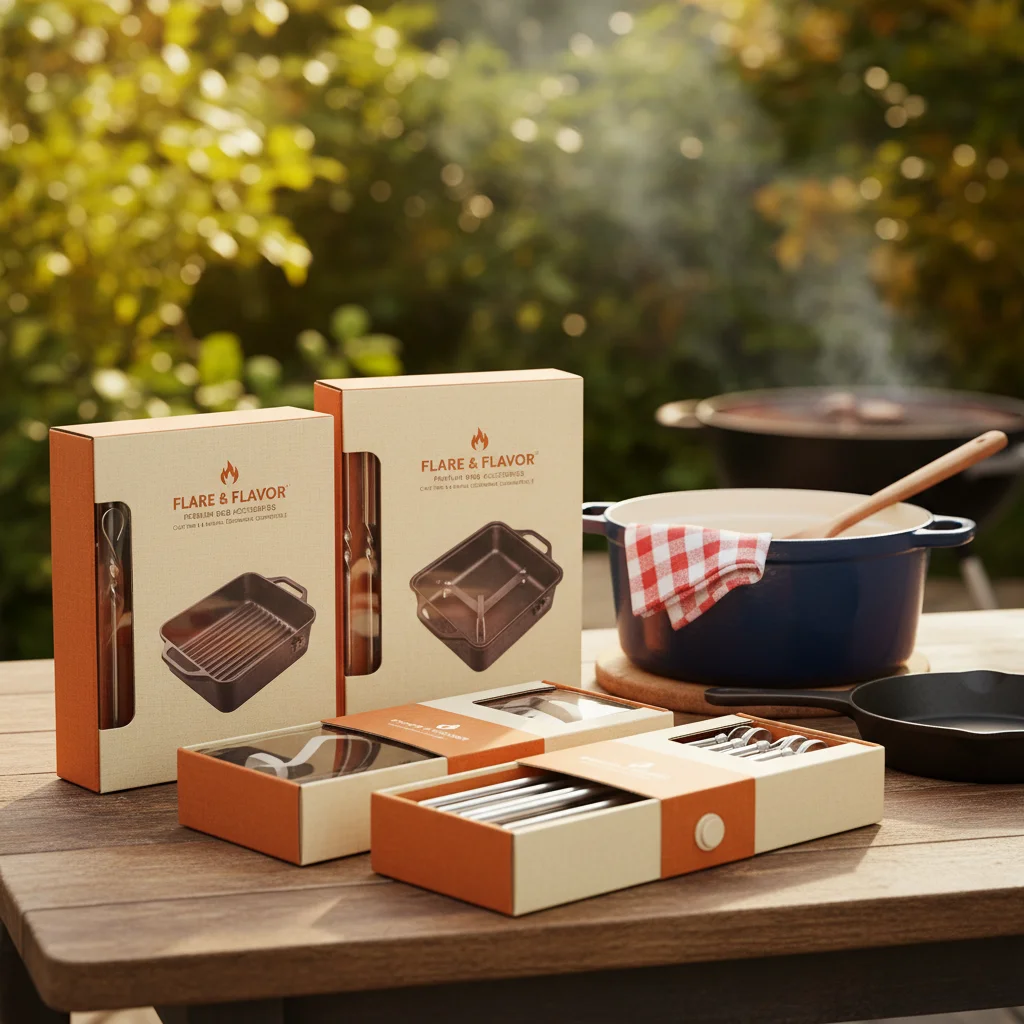
The biggest issue is grease management. If you don’t have a good drip pan and a way to catch the grease, you’re going to have a mess. And a fire hazard. Believe me, I’ve seen it happen.
But overall? If you get a quality rotisserie bbq for sale and take care of it, it's worth the investment. The flavor payoff is huge.
Customization and Real-World Examples
We had a customer last month, a small boss in Shenzhen who makes smart home devices, he insisted on changing the interface to . Said it was "more modern." I tried to explain that people aren’t going to be running extension cords to their bbq, but he wouldn't listen. The result? He had to add a bulky adapter, and the whole thing looked ridiculous. It was a waste of time and money.
But on the other hand, we had a catering company that wanted a custom spit length for cooking whole lambs. We were happy to accommodate. It's not a problem to extend the spit or modify the forks. The key is to work with the customer and understand their needs.
We’re also seeing a demand for more integrated systems – rotisserie grills that connect to smart home hubs, with remote monitoring and control. It's a bit gimmicky, in my opinion, but the customers are asking for it.
Summary of Key Design Considerations for rotisserie bbq for sale
| Component |
Material Quality |
Durability Rating (1-10) |
Maintenance Frequency |
| Spit Rod |
304 Stainless Steel |
9 |
Monthly Cleaning |
| Motor Housing |
Cast Aluminum |
7 |
Semi-Annual Inspection |
| Forks |
Stainless Steel |
8 |
After Each Use |
| Counterbalance System |
Heavy-Duty Steel |
6 |
Annual Lubrication |
| Drip Pan |
Stainless Steel |
7 |
After Each Use |
| Motor |
Copper Wound |
8 |
Annual Inspection |
FAQS
Honestly, it depends on what you cooked! But generally, scraping off the excess grease while it's still warm is a good start. Then, a hot soapy water bath, and a good scrub with a stiff brush. Don't forget to clean the forks and spit rod thoroughly. If it’s really caked on, let it soak overnight. Avoid harsh abrasives, they'll scratch the stainless steel.
That varies widely, but a good quality rotisserie should be able to handle at least 20-25 pounds. Anything more than that and you risk stressing the motor and potentially causing it to fail. Always check the manufacturer’s specifications, though. And make sure your spit is properly balanced!
It can be, but it’s not essential. A self-basting system just continuously drips fat over the meat, keeping it moist. You can achieve the same effect by manually basting, but it's more work. If you're cooking large cuts of meat, a self-basting system can save you a lot of time and effort.
It depends on your preference! Hickory is classic for pork, mesquite for beef, and applewood for poultry. I like to experiment with different blends. Just make sure you’re using wood chips that are specifically designed for smoking, and soak them in water for at least 30 minutes before adding them to the grill. That will help them smolder instead of burst into flames.
Some can be, to be honest. If you're not handy, you might want to enlist some help. Read the instructions carefully, and make sure you have all the necessary tools. Don't force anything. If something doesn't fit, double-check the instructions. And don't be afraid to watch a YouTube video. There are plenty of tutorials out there.
Stainless steel is the way to go. It's durable, rust-resistant, and easy to clean. Avoid forks with plastic parts, as they'll melt or crack over time. Look for forks that have sharp tines for a secure grip, and adjustable arms to accommodate different sizes of meat. Solid forks are best - no flimsy, wobbly business.
Conclusion
Ultimately, a good rotisserie bbq for sale boils down to quality materials, solid construction, and thoughtful design. It’s about making the process easier and more enjoyable, while still delivering exceptional results. There’s a lot of flashy stuff out there, but the basics still matter most.
And here’s the thing: whether this thing works or not, the worker will know the moment he tightens the screw. Because if it feels solid, and it runs smooth, you know you’ve got something good. Visit our website at rotisserie bbq for sale to see our selection.