Maintenance Tips to Prevent Rust on Cast Iron Long Bread Pans
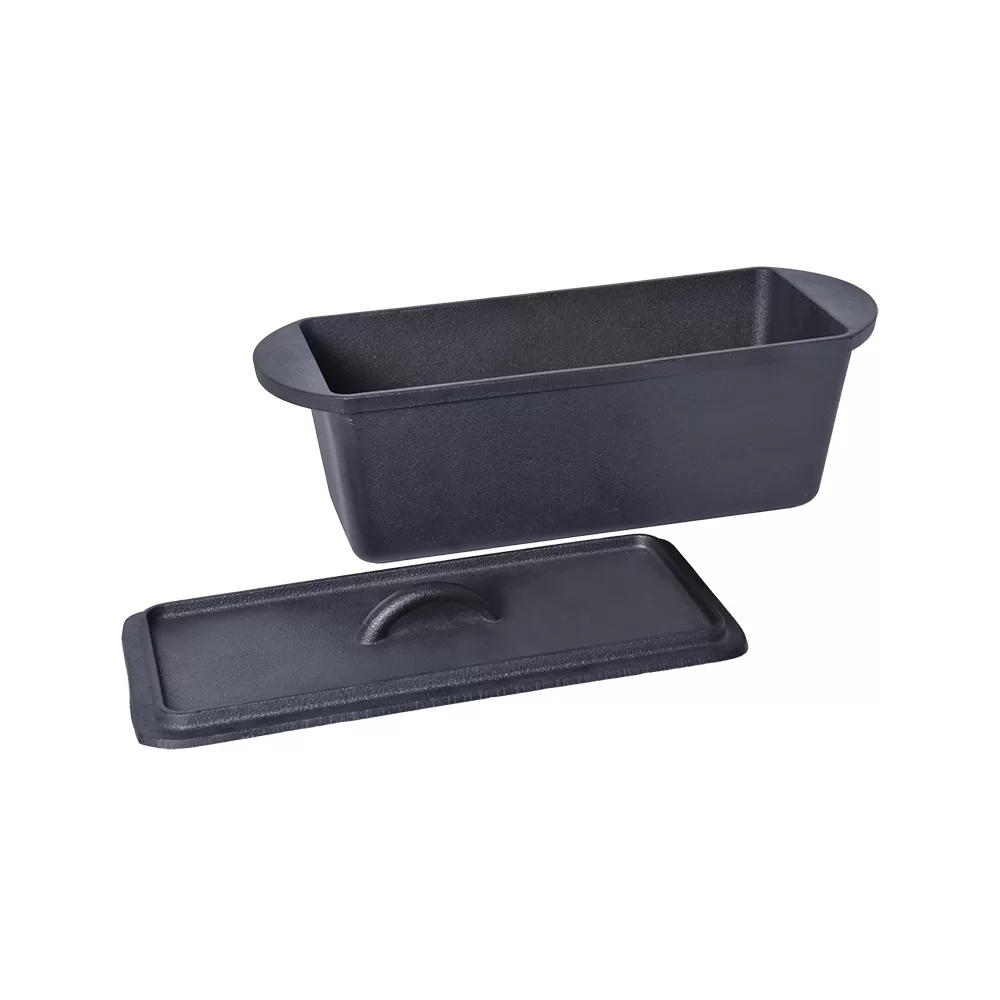
In the baking and cookware market, long bread loaf pan, long bread pans, and long loaf bread pan crafted from cast iron are favored for their excellent heat retention, even baking performance, and durability. SHIJIAZHUANG KINGWAY IMP.&EXP.CO.,LTD. a specialist in cast iron products, produces high-quality cast iron long bread pans that meet the demands of commercial bakeries and home baking enthusiasts alike.
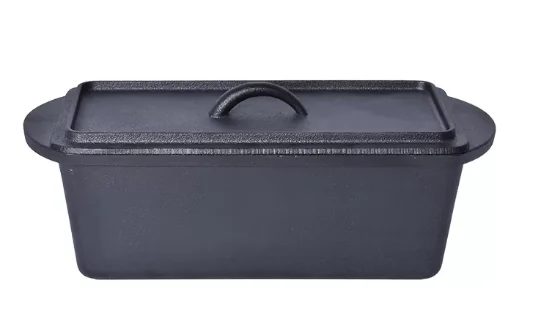
Cast Iron Long Bread Pan Product Features Table
Aspect | Details |
Material | Premium, high-quality cast iron; ensures excellent heat retention, even baking, and heavy-duty durability— core strengths of SHIJIAZHUANG KINGWAY IMP.&EXP.CO.,LTD.’s cast iron product line. |
Surface Feature | Naturally seasoned for a non-stick finish; ideal for baking bread, rolls, and various baked goods without sticking, reducing the need for excessive oil or butter. |
Construction | Durable, heavy-duty cast iron build; designed for long-lasting performance and consistent baking results, even with frequent use in commercial or home settings. |
Product Range | Available in multiple sizes as part of sets; caters to diverse baking needs (small loaves, large family-sized bread, specialty rolls) to meet different client requirements. |
Heat Compatibility | Safe for ovens, stovetops, and campfires; versatile for indoor baking and outdoor cooking, expanding its utility for baking enthusiasts. |
Maintenance Requirement | Easy to clean and maintain; hand wash recommended to preserve the natural seasoning and extend product longevity— critical for rust prevention. |
Seasoning Maintenance for Long Bread Loaf Pan
l Long bread loaf pan relies on a well-maintained seasoning layer to prevent rust, and SHIJIAZHUANG KINGWAY IMP.&EXP.CO.,LTD.’s naturally seasoned cast iron pans provide a solid foundation that requires regular reinforcement. Seasoning is a process of polymerizing oil into the cast iron’s pores, creating a protective, non-stick barrier against moisture (the primary cause of rust). To maintain this layer, after each use, once the pan has cooled slightly (but is still warm to the touch), apply a thin coat of food-grade oil (such as vegetable oil, flaxseed oil, or canola oil) using a clean, dry cloth. Focus on the interior, exterior, and especially the narrow edges and corners of the long bread loaf pan— these areas are prone to seasoning wear and moisture buildup. Place the oiled pan in an oven preheated to 200–220°C for 1 hour, then turn off the oven and let the pan cool completely inside. This process should be repeated every 3–5 uses, or more frequently if the pan is washed with soap (which strips seasoning) or shows signs of dryness.
l For wholesalers, emphasizing proper seasoning techniques to clients is key— many rust issues stem from inadequate or neglected seasoning. SHIJIAZHUANG KINGWAY IMP.&EXP.CO.,LTD. recommends advising end-users to avoid using metal utensils that scratch the seasoning (opt for wooden or silicone tools instead) and to never soak the long bread loaf pan in water for extended periods. If the seasoning becomes damaged (e.g., scratches, flaking, or rust spots), guide clients to re-season the entire pan: scrub off rust with a stiff brush and hot water, dry thoroughly, apply a thick layer of oil, and bake at 220°C for 2 hours, repeating if necessary. Providing a simple seasoning guide with each bulk order helps end-users maintain their pans effectively, reducing rust-related complaints and returns for wholesalers.
Cleaning Practices to Protect Long Bread Pans from Rust
l Long bread pans (especially cast iron models) require gentle cleaning to preserve seasoning and prevent rust, and SHIJIAZHUANG KINGWAY IMP.&EXP.CO.,LTD.’s recommended hand-washing method is critical for this. After baking, allow the pan to cool until it is safe to touch (avoid sudden temperature changes, such as rinsing a hot pan with cold water, which can cause warping and crack the seasoning). Use hot water and a stiff-bristled brush (or a chainmail scrubber) to remove food residue— avoid using soap, as it breaks down the natural seasoning. For stubborn, stuck-on dough (common in bread baking), fill the long bread pans with hot water and let it sit for 5–10 minutes to loosen the residue, then scrub gently. Never use abrasive cleaners or scouring pads, as they scratch the cast iron surface, exposing it to moisture and rust.
l Thorough drying is the most important step after cleaning long bread pans— moisture left on the surface is the leading cause of rust. After washing, dry the pan immediately with a clean, absorbent towel, wiping all surfaces (including the interior, exterior, and narrow crevices of the long pan). For extra protection, place the dried pan on a stovetop over low heat for 2–3 minutes to evaporate any remaining moisture— this step is especially crucial for long bread pans, as their narrow shape can trap hidden moisture. Once dry, apply a light coat of oil (as in the seasoning process) to keep the surface protected until the next use. Wholesalers should communicate these cleaning practices to clients, highlighting that while cast iron requires more care than non-stick pans, the effort is minimal and extends the pan’s lifespan by years— a key selling point for value-conscious buyers.
Storage Solutions for Long Loaf Bread Pan to Prevent Rust
l Proper storage of long loaf bread pan is essential to prevent rust, as stored pans are often exposed to moisture in cabinets or storage areas. SHIJIAZHUANG KINGWAY IMP.&EXP.CO.,LTD. advises end-users to store long loaf bread pan in a dry, well-ventilated space— avoid damp cabinets (e.g., near dishwashers or sinks) or airtight containers (which trap moisture). If stacking multiple long loaf bread pans (common in commercial bakeries or bulk storage), place a layer of paper towel or a clean cloth between each pan to absorb any residual moisture and prevent scratching the seasoning (scratches lead to rust). For wholesalers serving commercial clients, recommending stackable storage racks (designed for long cast iron pans) helps maximize space while keeping pans dry and protected.
l For long-term storage (e.g., seasonal use), take extra precautions to protect long loaf bread pan from rust. First, ensure the pan is fully seasoned and completely dry. Apply a slightly thicker coat of oil than usual, then wrap the pan in a clean, dry cloth (avoid plastic wrap, which traps moisture). Store the wrapped pan in a cardboard box with silica gel packets to absorb any ambient moisture— this is especially useful in humid climates. SHIJIAZHUANG KINGWAY IMP.&EXP.CO.,LTD. also suggests avoiding storing long loaf bread pan with other metal cookware, as metal-on-metal contact can scratch the seasoning. For wholesalers, including a small packet of silica gel with each bulk order of long loaf bread pan adds value and reinforces rust-prevention efforts, showing clients that SHIJIAZHUANG KINGWAY IMP.&EXP.CO.,LTD. prioritizes product longevity.
Long Bread Loaf Pan FAQS
What should I do if my long bread loaf pan develops rust spots?
If rust spots appear on SHIJIAZHUANG KINGWAY IMP.&EXP.CO.,LTD.’s long bread loaf pan, act quickly to prevent spread: 1) Scrub the rusted area with a stiff brush (or steel wool for stubborn rust) and hot water— remove all visible rust, but avoid scrubbing more than necessary to preserve remaining seasoning. 2) Dry the pan immediately with a towel, then heat it on low for 2–3 minutes to eliminate moisture. 3) Apply a thin coat of oil to the entire pan (focusing on the rusted area) and bake at 200°C for 1 hour. 4) Repeat the seasoning process 1–2 more times to rebuild the protective layer. For wholesalers, advise clients that minor rust is fixable with proper re-seasoning— this reduces panic and returns, as end-users understand rust doesn’t mean the pan is ruined.
Can long bread pans be washed in a dishwasher, and will this cause rust?
No, long bread pans should not be washed in a dishwasher. Dishwashers use high heat, harsh detergents, and prolonged water exposure— all of which strip the natural seasoning and expose the cast iron to moisture, leading to rust. Even “dishwasher-safe” claims for some cast iron products are misleading, as the seasoning will degrade over time. Wholesalers must emphasize hand-washing as the only safe cleaning method for long bread pans to clients, including this detail in product documentation and marketing materials. For end-users who prefer convenience, note that hand-washing cast iron pans takes only a few minutes and is worth it to prevent rust and extend the pan’s lifespan.
How often should I re-season my long loaf bread pan to prevent rust?
The frequency of re-seasoning depends on use, but SHIJIAZHUANG KINGWAY IMP.&EXP.CO.,LTD.recommends re-seasoning long loaf bread pan every 3–5 uses for regular home bakers, or every 1–2 uses for commercial bakers (who use the pan daily). Signs that re-seasoning is needed include: dry, dull-looking surfaces, food sticking more than usual, or small rust spots. For end-users who wash the pan with soap (accidentally or occasionally), re-season immediately after to restore the protective layer. Wholesalers can simplify this for clients by including a “seasoning reminder” in product packaging— e.g., a note suggesting re-seasoning after every fifth use— making maintenance easy to follow.
Is it safe to store long bread loaf pan with food residue on it, and will this cause rust?
No, storing long bread loaf pan with food residue is not safe and can contribute to rust. Food residue traps moisture against the cast iron surface, accelerating rust formation, and can also attract mold or bacteria. SHIJIAZHUANG KINGWAY IMP.&EXP.CO.,LTD. advises end-users to clean the pan thoroughly after each use, even if it means letting it cool first (never leave food residue on the pan overnight). For wholesalers, this is an important safety and maintenance point to communicate— not only does cleaning prevent rust, but it also ensures the pan is hygienic for future use, a critical concern for commercial bakeries and home cooks alike.
How does SHIJIAZHUANG KINGWAY IMP.&EXP.CO.,LTD.’s cast iron long bread pans resist rust compared to other materials?
SHIJIAZHUANG KINGWAY IMP.&EXP.CO.,LTD.’s cast iron long bread pans resist rust through their natural seasoning and high-quality cast iron construction— cast iron, when properly maintained, forms a protective patina that is more rust-resistant than many other materials. Unlike non-stick pans (which have a chemical coating that can chip off, exposing the underlying metal to rust), cast iron’s seasoning is a natural, renewable barrier. Additionally, SHIJIAZHUANG KINGWAY IMP.&EXP.CO.,LTD. uses premium cast iron with low carbon content (meeting ASTM A48 standards), which is less prone to rust than lower-quality cast iron. For wholesalers, this means marketing long bread pans as a durable, rust-resistant option when properly maintained— a selling point that appeals to buyers seeking long-term value over disposable cookware.