Silicone Pot Handle Grips – Durable Heat Resistant Safety Upgrade
Why Silicone Pot Handle Grips Have Become a Kitchen Essential
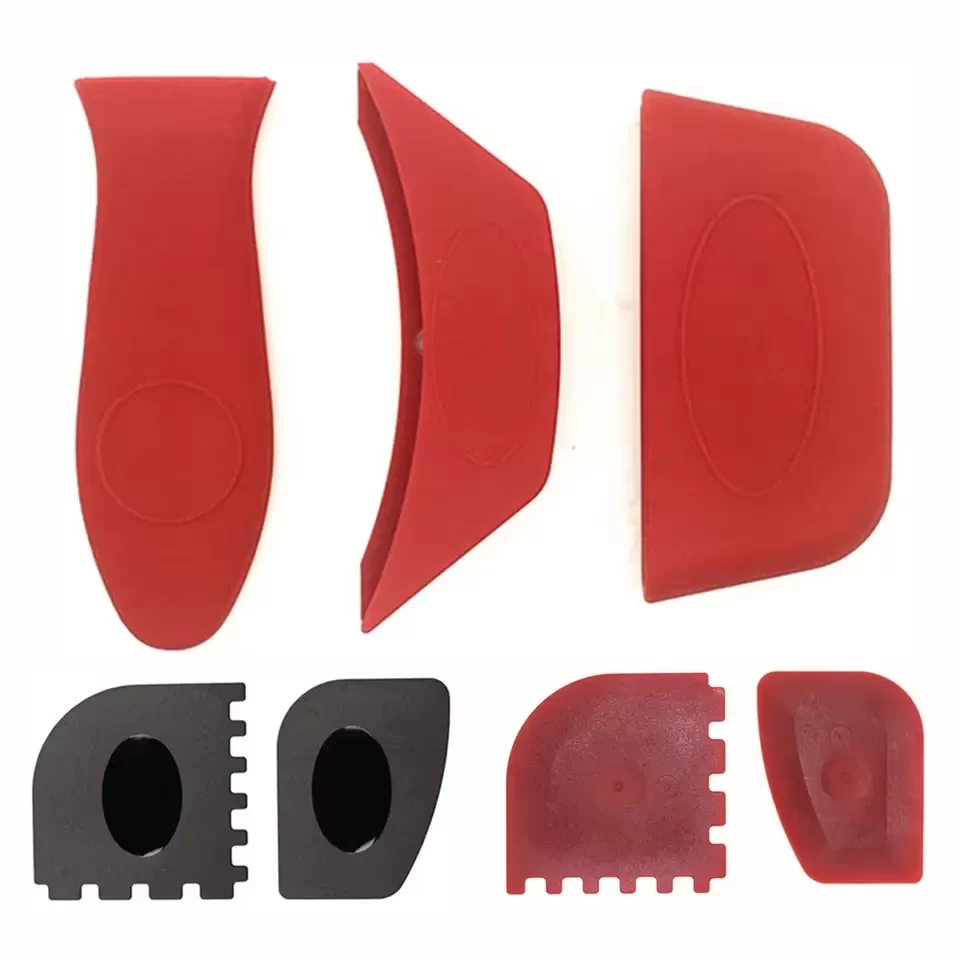
In my years working around industrial cookware and kitchen equipment, I’ve seen all sorts of materials come and go. But if there’s one simple upgrade that’s quietly transformed the daily cooking experience, it’s the silicone pot handle grip. Oddly enough, it might seem trivial at first glance — just a piece of silicone wrapped around a handle. But if you’re familiar with how traditional metal pot handles can get scorching hot, you know it’s more significant than it sounds.
Silicone grips feel sturdy yet flexible, offering a reliable layer of insulation that keeps your hands safe. From my experience, high-quality silicone is surprisingly durable — resistant to heat up to around 250°C (482°F) or even more — and also resists cracking or warping over time. Not all silicones are made equal, though, and that’s something I’ll touch on shortly. But more than just protection, these grips give you a better hold, which is everything when you’re maneuvering heavy pots full of hot contents. You don’t want to slip or risk burns in the middle of prepping a meal.
These grips are quite common in commercial kitchens, where chefs demand not only safety but also reliability and ease of cleaning. What’s interesting is that silicone is naturally non-stick and dishwasher-safe, so maintenance is a breeze — no greasy residues or staining, unlike cloth or foam handle covers in some older setups.
I recall a story from a longtime restaurant manager I know — they switched from bare metal handles to silicone pot handle grips a few years ago. Staff noticed immediate improvements: fewer burn incidents and faster prep times because everyone felt confident gripping the pots. It’s a small change with a surprisingly big impact on workflow and safety.
What to Look for in Silicone Pot Handle Grips
Not all silicone grips come off the press with the same specs. When I evaluate them, I focus on a few key points:
- Heat resistance: You want a grip that can comfortably handle stovetop temperatures without degrading.
- Thickness and texture: Thicker grips provide better insulation and often a more secure hold, though it can vary by user preference.
- Cut and fit: A snug fit around the handle is crucial to prevent slipping or accidental removal during use.
- Material certification: FDA-approved or food-grade silicone ensures safety—no unwanted chemicals leaching into your hands or food environment.
It feels kind of obvious, but you’d be surprised how many silicone-based products cut corners on these points, especially in lower-end imports.
| Feature | Details |
|---|---|
| Material | Food-grade silicone rubber |
| Heat resistance | Up to 250°C (482°F) |
| Dimensions | Approx. 12 cm length, fits 1.5 - 3.0 cm diameter handles |
| Color options | Standard black, red, blue, green |
| Cleaning | Dishwasher safe and hand washable |
| Certifications | FDA, SGS food contact compliance |
Comparing Top Silicone Pot Handle Grip Vendors
Having sourced and tested grips from different vendors across Asia and Europe, I noticed a few patterns worth sharing if you’re shopping around:
| Vendor | Heat Resistance | Material Certification | Customization Options | Price Range |
|---|---|---|---|---|
| Kingway Cookwares | Up to 260°C | FDA & SGS | Colors, sizes, branding | $$ |
| Vendor B | ~230°C | FDA only | Standard sizes, limited colors | $ |
| Vendor C | Up to 280°C | CE & SGS | Custom molds, logos | $$$ |
One thing I can confirm from working with silicone pot handle grips vendors like Kingway Cookwares is the balance of reliability and affordability. Their grips hold up well under repeated use, and the options for colors and branding really help companies stand out if they want a personalized touch. Frankly, it’s these little details that can make your brand’s cookware both safer and more recognizable.
To wrap it up, if you’re someone who often handles hot pots or sells cookware, adding silicone grips is a pretty straightforward safety upgrade with very little downside. It’s one of those product improvements where you mainly gain peace of mind and comfort. Plus, if you’re sourcing from seasoned vendors (like the one linked above), you’re likely getting well-tested goods instead of something just thrown together overseas.
In real terms, a silicone pot handle grip isn’t just a small accessory — it’s a smart investment in daily kitchen safety and ergonomics.
References:
1. FDA Food Contact Guidelines.
2. SGS Material Testing Reports.
3. Industry interviews, 2022.