Everything You Need to Know About Silicone Spatula Brush – Benefits, Uses & Buying Guide
Understanding the Silicone Spatula Brush: A Kitchen Essential with Global Appeal
The silicone spatula brush might not be the flashiest kitchen tool on the block, but it’s a classic example of everyday innovation that quietly elevates cooking experiences worldwide. From amateur home cooks trying to glaze pastries perfectly to large-scale bakeries mass-producing doughnuts, this flexible yet durable tool plays a surprisingly critical role.
Why does it matter globally? Well, silicone spatula brushes help reduce food waste, offer hygienic advantages, and withstand a wide range of temperatures, addressing both practical and environmental concerns in kitchens everywhere. Understanding their design and applications gives us insight into how simple tools can ripple out to impact sustainability and efficiency across cultures and industries.
Global Context: Why Silicone Matters in Kitchen Tools
It’s odd at first to think that a humble kitchen utensil like the silicone spatula brush holds any global significance. But when you consider that the World Food Programme estimates over 800 million people worldwide face hunger daily, even small improvements in cooking efficiency and food preparation hygiene can help—especially in communal kitchens or food processing sectors.
Stainless steel or wooden brushes have traditionally dominated, but they wear down easily or may harbor bacteria. Silicone solves this problem. According to ISO and FDA standards for food safety and material durability, silicone spatula brushes present cheaper, longer-lasting alternatives. In fact, the demand for silicone-based kitchenware is projected to grow by 6% annually through 2030, as manufacturers, chefs, and consumers seek reliable, eco-conscious tools.
What Is a Silicone Spatula Brush?
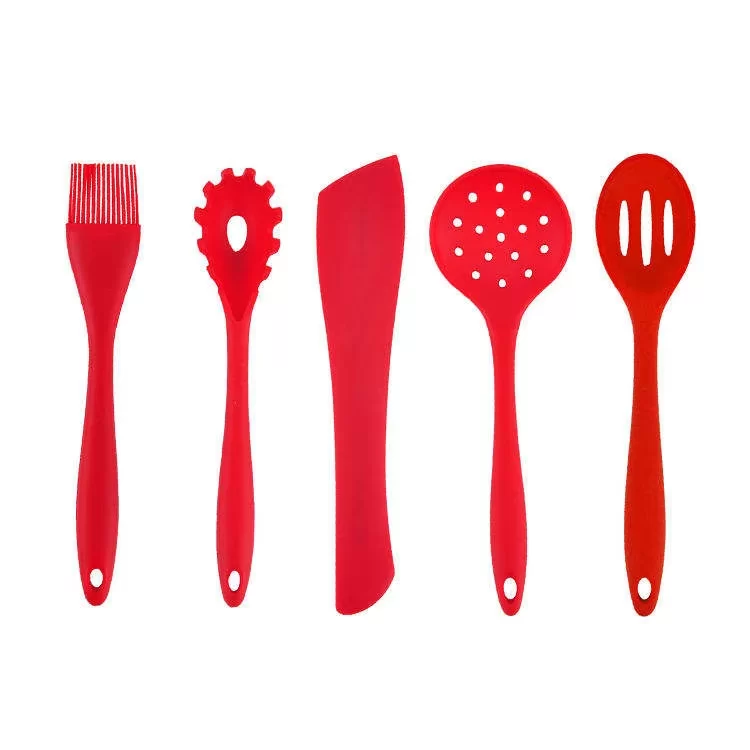
In simplest terms, a silicone spatula brush is a kitchen tool featuring a flat or slightly curved silicone blade or bristles attached to a handle—often heat-resistant and easy to grip. It’s designed to spread, baste, or glaze foods with precision and ease. Unlike traditional bristle brushes made from natural fibers, the silicone’s synthetic rubber compound resists melting, bacteria retention, and abrasion.
These brushes are not just for household kitchens; they are integral to modern food industries and humanitarian food service programs where hygiene, reusability, and temperature tolerance are critical.
Core Features of Silicone Spatula Brushes
Heat Resistance
Silicon spatula brushes can withstand temperatures up to roughly 500°F (260°C), which is fantastic when working with hot ovens or grills. You won’t worrying about bristles melting or warping during cooking.
Hygiene and Safety
Unlike wooden brushes, silicone doesn’t absorb liquids or odors. It’s non-porous, making cleaning a breeze and reducing the chance of bacterial buildup. This is one reason they are preferred by professional kitchens and food safety inspectors alike.
Durability
These brushes last significantly longer. The silicone bristles flex without breaking or wearing thin, making replacements less frequent compared to natural bristle brushes.
Environmental Impact
Oddly enough, silicone is not just durable but also recyclable. Though synthetic, it’s more eco-friendly than disposable plastic equivalents and can be repurposed, reflecting a growing global push for sustainable kitchenware.
Product Specification Table
| Feature | Specification |
|---|---|
| Material | Food-grade silicone with plastic or wooden handle |
| Heat Resistance | Up to 260°C (500°F) |
| Length | Approximately 8–10 inches (20–25 cm) |
| Cleaning | Dishwasher safe & hand washable |
| Colors | Variety of colors to match kitchen aesthetics |
Global Applications & Use Cases
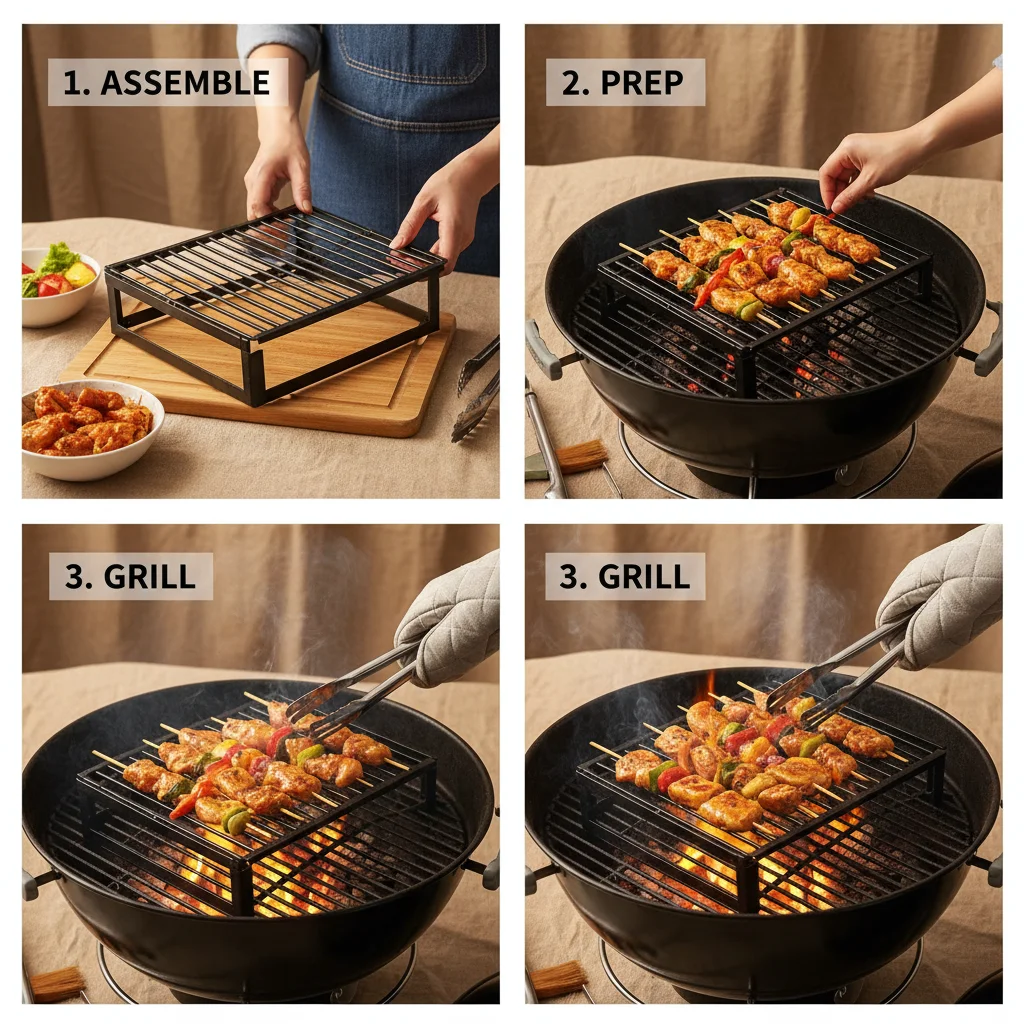
The neat thing is how versatile silicone spatula brushes turn out to be. In commercial bakeries in France, they're used extensively to apply glazes and egg washes without damaging delicate doughs. In the US, barbecue enthusiasts swear by them for heat-resistant basting. NGOs working in refugee camps often choose silicone brushes to ensure hygienic food prep under challenging conditions.
In Asia, particularly China and Japan, the brushes feature in street food stalls and modern kitchen setups alike, emphasizing their cross-cultural omnipresence. Meanwhile, emerging markets in Africa and South America see a rise in demand as kitchenware manufacturers promote durable yet affordable utensils.
Vendor Comparison: Silicone Spatula Brushes
| Vendor | Material Quality | Price Range (USD) | Unique Features |
|---|---|---|---|
| Kingway Cookwares | Premium food-grade silicone | 8 – 15 USD | Ergonomic handles, vibrant colors |
| SiliconePro | Medical-grade silicone | 12 – 20 USD | Heat detection technology on bristles |
| EcoKitchen Tools | Recyclable silicone blend | 7 – 13 USD | Eco-friendly packaging, BPA-free handles |
Advantages & Long-Term Value
The appeal of silicone spatula brushes isn’t just technical but emotional, too. They evoke a sense of safety and trust in food preparation. From the logical perspective, they extend tool longevity, helping reduce kitchen expenses over time. Environmentally, they are a step toward sustainability — a move away from disposable plastics or short-lived wooden alternatives.
On a social level, these brushes empower chefs and home cooks alike with hygiene and reliability. When I last worked in a nonprofit kitchen, switching to silicone tools notably improved cleaning protocols—small wins that preserve dignity in food service.
Future Trends & Innovations
The kitchen tools market isn’t standing still. There are whispers about integrating smart sensors in silicone spatula brushes — something that could monitor heat levels and cooking times. Additionally, biopolymer-infused silicones that biodegrade more effectively are gaining traction, nudging the industry towards greener horizons. It’s a neat mix of tradition meeting technology.
Challenges & How Experts Address Them
One limitation users sometimes notice is that cheaper silicone can feel sticky or retain odors if not cleaned well. Experts suggest opting for higher-grade silicone and recommend regular deep washing (and sometimes vinegar rinses) to keep them fresh.
Another issue is that while recyclable, silicone recycling facilities aren’t widespread globally, so education and expanding recycling infrastructure remain priorities.
FAQ: Practical Questions About Silicone Spatula Brushes
- Q: How do I clean silicone spatula brushes effectively?
A: Most silicone brushes are dishwasher safe, but hand-washing with warm, soapy water and occasional deep cleaning with vinegar or baking soda helps remove odors and residues. - Q: Can silicone spatula brushes withstand direct flame or grill heat?
A: They can handle temperatures up to around 260°C (500°F), but direct contact with open flames might damage them. Best used for basting or brushing on hot surfaces without direct exposure to flames. - Q: Are silicone spatula brushes safe for all cookware types?
A: Yes, silicone bristles are gentle and won't scratch non-stick, glass, or metal pans, making them very versatile. - Q: How long will a silicone spatula brush typically last?
A: With proper care, these brushes can last several years, outlasting most natural bristle brushes significantly.
Conclusion: Why Choose a Silicone Spatula Brush?
When you zoom out and think about it, the silicone spatula brush is much more than a simple utensil. It’s a blend of innovation, hygiene, sustainability, and practicality that serves kitchens across the globe. For those who cherish cooking or run commercial operations, this tool offers reliability and value that lasts — a small investment with lasting impact.
Want to explore top-quality options? Visit our website: silicone spatula brush to find the right fit for your kitchen needs.
Mini takeaway: Small kitchen tools like the silicone spatula brush embody subtle yet crucial advances in food preparation ensuring hygiene, durability, and sustainability worldwide.
References:
1. Silicone - Wikipedia
2. World Food Programme - Global Hunger Stats
3. ISO Standards for Food Safety