Silicone Mini Spatula Set: Durable, Safe, and Versatile Kitchen Tools
Silicone Mini Spatula Set: Small Tools, Big Impact
At first glance, a silicone mini spatula set might seem like just a small kitchen gadget—handy but hardly world-changing. But oddly enough, these petite spatulas pack a surprising punch globally and in specialized industries. From delicate food prep by professional chefs to precision tasks in labs, the demand for quality silicone mini spatula sets has grown steadily worldwide.
Understanding these handy tools reveals benefits beyond convenience: durability, safety, versatility—and even environmental impact. So let's take a closer look at what these mini spatulas are all about, why they matter across contexts, and how they continue to evolve.
Global Context: Why Silicone Mini Spatulas Matter
According to the International Trade Centre, kitchenware exports are a significant economic pillar for many countries, with silicone utensils emerging as popular alternatives to traditional materials. The shift towards silicone cookware—including mini spatulas—is part of a global push toward safer, more sustainable cooking tools.
Challenges such as food safety standards, increased consumer awareness about chemicals, and the need for longer-lasting products have raised the bar. A silicone mini spatula set fits into this puzzle neatly: it reduces plastic usage, resists heat better than many plastics, and promises longevity. This has not only consumer appeal but also importance in industrial food processing, laboratories, and even humanitarian aid kits where hygiene and durability are paramount.
What Exactly Is a Silicone Mini Spatula Set?
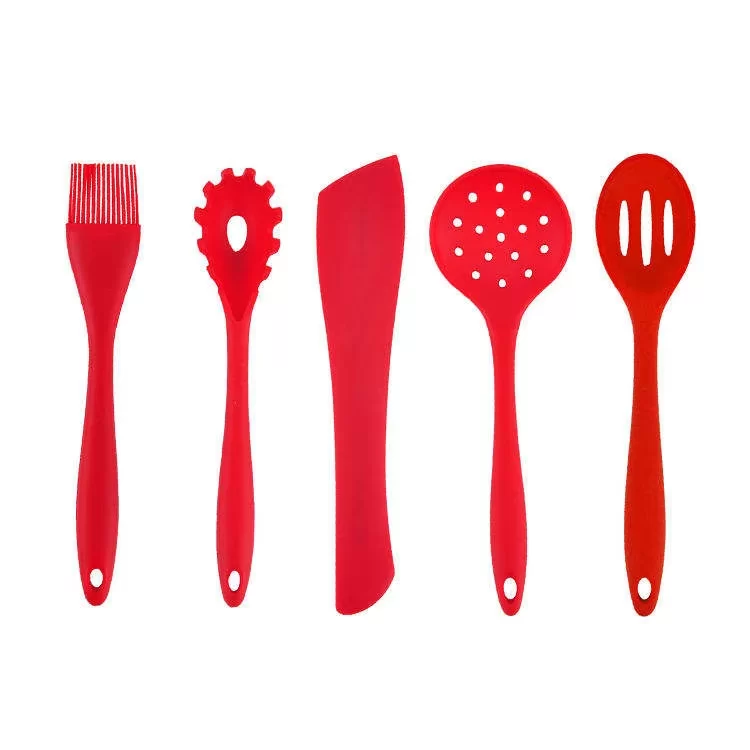
Put simply, a silicone mini spatula set consists of several small-sized spatulas made mainly from food-grade silicone, often combined with stainless steel or plastic handles. Their compact size makes them ideal for precision mixing, scraping, or spreading tasks—think frosting cupcakes or handling delicate ingredients without damage.
In industries beyond the home kitchen, these spatulas assist with safely handling chemicals or samples, thanks to silicone’s chemical inertness and resistance to extreme temperatures. They help maintain sterility while allowing controlled manipulation—no wonder they’ve found cross-sector uses!
Core Components of Silicone Mini Spatula Sets
1. Durability
Quality silicone withstands temperatures from roughly –40°C to over 230°C without warping or breaking down—a huge plus for baking and cooking repeatedly without tool replacement.
2. Heat Resistance
This prevents melting or releasing harmful substances that plague plastic alternatives. In laboratories, this means safer sample handling under heat.
3. Flexibility & Precision
Malleable silicone edges allow scraping into corners, crevices, and small containers—something a hard spatula struggles with.
4. Food Safety & Non-Toxicity
Medical-grade and food-grade silicone conform to international safety standards, including FDA and LFGB certifications, reducing risks of contamination.
5. Ease of Cleaning & Maintenance
Silicone’s non-stick surface means spatulas clean quickly by hand or dishwasher, cutting down on sanitation times in busy kitchens or labs.
| Feature | Specification | Benefit |
|---|---|---|
| Material | Food-grade silicone & stainless steel handles | Safe, long-lasting, resistant to heat and chemicals |
| Heat Resistance | -40°C to 230°C | Reliable performance in cooking and lab work |
| Size | Typically 3-6 inches (7.5-15 cm) | Compact for precise use and storage |
| Color Options | Multiple—often bright or pastel for kitchen aesthetics | Easy identification and personalization |
Global Applications & Use Cases
From North American artisan bakers delicately frosting confections to medical labs handling viscous reagents, the silicone mini spatula set is surprisingly versatile:
- Professional kitchens: Enables accurate ingredient mixing, delicate folding, and clean scraping without damaging bakeware.
- Scientific labs: Assists in transferring samples and chemicals safely, resisting contamination and heat.
- Industrial food production: Supports maintenance of hygiene standards, helps with small-batch blends where precision counts.
- Remote and humanitarian use: Durable and easy-to-clean tools fit well in field kitchens or emergency relief kits, where weight and hygiene matter.
Regions with fast-growing culinary sectors—such as Southeast Asia and Europe—have seen spikes in demand, reflecting shifts toward refined cooking methods and higher hygiene expectations.
Mini takeaway: Whether in gourmet kitchens or austere field labs, the silicone mini spatula set is quietly essential.
Advantages & Long-Term Value
Beyond immediate utility, these mini spatulas offer benefits that appeal to both practical and emotional considerations:
- Cost-Effectiveness: Though slightly pricier than plastic, their longevity and reusability lower overall expenses.
- Sustainability: Silicone is recyclable and far more durable than plastic, cutting down on waste.
- Health & Safety: Free of BPA and phthalates, reducing risk of toxins leaching—in both food and lab contexts.
- Trust & Comfort: Users often note the tactile softness and flexibility provides better control—less frustration, more confidence.
It’s like investing in a reliable workhorse, one that’s ready for countless messy jobs without giving up.
Emerging Trends & Innovations
Silicone spatulas are evolving too. The latest models incorporate antimicrobial coatings, FDA-approved colorants safe even for baby food prep, and ergonomic handles for reduced fatigue. There's increasing attention to biodegradable silicone derivatives as industry efforts aim to further sustainable materials in culinary tools.
Meanwhile, digitally integrated kitchens might soon pair sensors within handles to track usage patterns or maintenance alerts—imagine a “smart” mini spatula! While this sounds futuristic, tech meets tradition step by step.
Challenges & Solutions
Still, you might ask, what’s stopping the silicone mini spatula set from dominating absolutely everywhere? A few bumps exist:
- Price Sensitivity: Bulk industrial buyers sometimes balk at silicone costs compared to cheaper plastics.
- Disposal & Recycling: Not all recycling centers handle silicone well, so end-of-life processing isn’t always ideal.
- Design Variability: Lesser quality sets lack durability or food safety certifications.
Industry experts suggest educating users on total cost of ownership, improving take-back programs, and sticking to internationally recognized certifications are keys to overcoming these hurdles.
Frequently Asked Questions
- Q: What makes silicone mini spatulas better than plastic versions?
- A: Silicone spatulas offer superior heat resistance, flexibility, and are free from harmful chemicals like BPA, which makes them safer and more durable for cooking and lab applications.
- Q: How do I know if a silicone mini spatula set is food safe?
- A: Look for FDA, LFGB, or equivalent certifications; these confirm compliance with strict health and safety standards for food contact materials.
- Q: Can silicone mini spatulas handle high temperatures? Are they oven-safe?
- A: Most are safe up to 230°C (446°F), making them excellent for stovetop, baking, and microwave use—but always check manufacturer guidelines for your specific set.
- Q: Are silicone spatulas easy to clean and maintain?
- A: Yes, silicone’s non-stick nature means spatulas clean easily by hand or dishwasher, saving time and maintaining hygiene.
Conclusion
In the grand scheme, the silicone mini spatula set exemplifies how small innovations in everyday tools contribute substantially to global food safety, convenience, and professional precision. Their durable, health-conscious design aligns well with modern priorities of sustainability and quality.
For anyone from a home baker to a lab technician, investing in a quality set pays off in performance and trust. Curious to explore your options? Check out our comprehensive, carefully curated selections at https://www.kingwaycookwares.com and elevate your culinary or scientific toolkit today.
| Vendor | Material Quality | Certification | Price Range (USD) | Unique Feature |
|---|---|---|---|---|
| Kingway Cookwares | Premium food-grade silicone | FDA & LFGB | $12–25 | Ergonomic handles, vibrant colors |
| FlexiTools | Standard silicone blend | FDA only | $8–18 | Compact sets, mild heat tolerance |
| LabGear Pro | Medical-grade silicone | ISO 10993 certified | $20–35 | Sterilizable, chemical-resistant |
A well-chosen silicone mini spatula set subtly improves daily tasks—little tools that truly matter.
- International Trade Centre - Kitchenware Export Data, 2023
- FDA Food Contact Materials Guidance - fda.gov
- ISO 10993 Biocompatibility Standards - iso.org