Benefits and Industry Insights on Silicone Wood Cooking Utensils | Sustainable Kitchenware
Silicone Wood Cooking Utensils: A Modern Staple in Sustainable Kitchenware
Let's start with the basics: what exactly are silicone wood cooking utensils, and why should they matter to anyone beyond cooking enthusiasts? In a world increasingly conscious of sustainability, safety, and durability, these utensils have quietly revolutionized kitchens globally. Understanding this niche product isn't just about knowing your spatulas from your spoons — it reflects growing trends in materials science, eco-friendly manufacturing, and even humanitarian aid.
Global Context: Why Silicone Wood Cooking Utensils Make Sense Today
Globally, the kitchenware market has expanded significantly. According to the International Trade Centre, sustainable kitchen products have seen an annual growth rate exceeding 6% in recent years. This aligns with the United Nations’ Sustainable Development Goal 12 focusing on responsible consumption and production. Traditional wooden utensils, while biodegradable, often suffer from issues like cracking or bacterial growth. Silicone, combined cleverly with wood, addresses these concerns.
Frankly, many regions—think urban kitchens in North America to expanding culinary hubs in Asia—face challenges such as food safety and utensil longevity. These challenges create a niche that silicone wood cooking utensils fill quite nicely.
Mini takeaway: These utensils bridge sustainability and functionality, meeting a rising global demand for safer, longer-lasting kitchen tools.
What Are Silicone Wood Cooking Utensils?
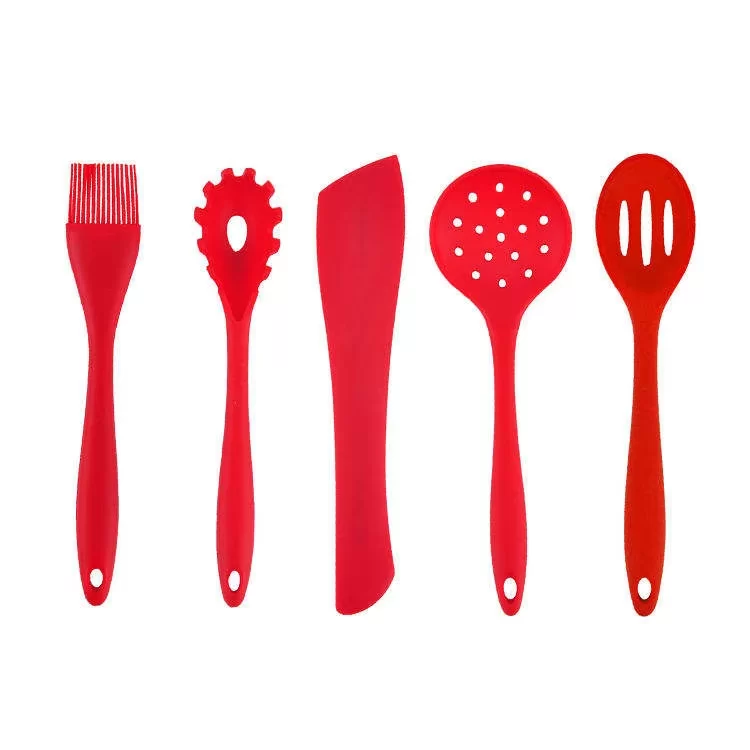
Simply put, silicone wood cooking utensils are kitchen tools — like spatulas, spoons, and tongs — that combine wooden handles or accents with silicone heads or functional parts. The silicone parts resist heat, don’t scratch cookware, and are easier to clean, while the wood adds a tactile, aesthetic appeal and eco-friendly vibe.
This hybrid reflects modern manufacturing's push toward safer, more versatile kitchen options. From cutting-edge restaurants to home cooks in remote areas, these utensils offer a blend of tradition and innovation.
Core Components & Key Factors
1. Durability
Silicone withstands high temperatures (sometimes up to 500°F or 260°C), making these utensils safe for non-stick cookware. The wood, if well-treated, resists cracking and warping, helping utensils last years longer than conventional all-wood counterparts.
2. Safety & Hygiene
The silicone parts are food-grade, BPA-free, and non-porous — meaning they don’t harbor bacteria like traditional wood can. This greatly reduces contamination risks and improves kitchen safety.
3. Heat Resistance & Non-Stick Care
Silicone tips are gentle on delicate non-stick pans, unlike metal or harsh plastics, protecting valuable cookware investments.
4. Cost Efficiency
Although sometimes marginally pricier than plain wood or plastic utensils, their longer life span and user-friendly cleaning offset the cost — making them economical in the long run.
5. Sustainability
The wood is often sourced sustainably and sometimes is reclaimed wood, while the silicone is recyclable where facilities exist. This combination beats plastics in reducing landfill waste.
Mini takeaway: The fusion of silicone and wood marries longevity with safety, proving greater value than ordinary kitchen tools.
Specifications at a Glance
| Feature | Silicone Wood Utensil | Pure Wooden Utensil |
|---|---|---|
| Heat Resistance | Up to 260°C (500°F) | Up to 120°C (248°F) |
| Surface Safety | Safe for non-stick | Safe, but may absorb oils |
| Cleaning Ease | Dishwasher-safe (some models) | Hand wash recommended |
| Lifespan | 3+ years with proper care | 1-2 years (varies) |
Global Uses & Industry Applications
Silicone wood cooking utensils aren’t just trendy kitchen tools in developed countries. Oddly enough, in humanitarian relief efforts—say after natural disasters—these utensils have found a role because of their durability and safety. NGOs often distribute lightweight, easy-to-clean cooking sets incorporating these utensils to improve sanitary conditions.
In Asia, particularly in Japan and South Korea, chefs appreciate the tactile comfort of wooden handles fused with the functional benefits of silicone heads. In Europe and North America, households seeking greener lifestyle choices opt increasingly for this hybrid approach.
The foodservice industry, from gourmet bistros to school cafeterias, values the blend of durability, hygiene, and aesthetics silicone wood utensils offer.
Mini takeaway: From disaster relief kitchens to Michelin-starred establishments, silicone wood cooking utensils help diverse users handle food preparation safely and sustainably.
Advantages & Long-Term Value
- Cost Savings: Purchasing utensils that last longer avoids frequent replacements.
- Environmental Benefits: Less plastic waste, often sustainably sourced wood.
- Safety: Non-toxic materials pose no health hazards.
- Social Impact: Supports ethical material sourcing and local craftspeople, sometimes.
On an emotional level, owners tell me how it feels nicer to cook with utensils that look and sound "natural" and yet perform so well. There’s something comforting, almost elevating, in the kitchen experience.
Vendor Comparison: Top Silicone Wood Utensil Brands
| Brand | Price Range | Sustainability Claim | Warranty |
|---|---|---|---|
| Kingway Cookwares | $15-$40 per set | Certified FSC wood, BPA-free silicone | 3 years |
| EcoChef Supplies | $20-$50 per set | 100% eco-friendly packaging | 2 years |
| NaturalTouch Kitchen | $12-$35 per set | Locally sourced wood | 1 year |
Looking Ahead: Trends & Innovations
Future improvements could involve bio-based silicones, enhancing recyclability and cutting down plastics further. Digitally printed grips on wooden handles to aid grip or even antibacterial coatings that don’t affect biodegradability are on the horizon. Plus, wider adoption of ASTM and ISO standards for kitchen safety might make these utensils a universal kitchen staple.
Challenges & Practical Solutions
One issue users report is occasional delamination—where the silicone head separates from the wood handle, especially if repeatedly soaked. The solution? Buy from suppliers with strong bonding technologies and follow manufacturer care instructions. Avoid dishwasher drying cycles with heat that can weaken adhesive bonds over time.
Some worry about the environmental impact of silicone itself. True, silicone production isn’t zero-impact, but it’s far preferable to many plastics. Further, longevity means fewer units discarded overall.
FAQs About Silicone Wood Cooking Utensils
- Q: Are silicone wood utensils dishwasher safe?
A: Many are, but it depends on manufacturer guidelines. Hand washing extends life. - Q: How do I clean wooden parts without damaging them?
A: Use mild soap, avoid soaking; drying immediately is key to prevent warping or bacteria. - Q: Can silicone wood utensils withstand high heat?
A: Typically yes — heat resistance up to 500°F (260°C) is common for silicone tips. - Q: Are these utensils eco-friendly?
A: They generally have a smaller environmental footprint than plastic, especially with sustainably sourced wood and recyclable silicone. - Q: Where can I buy quality silicone wood cooking utensils?
A: Trusted brands like Kingway Cookwares offer certified sustainable options.
Conclusion & Call to Action
In real terms, embracing silicone wood cooking utensils is about blending tradition and tech for safer, longer-lasting, eco-conscious kitchens. Whether you’re a professional chef or a home cook, the benefits are clear — durability, safety, and sustainability all rolled into elegant designs that just work.
Curious to explore a range of such kitchen essentials? Visit our website: Kingway Cookwares for premium options backed by quality and care.
Reflecting on this, one realizes how something as simple as a cooking utensil can embody broader global trends in responsibility and innovation.