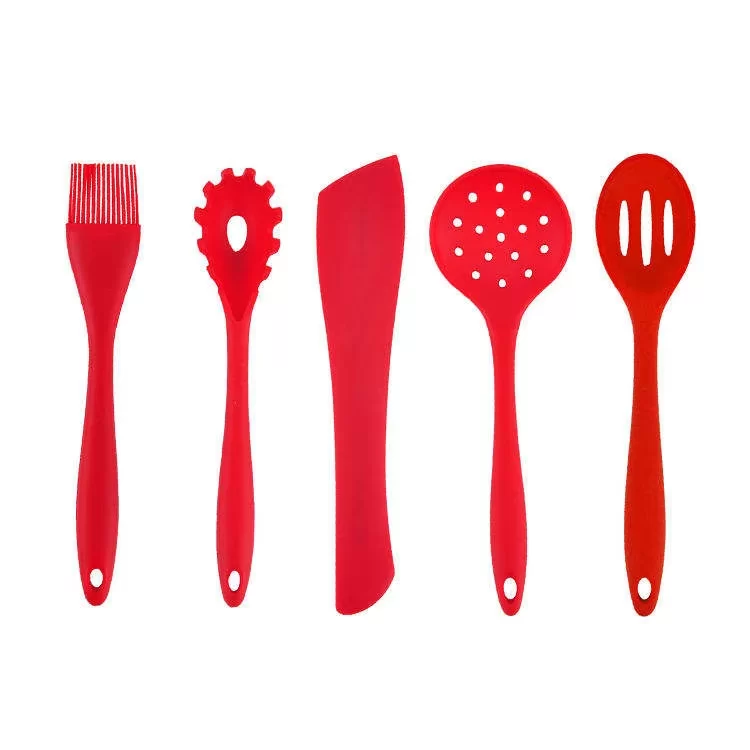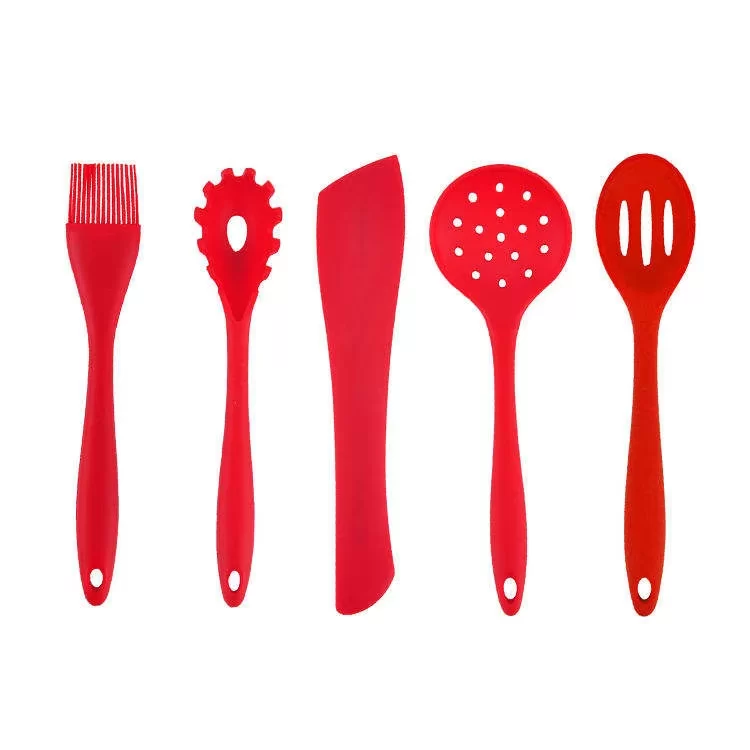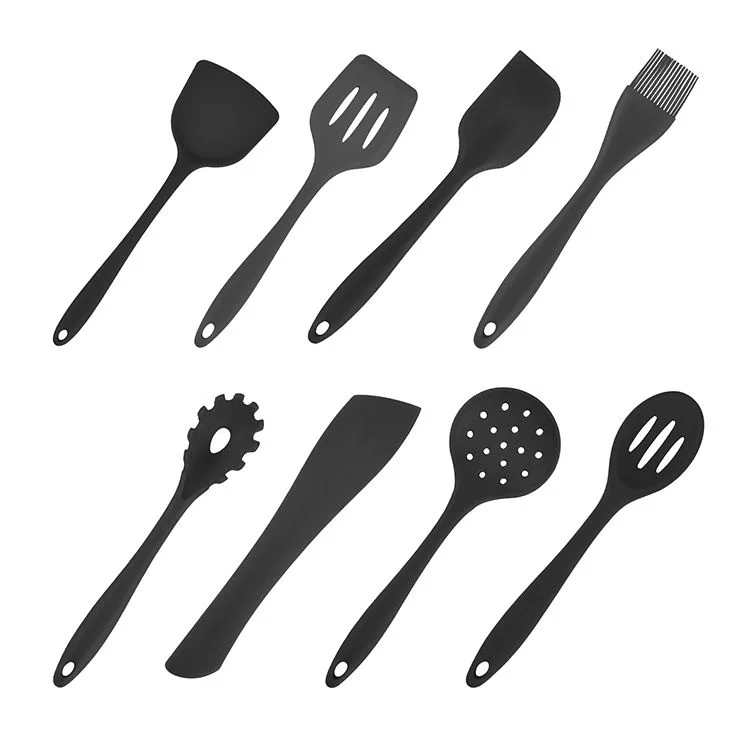
Silicone Spoon Spatula with Wooden Handle – Durable & Practical Kitchen Tool
Silicone Spoon Spatula with Wooden Handle: Durable Design Meets Practicality
Having worked in the industrial kitchen equipment sector for more than a decade, I can honestly say that the humble silicone spoon spatula with wooden handle stands out as a quiet hero in cookware. Oddly enough, it’s one of those tools you might overlook but grows on you once you realize how versatile and well-engineered it really is.
Let’s start with materials — silicone and wood. Silicone is favored in the kitchen for its heat resistance and flexibility. Engineers often praise it because it won’t scratch non-stick surfaces or warp under high heat, which means fewer cookware replacements over time. The wooden handle, on the other hand, offers a warm and sturdy grip, plus it naturally keeps cooler compared to metal handles, which can get dangerously hot. Combining the two is a smart design move you rarely see executed so well in mass production.
From my experience inspecting products like this, the quality of the wood is just as important as the silicone blend. Most suppliers opt for sustainably sourced beech or birch wood — these woods are hard enough to resist cracking and absorb minimal moisture, making them ideal for kitchen implements. The handle also often receives a protective finish that makes it water-resistant without sacrificing the tactile comfort.
Now, I’ve tested, used, and seen many silicone spatulas over the years, but the wooden handle adds a vintage charm plus practical durability that seems to last longer under industrial kitchen conditions. I remember one industrial kitchen manager telling me that this combination prevents hand fatigue during long cooking sessions — the wooden handle’s heft distributes pressure better than lighter plastic alternatives.
In real terms, this tool is perfect for stirring, scraping, and folding delicate batters or thick sauces. The spoon shape—rather than a flat spatula—also doubles as a ladle of sorts, which many cooks appreciated during busy service hours. The silicone tip’s flexibility lets you get every last bit of sauce from a pot, reducing waste. Frankly, it's a small thing but makes a difference.
| Feature | Specification |
|---|---|
| Silicone Tip Material | Food-grade, BPA-free, heat resistant up to 450°F (232°C) |
| Handle Material | Sustainably sourced hardwood (beech or birch) with water-resistant finish |
| Length | Approximately 11.5 inches (29 cm) |
| Weight | 60 grams (2.1 ounces) |
| Certifications | FDA & LFGB certified for food safety |
| Care Instructions | Hand wash recommended; avoid prolonged soaking of handle |
In terms of manufacturers and suppliers, I’ve compared a few notable brands specializing in these tools. Some go economical and use cheaper wood or lower-grade silicone which can affect longevity and food safety (no thanks!). Others offer premium finishes and custom branding options, perfect for chefs looking to personalize their tools.
| Vendor | Material Quality | Customization | Price Range | Minimum Order Qty. |
|---|---|---|---|---|
| Kingway Cookwares | High-grade silicone & hardwood | Yes, logos and colors | Mid-range | 100 pcs |
| Generic Supplier A | Medium quality silicone, cheaper wood | Limited | Low-end | 500 pcs |
| Premium Kitchen Tools Co. | Top silicone, exotic hardwood | Extensive | High-end | 50 pcs |
One neat anecdote: a baker I know swears by the wooden-handle silicone spoon spatula for her delicate macarons. The silicone’s non-abrasive tip lets her gently fold batter without deflating it, while the handle stays comfortable during extended prep sessions. When she first switched from an all-plastic spatula, she noticed less fatigue and a longer-lasting tool. Small changes like this often get overlooked, but they add up.
In a sector where durability meets usability, these utensils sneak under the radar but deserve a starring role. If you want a product that’s practical, engineered for longevity, and pleasant to hold — the silicone spoon spatula with wooden handle should be on your radar, frankly.
Anyway, that’s my two cents after years in the industry. It’s all about smart materials, thoughtful design, and sometimes, just the right feel in your hand that elevates a tool from ordinary to essential.
References:
- FDA Guidelines on Food Contact Materials, 2021
- Wood Durability in Cookware Handles (Journal of Material Science in Food Industry, 2019)
- Industry Interviews on Kitchen Ergonomics, Kingway Cookwares, 2023
Sometimes it's the smallest tools that make the biggest difference in the kitchen.