Sourdough Cast Iron Loaf Pan: Durable, Sustainable Baking for a Global Kitchen
Understanding the Sourdough Cast Iron Loaf Pan: A Global Perspective
You might wonder why a sourdough cast iron loaf pan is grabbing attention globally. Well, it’s not just an artisanal baking tool; its durability, heat retention, and versatility position it at the crossroads of culinary tradition and modern sustainability efforts worldwide. With the rise of home baking (especially sourdough), plus broader conversations around resource efficiency and longevity in cookware, understanding this pan’s role isn’t merely for bakers but for industries focused on quality and lasting value.
Global Relevance of Sourdough Cast Iron Loaf Pans
If we look at recent data, the United Nations has highlighted sustainability in production as key to achieving climate targets. Cast iron cookware, ironically, happens to tick some big boxes: it lasts decades, reduces reliance on fleeting non-stick coatings, and supports energy-efficient cooking, particularly in traditional baking methods like sourdough. Also, according to a World Bank report on sustainable consumer goods, investing in longevity rather than disposability can reduce landfill waste—which frankly feels more urgent now than ever.
However, there’s a challenge. Many cast iron products are heavy, and historically, some lacked consistent quality control, which can deter users. A well-crafted sourdough cast iron loaf pan addresses these problems with refined design and materials, making it more accessible and effective globally.
What Exactly Is a Sourdough Cast Iron Loaf Pan?
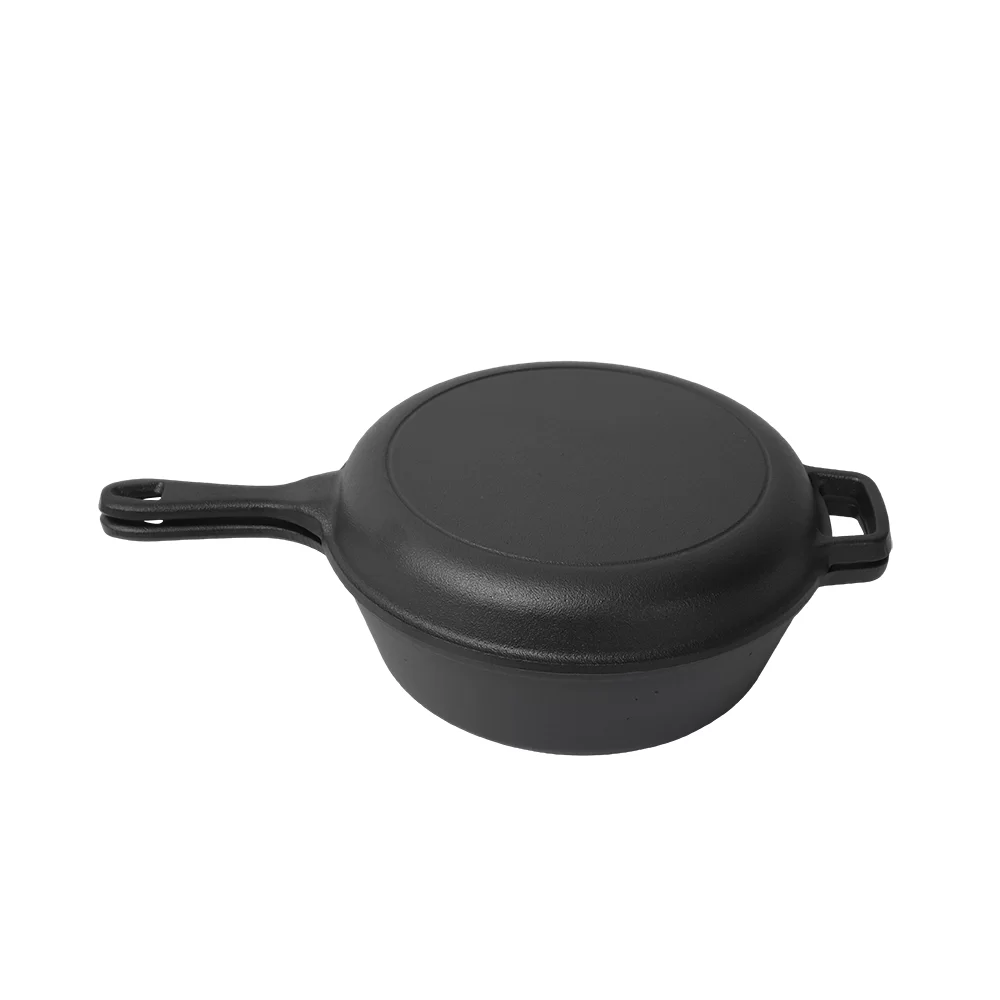
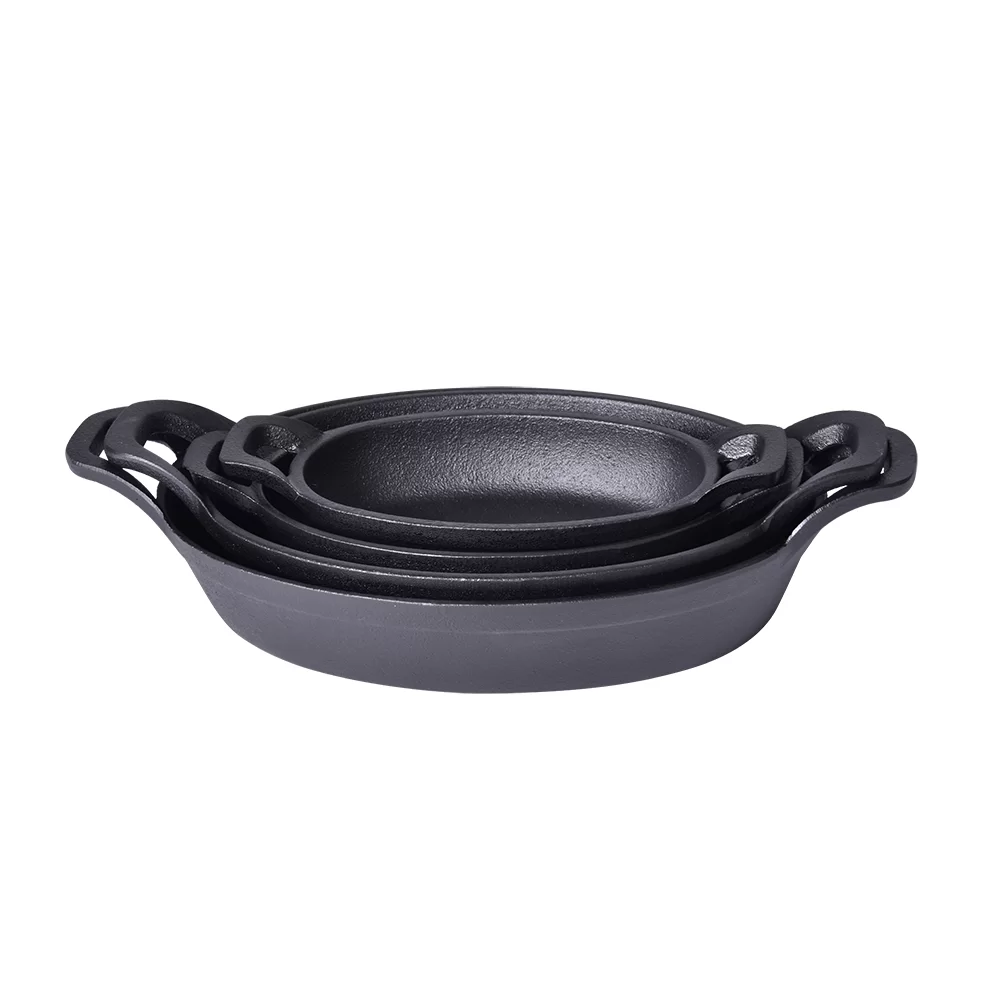
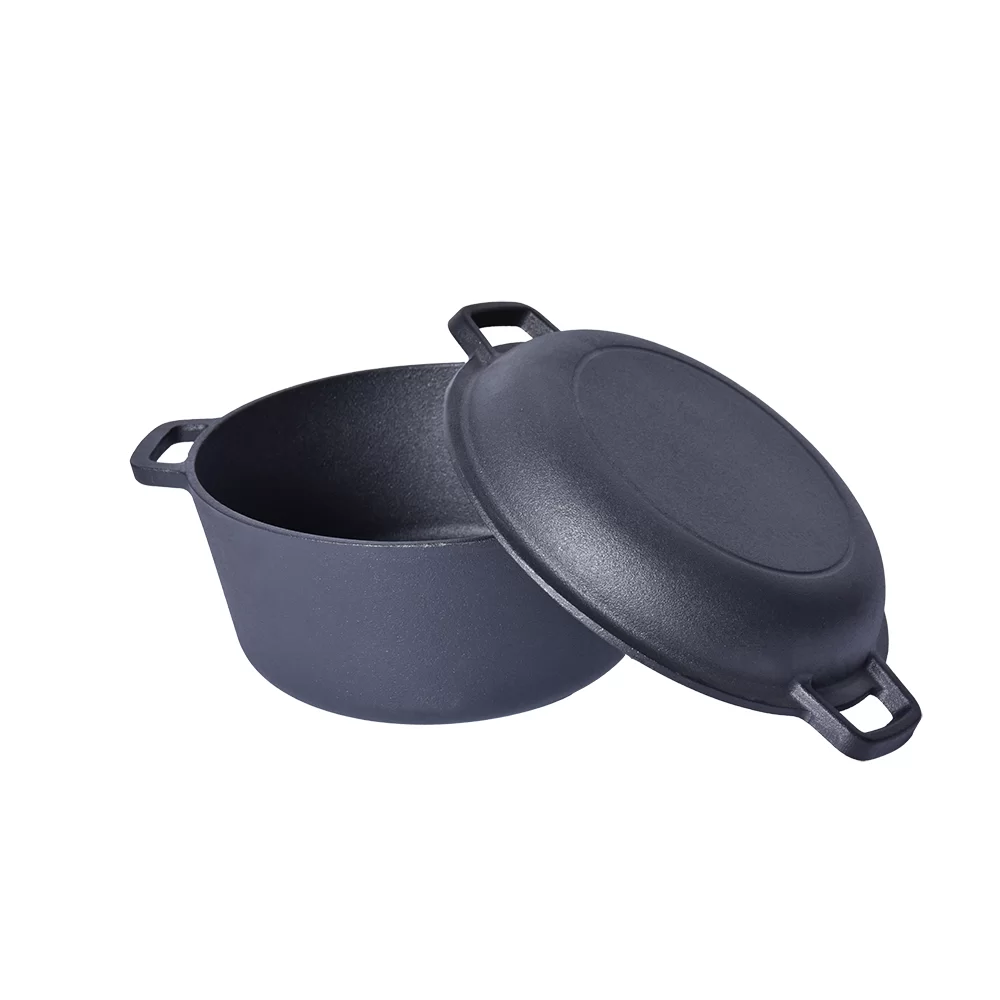
Simply put, it is a loaf pan made from cast iron specifically designed to bake sourdough bread. The unique qualities of cast iron—superior heat distribution and retention—help sourdough develop a crisp crust and evenly baked interior. Beyond kitchen geekery, cast iron cookware means durability and sustainability. It’s connected to modern needs for long-lasting kitchen tools that reduce waste, forming a small but meaningful part of sustainable living.
Key Factors That Make Sourdough Cast Iron Loaf Pans Stand Out
1. Durability and Longevity
Cast iron can last generations if cared for properly. Unlike aluminum or some non-stick, it doesn’t warp or peel. For a sourdough cast iron loaf pan, that means you’re investing in decades of reliable baking results.
2. Heat Retention & Even Baking
One of cast iron’s most praised qualities is how evenly it heats. For sourdough, this translates into a consistent crumb and crust—basically, the holy grail for any baker.
3. Seasoning & Non-Toxic Surface
Unlike chemical coatings on some pans, cast iron is seasoned naturally with oil, creating a safe, non-stick surface without synthetic chemicals. This aligns with consumer demand for cleaner, safer cookware.
4. Weight and Handling
While cast iron is robust, it is heavier than most loaf pans. Many manufacturers now add ergonomic designs or pre-season the pans to improve usability, which is crucial for home and commercial bakers alike.
5. Cost Efficiency
Though pricier up front than steel or aluminum loaf pans, cast iron’s lifespan often means a better return on investment over time.
Product Specifications of a Typical Sourdough Cast Iron Loaf Pan
| Feature | Specification |
|---|---|
| Material | Cast Iron, Pre-seasoned |
| Dimensions | 9" x 5" x 3" (L x W x H) |
| Weight | ~3 lbs (1.36 kg) |
| Heat Tolerance | Up to 500°F (260°C) |
| Care Instructions | Hand wash only, dry immediately, oil seasoning maintenance |
Global Applications & Use Cases of Sourdough Cast Iron Loaf Pans
Oddly enough, this humble pan finds favorites across continents. In Europe and North America, there’s a resurgence of slow living and artisanal baking, making cast iron loaf pans a staple among hobbyist and pro bakers. In developing regions, where oven access might be limited or energy expensive, cast iron pans double as versatile cookware and bread makers—combining durability and efficiency.
NGOs sometimes use them for baking training programs in remote communities, helping preserve food culture and build livelihoods. Plus, these pans work well in post-disaster relief when lightweight, disposable options fall short, since their reusability offers both dignity and sustainability.
Vendor Comparison: Popular Sourdough Cast Iron Loaf Pans
| Brand | Price | Weight | Pre-seasoned | Warranty |
|---|---|---|---|---|
| Kingway Cookwares | $45 | 3 lbs | Yes | Lifetime |
| Lodge | $40 | 3.2 lbs | Yes | Limited |
| Staub | $90 | 2.8 lbs | Yes | Limited |
Advantages and Long-Term Value
Investing in a sourdough cast iron loaf pan isn’t just about baking better bread—it’s about the intersection of sustainability, emotion, and practical efficiency. Imagine owning a pan that can outlast multiple generations, requiring little more than occasional seasoning and gentle care. For many, this fosters trust and pride—a feeling that their kitchen tools aren’t disposable “just stuff” but rather heirlooms and reliable partners in daily living.
From a sustainability viewpoint, fewer replacements mean fewer resources mined and less waste. This aligns with principles set by ISO standards on quality management systems—emphasizing durability and customer satisfaction.
Future Trends and Innovations
The future’s looking interesting here. Producers are exploring greener foundry techniques reducing emissions in cast iron manufacturing. Also, some manufacturers are integrating digital tools to monitor seasoning quality or even weight distribution with smart kitchens trending. While a traditional cast iron loaf pan seems simple, its evolution reflects broader technological and ecological shifts.
Challenges and Expert Solutions
The weight remains a sticking point for some customers, especially elders or those with mobility concerns. Ergonomic designs and composite-based cast irons are in development to reduce heft without sacrificing heat performance. Also, seasoning maintenance can be daunting—online tutorials and pre-seasoned options (like those from Kingway Cookwares) help ease this barrier.
FAQ: Your Sourdough Cast Iron Loaf Pan Questions Answered
- Q: Can I use a cast iron loaf pan on induction cooktops?
A: Yes, cast iron is fully compatible with induction cooktops due to its ferrous metal content, allowing even heating and solid baking performance. - Q: How do I prevent rust on my cast iron loaf pan?
A: Always dry completely after washing and rub a thin layer of cooking oil before storing. Avoid soaking or dishwasher use to prevent rust buildup. - Q: Are sourdough cast iron loaf pans easy to clean?
A: Generally yes. Use a stiff brush and warm water. Avoid soaps that can strip seasoning. Some residue might remain, but that’s normal and helps build the seasoned surface. - Q: Are there eco-friendly options for seasonings?
A: Absolutely. Natural oils like flaxseed or avocado oil are recommended for seasoning cast iron, avoiding synthetic sprays or chemicals.
Conclusion
All in all, a sourdough cast iron loaf pan is more than a baking accessory; it’s a durable, sustainable investment in your kitchen’s future. Whether you’re an artisan baker or someone pursuing a greener lifestyle, its long-term value is undeniable. Ready to upgrade your baking experience? Check out premium options at Kingway Cookwares today.
Taking the time to understand these pans pays off in crusty, flavorful loaves and a more sustainable kitchen routine.
- UN Sustainable Consumption and Production: https://sustainabledevelopment.un.org/topics/sustainableconsumptionandproduction
- World Bank Report on Waste Management: https://www.worldbank.org/en/topic/urbandevelopment/brief/solid-waste-management
- ISO 9001 Quality Management Principles: https://www.iso.org/iso-9001-quality-management.html